Have you ever watched your cat carefully grooming itself and wondered what happens when it eats fleas? It might seem harmless, but what your furry friend swallows during grooming can affect its health in ways you might not expect.
Understanding what happens if your cat eats fleas can help you protect it from hidden dangers. Keep reading to learn why this common behavior matters and what you need to watch out for to keep your cat happy and healthy.

Credit: justcatsclinic.com
Fleas And Cat Grooming
Cats spend a lot of time grooming themselves. Grooming helps them stay clean and healthy. But fleas can hide in their fur. When cats groom, they might swallow these tiny pests. This can cause problems for their health and comfort.
How Cats Ingest Fleas
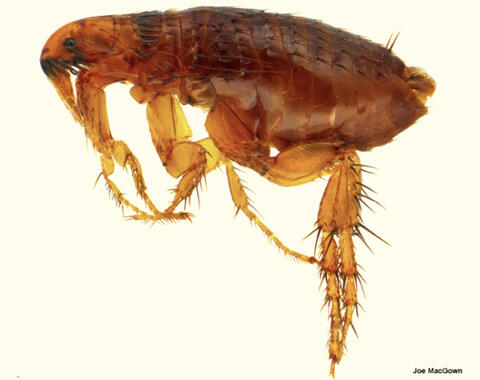
Cats use their tongues to clean their fur. Their rough tongues catch dirt, loose hair, and fleas. Fleas move quickly but can be caught during grooming. When cats lick their fur, they swallow fleas by accident. Swallowed fleas often die in the stomach.
Common Grooming Behaviors
- Licking fur to remove dirt and loose hair
- Biting or nibbling at itchy spots
- Scratching with paws to reach difficult areas
- Rubbing their face and head with paws
- Rolling on the floor to scratch back and sides
These behaviors help cats stay clean but can lead to flea ingestion. Understanding these habits helps protect your cat from flea problems.
Credit: extension.msstate.edu
Health Risks From Eating Fleas
Cats often eat fleas during grooming. This behavior can lead to health risks. Fleas carry harmful organisms that affect cats. Understanding these risks helps protect your pet’s health.
Parasite Transmission
Fleas carry parasites like tapeworms. When cats eat fleas, they may swallow these parasites. Tapeworms can grow inside the cat’s intestines. This causes weight loss and digestive problems. Regular deworming helps control parasite infections.
Allergic Reactions
Some cats are allergic to flea saliva. Eating fleas can trigger allergic reactions. Symptoms include itching, redness, and hair loss. Severe allergies may cause skin infections. Flea control is essential to prevent allergies.
Bacterial Infections
Fleas carry bacteria that can infect cats. Eating fleas might introduce harmful bacteria into the cat’s body. Infections can cause fever, lethargy, and loss of appetite. Prompt veterinary care is necessary for bacterial infections.
Flea-borne Diseases In Cats
Cats often groom themselves by licking their fur. During this process, they may swallow fleas. Fleas are not just a nuisance; they can carry several diseases. These diseases can harm your cat’s health and require veterinary care. Understanding flea-borne diseases helps protect your pet from serious problems.
Tapeworm Infection
Fleas can carry tapeworm larvae. When a cat eats an infected flea, the larvae enter the cat’s intestines. The larvae then grow into adult tapeworms. Tapeworm infections cause weight loss and itchiness around the tail. You may see small, rice-like segments near your cat’s anus. This infection requires medication from a vet.
Cat Scratch Fever
Cat scratch fever comes from bacteria called Bartonella henselae. Fleas spread this bacteria among cats. When cats bite or scratch, they can pass it to humans. In cats, the illness may cause fever, swollen lymph nodes, and lethargy. Some cats show no symptoms but still carry the bacteria. Flea control helps reduce this risk.
Bartonella And Other Illnesses
Bartonella bacteria can cause more than cat scratch fever. It may lead to infections in organs like the heart. Fleas also spread other diseases, such as hemoplasmosis. This illness affects red blood cells and causes anemia. Your cat might become weak and pale. Preventing flea infestations is vital to keep cats healthy.
Credit: nexgardforpets.com
Symptoms To Watch For
Noticing unusual signs in your cat after they groom themselves can be worrying. If your cat eats fleas during grooming, certain symptoms might show up that you should watch for closely. Understanding these signs helps you act quickly and keep your feline friend safe and comfortable.
Gastrointestinal Issues
Eating fleas can upset your cat’s stomach. You might see vomiting or diarrhea shortly after they groom. Sometimes, your cat could lose appetite or seem lethargic.
If your cat is vomiting more than once or the diarrhea lasts beyond a day, it’s a clear sign to consult your vet. Have you noticed your cat avoiding food after grooming sessions? This could be an early symptom worth noting.
Skin Irritations
Fleas carry bacteria and parasites that can cause skin problems. After eating fleas, your cat might develop redness, swelling, or tiny bumps on their skin. They may scratch or lick certain areas more than usual.
Check your cat’s skin for scabs or hair loss, which might signal an allergic reaction or infection. Have you ever felt the need to inspect your cat’s fur closely after they’ve been grooming? This attention can catch issues before they worsen.
Behavioral Changes
Changes in behavior often indicate discomfort. Your cat might become restless, hide more, or seem unusually irritable. Sometimes, they may groom excessively, trying to soothe itchy skin.
Notice if your cat is less playful or more withdrawn than normal. These subtle shifts can be your first clue that something is wrong after flea ingestion. How quickly do you usually pick up on your cat’s mood changes?
Preventing Flea Ingestion
Cats eating fleas while grooming can lead to stomach upset or tapeworm infection. Fleas carry parasites that harm cats’ health. Preventing flea ingestion helps keep cats safe and comfortable.
Preventing fleas from becoming a part of your cat’s diet is crucial for their health. When cats groom themselves, they might accidentally ingest fleas, which can lead to various health issues. So, how can you ensure your feline friend stays flea-free and healthy?Effective Flea Control Methods
Flea control starts with a clean environment. Regularly vacuum your home and wash your cat’s bedding to eliminate any lingering fleas. Use flea combs and flea-prevention products like topical treatments or flea collars. These not only protect your cat but also reduce the chances of a flea infestation. Consistency is key. Make a habit of checking your cat for fleas, especially if they spend time outdoors. Even indoor cats can be at risk if fleas hitch a ride inside on your clothing or other pets.Safe Grooming Practices
Grooming your cat can be a bonding experience, and it plays a role in flea prevention. Use a fine-toothed flea comb to regularly check for fleas and flea dirt. This will help you catch any potential problems early on. Keep your cat’s grooming tools clean and sanitized. Sharing grooming tools among multiple pets can increase the risk of fleas spreading. Always ensure your tools are used exclusively for one pet at a time.Regular Vet Checkups
Regular vet visits are more than just routine. They are a chance for professionals to spot early signs of flea-related problems. Vets can offer advice on the best flea prevention products tailored to your cat’s needs. Don’t wait for a problem to arise. Schedule routine checkups to keep your cat in the best of health. This proactive approach is essential in preventing fleas from becoming a bigger issue. Are you ready to take these steps to ensure your cat’s well-being? Remember, a little prevention goes a long way in keeping your furry friend happy and healthy.When To See A Veterinarian
Cats naturally groom themselves by licking their fur. This can cause them to swallow fleas. Most of the time, this does not cause serious problems. Still, some cats may develop health issues after eating fleas. Knowing when to see a veterinarian helps protect your cat’s health. Early attention can prevent worse conditions.
Signs Of Flea-related Illness
- Excessive scratching or biting at the skin
- Red, inflamed, or scabbed skin patches
- Hair loss in certain areas
- Restlessness or irritability
- Vomiting or diarrhea
- Loss of appetite
- Weakness or lethargy
These signs may indicate allergic reactions or infections from flea bites.
Emergency Situations
- Severe difficulty breathing or wheezing
- Sudden collapse or extreme weakness
- Continuous vomiting or diarrhea causing dehydration
- Swelling of the face or throat
- Seizures or unresponsiveness
These symptoms need immediate veterinary care. Acting fast can save your cat’s life.
Treatment Options
The veterinarian may give medicines to kill fleas and soothe the skin. They often prescribe anti-inflammatory drugs or antibiotics for infections.
In severe cases, fluids or emergency treatments are necessary. Follow all veterinary instructions carefully. Regular flea prevention helps avoid future problems.
Frequently Asked Questions
Can Cats Get Sick From Eating Fleas?
Yes, cats can get sick if they eat fleas. Fleas may carry tapeworm larvae, which can infect cats. Eating fleas can also cause mild stomach upset or allergic reactions in some cats.
Do Fleas Harm Cats When Ingested During Grooming?
Fleas can harm cats if ingested because they might transmit parasites like tapeworms. Flea saliva can also trigger allergic reactions, causing discomfort and itching in cats.
How Do Fleas Affect A Cat’s Health Overall?
Fleas cause itching, skin irritation, and can lead to infections in cats. They also carry parasites that may cause digestive issues and anemia if infestations are severe.
Can Flea Ingestion Cause Tapeworms In Cats?
Yes, fleas often carry tapeworm larvae. When cats ingest fleas while grooming, they risk tapeworm infection, which requires veterinary treatment to resolve.
Conclusion
Cats often eat fleas while grooming themselves. This can cause mild stomach upset or irritation. Fleas may carry germs or parasites that harm cats. Regular flea control keeps cats safe and healthy. Watch for signs like itching or restlessness in your pet.
Clean your cat’s living area to reduce flea problems. Simple steps help protect cats from flea-related issues. Keep your cat happy and flea-free with good care.

Leave a Reply