
If you have both a dog and a cat or are thinking about bringing one home, you probably wonder which dog breeds get along best with cats. Finding the right match can save you from stress, scratches, and endless chasing around the house.
You want a dog that feels like family, not a constant source of tension. You’ll discover which breeds are naturally friendlier toward feline friends and why some dogs are better companions for cats. Keep reading to find the perfect dog breed that will make your home peaceful and happy for everyone.

Credit: rockykanaka.com
Traits That Help Dogs Get Along With Cats
Getting a dog and a cat to live peacefully requires more than just luck. Certain traits in dogs make them better companions for cats. Understanding these traits can help you choose a dog breed that fits well with your feline friend.
Temperament Factors
A dog’s temperament plays a big role in how well it gets along with cats. Calm and gentle dogs tend to coexist better with cats than those who are aggressive or overly dominant. Think about dogs that show patience and a relaxed attitude—they often avoid chasing or intimidating cats.
Have you noticed how some dogs are naturally more tolerant of other animals? That kind of temperament can make a huge difference in creating a peaceful home.
Energy Levels
Matching energy levels between a dog and a cat can prevent stress for both. High-energy dogs might overwhelm more laid-back cats, causing tension. On the other hand, low to moderate energy dogs often blend more smoothly into a calm household with cats.
Consider your cat’s activity style. Does your cat enjoy quiet lounging or playful bursts? Choosing a dog with a complementary energy level helps maintain harmony.
Socialization Skills
Dogs that are well-socialized tend to be more accepting of cats. Early exposure to cats or other small animals teaches dogs to respect boundaries and behave appropriately. A socialized dog is less likely to see a cat as prey or a threat.
If your dog has experience living with cats or has been trained around them, you’re likely to face fewer challenges. How well does your dog handle meeting new animal friends?
Prey Drive Considerations
Prey drive is the instinct to chase smaller animals. Dogs with a high prey drive often struggle to live with cats because they see them as something to chase. Breeds with lower prey drives usually adjust better to feline roommates.
Ask yourself: Does the dog tend to chase squirrels or birds? If yes, that dog might find it hard to resist chasing a cat. Selecting a breed known for a calmer prey drive can save you frustration and protect your cat.
Small Dog Breeds Friendly With Cats
Choosing a small dog breed that gets along well with cats can make your home more peaceful and joyful. Small dogs often have gentle temperaments and lower prey drives, which help them live harmoniously with feline friends. Here are some small dog breeds known for their friendliness with cats and why they might be the perfect fit for your family.
Cavalier King Charles Spaniel
The Cavalier King Charles Spaniel is a sweet and affectionate companion. They tend to be calm and patient, which helps them coexist easily with cats. Their social nature means they often enjoy the company of other pets, making introductions smoother.
One owner shared how their Cavalier and cat nap side-by-side daily, showing just how well this breed adapts. Would your household benefit from a dog that loves quiet cuddles alongside a cat?
Bichon Frise
Bichon Frises are cheerful and playful, yet they rarely show aggression toward cats. Their friendly attitude and adaptability allow them to quickly accept a feline roommate. This breed’s moderate energy level matches well with many cats, encouraging interactive but gentle play.
Think about how a Bichon’s outgoing personality could brighten your home while respecting your cat’s space. Are you ready for a lively little dog that blends well with feline habits?
Papillon
Papillons are intelligent and alert, but they also tend to respect the boundaries of cats. Their small size and quick learning ability help them adjust to living with a cat without causing stress. They enjoy companionship but don’t usually chase or intimidate cats.
Imagine a Papillon that listens well and shares your love for both dogs and cats. Could this breed be the calm yet engaging presence your multi-pet home needs?
Medium Dog Breeds That Blend Well
Finding a medium-sized dog breed that gets along well with cats can make a huge difference in your home. These dogs often have the perfect balance of energy and temperament to live peacefully alongside feline friends. Let’s look at some popular breeds known for their friendly nature and ability to blend smoothly with cats.
Beagle
Beagles are curious and gentle dogs that usually enjoy the company of other animals. Their playful but patient nature means they don’t overwhelm cats with too much energy. If you’ve ever seen a Beagle’s calm but alert expression, you know they can sense when to be gentle and when to engage in fun.
Beagles love routines, which helps when introducing them to a cat’s daily habits. Their pack mentality makes them accept a cat as part of their family. Have you noticed how a Beagle’s nose always leads them to new friendships?
Cocker Spaniel
Cocker Spaniels are known for their affectionate and friendly personality, making them a great match for cats. They tend to be sensitive and responsive to the moods of other pets, which helps avoid conflicts. Their moderate energy level means they enjoy playtime without overwhelming a cat’s space.
These dogs thrive on companionship, so your cat won’t feel left out. Their silky coat and soulful eyes add to their charm, but it’s their gentle spirit that truly makes them a good companion for cats. Have you ever seen a Cocker Spaniel gently nudge a cat to play?
Bulldog
Bulldogs bring a calm and steady presence into a home with cats. Their slow, deliberate movements and relaxed attitude often help cats feel safe and unthreatened. Despite their tough look, Bulldogs are known for their loving and patient nature.
They prefer a quiet environment, which matches well with many cats’ preference for calmness. If your home can benefit from a laid-back dog that respects a cat’s boundaries, a Bulldog might be a perfect fit. Could a Bulldog’s easygoing personality be what your multi-pet household needs?
Credit: worldanimalfoundation.org
Large Dog Breeds Known For Cat Compatibility
Finding a large dog breed that gets along with cats can be rewarding. Many large breeds are known for their gentle nature and adaptability. These dogs often display patience and friendliness, making them ideal companions for cats. Let’s explore some popular large breeds that are cat-friendly.
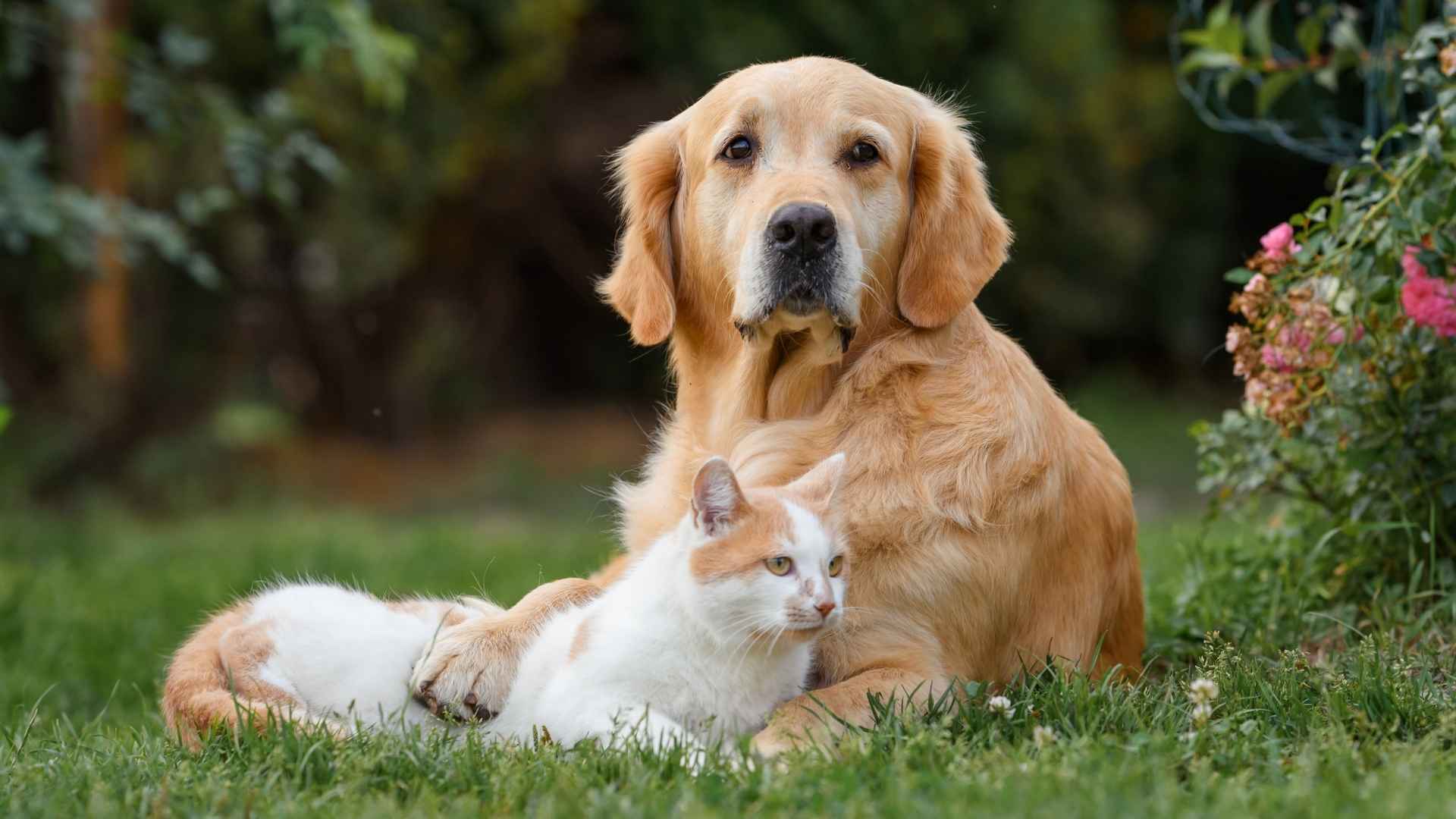
Golden Retriever
Golden Retrievers are famous for their friendly demeanor. They are gentle and patient, traits that make them great with cats. Goldens are also intelligent and easy to train. They quickly learn how to behave around their feline friends. Their playful nature often matches well with a cat’s curiosity.
Labrador Retriever
Labrador Retrievers are known for their loving nature. They are social and get along well with other animals, including cats. Labs are also highly adaptable and can adjust to living with a cat. They enjoy companionship, which makes them a good match for a household with cats. Their calm temperament ensures peaceful coexistence.
Newfoundland
Newfoundlands are gentle giants. They are known for their sweet and patient nature. Their calm demeanor makes them ideal companions for cats. Despite their size, Newfoundlands are gentle and protective. They often show a nurturing side, providing a sense of security to cats. Their patience makes them tolerant of a cat’s antics.
Training Tips For Introducing Dogs To Cats
Introducing a new dog to your cat can be a delicate process that requires patience and careful planning. Training both pets to coexist peacefully takes time, but the right approach can make the transition smoother for everyone involved. Your goal is to create positive experiences and reduce stress for both animals.
Initial Introduction Strategies
Start by letting your dog and cat get used to each other’s scent without direct contact. Swap bedding or use a cloth to gently rub each animal, then place it near the other. This helps them recognize each other as part of their environment without feeling threatened.
Choose a neutral space for the first face-to-face meeting to avoid territorial behavior. Keep your dog on a leash and allow your cat to approach at their own pace. Watch their body language closely—if either seems stressed, separate them and try again later.
Supervised Interactions
Always supervise interactions until you are confident both pets feel safe and comfortable. Short, frequent sessions work better than long encounters. This prevents overwhelming your cat or exciting your dog too much.
Have treats ready to reward calm behavior during these meetings. If your dog shows too much excitement or your cat hides, gently redirect their attention without forcing interaction. Gradually increase the time they spend together under your watchful eye.
Positive Reinforcement
Reward your dog and cat for calm and gentle behavior around each other. Use treats, praise, or petting to reinforce good interactions. This helps them associate each other’s presence with positive outcomes.
Consistency is key. Make sure everyone in your household uses the same commands and rewards to avoid confusing your pets. Have you noticed how your dog responds differently to varied tones? Keep your voice calm and encouraging.
Managing Behavior
Set clear boundaries to prevent unwanted behavior like chasing or swatting. Use baby gates or crates to give each pet safe spaces where they can retreat. These areas help reduce stress and provide control over interactions.
Redirect unwanted behavior immediately but calmly. For example, if your dog lunges toward the cat, use a firm “No” and guide them away. Avoid punishment, as it can increase anxiety and harm your training progress.
Signs Of A Healthy Dog-cat Relationship
Recognizing the signs of a healthy dog-cat relationship helps you ensure both pets feel safe and happy together. Positive interactions create a peaceful home and reduce stress for everyone. Understanding these signs lets you support and encourage a bond that lasts.
Body Language To Watch
Look for relaxed postures in both your dog and cat. A wagging tail that’s loose, soft eyes, and ears in a neutral position from your dog usually indicate comfort. Cats showing gentle blinking or a relaxed tail, rather than puffed-up fur or flattened ears, signal they feel safe.
Notice if either pet leans into each other or rests nearby without tension. If your dog lowers its body or offers a playful bow, it’s a good sign of friendliness. Watch for any stiff movements or growling, which mean it’s time to intervene.
Play Behavior
Healthy play between dogs and cats is balanced and respectful. Your dog might gently paw or nudge the cat, while the cat may chase or pounce lightly without claws out. Both should take turns initiating play and know when to pause.
Have you seen your cat invite your dog to play by flicking its tail or running away playfully? That’s a clear sign they enjoy each other’s company. Watch for signs of overstimulation, like excessive barking or swatting, which can turn play into conflict.
Avoiding Conflict
A peaceful dog-cat relationship often means they choose to avoid tension naturally. They might share the same space but keep a respectful distance when needed. Your dog should not chase or corner the cat, and the cat should have easy escape routes.
Observe if your pets use calming signals like sniffing away, looking away, or gentle yawns to prevent fights. These small behaviors show they want to keep the peace. If conflicts arise, give them time apart and watch how they re-engage to learn what works best for your pets.
When Dogs And Cats May Not Get Along
Even the most well-intentioned introductions between dogs and cats don’t always lead to friendship. Sometimes, despite your best efforts, the two just don’t click. Understanding why this happens can help you manage expectations and create a safer, more peaceful home for both pets.
Breed-specific Challenges
Certain dog breeds have strong prey drives or high energy levels that can overwhelm cats. For example, terriers and hounds are bred to chase small animals, which might trigger aggressive instincts toward your cat.
On the other hand, some breeds like Golden Retrievers or Cavalier King Charles Spaniels tend to be more laid-back and gentle, making them better suited to living with cats. Knowing the typical traits of your dog’s breed can guide you in predicting potential conflicts.
Individual Personality Clashes
Even dogs and cats of the “right” breeds can clash if their personalities don’t match. A shy cat may feel threatened by a boisterous dog, while a dominant cat might intimidate a timid dog.
When I introduced my energetic Labrador to a reserved Persian cat, the initial weeks were tense. Over time, they found a balance, but it took patience and careful observation to avoid flare-ups.
Ask yourself: Does your dog respect boundaries? Does your cat tolerate new company? These questions help you gauge how well they might get along.
Environmental Factors
The space where your pets live plays a big role in their relationship. Crowded or noisy environments can increase stress and lead to aggression or avoidance behaviors.
Providing separate safe zones, like cat trees or dog crates, allows each pet to retreat when needed. This simple change can prevent many conflicts before they start.
Think about your home layout. Is there enough space for your dog and cat to coexist comfortably without constant encounters? If not, rearranging or adding barriers might make a big difference.

Credit: tryfurgo.com
Frequently Asked Questions
What Dog Breeds Get Along Best With Cats?
Breeds like Golden Retrievers, Beagles, and Basset Hounds usually coexist well with cats. They have gentle and friendly temperaments, making introductions smoother.
Are Small Or Large Dogs Better With Cats?
Small to medium-sized dogs often adapt better to living with cats. Their size and playful nature cause less intimidation for cats, fostering peaceful interactions.
How To Introduce Dogs To Cats Safely?
Introduce them slowly in a controlled environment. Use leashes and supervise initial meetings to prevent aggressive behavior and build trust gradually.
Can Any Dog Breed Be Trained To Live With Cats?
Yes, with proper training and socialization, most dog breeds can learn to live peacefully with cats. Patience and consistency are key.
Conclusion
Choosing the right dog breed can help pets live happily together. Some dogs are calm and gentle, making them good friends for cats. Patience and training also matter a lot. Every pet has its own personality, so watch their behavior closely.
A peaceful home is possible with the right dog and cat pair. Remember, kindness and care build strong bonds between pets. This makes life better for everyone in the house.



Leave a Reply