Have you ever wished your cat would greet you at the door or come when called, just like a loyal dog? If you think cats can’t be playful, affectionate, or obedient like dogs, think again.
Some cat breeds have surprising dog-like traits that will change the way you see your feline friends. Curious to find out which cats can fetch, follow you around, or even enjoy a good walk on a leash? Keep reading to discover the most charming cat breeds that act just like dogs—and why they might be the perfect pet for you.
Cat Breeds With Dog-like Traits
Cats can surprise you with their dog-like behaviors. Some breeds naturally act more like canine companions than typical aloof cats. If you want a feline friend who follows you around, plays fetch, or even greets guests at the door, certain breeds stand out.
Siberian Cats
Siberians are known for their affectionate and playful nature. They often follow their owners around the house and enjoy interactive games. Their loyalty and eagerness to please can make them feel like a small, furry dog.
Maine Coon
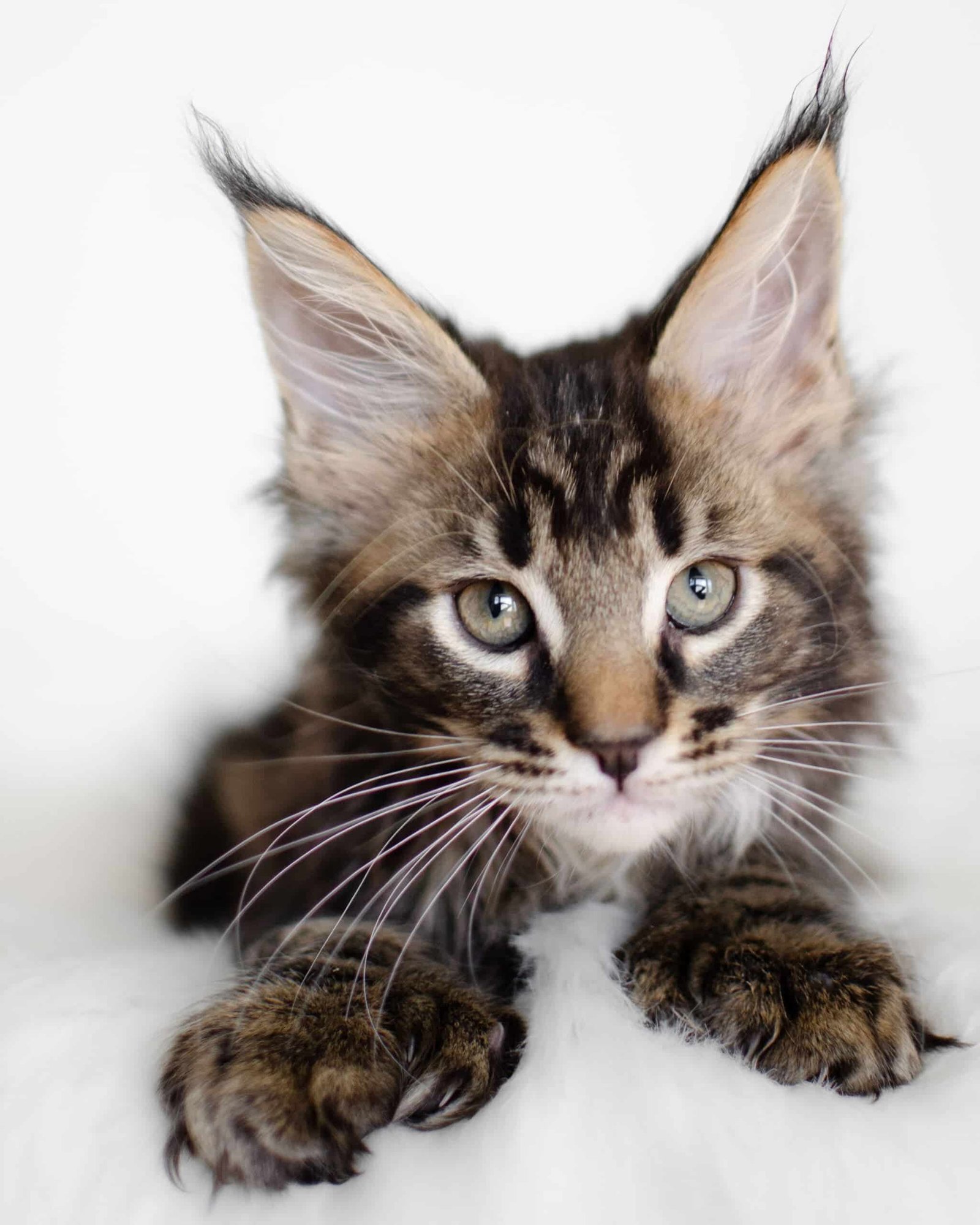
The Maine Coon is large and gentle, with a personality that’s easy to bond with. These cats enjoy being around people and can learn tricks like dogs do. Their curiosity and social behavior often lead them to act like a playful pup.
Burmese Cats
Burmese cats crave human attention and often seek out physical contact. They love to be involved in your daily activities and can develop strong attachments. You might catch yours waiting by the door or following you like a shadow.
Turkish Van
Known as the “swimming cat,” Turkish Vans are active and adventurous. They enjoy water play and are highly energetic. Their outgoing and loyal traits make them more dog-like than most cats.
Devon Rex
Devon Rex cats are playful and love socializing. They often enjoy games that dogs play, such as fetch and tug-of-war. Their eagerness to interact can feel like having a canine companion in a feline body.
- Want a cat that greets you at the door? Consider the Burmese or Maine Coon.
- Looking for a playful buddy? Devon Rex and Siberian cats fit the bill.
- Curious about a water-loving friend? Turkish Vans are unique choices.
Which dog-like trait do you wish your cat had? Recognizing these breeds can help you find a feline friend who matches your lifestyle and personality perfectly.
Why Some Cats Behave Like Dogs
Have you ever noticed a cat greeting you at the door, fetching toys, or even coming when called? Some cats display behaviors we usually associate with dogs, leaving many cat owners curious about why this happens. Understanding these reasons can help you appreciate your feline friend’s unique personality and build a stronger bond.
Genetics And Breed Traits
Certain cat breeds naturally show dog-like behaviors due to their genetics. Breeds like the Maine Coon and Abyssinian are known for their playful and social nature, often seeking human interaction actively.
These cats tend to be more outgoing, enjoy games, and can even learn tricks. If your cat belongs to one of these breeds, their behavior might be wired into their DNA.
Early Socialization And Environment
How a cat is raised plays a huge role in its behavior. Cats exposed to people and other animals from a young age often develop more social and interactive traits.
For example, if you raised your cat around dogs or with lots of human attention, it might mimic those dog-like behaviors naturally. Have you tried engaging your cat with interactive play? This can encourage more of that friendly behavior.
Bonding And Loyalty
Cats can form deep bonds with their owners, sometimes showing loyalty similar to dogs. This attachment can motivate them to follow you around, greet you, and even protect their territory.
When a cat trusts you fully, it may display behaviors like waiting by the door or coming when called. How does your cat show its affection toward you?
Instinct And Curiosity
Curiosity drives many cats to explore their environment actively. This natural instinct sometimes leads to behaviors like fetching or following commands, which resemble dog traits.
Encouraging your cat’s curiosity with toys and puzzles can increase these playful actions. Have you noticed your cat trying to “help” you with tasks around the house?
Popular Cat Breeds That Follow You Around
Have you ever wished your cat would follow you around like a loyal dog? Some cat breeds naturally exhibit dog-like behaviors, making them the perfect companions for those who want the best of both worlds. Let’s dive into some popular cat breeds known for their friendly, follow-you-around nature.
Siberian
The Siberian cat is known for its affectionate and social nature. These cats often form strong bonds with their owners and enjoy following them around the house. If you’re looking for a cat that loves to be involved in your daily activities, a Siberian might just be the perfect fit.
Maine Coon
Maine Coons are one of the largest domesticated cat breeds, and they come with equally large personalities. Known for their gentle demeanor, these cats are often described as being ‘dog-like’ because they love to follow their humans around. Their playful nature and intelligence make them great companions for interactive play.
Ragdoll
Ragdolls are famous for their striking blue eyes and their tendency to go limp when picked up, much like a ragdoll. What makes them even more endearing is their affectionate nature. They enjoy shadowing their owners, seeking out attention and cuddles, which makes them perfect for those who want a cat that acts like a dog.
Abyssinian
Abyssinians are energetic and curious cats that love to explore and engage with their environment. They are known for their loyalty and often follow their owners from room to room. If you enjoy an active lifestyle and want a cat that will keep up with you, the Abyssinian might be your ideal match.
Do you have a cat that behaves like a dog? Or are you considering adopting one of these charming breeds? Share your thoughts and experiences in the comments below!
Credit: www.petsradar.com
Cats That Enjoy Fetch And Play
Cats that enjoy fetch and play often behave more like dogs than typical felines. They love chasing toys and bringing them back to their owners. These playful cats keep active and enjoy interactive games. Their energy and intelligence make playtime exciting for both cat and owner.
Bengal
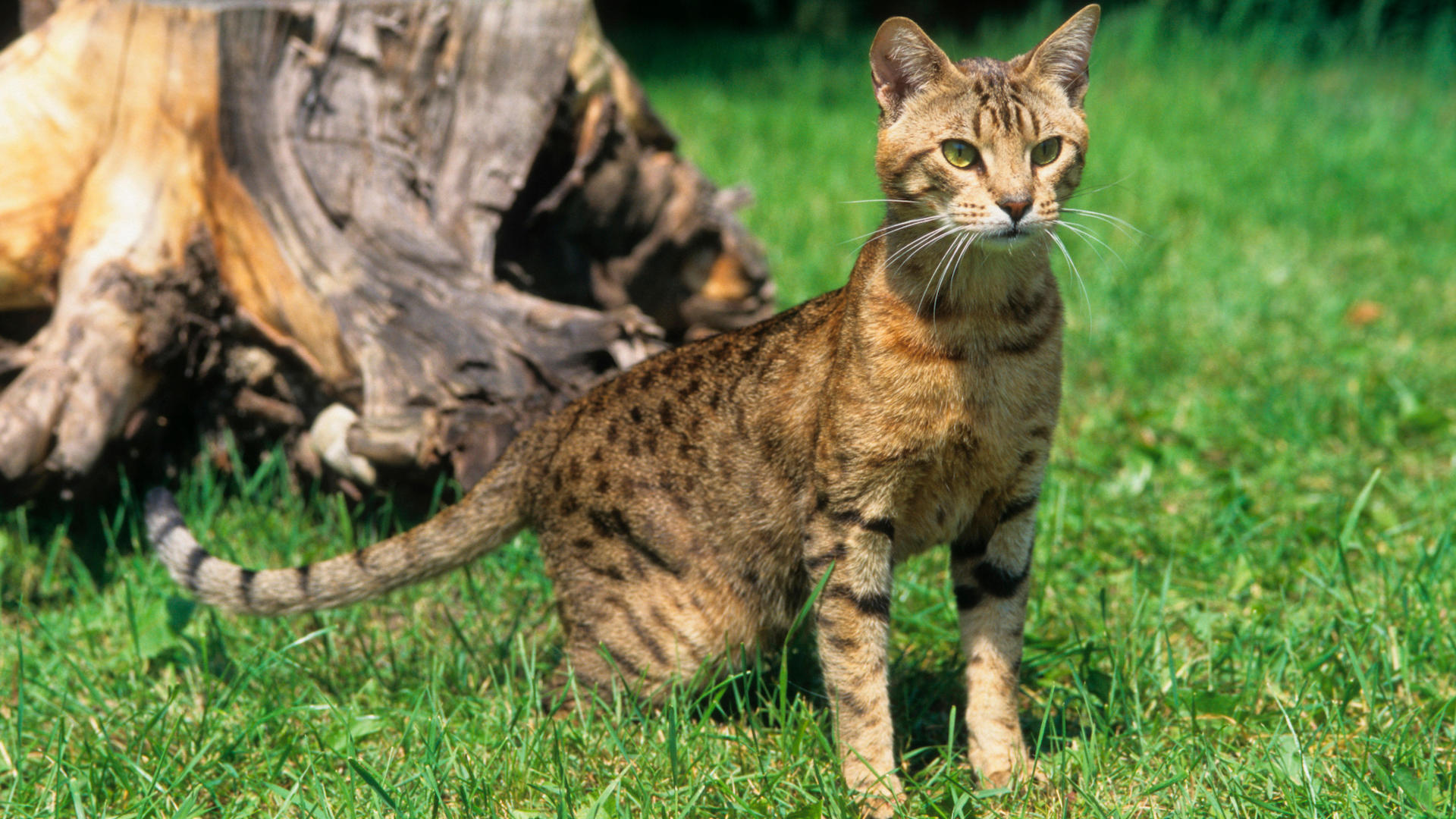
Bengals are energetic and love to play fetch. They have a strong hunting instinct and enjoy chasing small toys. Bengals often bring toys back, eager to continue the game. Their sleek, spotted coat matches their wild, playful nature. They need lots of stimulation to stay happy.
Burmese
Burmese cats are social and love to interact through play. They quickly learn to fetch and return toys. Burmese cats seek attention and enjoy games that involve their owners. Their affectionate nature makes playtime a bonding moment. They stay playful well into adulthood.
Turkish Van
Turkish Vans are known for their love of water and play. They enjoy chasing toys thrown across the room or water. These cats often bring objects back, showing dog-like behavior. Turkish Vans are intelligent and curious, making fetch a fun challenge. They thrive on active, engaging play sessions.
Loyalty And Attachment In Cats
Cats are known for their independent nature, but some breeds show strong loyalty. These cats form deep attachments with their owners. They follow their humans around and seek constant companionship. Their behavior often resembles that of dogs.
Such cats enjoy being near their favorite people. They greet owners at the door and even play fetch. This bond creates a special relationship filled with trust and affection.
Loyalty In Cat Breeds
Certain cat breeds display high loyalty levels. They often stay close to their owners and show protective instincts. These breeds include:
- Siberian Cats
- Maine Coons
- Burmese Cats
- Ragdolls
These cats are known for their devotion and eagerness to please their humans.
Signs Of Attachment In Cats
Attachment in cats shows through many behaviors. Watch for these signs:
- Following you from room to room
- Sleeping close to or on you
- Bringing you toys or gifts
- Responding to your voice or call
- Seeking comfort when you are upset
These actions prove a cat’s strong emotional bond.
How Loyalty Affects Cat Behavior
Loyal cats tend to be more social and interactive. They enjoy playtime and training sessions. These cats often learn tricks and commands easily. Their attachment makes them eager to please and be near you.
This loyalty also means they may get anxious when left alone. They need regular attention and affection to stay happy.
Credit: www.petsradar.com
Training Cats Like Dogs
Training cats like dogs may sound unusual, but it is possible with patience and the right approach. Some cat breeds show dog-like behaviors and respond well to training. Teaching them basic commands helps build communication and trust. It also makes living together more enjoyable for both of you.
Basic Commands
Start with simple commands such as “sit,” “come,” and “stay.” Use clear, short words and repeat them consistently. Cats learn best through repetition and positive experiences. Keep training sessions short, about 5 to 10 minutes, to hold their attention. Use a calm, gentle voice to encourage them. Gradually increase difficulty as your cat understands each command.
Using Treats And Rewards
Treats motivate cats to learn quickly. Choose small, tasty treats your cat loves. Give a treat immediately after they follow a command. This helps them connect the action with the reward. Use praise and petting as extra rewards. Avoid punishment, as it may create fear or confusion. Consistency in rewarding is key to success.
Encouraging Playful Behavior
Play strengthens your bond and encourages learning. Use toys that mimic prey, like feather wands or laser pointers. Engage your cat in interactive play before training sessions to burn energy. Playtime helps reduce stress and makes your cat more responsive. Reward playful behavior with treats or affection. This creates a positive cycle of learning and fun.
Choosing A Cat That Matches Your Lifestyle
Choosing a cat that fits your lifestyle is key to a happy home. Cats that behave like dogs often require more interaction and activity than typical cats. Understanding your daily routine and environment helps you pick a feline friend who complements your life, not complicates it.
Active Households
If your home buzzes with energy and constant movement, you need a cat that thrives in the same environment. Breeds like the Abyssinian or Bengal love to play and explore, matching your pace perfectly.
These cats enjoy interactive toys and games, so be ready to engage with them often. Can you provide enough stimulation to keep them entertained? If yes, they will reward you with loyal, playful companionship.
Families With Children
Children bring joy and noise, so a cat with a tolerant and friendly nature fits best. Ragdolls and Maine Coons are known for their gentle demeanor and patience with kids.
They tolerate being handled and often enjoy participating in family activities. Think about the personalities of your children—are they calm or energetic? Matching the cat’s temperament to your kids’ behavior reduces stress for everyone.
Apartment Living
Limited space means choosing a cat that adapts well to smaller areas and lower activity levels. Breeds like the Scottish Fold and British Shorthair are calm and content with indoor life.
They don’t require much running space but still appreciate daily interaction. Have you arranged cozy spots and vertical spaces like shelves or cat trees? These enrich their environment without needing a backyard.

Credit: www.reddit.com
Frequently Asked Questions
What Cat Breeds Behave Most Like Dogs?
Breeds like the Maine Coon, Bengal, and Siamese often act like dogs. They enjoy playing fetch, following owners, and being loyal companions. These cats are social, energetic, and enjoy interactive play, making them more dog-like in behavior than typical cats.
Why Do Some Cats Act Like Dogs?
Some cats act like dogs due to their breed traits and socialization. Genetics influence their playfulness, loyalty, and trainability. Early interaction with humans also boosts their dog-like behaviors, such as fetching and following owners around.
Can All Cats Be Trained Like Dogs?
Not all cats can be trained like dogs, but some breeds are more receptive. Breeds like Abyssinians and Bengals learn commands quickly. Patience and positive reinforcement are key to training any cat successfully.
Do Dog-like Cats Need More Exercise?
Yes, dog-like cats typically need more exercise to stay healthy. They enjoy active play and mental stimulation. Providing toys and playtime helps manage their energy and prevents boredom.
Conclusion
Cats that act like dogs bring joy and unique friendship. These breeds enjoy playing fetch, following you, and showing loyalty. They fit well with active families or people who want a playful pet. Choosing the right breed means understanding their habits and needs.
Every cat has its own personality, but dog-like cats stand out. They offer a special bond that many pet lovers seek. Consider these breeds if you want a cat with dog-like charm. They can brighten your home with love and fun.

Leave a Reply