
Have you ever noticed a cat with paws that seem almost too big for its body? Those large paws aren’t just cute—they say a lot about the breed and personality of your feline friend.
If you’re curious about which cat breeds come with these impressive paws and what that means for their behavior, you’re in the right place. Keep reading to discover the fascinating world of big-pawed cats and find out if your next feline companion might have paws as big as their charm.
Traits Of Large-pawed Cats
Large-pawed cats stand out with their unique physical traits and behaviors. These paws are not just big for show. They serve practical purposes like better balance and stronger grip. Large paws often signal a cat’s robust build and active lifestyle. Understanding these traits helps in recognizing certain breeds easily.
Physical Features Linked To Paw Size
Big paws often come with other notable physical traits. These include:
- Strong, muscular legs that support their weight
- Thick fur around the paws for protection
- Wide paw pads that help in silent walking
- Long claws suited for climbing and hunting
These features help cats move smoothly over rough terrain. They also enhance their hunting skills and agility.
Role Of Genetics In Paw Dimensions
Genes play a major role in determining paw size. Large-pawed breeds inherit these traits from their ancestors. Breeds like Maine Coon and Norwegian Forest cats have genes for bigger paws. This genetic makeup supports their survival in harsh climates.
Selective breeding also influences paw size. Breeders choose cats with larger paws to maintain this trait. This ensures the breed’s physical characteristics stay consistent over generations.
Maine Coon: The Gentle Giant
The Maine Coon is often called the gentle giant of the cat world, and for good reason. These cats combine impressive size with a calm, friendly nature that makes them a favorite among pet owners. If you’ve ever met a Maine Coon, you know they’re hard to miss—especially because of their large paws.
Paw Size And Adaptations
Maine Coons have paws that are noticeably bigger than most domestic cats. Their large paws help them walk easily on snow and rough terrain, a trait inherited from their origins in the cold climates of North America. The paws are often tufted with fur between the toes, which acts like natural snowshoes and keeps them warm.
Have you ever noticed how your Maine Coon’s paws feel almost like little mittens? This fur not only adds to their charm but also protects their feet from harsh weather. Their claw size and strength also contribute to their excellent climbing and hunting skills.
Temperament And Care
Despite their size, Maine Coons are known for being gentle and social. They often enjoy interacting with family members and other pets, making them excellent companions. Their large paws don’t mean they need extra special care, but regular grooming is important to prevent matting around those furry toes.
Do you find your Maine Coon’s playful nature surprising given their size? These cats are often described as having dog-like personalities, following you around and engaging in interactive play. Providing sturdy toys and enough space to roam will help keep your giant friend happy and healthy.
Norwegian Forest Cat Characteristics
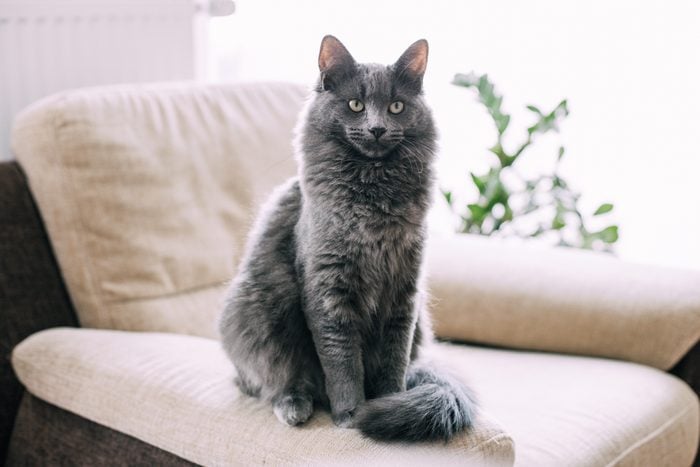
The Norwegian Forest Cat is a majestic feline known for its impressive size and thick coat. This breed hails from the cold forests of Scandinavia. It evolved to survive harsh weather and rough terrain. Large paws are one of its defining features. These paws help the cat move easily on snow and ice. Their body is muscular and agile, built for climbing trees and hunting in the wild.
Paws Built For Harsh Climates
Norwegian Forest Cats have large, strong paws. The paws are covered with fur between the toes. This fur acts like natural snowshoes, giving extra grip on slippery surfaces. Their paws are round and wide, spreading the cat’s weight evenly. This design stops the cat from sinking into soft snow. Sharp claws help them climb trees and catch prey. These paws are a perfect adaptation to cold, rugged environments.
Behavior And Lifestyle
This breed is very active and loves to explore. Norwegian Forest Cats enjoy climbing high places and jumping from branch to branch. They are curious and intelligent, often solving problems on their own. These cats are social but independent. They like spending time outside but also enjoy relaxing indoors. Their strong build and big paws support their adventurous lifestyle.
Credit: www.rd.com
Siberian Cat’s Robust Build
Siberian cats have large paws that support their strong, muscular bodies. These paws help them move easily through snow and rough terrain. Their sturdy build makes them one of the breeds with notably big paws.
The Siberian cat is an embodiment of strength and grace, boasting a robust build that is perfectly adapted to its native Russian environment. With a muscular physique and a dense, water-repellent coat, this feline is not only a survivor of harsh climates but also a cherished companion. One of its most distinctive features is its large paws, which are more than just an aesthetic trait.Large Paws For Snow Navigation
Siberian cats have impressively large paws that serve a practical purpose. These cats are natural snow explorers, and their sizable paws act like snowshoes, distributing their weight more evenly to prevent sinking into the snow. Have you ever wondered how your Siberian cat seems to glide effortlessly over freshly fallen snow? It’s those incredible paws doing the work. These paws are not just wide but also tufted with fur, adding an extra layer of protection against the cold. This unique adaptation showcases how well nature has equipped the Siberian cat for survival in icy terrains. If you’ve ever marveled at your Siberian cat’s graceful winter antics, you now know the secret behind their snow-savvy moves.Personality Traits
Beyond their physical prowess, Siberian cats are known for their charming personalities. They are affectionate, often forming strong bonds with their human companions. Imagine coming home to a cat that greets you with a gentle purr and a nuzzle, eager to spend time with you. Siberians are also incredibly playful, maintaining a kitten-like curiosity even in adulthood. This makes them wonderful companions for families and active households. Their intelligence shines through in their interactions, leaving you wondering if they might just understand every word you say. Are you ready to share your life with a cat that combines physical strength with emotional warmth? The Siberian cat might just be the perfect fit.Ragdoll’s Distinctive Features
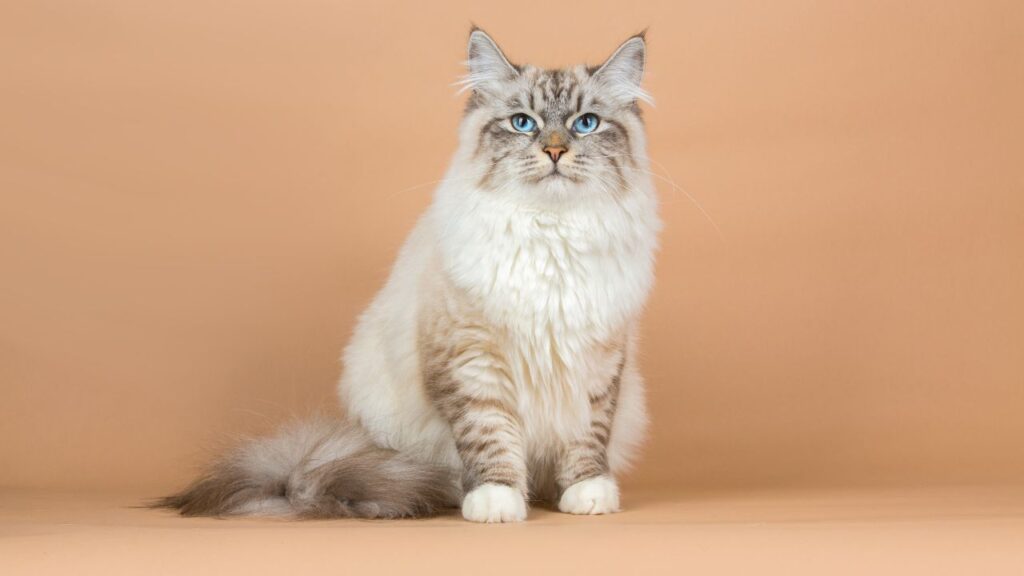
The Ragdoll cat is known for its striking appearance and gentle nature, making it a favorite among cat lovers. One of the most noticeable traits of this breed is its large, soft paws, which add to its overall charm. These paws are not just a physical feature—they play a role in how the Ragdoll interacts with its environment and the people around it.
Paw Size And Softness
Ragdolls have notably large paws compared to other domestic cats. Their paws are broad and rounded, giving them a sturdy yet delicate look. The softness of their paw pads often surprises new owners—they feel almost like velvet to the touch.
These large paws help support their muscular build and add to their graceful movements. Have you ever noticed how a Ragdoll’s steps seem almost silent? Their soft paws contribute to this quiet elegance, making them excellent at moving around without disturbing the peace of your home.
Interaction With Humans
The size and softness of a Ragdoll’s paws enhance their ability to connect with you. They often use their paws gently to tap or hold your hand, showing affection in a very tactile way. This gentle touch reflects their calm and trusting personality.
Owners often share stories about how their Ragdolls “hold” their fingers or softly knead on their laps. These moments feel personal and comforting, making you wonder how something as simple as a paw can deepen the bond between you and your cat.
Have you noticed how your cat uses its paws to communicate? Ragdolls take this to a whole new level with their large, expressive paws that invite interaction and trust.
Credit: worldanimalfoundation.org
Other Notable Large-pawed Breeds
Aside from the well-known giant-pawed breeds like the Maine Coon, several other cats boast impressively large paws. These paws are not just a size feature but often tie closely to their unique abilities and characteristics. If you’re curious about cats with remarkable paws that add to their charm and skills, here are some other notable large-pawed breeds to consider.
Bengal Cat’s Athleticism
The Bengal cat stands out with its striking spotted coat and muscular build. Their large paws support their agility and power, making them exceptional jumpers and climbers. If you’ve seen a Bengal in action, you know they move with the grace of a wild cat but the loyalty of a pet.
Large paws in Bengals help distribute their weight evenly, giving them excellent balance. This trait is perfect if you want a cat that enjoys interactive play and exploring vertical spaces. Have you noticed how a Bengal’s paws almost seem ready for a sprint or a leap at any moment?
Savannah Cat’s Exotic Appeal
Savannah cats are a blend of domestic cats and the wild African serval, which explains their exotic looks and large paws. Their paws contribute to their impressive height and long legs, making them one of the tallest domestic cats. These paws help them move quietly and swiftly, traits inherited from their wild ancestry.
Owning a Savannah means having a cat that’s not just big-pawed but also highly energetic and intelligent. Their paws are a reminder of their wild roots, often leading them to exhibit behaviors uncommon in typical house cats. Could your home handle the curiosity and energy that come with such a unique breed?
Caring For Cats With Large Paws
Caring for cats with large paws involves a few special considerations to keep them happy and healthy. Their bigger feet can mean unique grooming and health needs that you might not notice right away. Paying attention to these details helps your feline friend stay comfortable and active.
Grooming Tips
Large paws often come with extra fur between the toes. This fur can trap dirt, debris, and moisture, leading to discomfort or infections. Regularly check and gently trim the fur around their paws to prevent matting and keep them clean.
Clipping their nails is also crucial. Bigger paws usually mean stronger nails that can cause damage if left too long. Use a sharp, cat-specific nail clipper and be careful not to cut too close to the quick.
Bathing your cat occasionally can help maintain overall paw cleanliness, but avoid over-bathing as it may dry out their skin. Have you noticed if your cat seems to lick their paws more than usual? That could signal irritation or an allergy.
Health Considerations
Large paws sometimes indicate a larger bone structure, which can put extra strain on joints and muscles. Watch for signs of limping or stiffness, especially as your cat ages. Early detection of joint issues can make a big difference in managing their comfort.
Some breeds with large paws, like Maine Coons, are prone to hip dysplasia and other orthopedic problems. Scheduling regular vet check-ups will help catch these issues early. Ask your vet about supplements or diet changes that support joint health.
Also, pay attention to their weight. Extra pounds add stress to their paws and joints, increasing the risk of arthritis. How often do you weigh your cat or assess their body condition? Keeping them fit supports healthy paws and overall mobility.

Credit: en.wikipedia.org
Frequently Asked Questions
What Cat Breeds Naturally Have Large Paws?
Maine Coons, Norwegian Forest Cats, and Siberians are known for naturally large paws. These breeds have big, tufted paws to help navigate snow and rough terrain efficiently.
Why Do Some Cats Have Bigger Paws Than Others?
Cats with large paws often descend from cold climates. Bigger paws provide better balance, traction, and help spread weight on soft surfaces like snow.
Are Large Paws Linked To Bigger Cat Size?
Yes, larger paws usually indicate a bigger overall body size. Breeds like Maine Coons and Norwegian Forest Cats are both large cats with proportionally big paws.
Do Large Paws Affect A Cat’s Agility?
Large paws can enhance a cat’s ability to grip surfaces and balance. This can improve agility, especially in breeds adapted to climbing or snowy environments.
Conclusion
Large paws are a unique trait in some cat breeds. They help cats balance and move quietly. Breeds like Maine Coons and Norwegian Forest Cats often have big paws. These paws add to their charm and strength. Knowing about these breeds helps you appreciate their special features.
Each cat is different, but big paws stand out. They show a cat’s history and nature. Cats with large paws often grow into strong, gentle pets. Choose a breed that fits your lifestyle and enjoy their unique traits.



Leave a Reply