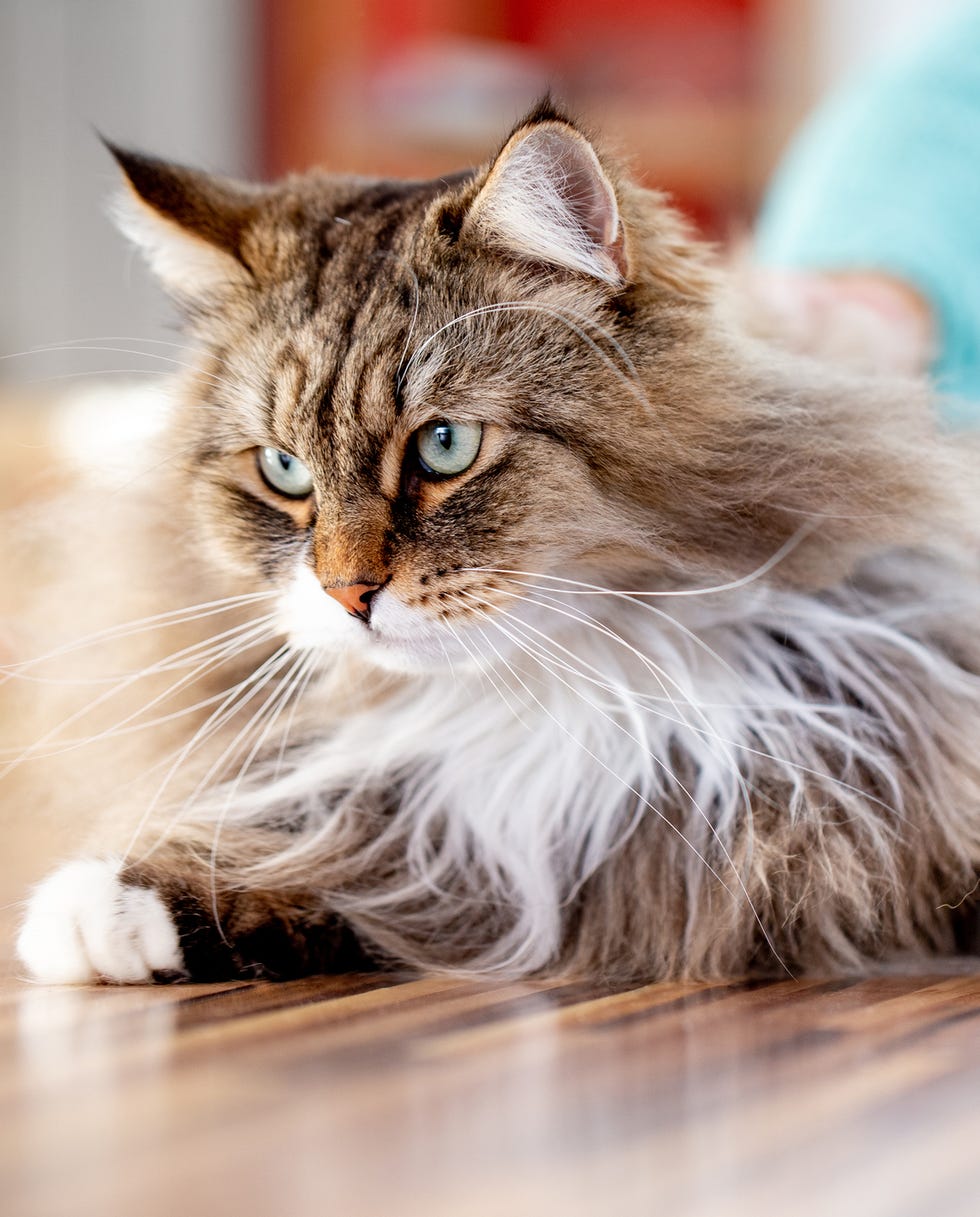
Are you dreaming of having a furry friend but worried about allergies? You’re not alone.
Many cat lovers hold back because they fear sneezing, itchy eyes, or worse. But what if you could enjoy the warmth and companionship of a cat without the allergy flare-ups? You’ll discover which cat breeds are known to be non-allergenic, so you can find the perfect pet that fits your lifestyle and keeps your home comfortable.
Keep reading, because your ideal, allergy-friendly cat might be closer than you think.

Credit: www.thepioneerwoman.com
Causes Of Cat Allergies
Cat allergies occur because the immune system reacts to certain proteins cats produce. These proteins are called allergens. They can trigger symptoms in sensitive people. Understanding where allergens come from helps in finding cat breeds that cause fewer allergic reactions.
Allergens In Cat Saliva And Skin
Cats produce allergens mainly in their saliva and skin. When cats groom themselves, saliva dries on their fur and skin. Tiny flakes of skin, called dander, carry these allergens into the air. These particles are very light and can float around the home easily. People breathe them in and often develop allergic reactions.
Common Allergy Symptoms
Symptoms of cat allergies vary from mild to severe. Common signs include:
- Sneezing and runny nose
- Itchy, red, or watery eyes
- Coughing and wheezing
- Skin rashes or hives
- Difficulty breathing in severe cases
Recognizing these symptoms early helps manage exposure and reduce discomfort.

Credit: www.thepioneerwoman.com
Traits Of Hypoallergenic Cats
Understanding the traits of hypoallergenic cats helps you make a smarter choice if you’re sensitive to allergens but still want a feline companion. These cats don’t completely eliminate allergy risks, but they do reduce common triggers. Knowing what makes them different can guide you to a breed that fits your lifestyle and health needs.
Reduced Allergen Production
Hypoallergenic cats produce fewer allergens, especially the protein Fel d 1, which is the main cause of allergic reactions in humans. Some breeds naturally secrete less of this protein in their saliva and skin oils.
For example, the Siberian cat is known to have much lower Fel d 1 levels compared to other breeds. This means less allergen spread when they groom themselves. You might find that your sneezing and itching reduce significantly around such cats.
Do you wonder if you could live comfortably with a cat despite allergies? Choosing a breed with reduced allergen production is a practical step toward answering that question.
Coat Types And Shedding
The type of fur a cat has can influence allergen exposure. Cats with short or tightly curled coats tend to shed less dander, which carries allergens. Less shedding means fewer allergens floating in your home.
Take the Balinese cat, often called the “long-haired Siamese.” Despite their longer fur, they shed less and produce fewer allergens. Similarly, the Cornish Rex has a soft, wavy coat that traps dander close to the skin.
Think about your cleaning routine. Would a low-shedding cat help you maintain a fresher environment with less frequent vacuuming and dusting? Picking a cat with the right coat type can make a noticeable difference in your daily comfort.
Top Hypoallergenic Cat Breeds
Some cat breeds produce fewer allergens, making them better for sensitive individuals. These hypoallergenic cats shed less dander, which causes allergic reactions. Choosing the right breed can reduce sneezing, itching, and watery eyes.
Here are some of the top hypoallergenic cat breeds known for their allergy-friendly qualities.
Siberian Cats
Siberian cats have a thick, water-resistant coat. They produce less of the Fel d 1 protein that triggers allergies. Their friendly nature makes them great family pets.
Balinese Cats
Balinese cats have long, silky fur but shed little dander. Their lower Fel d 1 protein levels help reduce allergic reactions. They are playful and affectionate companions.
Russian Blue Cats
Russian Blues have a short, dense coat that traps allergens. Their fur produces less Fel d 1 protein. These cats are quiet and gentle, ideal for calm homes.
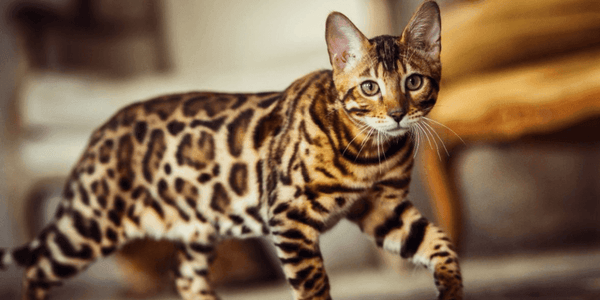
Bengal Cats
Bengals have a short, pelt-like coat that sheds minimally. Their active and intelligent nature suits busy households. They cause fewer allergy problems than many other breeds.
Devon Rex Cats
Devon Rex cats have curly, soft fur that sheds very little. Their unique coat lowers the spread of allergens. They are social and love human interaction.
Cornish Rex Cats
Cornish Rex cats sport a fine, wavy coat with minimal shedding. They produce less of the allergy-causing proteins. Their playful spirit brightens any home.
Sphynx Cats
Sphynx cats lack a full fur coat, so they shed almost no dander. Regular baths help control skin oils that carry allergens. These cats are affectionate and enjoy attention.
Choosing The Right Hypoallergenic Cat
Choosing the right hypoallergenic cat is important for a happy home. Cats that cause fewer allergy problems come in many breeds. Each breed has its own personality and care needs. Picking a cat that fits your life helps you enjoy your pet without stress.
Matching Personality And Lifestyle
Every cat has a unique personality. Some cats love to play and be active. Others prefer quiet and calm time. Think about your daily routine and home space.
- Active cats need more play and exercise.
- Calm cats enjoy sitting and cuddling.
- Some cats like to be alone, while others want company.
Choose a cat that matches your energy and time for care. This helps build a strong bond with your pet.
Health Considerations
Hypoallergenic cats can still have health needs. Some breeds are prone to specific health issues. Learn about common problems in your chosen breed.
- Regular vet visits keep your cat healthy.
- Proper diet supports your cat’s well-being.
- Allergy-friendly cats still need grooming to reduce allergens.
Knowing health needs helps you prepare and care better. This keeps your cat happy and lowers allergy risks at home.
Managing Allergies Around Cats
Managing allergies while living with cats is possible with some strategies. Allergens from cats are mostly found in their saliva, skin, and dander. Although no cat is truly non-allergenic, some breeds produce fewer allergens. For those sensitive to cat allergens, managing the environment can help significantly. Here are some effective ways to reduce allergens in your home.
Cleaning Tips To Reduce Allergens
Regular cleaning is essential to minimize allergens. Vacuum carpets and furniture weekly using a vacuum with a HEPA filter. Wash cat bedding and toys frequently in hot water to kill allergens. Dust surfaces with a damp cloth to trap particles instead of spreading them.
- Use hypoallergenic cleaning products.
- Keep your home clutter-free to reduce dust accumulation.
- Consider removing carpets and opting for hard flooring.
Using Air Filters And Grooming
Air filters can help capture airborne allergens. Invest in a high-quality air purifier with a HEPA filter for the best results. Place air purifiers in commonly used rooms.
Grooming your cat regularly reduces shedding and dander. Brush your cat outdoors to prevent allergens from spreading indoors. Use grooming wipes to remove dander from your cat’s fur.
- Wash hands after petting or grooming your cat.
- Consider bathing your cat monthly with vet-approved shampoo.

Credit: shamelesspets.com
Frequently Asked Questions
What Are The Most Popular Non-allergenic Cat Breeds?
Popular non-allergenic cat breeds include the Siberian, Balinese, and Sphynx. These breeds produce fewer allergenic proteins, making them suitable for allergy sufferers. They are known for their friendly nature and unique appearances, providing great companionship with minimal allergic reactions.
How Do Non-allergenic Cats Reduce Allergic Reactions?
Non-allergenic cats produce less Fel d 1 protein, the main allergen in cats. Their saliva and skin oils contain fewer allergens, which reduces airborne particles. This lowers the chance of triggering allergies, making these breeds better for sensitive individuals.
Are Hairless Cats Truly Hypoallergenic?
Hairless cats like the Sphynx have less fur to trap allergens. However, they still produce some allergens through their skin and saliva. While they reduce allergen spread, they are not completely hypoallergenic but often better tolerated by allergy sufferers.
Can Non-allergenic Cats Live Happily Indoors?
Yes, non-allergenic cats adapt well to indoor living. They require regular grooming and environmental enrichment to stay healthy. Indoor living helps control allergens and keeps the cats safe and comfortable, improving their well-being and your allergy management.
Conclusion
Non-allergenic cat breeds offer a great option for allergy sufferers. These cats produce fewer allergens but still bring joy and companionship. Choosing the right breed helps reduce allergic reactions at home. Remember, no cat is 100% allergen-free, but some breeds cause less trouble.
Research and spend time with cats before deciding. Enjoy the love and comfort a cat can give without constant sneezing. Finding a suitable breed can make pet ownership easier and happier for everyone.

Leave a Reply