Have you ever wondered why your cat seems most active when the sun goes down? You’re not alone.
Some cat breeds naturally have nocturnal habits, making their nighttime energy feel like a mystery. Understanding which breeds are more active at night can help you connect better with your furry friend and create a home that suits their unique rhythm.
Keep reading to discover the most nocturnal cat breeds and learn how their nighttime nature might change the way you care for them. Your cat’s secret night life is about to be revealed!
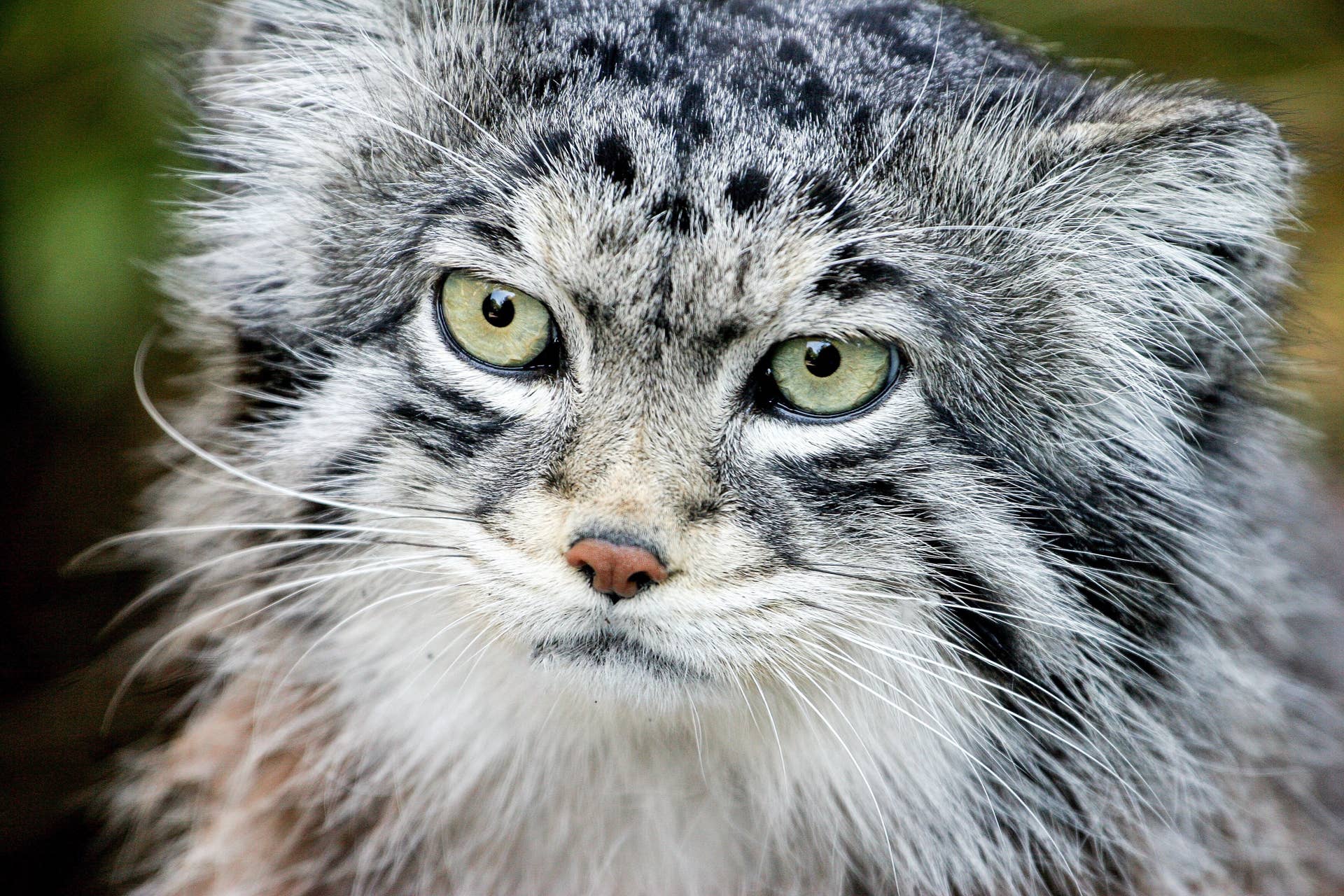
Credit: owlcation.com
Traits Of Nocturnal Cats
Nocturnal cats have unique traits that set them apart from their daytime counterparts. These traits help them thrive in low-light conditions and make the most out of the night. Understanding these characteristics can help you connect better with your nocturnal feline friend and cater to their specific needs.
Night Vision And Senses
Nocturnal cats have exceptional night vision thanks to a special layer behind their retinas called the tapetum lucidum. This layer reflects light back through the retina, allowing them to see clearly in near-darkness. You might notice your cat’s eyes glowing in the dark—that’s this feature in action.
Besides vision, their hearing and sense of smell are finely tuned for nighttime activity. They can detect the faintest rustle or scent, giving them an edge when navigating or hunting in the dark.
Behavior Patterns
These cats often show bursts of energy during the twilight hours—dawn and dusk—known as crepuscular behavior. If your cat suddenly becomes playful or restless at odd hours, it’s likely their natural rhythm kicking in.
They might prefer quiet and solitude during the day, choosing to rest in hidden spots. Recognizing this can help you respect their space and avoid unnecessary stress.
Hunting Instincts
Hunting is deeply embedded in nocturnal cats’ behavior. Their sharp senses and stealth help them stalk and catch prey under the cover of darkness. Even indoor cats display this instinct through play that mimics hunting, like pouncing on toys or shadows.
Have you noticed your cat’s sudden darting or stalking movements during the night? This isn’t just play—it’s their natural hunting drive. Providing interactive toys that simulate prey can keep your cat mentally and physically satisfied.
Top Nocturnal Cat Breeds
Nocturnal cats are active during the night and rest during the day. These breeds show strong night hunting and exploring instincts. Their eyes adapt well to low light, making them perfect night companions. Here are some popular nocturnal cat breeds known for their night activity and unique traits.
Bengal Cats
Bengals have a wild look and are very energetic. They love to explore at night and play in low light. Their sharp senses help them hunt small toys or insects indoors. Bengals need lots of stimulation to stay happy.
Sphynx Cats
Sphynx cats are hairless and curious by nature. They often become more active at night to interact with their owners. Their warm skin makes them enjoy cozy spots during the day. They seek attention and love playing after dark.
Oriental Shorthair
Oriental Shorthairs are vocal and social cats. They can be very lively at night, calling for attention or playing. Their slender bodies are agile and perfect for quick movements in dim light. They bond strongly with their human families.
Maine Coon
Maine Coons are large and gentle cats. They have excellent night vision and enjoy prowling quietly. Their thick fur keeps them warm during cool nights. Maine Coons are also playful after sunset and love interactive games.
Siberian Cats
Siberian cats come from cold climates and have a dense coat. They stay active at night to explore and hunt. Their strong build helps them move silently in the dark. Siberians are affectionate and enjoy nighttime cuddles.
How Nocturnal Cats Hunt
Certain cat breeds like Siamese and Bengal are naturally more active at night. Their sharp senses and quiet movements help them hunt effectively in the dark. Nocturnal cats rely on keen eyesight and strong hearing to catch prey during nighttime hours.
Cats are natural hunters, especially nocturnal ones. These cats have evolved skills for nighttime hunting. Their instincts are finely tuned for the dark. Let’s explore how these cats hunt at night.Stealth And Agility
Nocturnal cats move with incredible stealth. Their soft paws make no sound on the ground. This quiet approach helps them get close to their prey. They are agile and can change direction quickly. This agility allows them to navigate through obstacles with ease.Prey Detection
Nocturnal cats have excellent night vision. Their eyes can detect even the faintest movements. They rely on their keen hearing to locate prey. Even the slightest rustle can alert them to a nearby target. Their whiskers also help sense vibrations in the air.Hunting Techniques
These cats use different techniques to catch prey. Some stalk their prey slowly before pouncing. Others may wait patiently in hiding spots. Once the prey is close, they spring into action. A quick leap or swipe ensures a successful hunt. Their sharp claws and teeth do the rest.
Credit: felinefancy.co.uk
Adapting To Nighttime Activity
Cats that are active at night have unique habits. Their bodies and minds adjust to the dark hours. This helps them hunt, explore, and play when most are asleep. Understanding these habits helps owners live well with nocturnal cats.
Feeding Schedules
Nocturnal cats often prefer eating late or during the night. Feeding them just once a day can cause hunger at odd times. Splitting meals into smaller, frequent servings keeps them satisfied. It also matches their natural hunting pattern.
Try feeding your cat:
- Right before your bedtime
- During the night if they wake you up
- Early morning before you start your day
This routine helps reduce night-time noise and activity.
Interaction With Owners
Nocturnal cats want play and attention when they are awake. Owners can offer short, lively play sessions at night. Toys that mimic prey, like feather wands, work well. This helps cats burn energy and stay happy.
Quiet interaction is important to avoid waking the whole house. Gentle petting and soft talking create calm moments. Respecting their night activity builds trust and a strong bond.
Creating A Night-friendly Environment
Setting up a safe and cozy space helps nocturnal cats feel secure. Soft lighting with low watt bulbs or night lights works best. Avoid harsh, bright lights that may scare or confuse them.
Provide comfy beds in quiet corners for rest. Puzzle feeders and safe toys keep them busy quietly. Blocking off areas that are unsafe at night protects your pet and your home.
Caring For Nocturnal Cats
Caring for nocturnal cats requires understanding their natural habits. These cats are most active at night and rest during the day. Owners must adjust their routines to match their pets’ unique schedules. Proper care ensures these cats stay healthy and happy.
Managing Sleep Cycles
Nocturnal cats sleep a lot during daylight hours. Create a quiet, dark space for their daytime rest. Avoid loud noises that might disturb their sleep. Allow them to wake and play naturally at night. This respect for their cycle reduces stress and improves well-being.
Health Considerations
Nocturnal cats need regular vet check-ups to monitor health. Watch for signs of fatigue or unusual behavior. Feeding schedules should match their active periods to support metabolism. Keep fresh water available at all times. Maintain clean litter boxes to prevent infections.
Enrichment And Play
Nighttime is prime playtime for nocturnal cats. Provide toys that simulate hunting, such as feather wands or laser pointers. Use puzzle feeders to challenge their minds. Rotate toys to keep their interest alive. Engage in interactive play to strengthen your bond.
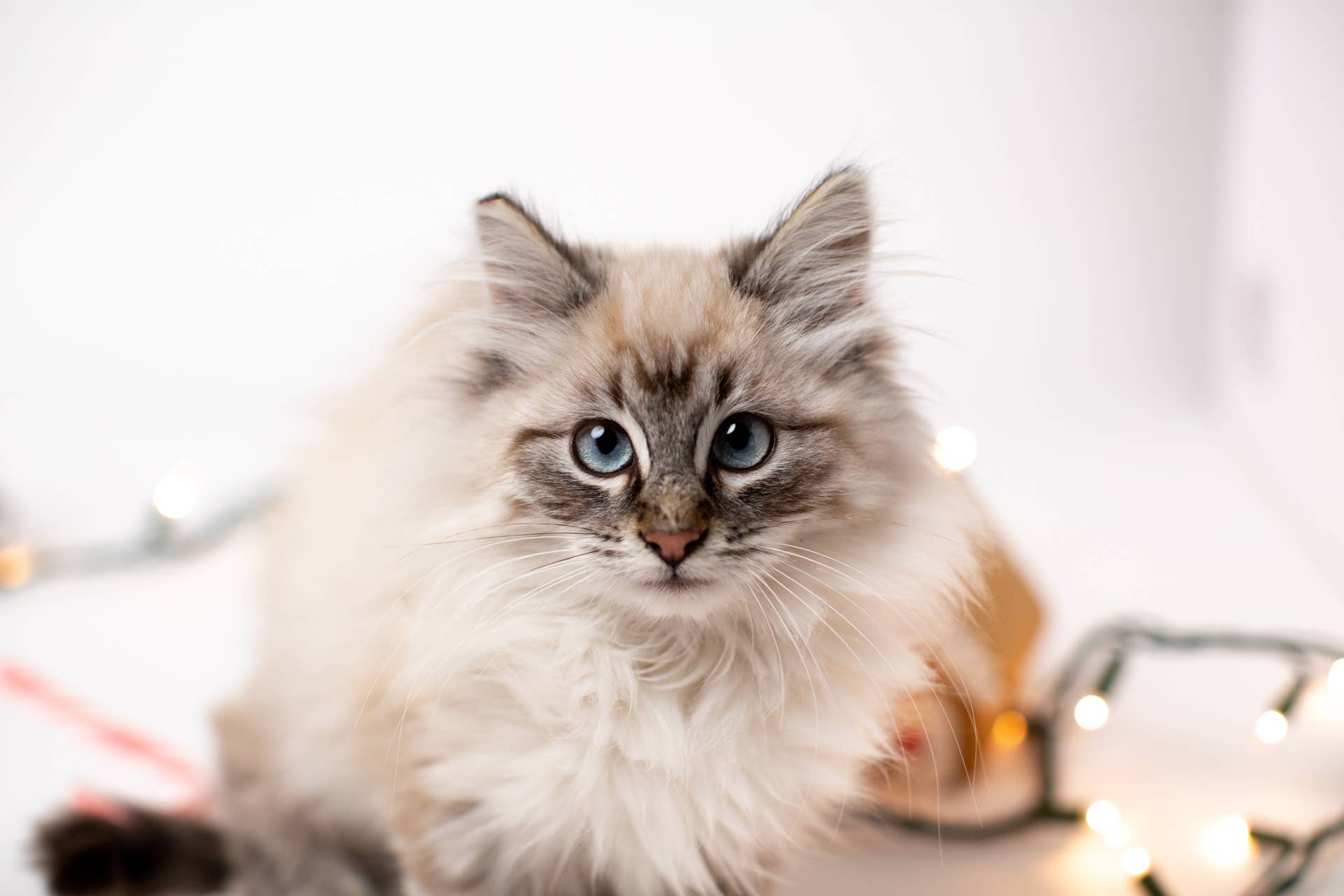
Credit: pethelpful.com
Frequently Asked Questions
Which Cat Breeds Are Known To Be Nocturnal?
Breeds like Siamese, Bengal, and Burmese are often nocturnal. They display high activity levels during the night. These breeds hunt and play more after dark. Their keen night vision supports nocturnal behavior. Understanding these breeds helps owners adapt to their schedules.
Why Are Some Cat Breeds More Active At Night?
Nocturnal activity in cats stems from their hunting instincts. Cats evolved to hunt small prey in low light. Certain breeds inherit stronger night activity traits. Their eyes have more rod cells for night vision. This behavior is natural and varies by breed.
How Do Nocturnal Cats Affect Human Sleep Patterns?
Nocturnal cats may disrupt owner sleep with nighttime activity. They often vocalize, play, or demand attention at night. Owners can manage this with play sessions before bedtime. Providing toys and stimulation helps reduce night disruptions. Understanding this helps improve pet-owner harmony.
Can Nocturnal Habits Be Changed In Cats?
Yes, nocturnal habits can be modified with patience. Adjust feeding and playtimes to daytime hours. Increase daytime activity to tire cats out. Avoid rewarding night-time attention-seeking behaviors. Consistency helps shift their active periods gradually.
Conclusion
Nocturnal cat breeds show unique night-time habits. They enjoy exploring and playing when it’s dark. Knowing these breeds helps you understand your cat’s behavior. Each breed has its own special traits. Some cats prefer quiet nights, while others stay active.
Watching them at night reveals their true nature. Choose a breed that fits your lifestyle well. Night-loving cats bring a different kind of joy. Their energy and curiosity make nights lively. Embrace the quiet moments and playful nights together.


Leave a Reply