Are you curious about which cat breeds take the lead when it comes to breeding? Understanding dominant cat breeds can help you make smarter choices if you’re thinking about raising kittens or simply want to know more about your feline friends.
This knowledge can also reveal fascinating insights about how traits like appearance, personality, and health pass from one generation to the next. Keep reading to discover the dominant cat breeds that shape the future of feline families—and why this matters for you and your cats.
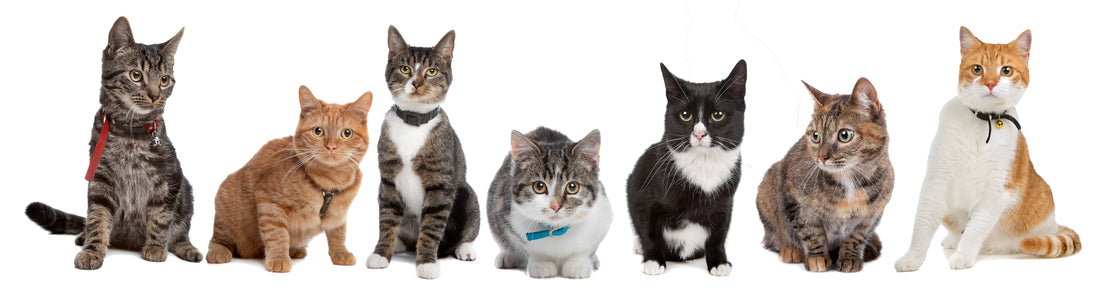
Credit: meowfia.us
Dominant Traits In Cat Breeding
Understanding dominant traits in cat breeding helps you predict what characteristics your kittens might inherit. These traits control visible features like fur color, pattern, and even behavior. Knowing which traits are dominant lets you make smarter breeding choices.
Genetics Behind Dominance
Dominant traits come from genes that overpower others during inheritance. Each cat has pairs of genes, and if one is dominant, it will show in the kitten’s appearance or behavior. For example, the gene for tabby stripes is often dominant over solid colors.
Not all dominant traits are obvious. Some influence personality or health, like the dominant gene for polydactyly, which causes extra toes. Understanding these genes helps you avoid unwanted traits and select for the qualities you want.
How Dominant Traits Influence Offspring
When breeding, dominant traits usually appear in the first generation of kittens. If one parent carries a dominant gene, many kittens will show that trait. This predictability can help you plan for specific looks or behaviors.
However, dominant does not always mean better. Sometimes dominant traits can come with health risks or undesirable features. It’s important to weigh the advantages and potential problems before selecting a dominant trait to breed for.
- Dominant coat colors like black or orange often appear more frequently in litters.
- Dominant behavioral traits such as sociability or aggression can shape a kitten’s personality early on.
- Understanding which traits are dominant helps avoid surprises in kitten development.
Have you noticed certain traits always appearing in your cat’s kittens? That’s dominance at work. Paying attention to these patterns can improve your breeding outcomes and help you raise healthier, happier cats.
Top Dominant Cat Breeds
When breeding cats, some breeds naturally show more dominant traits. These dominant breeds often pass on strong characteristics like personality, size, and coat patterns to their offspring. Understanding which breeds tend to dominate can help you predict traits in kittens and make better breeding decisions.
Siamese Cats
Siamese cats are known for their vocal and assertive nature. Their strong personality often influences the behavior of mixed-breed kittens, making them more social and active. If you want kittens with striking features and a confident attitude, Siamese genes usually take the lead.
Maine Coon
Maine Coons stand out with their large size and friendly temperament. They frequently pass on their robust build and playful spirit to their offspring. Breeders often notice Maine Coon traits dominating in mixed litters, especially in terms of size and coat thickness.
Bengal Cats
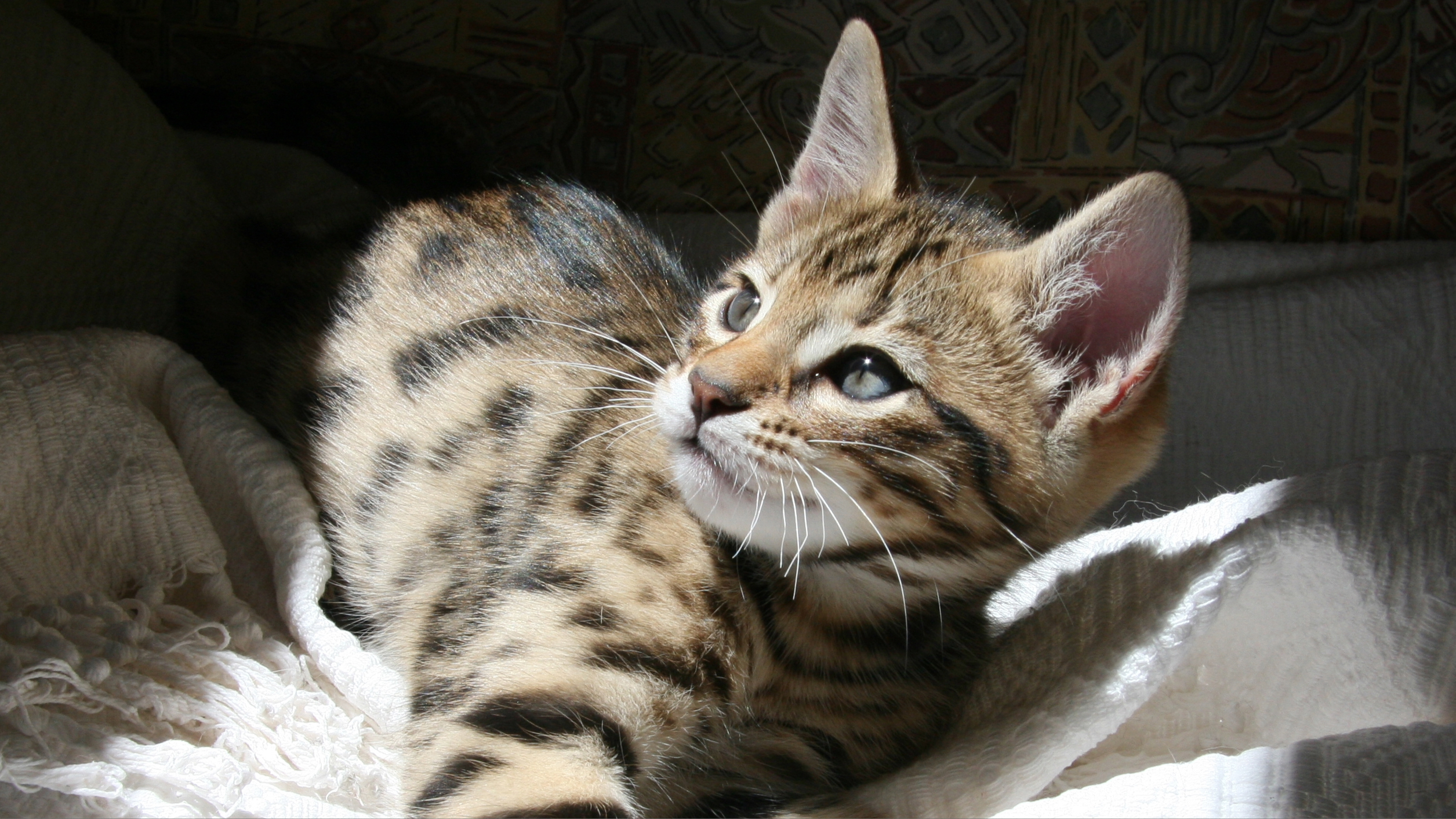
Bengal cats bring bold patterns and energetic behavior to the mix. Their wild-looking coats and lively personality tend to overshadow other breeds in breeding pairs. If your goal is to have kittens with a striking appearance and high energy, Bengals often dominate those traits.
Persian Cats
Persians are famous for their long, luxurious fur and calm demeanor. Their distinctive looks usually pass on strongly, especially the fluffy coat and flat face. When breeding with other breeds, Persian traits often show up clearly in the kittens’ appearance.
Key Dominant Traits By Breed
Certain cat breeds show strong dominant traits during breeding, influencing offspring’s appearance and behavior. Breeds like Siamese and Maine Coon often pass on clear, noticeable features to their kittens. Understanding these traits helps predict how future cats may look and act.
Understanding the dominant traits of cat breeds can be fascinating for any cat lover, especially if you’re considering breeding or simply curious about feline genetics. Each breed has its own set of dominant characteristics that influence their appearance and behavior. These traits can affect everything from their coat patterns to their size and even their quirky habits. Let’s explore some of these key dominant traits by breed.Coat Patterns And Colors
The coat of a cat is often the first thing that catches our eye. Certain breeds are known for specific dominant coat patterns and colors. For example, the Siamese cat typically showcases a striking contrast between its cream body and darker points on the ears, face, paws, and tail. This pattern is a dominant trait that breeders carefully maintain. On the other hand, the Bengal cat is admired for its wild, leopard-like spots and marbled patterns. If you ever spot a Bengal, it’s hard not to be captivated by its unique coat, a testament to its dominant pattern genes. What coat pattern do you find most appealing in a cat?Body Size And Structure
The size and structure of a cat can be just as telling as its coat. Maine Coons are known for their impressive size and tufted ears, traits that are dominant within the breed. These gentle giants can weigh significantly more than the average cat, often tipping the scales at over 18 pounds. Conversely, the Munchkin cat is characterized by its short legs, a result of a genetic mutation that is a dominant trait. This gives them a playful, kitten-like appearance throughout their lives. Have you ever noticed how a cat’s body size affects its ability to navigate spaces?Behavioral Characteristics
Behavioral traits also play a crucial role in defining a breed. The Ragdoll, for instance, is famous for its laid-back nature. This breed tends to go limp when picked up, a behavior that is quite endearing and dominant among Ragdolls. Sphynx cats, on the other hand, are known for their social and affectionate nature. They often crave human interaction and attention, making them ideal companions for those who enjoy a lively household. Which personality trait do you value most in a cat? Understanding these dominant traits helps in appreciating the diversity among cat breeds. Whether you’re a breeder or simply a cat enthusiast, these insights can deepen your connection with these fascinating creatures. What traits do you think define your favorite breed?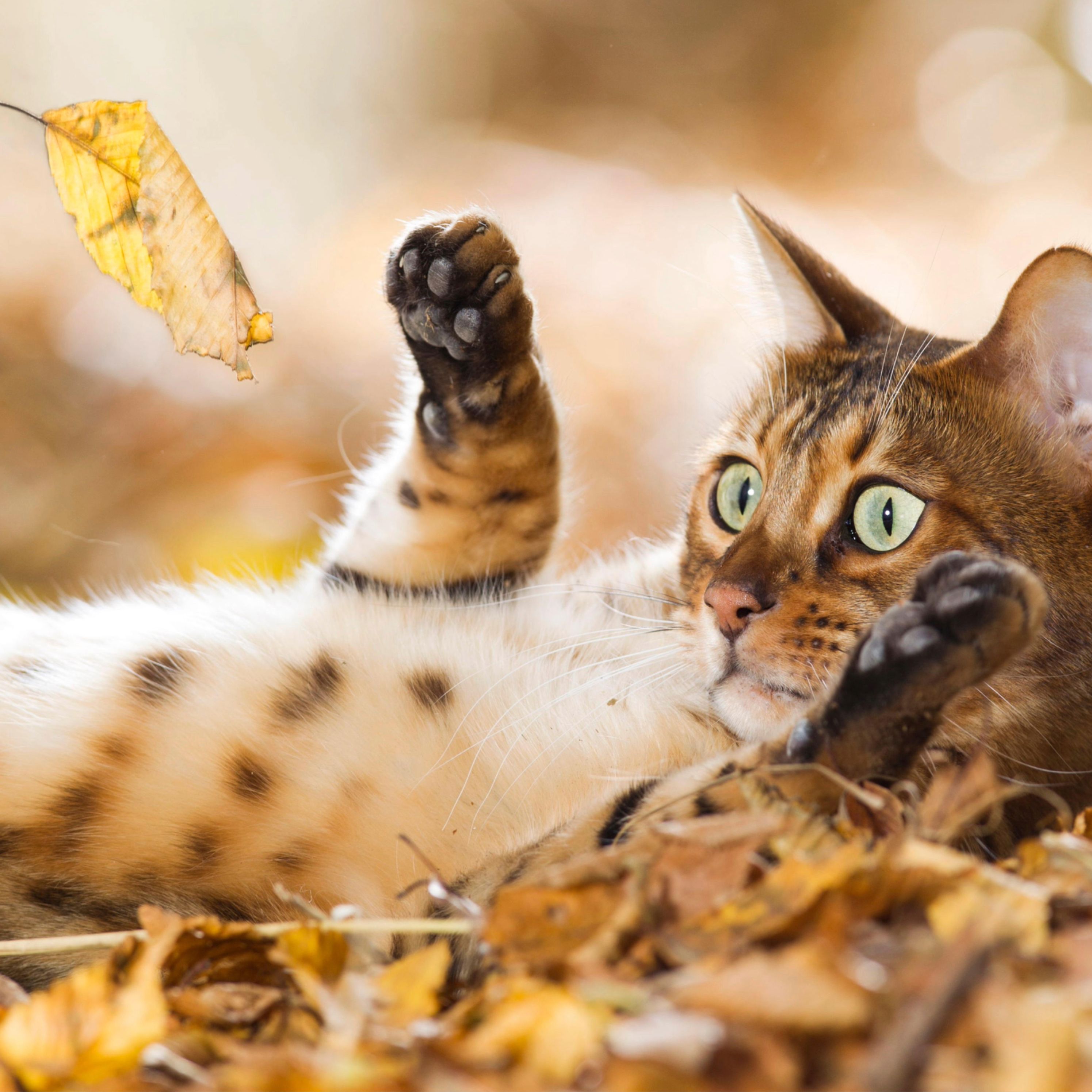
Credit: www.petsradar.com
Breeding Strategies For Desired Traits
Breeding cats for specific traits requires careful planning and knowledge. Breeders aim to pass on physical features, health qualities, and temperament. Each breeding decision impacts the kittens’ future characteristics. Strategies focus on choosing the right parents and understanding genetics.
Selecting Parent Cats
Choosing parent cats is the first key step. Select cats that show strong traits you want to keep. Physical appearance, behavior, and health records matter most. Breeders often pick dominant breeds with clear, stable traits. Healthy cats reduce risks of genetic problems in kittens.
Predicting Trait Outcomes
Genetics helps predict which traits will appear in offspring. Dominant genes tend to show more easily in kittens. Recessive traits might skip generations but can still appear later. Breeders study family history and gene patterns to forecast results. This knowledge guides pairing decisions for better outcomes.
Ethical Considerations
Ethics play a big role in responsible cat breeding. Avoid breeding that causes health issues or discomfort. Respect the natural behavior and well-being of cats. Provide good care, safe environments, and proper vet checks. Breeders must prioritize the cats’ health above all traits.
Challenges In Dominant Trait Breeding
Breeding cats for dominant traits is a complex process. It requires careful planning and knowledge. Many challenges arise during this process. Breeders must consider genetic unpredictability and possible health risks. These factors make breeding for dominance difficult but important to understand.
Unpredictable Genetic Variations
Genetic traits do not always pass down as expected. Even dominant genes can show unexpected results. Cats may inherit traits from distant ancestors instead. This unpredictability can confuse breeders and affect the outcome.
Some dominant traits might skip generations or combine in new ways. Breeders need patience and observation. They must track each cat’s lineage carefully. This helps predict possible variations better.
Health Issues Linked To Dominance
Dominant traits can sometimes cause health problems. Certain genes linked to dominance may increase disease risks. Breeders must watch for signs of illness closely. Early detection helps manage these issues.
Health problems can include physical defects or genetic disorders. Breeding cats with dominant traits requires health testing. Responsible breeders avoid passing harmful genes to offspring. This protects the well-being of future generations.

Credit: www.viovet.co.uk
Future Trends In Cat Breeding
The future of cat breeding is shaping up to be more precise and informed than ever before. Advances in technology and a better understanding of genetics mean breeders can make smarter choices about which traits to prioritize. This benefits not only the health and well-being of cats but also helps maintain or introduce dominant breed characteristics with greater accuracy.
Advancements In Genetic Testing
Genetic testing is becoming a standard tool for breeders. It allows you to identify specific genes responsible for traits like coat color, pattern, and even temperament.
With this information, you can avoid health problems that might come from hidden recessive genes. You can also select breeding pairs that strengthen desired dominant traits.
Imagine knowing exactly which kittens will likely have the best qualities before they even grow up. This reduces guesswork and improves the overall quality of future litters.
Emerging Dominant Traits
Certain traits are gaining popularity due to changing owner preferences and new breed developments. Traits like hypoallergenic fur, unique eye colors, and specific coat patterns are becoming more dominant in breeding programs.
Breeders are noticing how traits such as the Scottish Fold’s distinctive ears or the Maine Coon’s large size are consistently passed down when selected carefully.
Could your next cat come with a rare trait that breeders are now focusing on? Staying informed about these trends can help you choose a breed that fits your lifestyle and expectations perfectly.
Frequently Asked Questions
Which Cat Breeds Show Dominant Traits In Breeding?
Certain cat breeds like Siamese, Bengal, and Maine Coon often show dominant traits. Dominance depends on genetics and specific traits passed to kittens.
How Does Dominance Affect Cat Breeding Outcomes?
Dominance controls which traits appear in kittens. Dominant genes mask recessive ones, influencing physical features and behavior in offspring.
Are Some Cat Breeds More Genetically Dominant?
Yes, breeds with strong, well-established gene pools tend to be more genetically dominant. Examples include Siamese and Persian cats.
Can Dominant Cat Breeds Impact Kitten Health?
Dominant breeds may pass on both positive and negative traits. Responsible breeding minimizes health risks linked to dominant genes.
Conclusion
Dominant cat breeds often shape the traits of their kittens. Traits like coat color, size, and behavior can pass strongly from parents. Breeders watch these traits closely to predict outcomes. Understanding dominant breeds helps in planning healthy litters. Each breed brings unique qualities to the mix.
Choosing the right breeds leads to better results in breeding. Keep learning about genetics to improve your breeding success. Dominant traits make cat breeding both interesting and rewarding.


Leave a Reply