Are you wondering if it’s okay to feed your kitten adult cat food? It’s a question many pet owners ask, especially when they want to save time or money.
But what you feed your kitten now can shape their health for years to come. Feeding the wrong food might seem harmless, but it could cause real problems down the road. Keep reading to discover the truth about kitten nutrition and how to give your furry friend the best start in life.
Your kitten’s health depends on it.
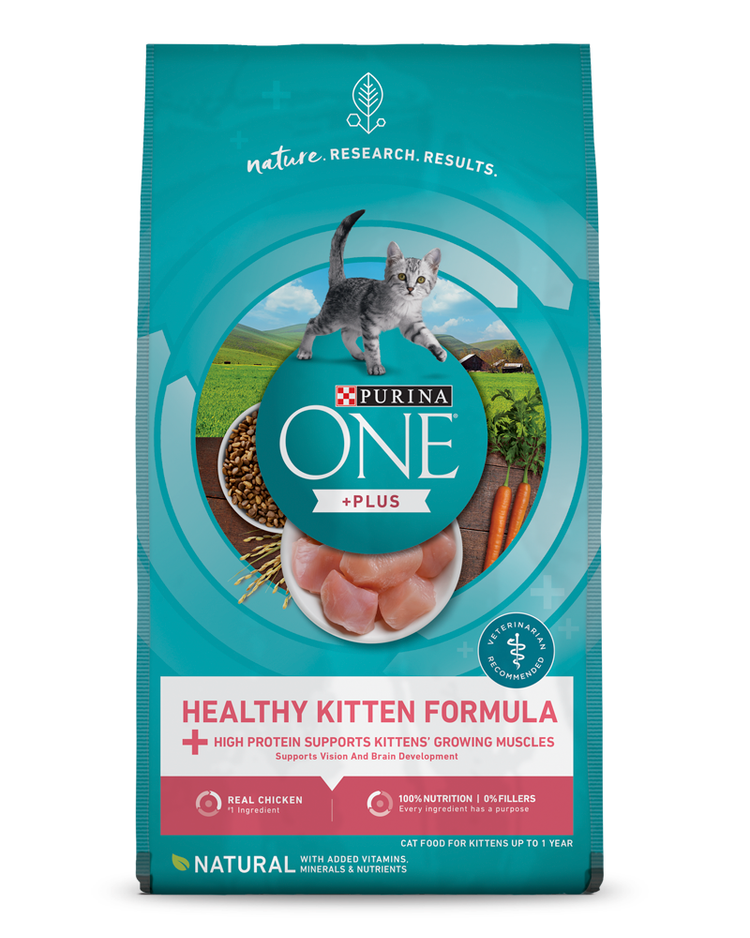
Credit: www.purina.com
Nutritional Needs Of Kittens
Kittens have unique nutritional needs that differ greatly from adult cats. Their bodies grow rapidly, requiring special care in diet. Feeding them the right food supports healthy development and strong immunity.
Adult cat food lacks some nutrients essential for a kitten’s growth. Understanding these needs helps pet owners provide the best diet for their young cats. Balanced nutrition is key to their health and happiness.
Growth Requirements
Kittens need more calories than adult cats to fuel their fast growth. Their energy demands are high to support muscle and bone development. Feeding less energy can slow their progress or cause health issues.
Proteins and fats in kitten food come from high-quality sources. These nutrients help build tissues and support brain development. Kittens also need frequent meals to meet their continuous energy needs.
Essential Nutrients For Development
- Protein:Vital for muscle growth and repair.
- Fatty Acids:Support brain and eye health.
- Calcium and Phosphorus:Strengthen bones and teeth.
- Taurine:An amino acid crucial for heart and vision.
- Vitamins A, D, and E:Aid immune function and development.
Kittens require these nutrients in higher amounts than adults. Adult cat food often lacks the right balance, risking deficiencies. Proper kitten food ensures they get all essentials in correct doses.
Differences Between Kitten And Adult Cat Food
Kitten food and adult cat food differ in important ways. These differences support the unique needs of growing kittens and mature cats. Feeding the right food helps kittens grow strong and healthy. Adult cats require a balanced diet to maintain weight and energy. Understanding these differences helps you choose the best food for your cat.
Calorie Content Comparison
Kittens need more calories than adult cats. Their bodies grow fast and use more energy. Kitten food has higher calorie content to support this growth. Adult cat food contains fewer calories to prevent weight gain. Feeding adult food to kittens may slow their growth. Feeding kitten food to adults may cause them to gain too much weight.
Protein And Fat Levels
Protein is essential for muscle and tissue growth. Kitten food contains more protein than adult food. This helps kittens build strong muscles and healthy organs. Fat provides energy and supports brain development. Kitten food has higher fat levels to fuel their active bodies. Adult cat food has moderate protein and fat to maintain health without excess calories.
Vitamin And Mineral Variations
Kittens need extra vitamins and minerals for development. Kitten food is enriched with calcium, phosphorus, and vitamins A and D. These nutrients support bone growth and immune health. Adult cat food has balanced vitamins and minerals for maintenance. Feeding adult food to kittens can lead to nutrient deficiencies. Feeding kitten food to adults may cause nutrient imbalances over time.
Potential Risks Of Feeding Adult Food To Kittens
Feeding adult cat food to kittens can cause nutrient gaps and slow their growth. Kittens need more protein and calories for healthy development. Using adult food may lead to weak bones and low energy in young cats.
Feeding kittens adult cat food might seem convenient, but it’s crucial to understand the potential risks involved. Kittens are in a critical phase of growth and development, requiring specific nutrients that adult cat food may not provide. Ignoring these unique dietary needs can lead to several issues that could affect your kitten’s health and well-being.Nutritional Deficiencies
Adult cat food is formulated differently from kitten food. It lacks the higher levels of protein, fats, and certain vitamins that kittens need for healthy development. A diet deficient in these nutrients can lead to stunted growth and developmental issues. Kittens require more calories per pound than adult cats due to their rapid growth. Without adequate nutrition, they may lack the energy needed for normal play and exploration.Digestive Issues
Feeding your kitten adult cat food can lead to digestive problems. Adult formulas might contain ingredients that are too harsh for a kitten’s sensitive stomach. This could result in vomiting, diarrhea, or an upset stomach, which can be distressing for both you and your pet. Kittens have specific digestive needs, and transitioning to adult food too soon can disrupt their gut health. Maintaining a diet tailored to their age is essential for their digestive system to develop properly.Impact On Growth And Immunity
The growth stage is crucial for building strong bones, muscles, and a robust immune system. Adult cat food doesn’t support these needs as effectively as kitten-specific formulas do. This can compromise your kitten’s overall health and make them more susceptible to illnesses. The right nutrition boosts a kitten’s ability to fight off infections and recover quickly from minor ailments. Are you willing to risk your kitten’s growth and immunity for the sake of convenience? Ensuring your kitten receives the right food isn’t just about their present health, but also about setting them up for a healthy future. Make informed choices to give your furry friend the best start in life.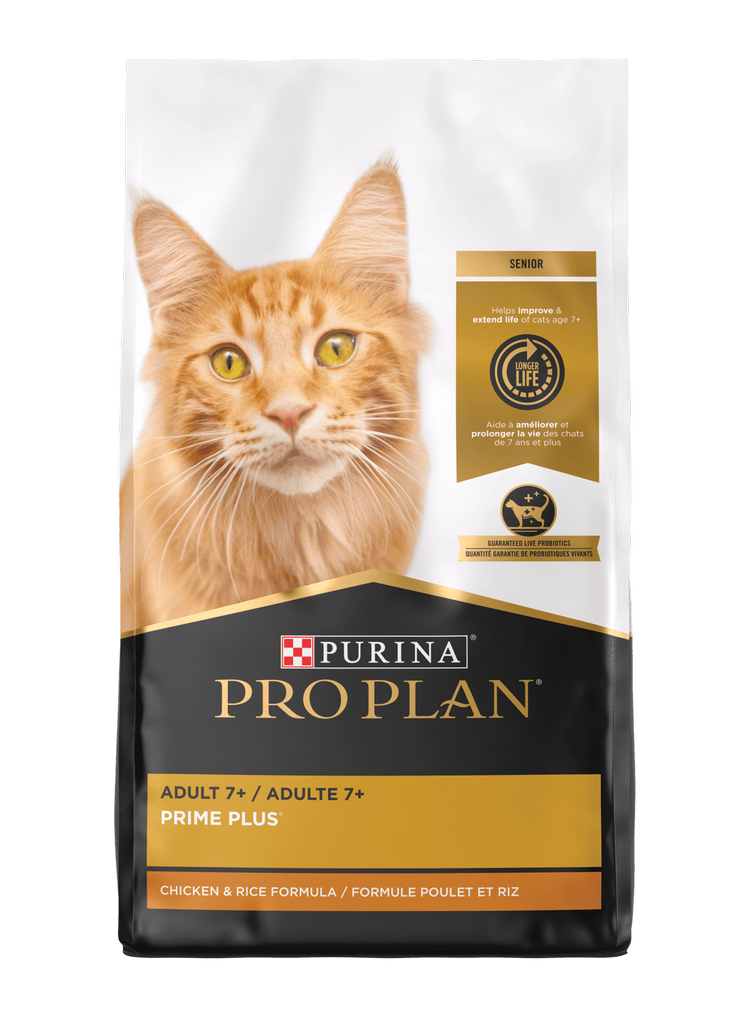
Credit: www.purina.com
When Adult Cat Food Might Be Acceptable
Adult cat food is formulated differently from kitten food. Kitten food has extra nutrients to support growth and development. Feeding adult cat food to kittens is not ideal for long periods. Still, there are times when it may be acceptable to offer adult cat food to a kitten.
Knowing when adult cat food might work helps protect your kitten’s health. It is important to keep the kitten’s needs in mind during these times.
Short-term Feeding Scenarios
Short-term feeding of adult cat food can happen in certain situations. For example, when you run out of kitten food temporarily. Or if you find yourself in an emergency without access to kitten food.
Adult cat food can provide enough energy for a short time. It is better than no food at all. Just make sure the kitten eats enough and gains weight. Limit this to a few days only. Prolonged feeding of adult cat food may cause nutrient gaps in kittens.
Consulting A Veterinarian
Always ask a veterinarian before switching to adult cat food. Some adult formulas may meet a kitten’s needs better than others. The vet can recommend the best options. They can also advise on how long it is safe to feed adult cat food.
Veterinarians can suggest supplements if needed. They help balance the kitten’s diet during adult food feeding. Regular check-ups ensure the kitten grows healthy despite diet changes.
Expert Tips For Feeding Kittens
Feeding your kitten the right way sets the stage for a healthy, happy cat. Experts agree that kittens have unique nutritional needs compared to adult cats, and understanding these can help you make better choices. Let’s dive into key tips that help you feed your kitten effectively, ensuring they grow strong and full of energy.
Choosing The Right Food
Your kitten needs food designed specifically for their growth. Kitten formulas have higher protein, fat, and calorie content than adult cat food, supporting brain development and muscle growth.
Look for labels that say “complete and balanced for kittens.” Avoid feeding adult cat food exclusively, as it often lacks essential nutrients your kitten requires.
Have you checked the ingredients list? Quality animal proteins should be near the top. Avoid foods with excessive fillers like corn or wheat, which offer little nutritional benefit.
Feeding Schedule Guidelines
Kittens have small stomachs and high energy needs, so frequent meals work best. Feeding your kitten 3 to 4 times a day keeps their energy steady and prevents overeating.
As your kitten grows, you can gradually reduce meal frequency. By six months, twice daily meals often suffice.
Consistency is key. Try to feed your kitten at the same times each day to build a routine that supports digestion and comfort.
Monitoring Kitten Health
Regularly watching your kitten’s weight and behavior tells you if their diet is working. Healthy kittens are active, alert, and steadily gaining weight.
Look out for signs like dull fur, diarrhea, or excessive vomiting, which could mean their food isn’t agreeing with them.
Don’t hesitate to consult your vet if you see sudden changes in appetite or energy. Adjusting food type or portion size might be necessary to keep your kitten thriving.
Transitioning Kittens To Adult Food
Transitioning your kitten from their special kitten food to adult cat food is a key step in their growth. This change affects their nutrition, digestion, and overall health. Doing it carefully helps avoid tummy troubles and ensures they get the right nutrients at the right time.
Ideal Age For Transition
Kittens usually start the switch to adult food around 9 to 12 months old. This is when their rapid growth slows down, and their nutritional needs shift. Keep in mind that some breeds or individual cats might need more time on kitten food, especially larger breeds that mature slower.
Have you noticed your kitten’s energy level or appetite change? These can hint at when they’re ready for adult food.
Step-by-step Process
Start by mixing a small amount of adult food into your kitten’s current diet. Gradually increase the adult food portion over 7 to 10 days. This slow change helps your kitten’s digestive system adjust without stress.
- Begin with 25% adult food mixed with 75% kitten food.
- After 3 days, move to a 50/50 mix.
- At day 7, try 75% adult food and 25% kitten food.
- By day 10, offer only adult food.
Watch your kitten closely for any signs of upset stomach or refusal to eat during this period.
Signs Kitten Is Ready
Your kitten shows readiness by eating less frequently and seeming less hungry between meals. They may also seem less playful or have a steadier energy level. If they handle the new food without vomiting, diarrhea, or weight loss, it’s a good sign.
Sometimes, kittens may resist change. Patience is key—try different adult food textures or flavors if needed. How do you know when it’s time to stop switching and stick with the adult food? When your kitten consistently eats the new food happily and maintains their weight.
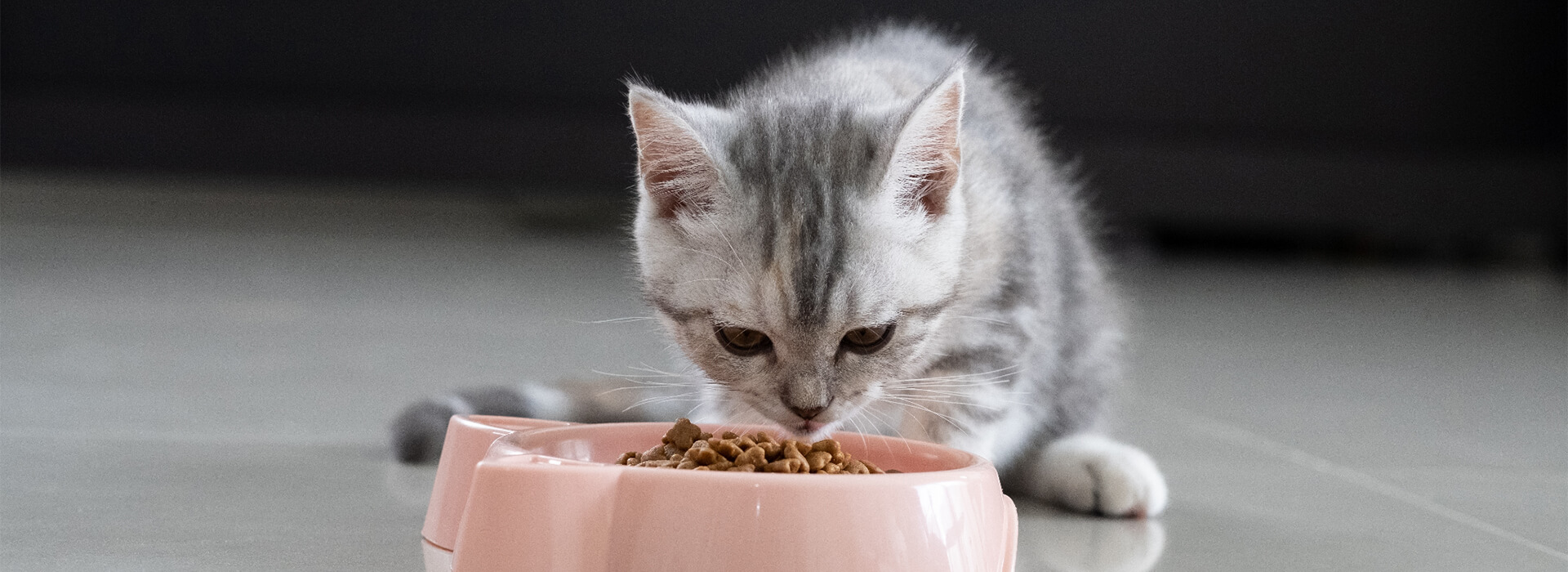
Credit: www.whiskas.co.uk
Frequently Asked Questions
Can Kittens Eat Adult Cat Food Safely?
Kittens can eat adult cat food occasionally, but it lacks essential nutrients needed for growth. Kitten food supports their development better.
What Risks Exist Feeding Kittens Adult Cat Food?
Adult cat food may cause nutrient deficiencies in kittens, affecting their growth and immune system. It lacks enough protein and calories for kittens.
When Should I Switch My Kitten To Adult Food?
Switch kittens to adult cat food at about 12 months old, when growth slows. Consult a vet for the best timing.
Is Adult Cat Food Harmful To Kitten Digestion?
Adult cat food is harder to digest for kittens, possibly causing stomach upset or diarrhea. Kitten food is gentler and easier to digest.
Conclusion
Feeding a kitten only adult cat food is not ideal. Kittens need extra nutrients to grow strong and healthy. Adult food lacks important vitamins and proteins for young cats. This can slow their growth and affect their health. Choose kitten food to support their development.
It provides the right balance of nutrients. Always check the label to ensure proper feeding. Healthy kittens grow into strong adult cats. Taking care of their diet matters a lot. Feeding them well now helps them live longer. Simple steps make a big difference in their life.



Leave a Reply