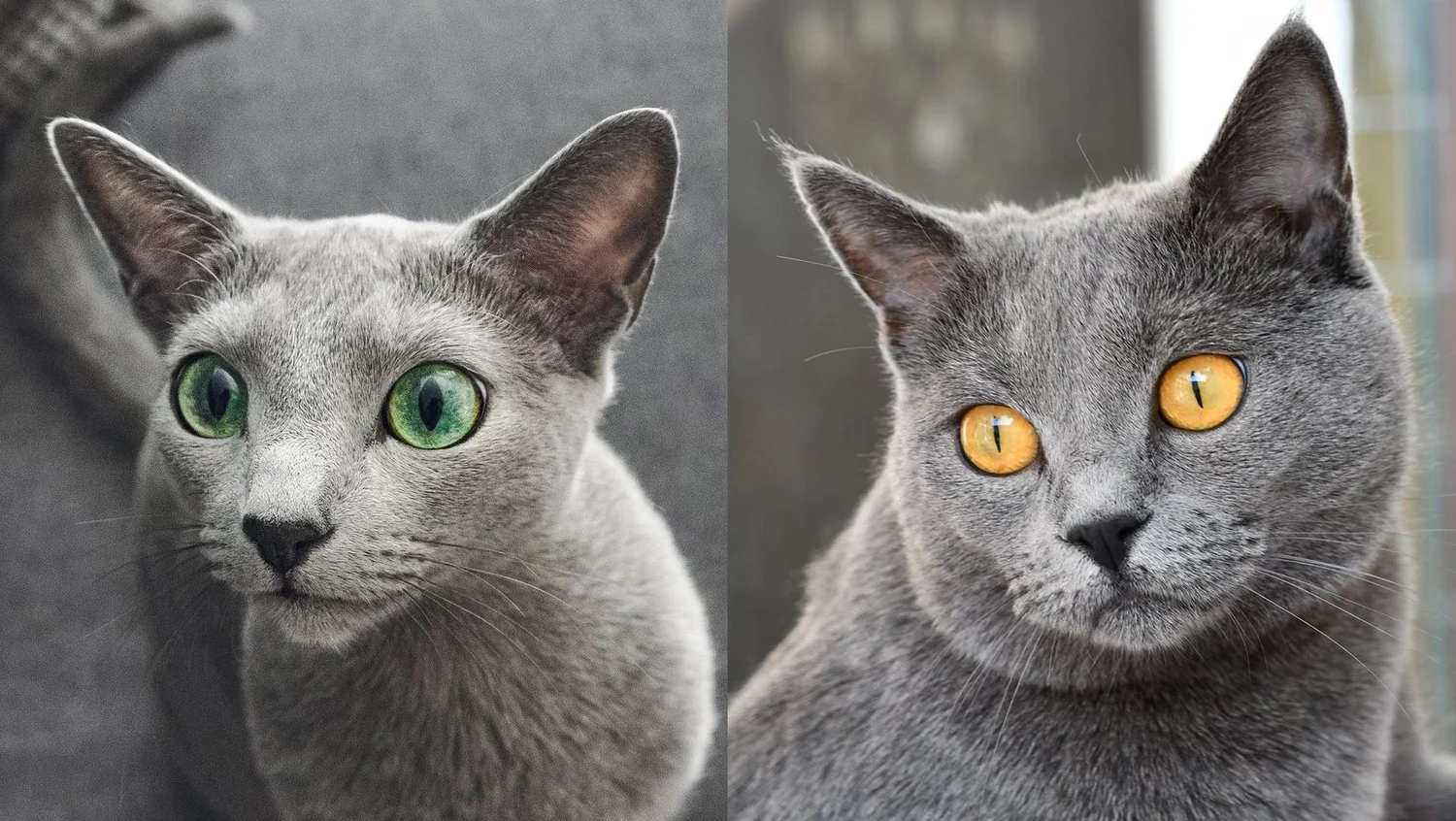
Have you ever seen a cat with a blue mouth and wondered what makes it so unique? You might think it’s just a trick of the light, but some cat breeds actually have naturally blue mouths.
This rare and fascinating feature sets these cats apart in a way that many don’t know about. If you’re curious to discover which breeds have this unusual trait and what it means for your feline friend, keep reading. You’re about to learn something that will surprise and delight any cat lover.
Credit: www.catster.com
Blue Mouth Trait In Cats
The blue mouth trait in cats is a fascinating and rare feature that immediately grabs your attention. Unlike the usual pink or black mouths seen in most cats, these cats display a unique bluish or purplish tint inside their mouths. This distinctive trait is more than just a color difference; it’s tied to specific breeds and their genetics, offering a glimpse into how diverse feline characteristics can be.
Genetics Behind Blue Mouths
The blue mouth color in cats results from a concentration of pigment called melanin in the mouth’s tissues. This pigment is responsible for darker shades in skin and fur, but in some cats, it extends to the mouth, giving it a bluish hue.
Breeds with this trait often carry genes that increase melanin production. These genes influence not only the mouth but sometimes the nose, gums, and even paw pads. It’s a genetic quirk, not linked to any health issue, but rather a natural variation.
Have you ever noticed how certain cat traits run in families? The blue mouth trait is a clear example of how genetics shape unique physical features you won’t find in every feline.
Common Characteristics
- Breed Specific:The trait appears predominantly in breeds like the Chow Chow and the Shar Pei, which are famous for their blue-black tongues and mouths.
- Distinctive Appearance:Cats with blue mouths often have matching dark pigmentation on their noses and paw pads, giving them a striking overall look.
- Health Impact:The blue coloration is harmless and does not indicate any medical problems. It’s purely cosmetic.
- Age Factor:The blue tone can become more pronounced as the cat matures, making it more visible in adult cats compared to kittens.
Do you find it interesting how a small feature like mouth color can add so much character to a cat’s appearance? It’s a reminder that every cat is unique in its own way, shaped by nature’s variety.
Credit: cats.com
Breeds With Blue Mouths
Some cat breeds have a unique feature: blue-colored mouths. This trait is rare and often linked to specific breeds. The blue color comes from pigmentation in their gums and tongue. It adds to their exotic and striking appearance. Here are the most well-known breeds with blue mouths.
Korat Cats
Korat cats are famous for their blue-gray coats and blue mouths. They come from Thailand and are considered lucky in their homeland. Their mouths, tongue, and gums have a deep blue shade. This trait is natural and not a sign of illness.
Siamese Cats
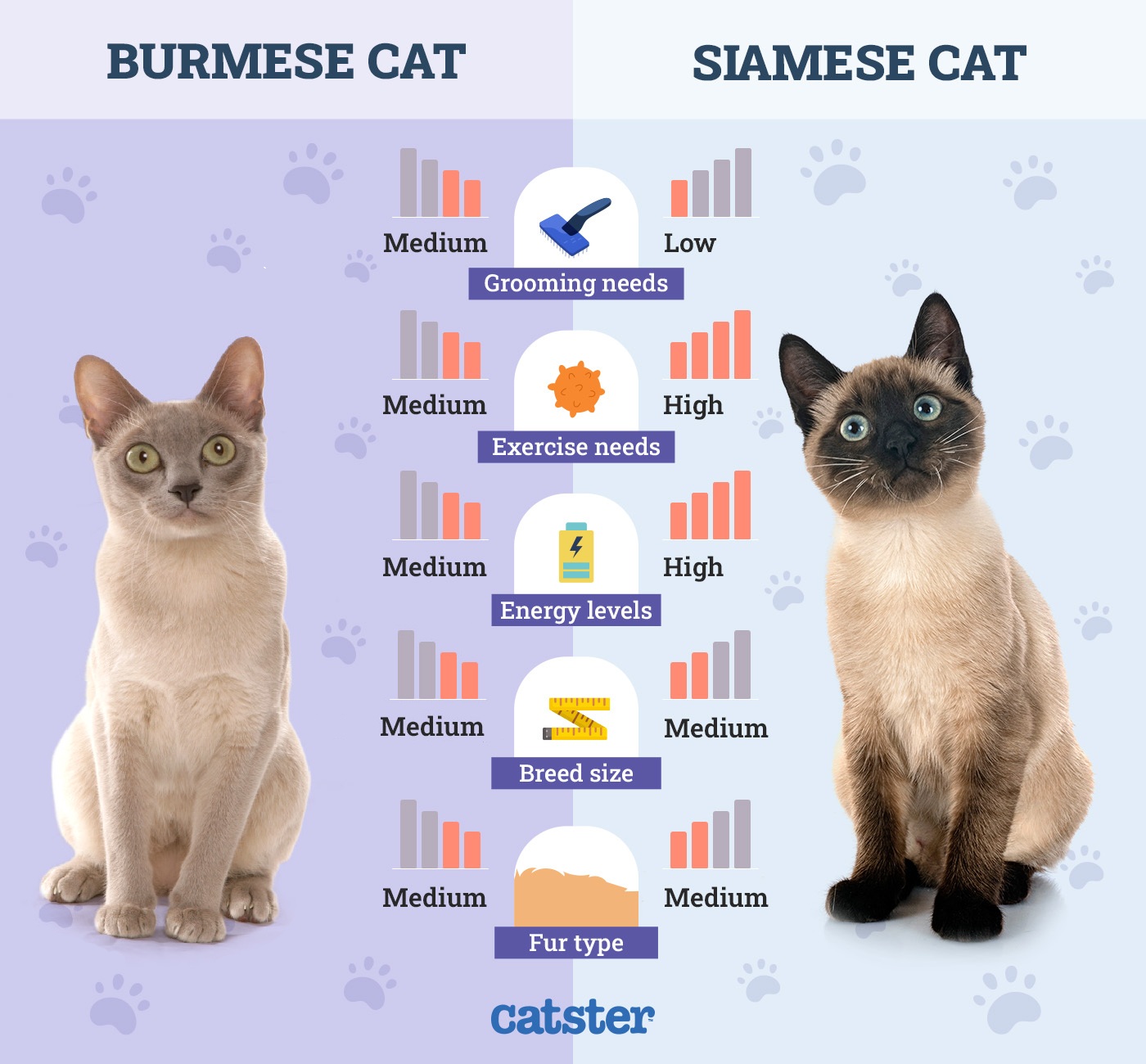
Siamese cats often show some blue coloring inside their mouths. Their blue pigmentation is less intense than the Korat’s. It may appear on the gums and tongue edges. This feature adds to their distinctive look along with their blue eyes.
Oriental Shorthairs
Oriental Shorthairs sometimes have blue tones in their mouths. This breed is related to Siamese cats and shares similar traits. The blue color usually appears on the gums. It varies from cat to cat, with some having little or no blue.
Other Rare Breeds
Some less common breeds may also show blue mouth pigmentation. Examples include the Burmese and some mixed breeds with Asian ancestry. The blue color is a genetic trait passed through generations. It is always best to check with a vet if unsure about a cat’s mouth color.
Appearance And Personality
When you spot a cat with a blue mouth, you’re likely looking at a breed with unique and striking traits. Their appearance is not just a visual delight but often matches their distinct personality. Understanding these qualities helps you connect better with these remarkable cats.
Physical Features
Cats with blue mouths often have a rare pigmentation called melanin that gives their tongues, gums, and mouths a bluish tint. This feature is most prominent in breeds like the Chow Chow and the Shar Pei, though the latter is a dog breed, so focus stays on cats like the Siamese or Oriental Shorthair with similar traits.
These cats usually have sleek, short coats that highlight their unusual mouth color. Their eyes often contrast beautifully, ranging from deep blue to vivid green. Their body size can vary, but many are medium-sized with a muscular build that complements their bold look.
Temperament And Behavior
Cats with blue mouths tend to have distinct personalities that match their unique appearance. They often show a mix of independence and affectionate behavior, making them both intriguing and loving companions.
Many owners notice these cats enjoy interactive play but also appreciate quiet moments beside you. They might be curious explorers around your home but always return for a gentle head rub or cuddle session. Have you observed how their mood shifts quickly between playfulness and calm? It’s part of what makes them so engaging to be around.
Credit: rawznaturalpetfood.com
Care Tips For Blue-mouthed Cats
Certain cat breeds, like the Siamese and Oriental Shorthair, often have blue-colored mouths. Regular dental care and gentle cleaning help keep their mouths healthy and prevent issues. Watching for changes in color or smell can signal when to visit a vet.
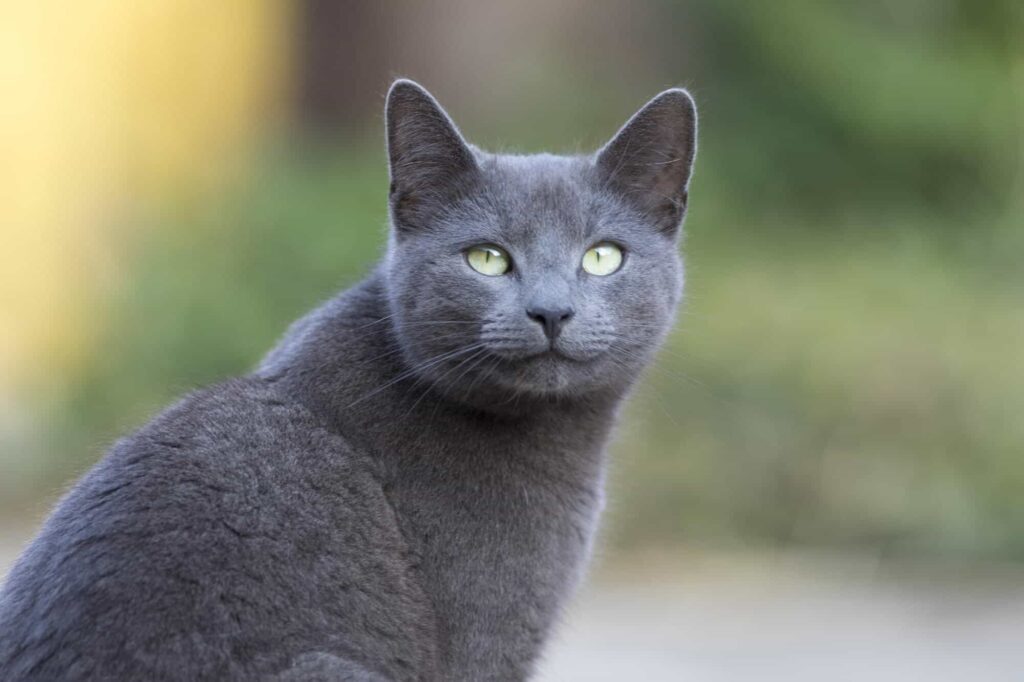
Caring for blue-mouthed cats might seem unique, but it’s all about understanding their specific needs. These cats, like the strikingly beautiful Russian Blue, are known for their distinctive pigmentation, which extends to their mouth. To ensure they live a healthy, happy life, you need to pay close attention to their diet, health, and grooming needs. Let’s dive into how you can provide the best care for these special felines.Diet And Nutrition
Feeding your blue-mouthed cat the right diet is crucial. Opt for high-quality cat food rich in protein, as it supports their overall health. Have you noticed how some cats get picky? Keep an eye on their preferences, and remember that treats should be just that—occasional delights, not daily staples.Health Concerns
Regular vet visits are a must to catch any health issues early. Blue-mouthed cats might not have unique health problems, but being proactive is key. Have you ever considered pet insurance? It could be a lifesaver when unexpected health concerns arise.Grooming Needs
These felines are relatively low-maintenance, but they still need regular grooming. Brush their coat weekly to keep it sleek and remove loose hairs. Have you tried using grooming gloves? They can make the process enjoyable for both you and your cat. By tailoring your care approach, you ensure your blue-mouthed cat thrives. Are you ready to embrace the joy of having such a unique feline friend?Blue Mouths In Other Animals
Blue mouths are not just a fascinating trait in certain cat breeds; they appear in other animals too, sparking curiosity about their purpose and origin. Observing these unusual mouth colors in different species can offer insights into evolution, adaptation, and even health indicators. Let’s take a closer look at how blue mouths show up beyond the feline world.
Comparison With Dogs And Birds
Some dog breeds, like the Chow Chow and Shar Pei, have blue-black tongues and mouths. This pigmentation is due to extra melanin, similar to what you see in cats with blue mouths. However, unlike cats, where the blue mouth is often breed-specific and rare, in these dogs, it’s a common and defining feature.
Birds, particularly certain species like the Steller’s Jay or the Black-billed Magpie, sometimes show bluish or dark pigmented areas inside their beaks or mouths. This coloration can serve as a visual signal during mating or territorial displays. Have you noticed how these colors sometimes appear only during specific behaviors or times of the year?
Unique Cases In Wildlife
In the wild, blue mouths are even more intriguing. The blue dragon sea slug, for example, has a vibrant blue body and mouth that warns predators of its toxicity. This use of color goes beyond camouflage or attraction—it’s a survival tactic.
Some frogs and lizards also display blue or bluish hues inside their mouths. This can be a defensive mechanism, startling predators when the animal opens its mouth wide. It makes you wonder how many times you’ve seen an animal flash a surprising color without realizing its purpose.
Frequently Asked Questions
What Cat Breeds Have Naturally Blue Mouths?
Certain cat breeds like the Oriental Shorthair and Siamese often have naturally blue-tinged mouths. This trait is due to pigmentation in their gums and tongues. It’s a unique characteristic linked to their breed genetics and not common in most cats.
Why Do Some Cats Have Blue Tongues Or Mouths?
Blue tongues or mouths in cats result from increased pigmentation or specific blood vessel structures. It’s a normal feature in some breeds and indicates healthy tissue rather than illness. This trait is genetic and usually seen in breeds like the Siamese or Oriental Shorthair.
Are Blue Mouths In Cats A Health Concern?
Blue mouths in cat breeds like Siamese are generally not a health concern. It’s a natural pigmentation trait and not a symptom of disease. However, sudden blue discoloration in any cat could indicate health issues and should be checked by a vet.
Do All Siamese Cats Have Blue Mouths?
Most Siamese cats have blue or bluish mouths due to their unique pigmentation. However, the intensity can vary between individuals. This trait is part of their breed standard and adds to their distinctive appearance.
Conclusion
Cats with blue mouths are truly unique and special. Breeds like the Siamese and Chow Chow often show this rare trait. It adds to their charm and makes them stand out. Knowing about these breeds helps you appreciate their beauty more.
If you love cats, learning about their features is always fun. Blue mouths are just one of many interesting cat traits. Keep exploring to discover more about your feline friends.



Leave a Reply