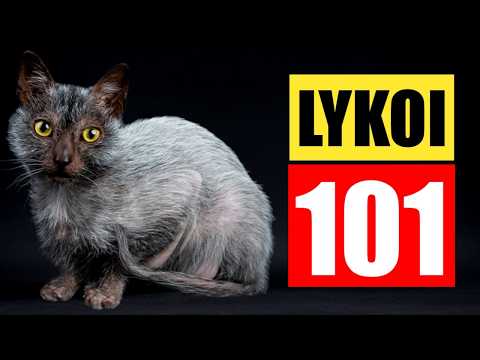
Have you ever wondered what makes a wolf cat so unique? If you’re curious about the breeds that come together to create this fascinating feline, you’re in the right place.
Understanding these breeds can help you appreciate your wolf cat’s personality, looks, and behavior even more. Keep reading, and you’ll discover the secrets behind the wolf cat’s wild charm and learn which breeds shape its striking appearance. Your curiosity is about to be rewarded with simple, clear answers that make it easy to connect with these extraordinary pets.
Wolf Cat Hybrids
Wolf cat hybrids are created by crossing domestic cats with wild wolf-like breeds. Common breeds involved include the Maine Coon, Norwegian Forest Cat, and Siberian cat. These mixes give the hybrid its unique wolf-like appearance and friendly nature.
Wolf cats captivate with their unique appearance and curious nature. These fascinating creatures aren’t purebred wolves or cats. Instead, they are hybrids. Their striking features resemble a wolf’s, yet they maintain feline grace. This blend of traits makes them a subject of interest for pet enthusiasts. Understanding their origins and characteristics reveals the magic behind wolf cat hybrids.Traits Of Wolf Cats
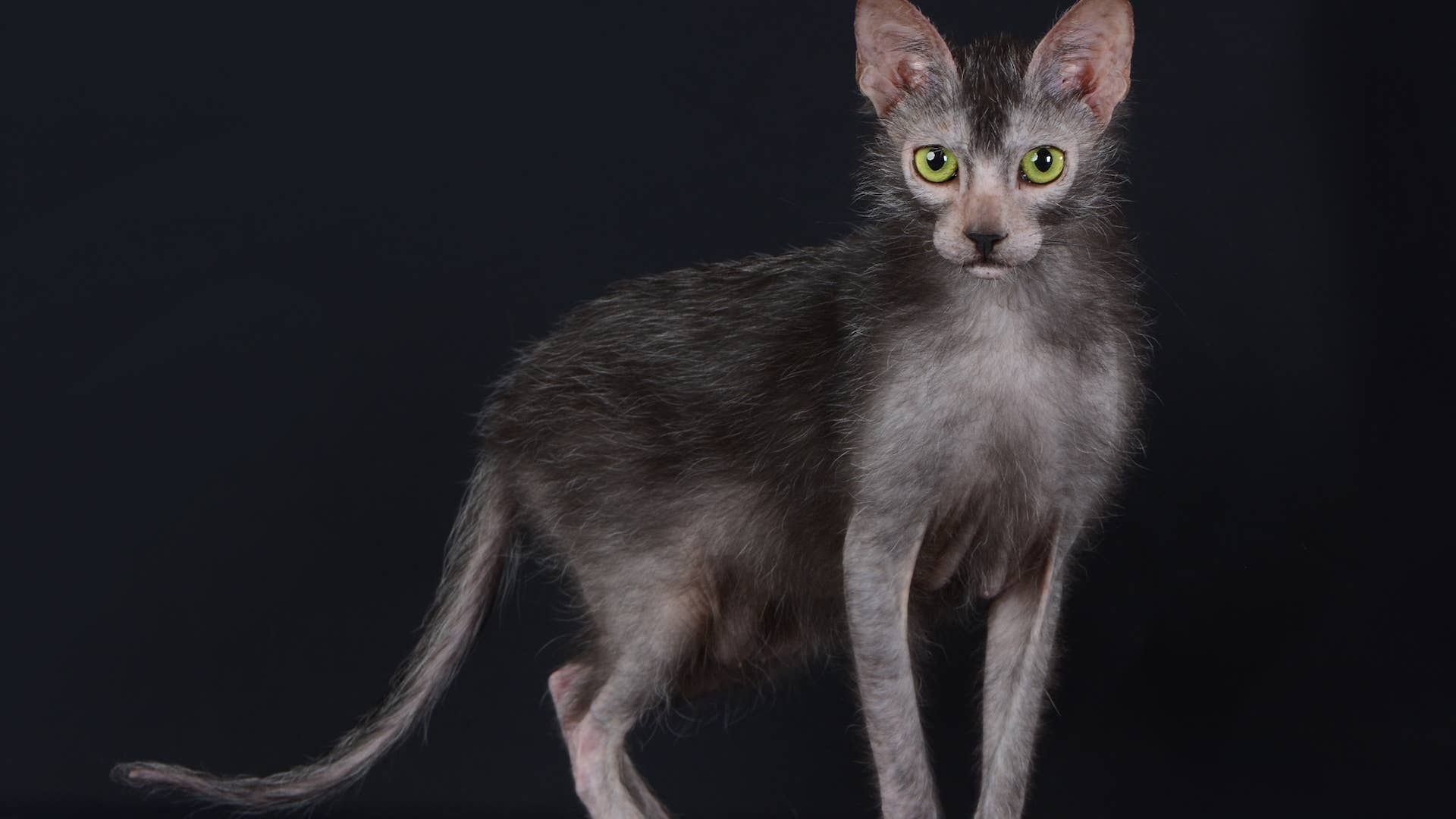
Wolf cats have a wild and rugged appearance. Their fur is often sparse, giving them a sleek look. They have sharp, expressive eyes that seem to tell stories. Despite their wolf-like appearance, they possess a gentle and friendly demeanor. These cats are agile and lively, with a playful spirit. They enjoy interacting with their human companions. This combination of traits makes them ideal for adventurous pet owners.Origins Of Hybrid Breeds
Hybrid breeds like wolf cats have intriguing beginnings. They result from a mix of domestic cats with wild ancestors. Breeders select cats with specific traits to create these unique hybrids. The blending of genetics results in their distinct look and behavior. This process requires careful planning and understanding of feline genetics. Through responsible breeding, these hybrids maintain health and vitality. This ensures they remain a beloved choice for cat lovers worldwide.Popular Wild Cat Breeds
Wolf cats are a unique mix of wild and domestic traits. They come from crossing certain wild cat breeds with house cats. These breeds give wolf cats their strong, wild looks and lively personalities. Below are some popular wild cat breeds that play a big role in creating wolf cats.
Chausie
The Chausie is a wild cat breed from crossing a jungle cat with a domestic cat. It has a slim, athletic build and a short coat. Chausies are very active and curious. They need lots of play and interaction.
Bengal
Bengals are bred from Asian leopard cats and domestic cats. Their fur has beautiful spots and rosettes, like a small leopard. Bengals are smart, energetic, and love water. They bond closely with their owners.
Savannah
Savannah cats come from crossing servals with house cats. They are tall, with long legs and big ears. Their fur has bold spots or stripes. Savannahs are playful and confident, needing space to run and climb.
Caracat
The Caracat is a rare breed from crossing caracals with domestic cats. It has tufted ears and a sleek, muscular body. Caracats are gentle and shy but enjoy human company. They need calm, patient care.
Hybrid Breeding Process
The hybrid breeding process of a wolf cat is a careful and precise art. It involves selecting specific breeds to combine traits that resemble the wild yet maintain domestic behavior. Understanding this process helps you appreciate the unique qualities these cats bring into your home.
Selecting Parent Breeds
The first step is choosing the right parent breeds. Typically, breeders cross a domestic cat with a wild feline, often the Asian leopard cat, to create the wolf cat hybrid.
Domestic breeds like the Bengal or Egyptian Mau are preferred because they have traits that blend well with the wild ancestor. This selection ensures the offspring maintain a friendly temperament while showing exotic markings.
Have you thought about what traits matter most to you? Appearance, personality, or health might guide your choice of parent breeds.
Breeding Challenges
Breeding wild and domestic cats is not straightforward. Wild cats have different mating behaviors and cycles, which can make the process unpredictable.
There’s also the challenge of temperament. Wild genes can produce unpredictable behavior in early generations, requiring careful socialization.
Health concerns are common too. Hybrids might inherit genetic weaknesses or require special care. Are you ready for the responsibility that comes with this unique pet?
Generations Of Hybrids
Hybrids are classified by generations, labeled F1, F2, F3, and so on. F1 means the first generation directly bred from a wild and a domestic cat.
As generations progress, more domestic traits show up, and the wild characteristics soften. By F3 or F4, the cat usually behaves more like a typical pet but retains its exotic look.
This generational info is crucial when choosing a wolf cat. Knowing the generation helps you predict behavior and care needs more accurately.

Credit: lapa.shop
Care And Behavior
Understanding the care and behavior of Wolf Cats is essential if you want to provide a happy and healthy home for these unique feline companions. Their mix of wild ancestry and domestic traits means their needs can be quite specific. Paying attention to their temperament, diet, environment, and training will help you build a strong bond and ensure they thrive.
Temperament Traits
Wolf Cats often display a blend of independence and affection. They tend to be curious and intelligent, always ready to explore their surroundings. You might notice a strong prey drive, which is a nod to their wild heritage, so engaging them with interactive toys is a must.
These cats can be cautious around strangers but form deep attachments to their families. Have you observed your cat’s unique ways of showing trust? Recognizing these subtle signs can improve your connection with them.
Diet And Environment
Wolf Cats benefit from a high-protein diet that mirrors what they might eat in the wild. Quality raw or wet food rich in meat supports their energy levels and muscle development. Avoid filling their bowls with too many carbs or fillers, as these can cause digestive issues.
Creating an environment that mimics their natural habitat can reduce stress. Provide climbing spaces, hiding spots, and plenty of stimulation. Have you ever seen a cat completely relax only after finding the perfect sunny perch? Let your Wolf Cat have that kind of freedom and comfort.
Training Tips
Training a Wolf Cat requires patience and consistency, as they can be more independent than typical house cats. Use positive reinforcement such as treats and praise to encourage desired behaviors. Short, frequent training sessions tend to work better than long ones.
Teaching basic commands like “come” or “stay” helps manage their wild instincts safely. Have you tried clicker training? Many owners find it effective in capturing their cat’s attention and making training fun for both.
Legal And Ethical Considerations
Understanding the legal and ethical landscape around Wolf Cats is crucial before deciding to welcome one into your home. These unique hybrids come with specific responsibilities that affect not only your personal life but also the broader animal community. Let’s break down what you need to know to make an informed, responsible choice.
Ownership Regulations
Different regions have varied laws about owning Wolf Cats. Some places require special permits or restrict ownership altogether due to the animal’s wild ancestry. You must check your local and state laws carefully before acquiring one.
Ignoring these regulations can lead to hefty fines or even confiscation of the animal. Have you ever thought about how these laws protect both you and the animal? Staying compliant ensures a safer environment for everyone involved.
Conservation Impact
Wolf Cats are bred by crossing domestic cats with certain wild species like the Asian leopard cat. This practice can affect wild populations if done irresponsibly.
Taking animals from the wild disrupts ecosystems and threatens species survival. By choosing breeders who do not capture wild cats, you help protect biodiversity. How often do you consider the environmental impact of your pet choices?
Ethical Breeding Practices
Not all breeders follow the same standards. Ethical breeders prioritize the health and welfare of both parent animals and kittens.
- They avoid inbreeding and ensure proper socialization.
- They provide transparent health records and genetic testing.
- They do not support the illegal wildlife trade.
Ask yourself if the breeder values the animal’s well-being as much as you do. Your support can promote ethical breeding and discourage harmful practices.
Credit: pethelpful.com

Credit: www.pets4homes.co.uk
Frequently Asked Questions
What Breeds Are Considered Wolf Cats?
Wolf cats are typically hybrids of domestic cats with wild species like the African serval or the Asian leopard cat. Breeds such as Bengal, Savannah, and Chausie showcase wolf-like appearances due to their wild ancestry and striking markings.
How Do Wolf Cat Breeds Differ From Regular Cats?
Wolf cat breeds have wild ancestry, giving them unique physical traits and behaviors. They often exhibit larger size, distinct markings, and more active, curious personalities compared to typical domestic cats.
Are Wolf Cat Breeds Suitable As Pets?
Wolf cat breeds can be pets but require experienced owners. They need ample space, stimulation, and socialization due to their wild traits. Proper care ensures a healthy, happy companion.
Which Wolf Cat Breed Looks Most Like A Wolf?
The Chausie breed resembles a wolf closely with its sleek body and wild markings. Its appearance reflects its wild jungle cat heritage combined with domestic traits.
Conclusion
Wolf cats come from a mix of specific cat breeds. These breeds give them their wild look and playful nature. Knowing the breeds helps you understand their unique traits. Wolf cats make great pets for many families. They need love and care like any other cat.
Choosing a wolf cat means enjoying a special companion. Their strong and striking appearance stands out everywhere. Think about their needs before bringing one home. This helps you give the best life to your wolf cat.

Leave a Reply