Have you ever wondered how many cat breeds actually come from Mexico? If you’re a cat lover or just curious about feline history, this question might surprise you.
Mexico’s rich culture and unique environment have given rise to some fascinating cat breeds that you might not know about. You’ll discover the origins of these special cats and why they stand out from the rest. Ready to learn more about Mexico’s feline treasures?
Keep reading—you won’t want to miss it!
Credit: cats.fandom.com
Cat Breeds From Mexico
Mexico might not be the first country that comes to mind when you think about cat breeds, but it has contributed uniquely to the feline world. The breeds that originated here carry distinct characteristics shaped by the region’s climate, culture, and history. Learning about these breeds can add a new layer of appreciation for the diversity of cats you might encounter or want to adopt.
Mexican Hairless Cat: The Xoloitzcuintli Of Cats
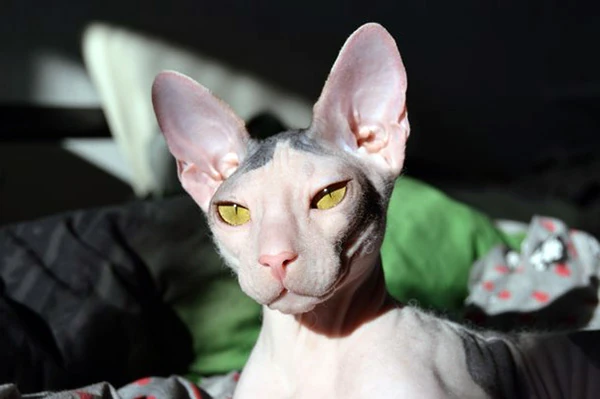
The Mexican Hairless cat, also known as the Xoloitzcuintli cat, shares its name with the famous Mexican hairless dog but is much rarer. This breed is known for its lack of fur, which might surprise you with how warm and affectionate they are despite their unusual appearance. Their skin can be spotted or plain, and they require special care to protect them from sunburn and cold weather.
Physical Traits And Temperament
These cats tend to have lean, muscular bodies and large ears, giving them an alert and curious look. Their temperament is often playful yet loyal, making them excellent companions if you enjoy interactive pets. Have you ever met a cat that seemed almost like a little dog in how it bonds with its owner?
How To Care For Mexican-origin Cats
Caring for cats from Mexico, especially hairless ones, means paying close attention to their skin health. You need to moisturize their skin regularly and protect them from environmental extremes. Understanding their needs can help you provide a comfortable home, especially if you’re used to furrier breeds.
Why These Breeds Matter
These cats carry a piece of Mexican heritage and show how cats can adapt to different environments. Owning a Mexican breed can be a conversation starter and a way to celebrate cultural diversity in the pet world. What stories could your cat share if it could talk about its origins?
Distinct Traits Of Mexican Cats
Mexican cat breeds stand out with unique traits that reflect their rich heritage and environment. These characteristics make them not just beautiful companions but also fascinating subjects for any cat lover. Understanding these traits helps you appreciate what sets Mexican cats apart from others around the world.
Physical Characteristics Unique To Mexican Cats
Mexican cats often showcase a sturdy build with sleek, short coats that suit the warm climate. Their fur patterns can include distinct spots or stripes, which serve as natural camouflage. Many have large, expressive eyes that seem to tell stories of their wild ancestry.
Behavioral Traits And Temperament
These cats tend to be highly social and affectionate, often forming strong bonds with their owners. They’re known for their playful spirit and curiosity, which keeps them active and engaged. Have you noticed how some Mexican breeds quickly adapt to new environments? This adaptability is a key survival trait.
Health And Longevity Factors
Mexican cats generally enjoy good health thanks to their genetic diversity and natural resilience. However, some breeds may be prone to specific conditions, so regular vet check-ups are essential. Paying attention to their diet and exercise can significantly extend their lifespan and quality of life.
Distinctive Vocalizations And Communication
Many Mexican cats have a unique way of communicating, often using a range of vocal sounds from soft purrs to distinct chirps. These sounds help them express their needs and emotions clearly. Have you ever noticed how a cat’s voice changes depending on who they’re talking to?
Historical Background
When you think of cat breeds, Mexico might not be the first country that comes to mind. However, its rich history and diverse culture have contributed to the unique tapestry of feline genetics. The historical backdrop of Mexico provides fascinating insights into the development and recognition of cat breeds.
Historical Influence Of Ancient Civilizations
Mexico’s ancient civilizations, such as the Aztecs and Mayans, are renowned for their deep connections with nature and animals. Cats, although not domesticated in the way they are today, played important roles in these societies. Did you know that cats were often seen as mystical creatures, believed to possess protective powers?
These beliefs influenced the way cats were treated and bred, laying the groundwork for future developments in Mexican feline breeds. As a cat enthusiast, you might find it intriguing to learn how these ancient perceptions have subtly shaped the characteristics we see in some Mexican cats today.
Colonial Impact On Feline Genetics
The arrival of Spanish colonizers brought new animal species to Mexico, including various European cat breeds. This introduction of new genetics allowed for a diverse breeding pool, which led to the emergence of distinct characteristics in local cats. Imagine the mingling of Spanish cats with the native ones, creating a unique blend that would intrigue any cat lover.
With each passing century, these genetic exchanges contributed to the rich diversity of cat breeds in the region. As you explore the history of Mexican cats, consider how colonial influences have shaped the breeds that we admire today.
Recognition Of Mexican Cat Breeds
In modern times, efforts have been made to formally recognize and preserve Mexican cat breeds. Organizations and enthusiasts have worked tirelessly to document and promote these unique felines. Have you ever wondered how many breeds from Mexico have gained international recognition?
While the journey to recognition can be challenging, the dedication to preserving these breeds speaks volumes about their cultural significance. As you dive deeper into the world of Mexican cats, consider the pride and passion involved in celebrating these beautiful animals.
Popular Mexican Cat Breeds
Mexico has a rich history of unique cat breeds. These cats often reflect the country’s culture and climate. Among the breeds, some stand out for their distinct features and popularity. Many cat lovers admire these breeds for their appearance and friendly nature.
Mexican Hairless Cat
The Mexican Hairless Cat, also called the Xoloitzcuintli or Xolo for short, is Mexico’s most famous cat breed. It has smooth, hairless skin that feels warm to touch. This breed has been around for thousands of years. Ancient Aztecs believed these cats had special powers.
Xolos are medium-sized and have large ears. They are friendly and social pets. They need less grooming than furry cats. Their unique look makes them a favorite among cat enthusiasts.
Other Notable Breeds
Besides the Mexican Hairless Cat, Mexico has other interesting breeds. These cats may not be as well known but still have special traits. Some have short hair with colorful patterns. Others have a lively and playful personality.
- Mexican Bobtail – Known for its short, stubby tail and energetic nature.
- Mexican Blue – A rare breed with soft blue-gray fur and calm temperament.
- Mexican Shorthair – Common street cats that are friendly and adaptable.
These breeds add variety to Mexico’s feline heritage. They show the natural diversity of cats in the region. Many are well-loved pets in Mexican homes today.
Genetics And Evolution
Genetics and evolution shape the origin of cat breeds in Mexico. These natural processes influence traits and diversity in feline populations. Understanding genetics helps trace how breeds developed over time.
Evolution acts through natural selection, favoring traits that suit the environment. Mexico’s climate and geography create unique challenges and opportunities for cats. This results in breeds with distinct physical and behavioral characteristics.
Genetic Markers Unique To Mexican Cat Breeds
Certain genetic markers appear only in cats from Mexico. These markers help identify breeds and their origins. Scientists use DNA testing to study these markers and track lineage.
- Coat color genes linked to desert environments
- Resistance to local diseases
- Adaptations for heat tolerance
Evolutionary Adaptations To The Mexican Environment
Cats in Mexico show traits suited to local habitats. These include:
- Shorter fur for hot climates
- Strong hunting instincts for desert prey
- Agility to navigate rocky terrain
Role Of Human Influence On Cat Genetics In Mexico
Humans have shaped cat genetics through breeding and domestication. Selective breeding enhances desired traits. Traditional communities often favored cats with specific skills or appearances.
- Breeding for companionship or pest control
- Preserving native breeds through cultural practices
- Mixing with imported cats changes gene pools
Cultural Significance
Cat breeds that originated in Mexico carry deep cultural importance. They are more than just pets; they are part of Mexico’s rich history and traditions. These cats often symbolize traits admired by local communities. Their presence in folklore and art highlights their lasting influence.
Understanding this cultural significance helps us appreciate these breeds beyond their physical traits. It shows how animals and humans share connections that span centuries. Mexican cat breeds remind us of the bond between nature and culture.
Cats In Mexican Folklore And Mythology
Cats appear in many Mexican stories and legends. They are sometimes seen as guardians or magical creatures. These tales reflect respect and mystery surrounding cats in Mexican culture. Stories passed down through generations keep these beliefs alive.
Representation In Mexican Art And Craft
Mexican artists often include cats in their paintings and crafts. These images show cats in vibrant colors and intricate designs. They symbolize protection, luck, or family ties. Art helps preserve the cultural importance of Mexican cat breeds.
Role In Traditional Mexican Households
Cats have long been part of Mexican homes. They help control pests and provide companionship. Families often treat cats with care and respect. This daily presence strengthens the cultural bond with these animals.
Symbolism In Mexican Festivals And Rituals
Some Mexican festivals include cats as symbols of protection or transformation. Rituals may involve cats to honor ancestors or nature spirits. These practices show how cats connect people to their heritage.
Care Tips For Mexican Cats
Mexican cat breeds, such as the distinctive Mexican Hairless (or Aztec Cat), require care that respects their unique traits. These cats often have specific needs due to their origins and physical characteristics. Understanding the right care can help you keep your Mexican cat healthy and happy.
Nutrition And Diet Considerations
Mexican cats tend to have lean bodies and may need a diet rich in protein to maintain muscle tone. You should provide high-quality cat food that supports their energy levels and skin health.
Have you ever noticed how some cats prefer wet food over dry? Offering a mix can keep your cat hydrated and interested in meals.
Skin Care And Protection
Hairless breeds like the Mexican Hairless need special attention to their skin. Their exposed skin can dry out or get sunburned easily, so regular moisturizing with vet-approved lotions is important.
Do you live in a sunny climate? Applying pet-safe sunscreen before outdoor time can protect your cat’s skin from damage.
Exercise And Mental Stimulation
Mexican cats are often active and curious, so providing toys and interactive playtime is essential. This keeps them engaged and prevents boredom-related behavior issues.
Have you tried puzzle feeders or interactive toys? They can challenge your cat’s mind and improve their overall well-being.
Regular Veterinary Check-ups
Routine vet visits help catch any health issues early, especially with breeds that might have genetic sensitivities. Vaccinations and parasite prevention are key parts of care.
Do you keep a health journal for your cat? Tracking their vet visits and health changes can make managing their care easier.
Credit: www.thewildlifediaries.com
Credit: www.worldatlas.com
Frequently Asked Questions
How Many Cat Breeds Originated In Mexico?
Mexico is home to one recognized cat breed, the Mexican Hairless Cat, also known as the Aztec Cat. This breed is unique due to its hairless appearance and historical significance.
What Is Special About The Mexican Hairless Cat?
The Mexican Hairless Cat is known for its lack of fur and friendly nature. It has a slender body, large ears, and is highly intelligent, making it a fascinating breed.
Are Mexican Cat Breeds Hypoallergenic?
Yes, the Mexican Hairless Cat is considered hypoallergenic. Its lack of fur reduces allergens, making it suitable for people with mild allergies to cats.
How Old Is The Mexican Hairless Cat Breed?
The Mexican Hairless Cat’s history dates back several centuries. It has roots in ancient Aztec culture, making it one of the oldest known hairless cat breeds.
Conclusion
Mexico is home to unique cat breeds with rich histories. These cats show the country’s natural beauty and culture. Knowing their origins helps us appreciate their special traits. Each breed has its own charm and story. Exploring these cats adds fun to learning about Mexico.
Whether you love cats or culture, this topic is worth exploring. Discovering these breeds connects us to nature and heritage. Mexican cat breeds stand out in the world of pets. They remind us how diverse and interesting cats can be.

Leave a Reply