If you have a cat at home or are thinking about bringing one into your life, you probably want to make sure your furry friends get along. But did you know some dog breeds simply don’t mix well with cats?
Understanding which breeds might cause tension can save you from stress, scratches, and unhappy pets. You’ll discover the key dog breeds that struggle to live peacefully with cats—and why. Keep reading to protect your pets and create a calm, happy home for everyone.
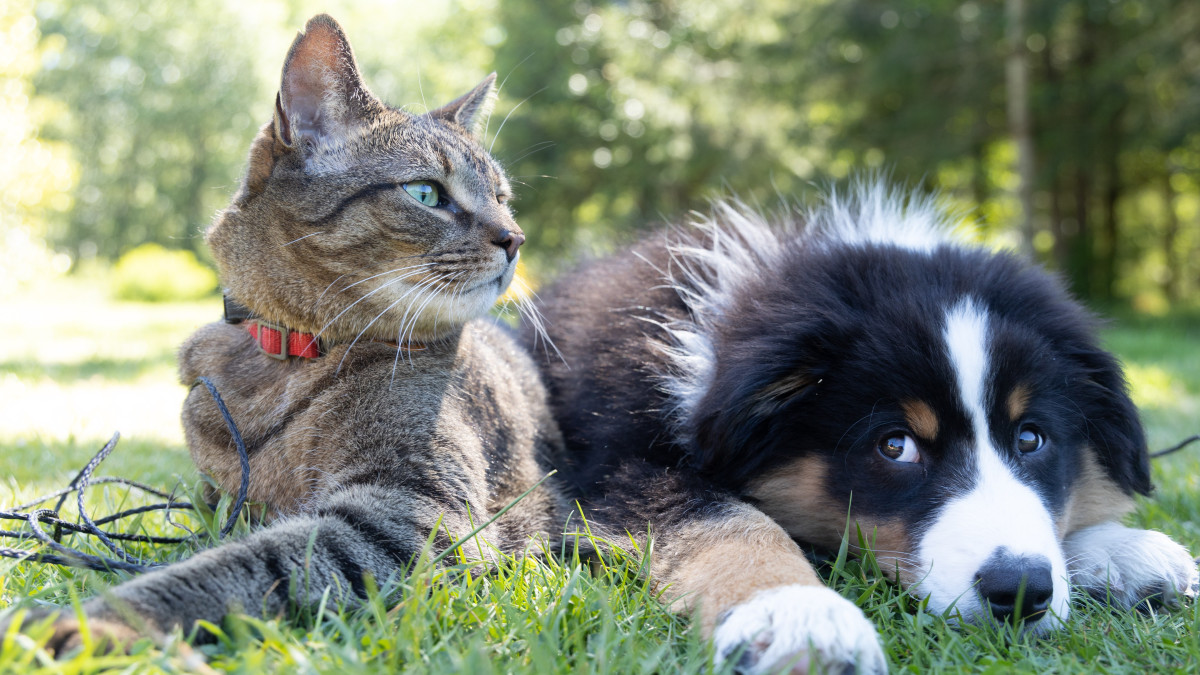
Credit: pethelpful.com
Dog Breeds That Clash With Cats
Not all dogs enjoy the company of cats. Some breeds naturally have traits that make living with cats difficult. Understanding which dog breeds clash with cats helps prevent stress for both pets. It also keeps your home peaceful and safe.
High Prey Drive Breeds
Dogs with a strong prey drive often see cats as something to chase. This instinct can lead to dangerous situations for cats. Breeds like the Greyhound, Siberian Husky, and Jack Russell Terrier fall into this category. They may find it hard to resist chasing a cat, even if trained well.
Territorial And Protective Dogs
Some dogs are very protective of their space and family. They can view cats as intruders. Breeds such as the Doberman Pinscher, Rottweiler, and Akita often show territorial behavior. These dogs might react aggressively to a cat’s presence, causing tension in the household.
Independent And Stubborn Breeds
Independent dogs may ignore training and act on their own will. This trait makes managing their behavior around cats tricky. Breeds like the Afghan Hound, Bulldog, and Chow Chow are known for stubbornness. They may not accept a cat sharing their home easily.
Cat Breeds That Struggle With Dogs
Certain cat breeds find it harder to live peacefully with dogs. Their personalities and instincts shape these challenges. Some cats get nervous and hide, while others act out with aggression. Understanding these traits helps pet owners choose the best companions for their homes.
Timid And Shy Cat Breeds
Shy cats often feel stressed around dogs. They may hide or freeze when dogs approach. This behavior can lead to anxiety and fear over time.
- Russian Blue:Quiet and gentle, they prefer calm environments.
- Scottish Fold:Sensitive to noise and sudden movements.
- Ragdoll:Relaxed but easily startled by boisterous dogs.
These breeds need gentle introductions and patience to adjust to dogs. Otherwise, they might avoid socializing or become very fearful.
Aggressive And Territorial Cats
Some cats defend their space fiercely against dogs. They may hiss, swat, or chase dogs away. This behavior protects their territory but can cause conflicts.
- Siamese:Vocal and assertive, they often challenge other pets.
- Maine Coon:Large and confident, they guard their home actively.
- Turkish Van:Strong-willed and territorial, they dislike intruders.
These cats need clear boundaries and careful supervision around dogs. Without it, tensions can rise quickly and lead to fights.
Behavioral Traits Leading To Conflicts
Certain dog breeds have behaviors that can lead to cat conflicts. Understanding these traits helps in managing pet harmony. Dogs and cats communicate differently. This can cause misunderstandings and tension.
Chasing Instincts
Many breeds have a strong chasing instinct. They see small, moving things and want to chase. Cats often move quickly, triggering this response. Breeds like Greyhounds and Terriers have strong chasing instincts. This can scare cats, causing stress in both animals.
Resource Guarding
Some dogs guard their resources fiercely. This includes food, toys, or even space. Cats may try to share or explore, causing friction. Breeds like Bulldogs and Rottweilers often guard resources. This behavior can lead to conflicts over shared spaces.
Communication Differences
Dogs and cats communicate in different ways. A dog’s playful bark might seem threatening to a cat. Cats use body language that dogs may not understand. Breeds less tuned to feline cues might misinterpret intentions. This can lead to unnecessary aggression or fear.
Environment And Socialization Factors
Understanding how environment and socialization affect the relationship between certain dog breeds and cats is crucial. Some breeds may have natural instincts or energy levels that challenge peaceful coexistence. However, the right environment and early social experiences can make a significant difference in how they get along.
Early Exposure Benefits
Introducing dogs and cats to each other at a young age often leads to better tolerance and even friendship. Puppies exposed to cats tend to see them as part of their social group rather than prey or competitors. This early exposure helps reduce fear and aggression later on.
Think about your own experience with pets: did your dog grow up around cats? If not, it’s never too late but expect more patience will be needed. Starting slow with supervised interactions can create positive memories for both animals.
Safe Spaces For Cats
Cats need places where they feel secure and can retreat from a dog’s presence if needed. Elevated perches, quiet rooms, or gated areas provide essential refuge. Without these safe zones, cats may become stressed and defensive.
Make sure your cat has multiple escape routes and cozy spots away from the dog’s reach. This setup helps reduce tension and gives your feline friend control over their environment. Have you noticed your cat hiding more when your dog is around? It’s a clear sign to improve their safe spaces.
Training Tips For Harmony
Consistent training focused on calm behavior around cats helps breeds with high prey drive or excitement levels. Teaching commands like “leave it” or “stay” allows you to manage interactions effectively. Reward calm behavior to encourage peaceful coexistence.
Use gradual introductions and never force contact between your dog and cat. Patience and positive reinforcement shape better habits over time. Ask yourself: how often do you reward your dog for ignoring the cat? Small rewards can lead to big improvements.
Signs Of Tension Between Pets
Pets that do not get along often show clear signs of tension. Recognizing these signs early can help avoid fights and keep peace at home. Both dogs and cats have ways to express discomfort or fear. Understanding these signals is key to managing their relationship.
Body Language To Watch
- Stiff posture or raised hackles in dogs
- Flattened ears or arched back in cats
- Tail flicking or puffed-up tail in both pets
- Avoiding eye contact or staring intensely
- Crouching low or trying to hide
- Growling or baring teeth combined with tense muscles
Vocalizations And Signals
- Low growls or snarls from dogs
- Hissing or yowling from cats
- Repeated barking or meowing with an urgent tone
- Whining or whimpering indicating stress
- Sudden silence after noisy interactions
Preventing Escalation
- Separate pets at the first sign of tension
- Provide safe spaces where each pet can retreat
- Use calm, firm commands to redirect attention
- Avoid forcing interactions between uneasy pets
- Introduce pets slowly and under supervision
- Consult a professional if aggressive behavior continues

Credit: www.dailyrecord.co.uk
Alternatives For Pet Owners
Owning pets that get along is vital for a happy home. Some dog breeds do not mix well with cats, causing stress and conflict. Pet owners can explore alternatives that promote peace and comfort for all animals involved.
Choosing the right pets can prevent many issues. Careful planning helps create a friendly environment for cats and dogs alike.
Choosing Compatible Breeds
Select breeds known for their calm nature around cats. Smaller, less aggressive dogs often adapt better. Breeds like Cavalier King Charles Spaniels or Basset Hounds tend to coexist peacefully.
Consider the cat’s personality too. A shy cat may need a gentle dog breed. Matching temperaments improves the chance of harmony.
Introducing Pets Gradually
Slow introductions reduce fear and aggression. Start by keeping pets separated but allow them to smell each other’s scent. Use barriers like baby gates.
Gradually increase supervised face-to-face meetings. Watch body language closely for signs of stress or aggression. Patience is key during this process.
Professional Help And Training
Experts can guide pet owners through introductions and behavior issues. Trainers and animal behaviorists offer tailored advice.
Obedience training for dogs helps control impulses around cats. Reward-based methods encourage positive interactions.
Seek help early to avoid dangerous situations. Professional support improves success rates and keeps pets safe.

Credit: www.oliverpetcare.com
Frequently Asked Questions
Which Dog Breeds Usually Don’t Get Along With Cats?
Certain dog breeds like Greyhounds, Terriers, and Huskies often struggle with cats. Their high prey drive and energy can stress cats. Proper introduction and training may help, but these breeds generally require careful supervision around cats for safety.
Why Do Some Breeds Dislike Cats More Than Others?
Some breeds have a strong prey drive or territorial nature, making them less tolerant of cats. Instincts to chase or hunt small animals can cause conflicts. Breed temperament plays a key role in how well dogs and cats coexist.
Can Aggressive Dog Breeds Live Peacefully With Cats?
Aggressive breeds may coexist with cats if socialized early and trained properly. However, their natural tendencies require diligent supervision. Not all aggressive breeds are cat-friendly, so owners must assess individual personalities carefully before introducing them.
How To Safely Introduce Cats To Dog Breeds That Dislike Them?
Introduce pets slowly in neutral spaces. Use leashes and barriers initially. Reward calm behavior and monitor closely. Patience and gradual exposure reduce stress and build positive associations, improving chances of peaceful coexistence between cats and wary dog breeds.
Conclusion
Some dog breeds may not get along well with cats. This can cause stress for both pets and owners. Knowing which breeds tend to clash helps you choose wisely. Always watch their first meetings closely and be patient. Training and socializing dogs early can improve their behavior.
Remember, every animal is different, so observe their reactions carefully. Peace at home starts with understanding your pets’ needs. Keep your furry friends safe and happy together.



Leave a Reply