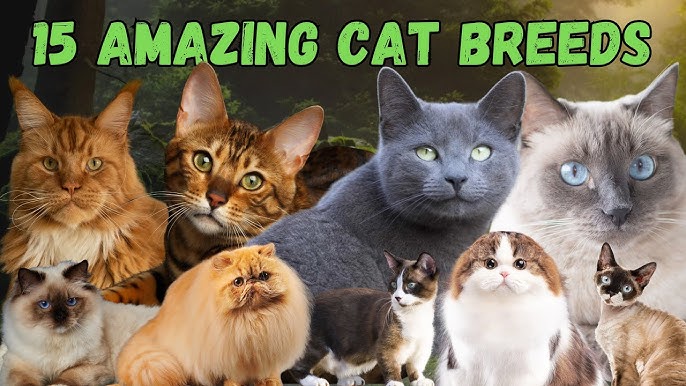
Are you thinking about adding a furry friend to your home? Choosing the right cat breed can make all the difference in your happiness and your cat’s well-being.
But not all cats fit every lifestyle. Some breeds come with challenges that might surprise you. If you want to avoid headaches and ensure a perfect match, understanding which cat breeds can be tricky is crucial. Keep reading, because knowing the worst cat breeds for certain situations could save you time, stress, and heartache.
Your ideal companion is out there—let’s find out which ones might not be the best fit for you.

Credit: www.youtube.com
Traits That Make Cats Challenging
Understanding what makes certain cat breeds challenging helps you decide if a particular feline fits your lifestyle. Some cats come with traits that demand more patience, time, and resources. Knowing these traits can save you from unexpected struggles and help you provide the best care possible.
Behavioral Issues
Some cat breeds are known for their strong-willed and independent nature. This can lead to stubbornness when it comes to training or following house rules. You might find your cat scratching furniture excessively or being less sociable than you’d expect.
For example, breeds like the Siamese are very vocal and demand constant attention. If you work long hours, this could become a source of stress for both you and your cat. Ask yourself: Can you handle a pet that requires frequent interaction and has a loud personality?
Health Problems
Certain breeds are prone to genetic health issues, which means more vet visits and medical expenses. Persian cats, for instance, often suffer from respiratory problems due to their flat faces. This can affect their quality of life and require special care.
Owning a breed with known health problems means you must be vigilant. Regular check-ups and a proper diet become critical. Are you ready to commit to the extra care some breeds demand?
High Maintenance Needs
Some cats require more grooming and attention than others. Long-haired breeds like the Maine Coon need daily brushing to prevent mats and tangles. Skipping this can lead to painful skin issues and discomfort.
Besides grooming, certain breeds thrive on mental stimulation and playtime. Without enough engagement, they might develop destructive habits. Can your schedule accommodate these extra needs?

Credit: allergydefender.com
Breeds Known For Difficult Temperaments
Some cat breeds are famous for their charming looks but come with challenging temperaments. These cats can test your patience and require a lot of attention and understanding. If you want a pet that fits smoothly into your lifestyle, knowing which breeds might be difficult helps you make a smarter choice.
Siamese Cats
Siamese cats are incredibly vocal and demand constant interaction. Their loud meows are not just cute; they express their need for attention and mental stimulation.
If left alone too long, they can become anxious or destructive. Are you ready to commit to a cat that acts more like a talkative roommate?
Bengal Cats
Bengals are energetic and need plenty of physical and mental exercise. Without it, they might resort to scratching furniture or jumping on counters.
Their wild appearance matches their bold personality, which can overwhelm first-time cat owners. Can you provide the active lifestyle a Bengal cat craves?
Sphynx Cats
Sphynx cats require more care than most breeds due to their lack of fur. They get cold easily and need frequent baths to remove oil buildup on their skin.
They are also known for being extremely social and can become clingy or stressed if ignored. Do you have the time and patience for a cat that demands constant companionship?
Breeds Prone To Health Complications
Certain cat breeds face more health issues than others. These issues arise from their genetic makeup. Understanding these breeds helps in managing their health better. Here, we’ll explore some cat breeds prone to health complications.
Persian Cats
Persian cats are known for their flat faces. This facial structure causes breathing problems. They often suffer from brachycephalic airway syndrome. Their eyes are prone to excessive tearing. Persians also face dental issues due to their jaw structure. Regular veterinary care is essential for their wellbeing.
Scottish Folds
Scottish Folds have a unique ear shape. Their folded ears result from a genetic mutation. This mutation causes cartilage issues in their body. They often suffer from joint pain and arthritis. Movement can become painful as they age. Owners should monitor their mobility closely.
Maine Coons
Maine Coons are one of the largest cat breeds. Their size makes them prone to hip dysplasia. This condition affects their movement and comfort. Heart disease is another concern for Maine Coons. Hypertrophic cardiomyopathy affects their heart muscles. Regular heart check-ups are crucial for them.
Environmental Needs And Challenges
Understanding the environmental needs and challenges of certain cat breeds can help you decide if they fit well in your home. Some cats require more attention to their surroundings than others. Ignoring these needs can lead to stress for both you and your pet.
Activity Levels And Space Requirements
Some cat breeds are highly energetic and demand plenty of space to run and play. For example, Bengal cats thrive in homes with room for climbing and exploring. If your living space is limited, these active breeds might become restless or destructive.
On the other hand, breeds like the Persian prefer calm environments and less physical activity. You should consider how much time you can dedicate to play and exercise. Do you have enough space to keep an active cat entertained?
Grooming And Care Demands
Certain breeds require significant grooming, which can be time-consuming. Long-haired cats like the Maine Coon need daily brushing to prevent mats and tangles. Skipping this care can cause discomfort and health issues for your cat.
Short-haired breeds may need less maintenance but still benefit from regular care. Are you ready to commit to the grooming routine your cat’s breed requires? Understanding this can save you from future frustration.
Impact On Owners And Families
The impact of certain cat breeds on owners and families can be significant. Some breeds demand more attention and care than others. This can affect daily routines and emotional well-being. Families may face challenges that they did not expect when choosing a cat breed. Understanding these impacts helps in making better pet choices.
Time Commitment
Certain cat breeds require extensive daily care. Grooming needs can be high, with some cats needing brushing every day. Playtime and mental stimulation also take time. Owners may spend hours each week on these activities. Lack of time can lead to a stressed cat and unhappy owner.
Emotional Stress
Some cat breeds have strong personalities and can be demanding. They may show behaviors like scratching or loud meowing. This can cause frustration and anxiety in families. Children and elderly family members might find these behaviors hard to handle. Emotional stress can reduce the joy of having a pet.
Financial Costs
Owning certain cat breeds can be expensive. Medical care for breeds prone to health issues costs more. Special food, grooming tools, and toys add up quickly. Unexpected vet bills can strain a family’s budget. Financial stress may lead to difficult decisions about pet care.
Choosing The Right Cat Breed
Choosing the right cat breed is more than picking a pretty face. Your daily routine, home environment, and personality all play a big role in finding a cat that fits well with your life. A mismatch can lead to frustration for both you and your feline friend.
Matching Lifestyle And Personality
Think about how much time you spend at home. Some cats demand constant attention, while others prefer independence. If you’re often busy or travel, a low-maintenance breed might suit you better.
Consider your personality too. Are you calm and quiet, or energetic and playful? A cat’s temperament should complement yours to build a strong bond. For example, if you love quiet evenings, a high-energy cat could feel overwhelming.
Researching Breed Characteristics
Not all cats are the same. Some breeds shed a lot, while others are hypoallergenic. Knowing these traits helps avoid surprises later.
Look into health issues common to the breed. Certain breeds are prone to specific illnesses that can affect your time and finances. A quick online search or talking to breeders can reveal valuable insights.
Have you asked cat owners about their experiences? Real stories often highlight challenges that breed descriptions don’t mention. This can guide you to make a more informed choice.

Credit: www.petbook-magazine.com
Frequently Asked Questions
What Defines The Worst Cat Breeds For Owners?
The worst cat breeds often have high grooming needs, health issues, or challenging temperaments. These traits make care demanding for many owners. Understanding breed traits helps match cats with the right families, improving pet and owner happiness.
Which Cat Breeds Have Behavioral Problems?
Some breeds, like the Siamese or Bengal, can be more vocal or active. This behavior may overwhelm owners seeking calm pets. Knowing breed tendencies aids in choosing cats that fit your lifestyle and home environment.
Are Certain Cat Breeds Prone To Health Issues?
Yes, breeds like Persians and Scottish Folds often face genetic health problems. These can include respiratory or joint issues. Prospective owners should research breed-specific health risks before adopting to prepare for proper care.
How Do Grooming Needs Affect Cat Breed Suitability?
Breeds with long hair, such as Maine Coons or Persians, require frequent grooming. Lack of grooming can cause matting and skin problems. Choosing a breed with manageable grooming needs suits busy owners better.
Conclusion
Choosing the right cat breed matters for your home and lifestyle. Some breeds need more care or attention than others. Knowing which cats might be challenging helps avoid surprises. Every cat is unique, but breed traits give clues. Think about your time, space, and patience before adopting.
A happy pet means a happy owner. Take your time to find a cat that fits well with you. This way, both you and your cat enjoy many joyful years together.

Leave a Reply