Have you ever wondered which cat breeds are so rare that most people have never seen them? If you’re a cat lover, discovering these unique felines can be exciting and surprising.
Imagine owning a cat that turns heads everywhere you go because of its unusual looks or mysterious origins. You’ll learn about the most rare cat breeds, what makes them special, and why they are so hard to find. Ready to uncover the hidden gems of the cat world?
Keep reading to find out!

Credit: www.aol.com
Rare Cat Breeds To Know
Rare cat breeds captivate cat lovers with their unique looks and fascinating histories. These breeds often come with distinctive features that make them stand out in any crowd. Knowing about these rare cats can deepen your appreciation for the diversity within the feline world and even inspire you to welcome one into your home.
Ashera Cat
The Ashera cat is one of the rarest and most expensive cat breeds. It is a hybrid of the African serval, Asian leopard cat, and domestic housecat. This breed is known for its large size, striking spotted coat, and wild appearance, which often surprises visitors.
Owning an Ashera means you need to be ready for a cat that is part wild. They require a lot of space and mental stimulation. Do you think you could provide an environment that meets their high energy needs?
Kurilian Bobtail
The Kurilian Bobtail is a rare breed from Russia and Japan, famous for its short, fluffy tail that looks like a pom-pom. These cats are excellent hunters and have a playful, affectionate personality. Their unique tail and strong build make them easy to spot among other cats.
What intrigues me about Kurilian Bobtails is their strong bond with their owners. They are loyal and often follow you around the house, almost like a dog. Have you ever met a cat that shows this kind of attachment?
Peterbald
Peterbald cats come from Russia and are known for their sleek, hairless bodies and elegant appearance. Their skin feels warm and soft to the touch, which many owners find comforting. Despite their delicate look, they are lively and friendly pets.
Hairless cats like the Peterbald need special care, especially in cold weather. Would you be prepared to manage their grooming and keep them warm during winter?
Laperm
The LaPerm stands out for its curly, soft fur that looks like it was gently waved by the wind. This breed is known for being affectionate and gentle, making it a great companion. Their unique coat texture makes them a favorite among cat enthusiasts who want something different.
I once met a LaPerm that loved curling up on laps, showing that rare breeds can be just as cuddly as common ones. How important is it for you to have a cat with a distinct look and sweet temperament?
Chausie
Chausies are a mix between domestic cats and wild jungle cats, giving them a wild yet approachable look. They have long legs, a muscular body, and short fur with wild patterns. These cats are active and intelligent, needing plenty of playtime and interaction.
Imagine having a cat that almost looks like a small leopard but is friendly and social. Would you enjoy the challenge of keeping such a high-energy breed happy and healthy?
Characteristics Of Exotic Cats
Exotic cats stand out with their rare and striking traits. They capture attention through unique looks and unusual personalities. These cats bring a special charm to any home. Their characteristics set them apart from common breeds.
Distinctive Features
- Uncommon coat patterns and colors that catch the eye
- Unusual body shapes, such as slender or muscular builds
- Large, expressive eyes that reveal emotions clearly
- Soft, plush fur or very short, sleek coats
- Distinctive ear shapes, including curled or tufted tips
- Unique facial structures like flat noses or high cheekbones
Unique Behaviors
- Strong bonds with owners, often more affectionate than other cats
- High intelligence, making them quick learners
- Playful and curious nature that keeps them active
- Some breeds enjoy water, unlike typical cats
- Vocal communication varies; some are very talkative
- Tendency to seek attention and enjoy social interaction
Top Rare Cat Breeds
When you think about cats, you might picture the common tabby or the luxurious Persian. But have you ever wondered about the world’s most rare cat breeds? These unique felines are not just a sight to behold but also offer intriguing personalities and characteristics. Here, we delve into some of the top rare cat breeds that might just surprise you.
Serengeti Cat
The Serengeti Cat is a striking breed known for its elegant, wild appearance. Developed by crossing Bengal and Oriental Shorthair cats, these felines boast long legs and a spotted coat reminiscent of a wild African serval. If you love the idea of owning an exotic-looking cat with a friendly disposition, the Serengeti might be your perfect match.
Kurilian Bobtail
Originating from the Kuril Islands, the Kurilian Bobtail is famous for its distinctive, pom-pom-like tail. These cats are not only rare but also known for their intelligence and playful nature. Despite their wild origins, they adapt well to domestic life and are known to form strong bonds with their owners.
Peterbald
The Peterbald is a hairless breed that captures attention with its sleek, elegant look. Originating from Russia, these cats are affectionate and love human companionship. Their lack of fur means they require minimal grooming, but they do need extra warmth and care during colder months.
American Wirehair
With its unique, springy coat, the American Wirehair is truly one-of-a-kind. This breed was discovered in upstate New York and has since become a rare gem in the cat world. They are known for their easy-going nature and adaptability, making them great companions for families.
Chausie
The Chausie is a hybrid breed with roots in the wild jungle cats of Asia. Known for its athletic build and active lifestyle, the Chausie is perfect for those who enjoy a playful and energetic pet. These cats thrive in environments where they can explore and engage in interactive play.
Sokoke
Hailing from the Arabuko Sokoke Forest in Kenya, the Sokoke is one of the rarest cat breeds in the world. Its distinctive, ticked coat and sociable nature make it a standout choice for cat enthusiasts. Despite its wild origins, the Sokoke is known for its gentle and friendly demeanor.
These rare cat breeds offer a glimpse into the diverse and fascinating world of felines. Have you ever considered adopting one of these unique breeds? Their distinct characteristics might just make them the perfect addition to your home.

Credit: talis-us.com
Care Tips For Rare Cats
Caring for rare cat breeds requires more attention than you might expect. Their unique traits often mean special needs in diet, grooming, and health. Understanding these needs can help your rare feline friend live a happy and healthy life.
Diet And Nutrition
Rare cats may have specific dietary requirements due to their genetics or activity levels. You should provide high-quality protein to support their muscles and energy. Avoid fillers like corn and wheat, which offer little nutrition and might upset their stomach.
Some rare breeds, like the Sphynx, have faster metabolisms and need more calories. Have you noticed your cat’s energy levels dropping? It might be time to adjust their meals or consult your vet for tailored advice.
Grooming Needs
Grooming needs vary widely among rare breeds. For example, the Devon Rex has delicate curls that require gentle brushing to avoid damage. Meanwhile, the Siberian’s thick coat demands regular combing to prevent mats and tangles.
Don’t underestimate the power of grooming to bond with your cat. It also helps you spot skin issues or parasites early. How often do you check your cat’s coat and skin?
Health Considerations
Rare cats often face breed-specific health challenges. The Maine Coon, for instance, is prone to hypertrophic cardiomyopathy, a heart condition. Regular veterinary check-ups and screenings are essential to catch problems early.
Keep an eye on your cat’s behavior and habits. Changes might signal health concerns before symptoms become obvious. Are you familiar with the common health risks linked to your cat’s breed?
Finding And Adopting Exotic Cats
Finding and adopting exotic cats requires patience and care. These rare breeds need special attention and a good home. It is important to understand the right places to find them and the challenges involved. Responsible adoption helps protect these unique cats and supports their well-being.
Reputable Breeders
Reputable breeders focus on healthy and well-socialized cats. They follow ethical breeding practices and provide proper care. Visiting a breeder allows you to see the cat’s living conditions. Ask questions about the cat’s health history and temperament. Good breeders offer support even after adoption.
Rescue Organizations
Some rare cats end up in rescue groups or shelters. These organizations work hard to find loving homes. Rescues often have cats needing special care or medical attention. Adopting from a rescue helps save a life. They usually provide full medical checks and vaccinations.
Adoption Challenges
Exotic cats can be expensive and hard to find. Their special needs may require extra time and money. Some breeds need specific diets or grooming routines. Patience is essential during the adoption process. Understanding these challenges prepares you for a happy experience.
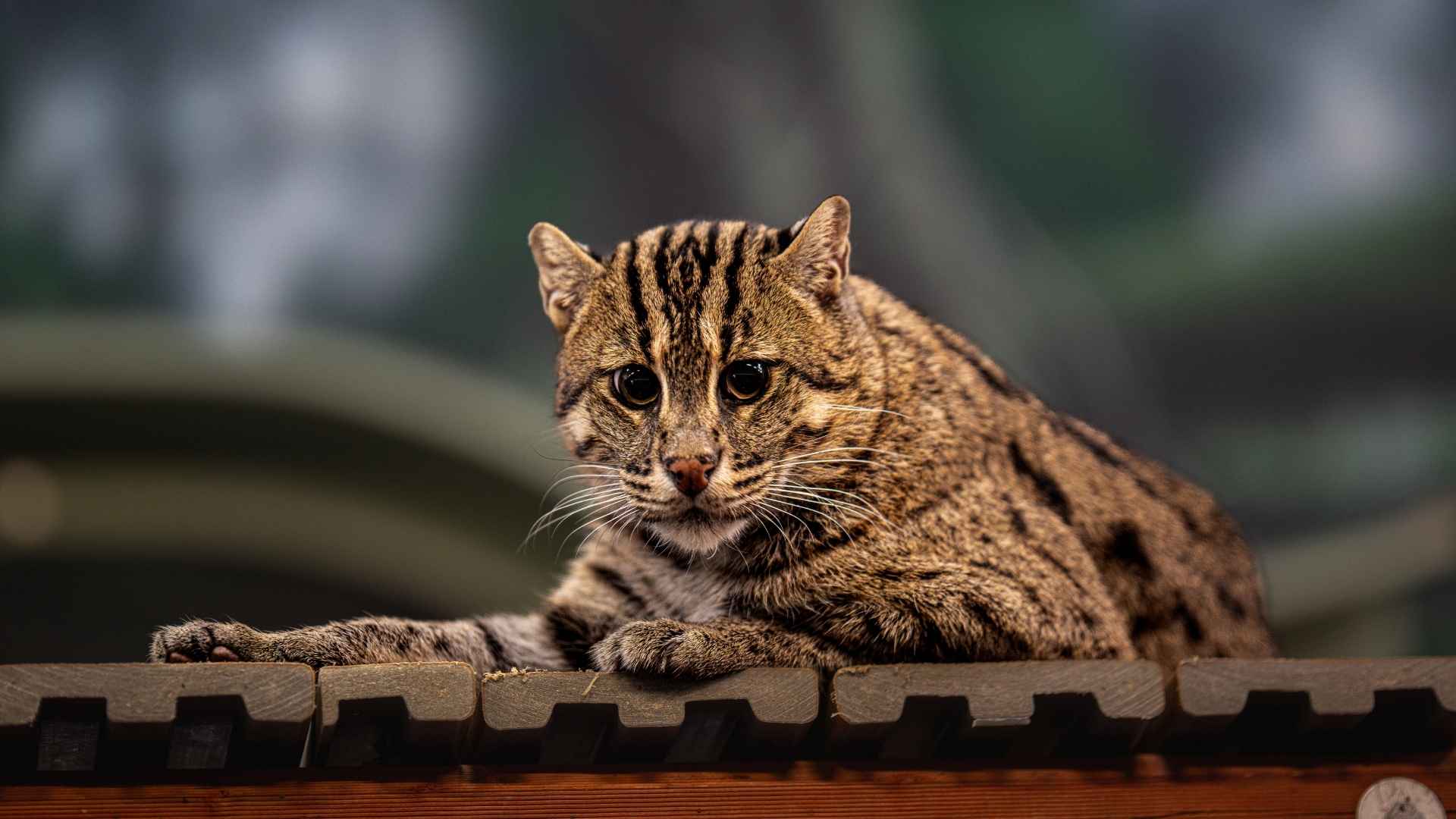
Credit: worldanimalfoundation.org
Why Choose A Rare Cat Breed
Choosing a rare cat breed means welcoming a truly unique companion into your home. These cats often carry traits and histories that set them apart from common breeds. If you want a pet that stands out and offers special qualities, rare breeds can be a perfect match for your lifestyle and personality.
Personality Traits
Rare cat breeds often have distinct and interesting personalities. Some are known for being exceptionally affectionate, while others are playful and curious. For example, the Sokoke cat is famous for its adventurous spirit and intelligence, making it a lively addition to your daily life.
Thinking about what personality fits your home is key. Do you want a calm and quiet cat or one that loves to interact and play? Choosing a rare breed lets you find a cat that matches your energy and preferences closely.
Compatibility With Families
Many rare cat breeds adapt well to family life, including homes with children or other pets. The Turkish Van, for instance, is known for its friendly nature and tolerance, making it a great family companion. These cats can be gentle and patient, which helps in busy households.
Ask yourself how much time you can dedicate to your cat’s social needs. Some rare breeds need more attention and interaction. Knowing this will help you pick a breed that fits seamlessly with your family’s routine.
Longevity And Health
Rare breeds often come with unique health profiles. Many have been carefully bred to reduce common genetic problems, resulting in longer lifespans. The Kurilian Bobtail, for example, is noted for its robust health and longevity, often living well into their late teens.
Owning a rare cat breed can mean fewer vet visits if you choose one with strong health traits. Are you ready to invest in proper care to enjoy many healthy years together? Understanding the breed’s health needs will help you prepare for a rewarding relationship.
Frequently Asked Questions
What Defines A Cat Breed As Rare?
A cat breed is rare due to limited population and unique traits. These cats have fewer breeders globally. Their distinct characteristics and scarcity make them uncommon pets.
Which Are The Top Rarest Cat Breeds?
Some top rare cat breeds include the Sokoke, Kurilian Bobtail, and Peterbald. Each has unique looks and personalities. Their rarity adds to their appeal for cat lovers.
How To Care For Rare Cat Breeds?
Caring for rare cats involves specialized diet, grooming, and regular vet visits. Understanding their unique needs ensures health. Early socialization and a safe environment are essential.
Are Rare Cat Breeds More Expensive?
Yes, rare cat breeds often cost more due to scarcity and breeding difficulty. Higher prices reflect their unique traits and limited availability. Adoption fees and maintenance can also be higher.
Conclusion
Rare cat breeds offer a unique charm that few can resist. These special cats bring joy and curiosity to any home. Their uncommon traits make them stand out in the pet world. Owning one means caring for a truly unique companion.
Every rare breed has its own story and personality. Choosing a rare cat can be a rewarding experience. Remember to research and understand their needs well. These cats need love, care, and attention to thrive. Embrace the rarity and enjoy the special bond you create.



Leave a Reply