Have you ever stopped to think about what happens when women are denied proper health care? It’s a problem that affects millions, yet it often goes unnoticed.
When women don’t get the medical attention they need, the consequences can be serious—not just for their health, but for their families and communities too. This isn’t just a distant issue; it could impact someone you know or even you.
Keep reading to discover the real challenges women face and why this matters more than you might realize.
Barriers To Women’s Health Care
Barriers to women’s health care create serious problems. These obstacles stop many women from getting the help they need. Health issues can grow worse without proper care. Understanding these barriers helps in finding solutions.
Economic Challenges
Many women cannot afford medical treatment. High costs for doctors and medicines limit access. Lack of insurance coverage makes care even harder. Women often prioritize family needs over their health. This leads to delayed or skipped medical visits.
Cultural And Social Stigma
In some communities, women face shame for seeking health care. Talking about reproductive health is often taboo. Fear of judgment stops women from asking for help. Social pressures can force silence on important health topics. This stigma creates a cycle of neglect and harm.
Geographical Limitations
Rural areas often lack nearby health facilities. Long distances and poor transport make visits difficult. Women in remote places may wait too long for care. Limited clinics mean fewer specialists and services. This gap leads to untreated illnesses and poor health outcomes.
Impact On Physical Health
Denial of health care to women leads to serious physical health problems. Without timely medical attention, many health issues go unnoticed and untreated. This neglect can cause minor problems to become severe. Women’s overall well-being suffers when they cannot access proper care.
Delayed Diagnoses
Women often face delays in receiving correct diagnoses. Early signs of illness may be missed without regular check-ups. This delay allows diseases to progress and become harder to treat. Conditions like cancer or heart disease need quick detection for better outcomes. When care is denied, life-threatening illnesses may go unnoticed until they are advanced.
Chronic Conditions Worsening
Chronic illnesses require ongoing management and regular monitoring. Without access to care, these conditions can worsen rapidly. Diseases such as diabetes, asthma, and hypertension become harder to control. Lack of treatment leads to complications and reduced quality of life. Women denied care face more hospital visits and severe symptoms.
Reproductive Health Risks
Reproductive health problems often need specialized care and attention. Denied access increases risks during pregnancy and childbirth. Untreated infections and conditions like endometriosis cause pain and infertility. Family planning services are critical to avoid unwanted pregnancies and health issues. Women without care face greater dangers to their reproductive system and overall health.
Mental Health Consequences
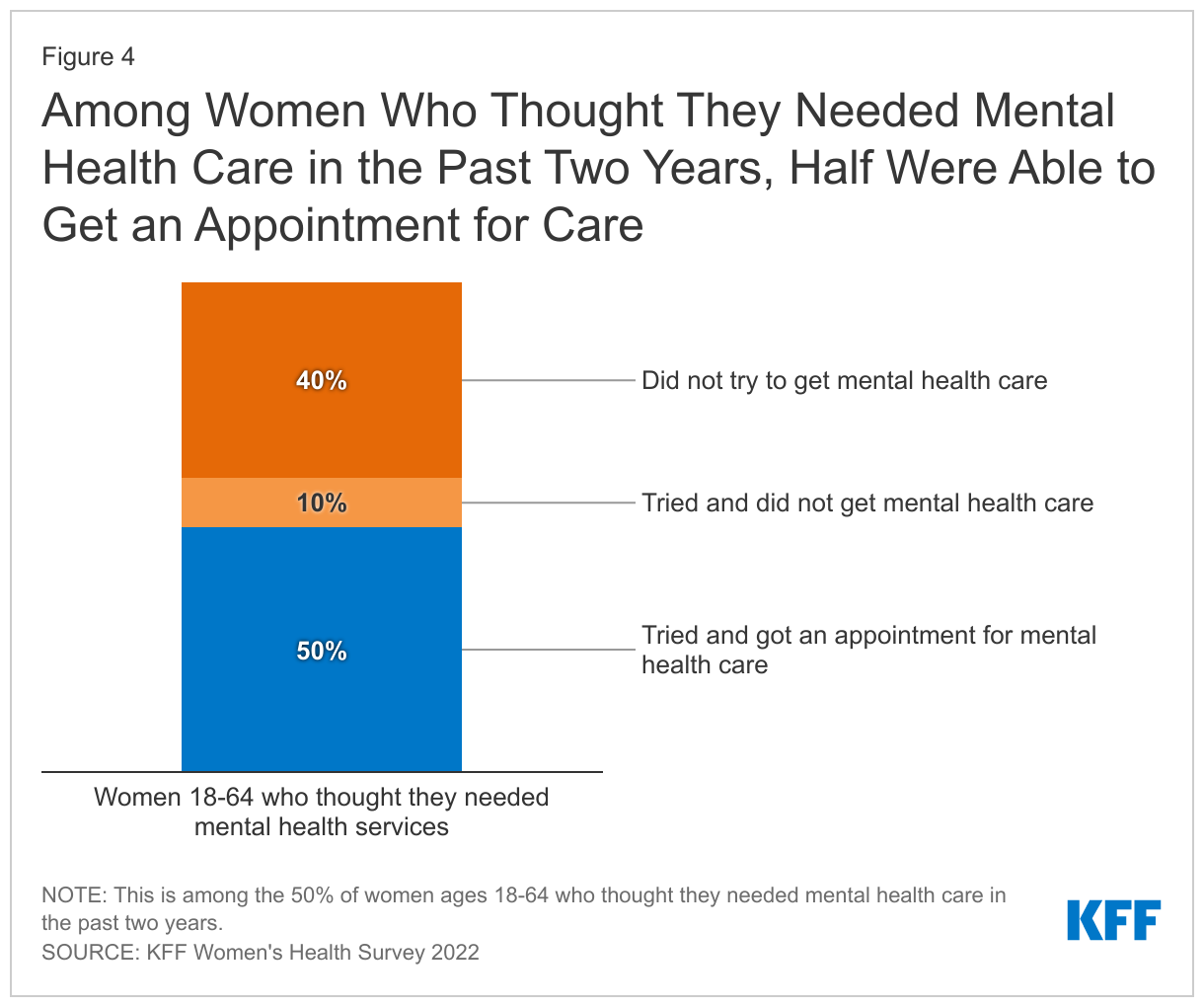
Denial of health care for women leads to serious mental health issues. Lack of medical support creates emotional strain and worsens psychological well-being. Mental health consequences affect daily life, relationships, and overall happiness. Understanding these effects highlights the urgent need for accessible health care for all women.
Stress And Anxiety
Women denied health care face constant stress and anxiety. Worry about untreated conditions causes fear and uncertainty. This ongoing tension can affect sleep and focus. Stress also weakens the immune system, making recovery harder.
Depression And Isolation
Without proper care, many women feel hopeless and depressed. They may withdraw from friends and family. Isolation grows as they struggle alone with health problems. Depression lowers energy and motivation, creating a cycle of suffering.
Effects Of Neglect
Health neglect damages both body and mind. Untreated illnesses can worsen, causing chronic pain and fatigue. Mental health declines as physical symptoms remain unmanaged. This neglect can lead to long-term emotional scars and reduced quality of life.

Credit: www.guttmacher.org
Legal And Ethical Concerns
Denial of health care to women raises serious legal and ethical questions. These issues affect not only the individual but also society’s commitment to fairness and justice.
Women have the right to receive proper medical treatment. When this right is denied, it breaches legal protections and ethical duties. This section explores the key concerns around this problem.
Patient Rights Violations
Every patient has the right to access health care. Denying women this access breaks laws that protect patient rights. This includes the right to informed consent and equal treatment.
Ignoring these rights can lead to harmful health outcomes. It also undermines trust in the health care system. Legal frameworks exist to protect these rights but are often ignored.
Discrimination In Medical Settings
Women often face bias or prejudice in health care environments. This discrimination can be based on gender, age, race, or socioeconomic status. Such bias leads to unequal treatment and denial of care.
Discrimination violates ethical principles of fairness and respect. Medical staff must treat all patients equally. Failure to do so perpetuates health disparities and harms women’s well-being.
Accountability And Advocacy
Health care providers must be held accountable for denying care. Laws and policies should enforce consequences for violations. Accountability ensures that patient rights are respected.
Advocacy groups play a vital role in protecting women’s health rights. They raise awareness and push for policy changes. Supporting these efforts helps create a fair health care system.
Societal And Economic Fallout
Denied healthcare for women leads to societal and economic problems. This issue affects not just individual women but entire communities. It creates a ripple effect that hinders growth and stability.
Workforce Impacts
Women unable to access healthcare often miss work. This affects productivity and economic output. Companies face increased costs due to absenteeism. It also limits the number of skilled workers in the job market.
Family And Community Strain
Families suffer when women can’t get proper healthcare. Women often manage family health, so their illness affects everyone. Communities lose their social balance. Support systems break down, creating further issues.
Healthcare System Burden
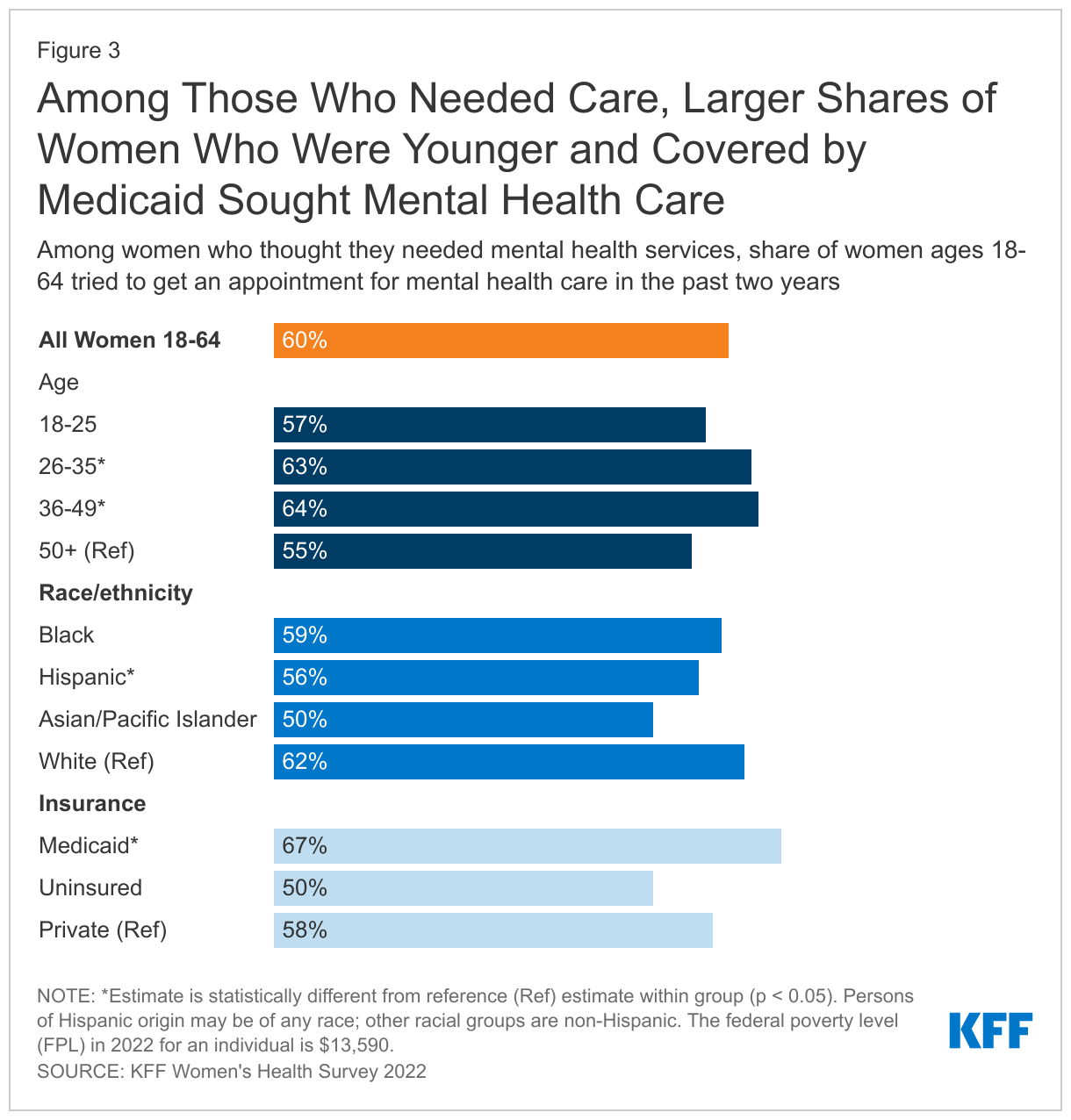
The healthcare system faces overload when women lack access. Emergency services become the first point of care. This strains resources and raises healthcare costs. Preventive care is cheaper and more effective.
Credit: www.kff.org
Paths To Improvement
Addressing the denial of healthcare to women requires clear, focused actions that target the root causes of the problem. Paths to improvement involve changes at multiple levels—from laws to local outreach to the very accessibility of services. Each step you take to understand these improvements can help push the conversation forward and create real change.
Policy Reforms
Strong policies set the foundation for equal healthcare access. Governments need to enforce laws that protect women’s rights to receive timely and adequate medical care. This includes mandating insurance coverage for essential women’s health services and cracking down on discrimination in healthcare settings.
Consider policies that promote paid maternity leave and support mental health—these can drastically improve outcomes. When you hear about a woman being denied care due to lack of insurance, think about how policy changes could prevent that from happening. What policies could your local leaders push for to make a difference?
Community Education
Education empowers women and communities to demand better healthcare. Informing women about their rights and available services helps them navigate the system confidently. Workshops, local campaigns, and partnerships with trusted community figures can spread crucial knowledge.
Many women miss out on care simply because they don’t know what they are entitled to or where to go. Have you seen community education programs that make a difference? Sharing stories of women who successfully accessed care after learning their rights can inspire others to take action.
Healthcare Accessibility Enhancements
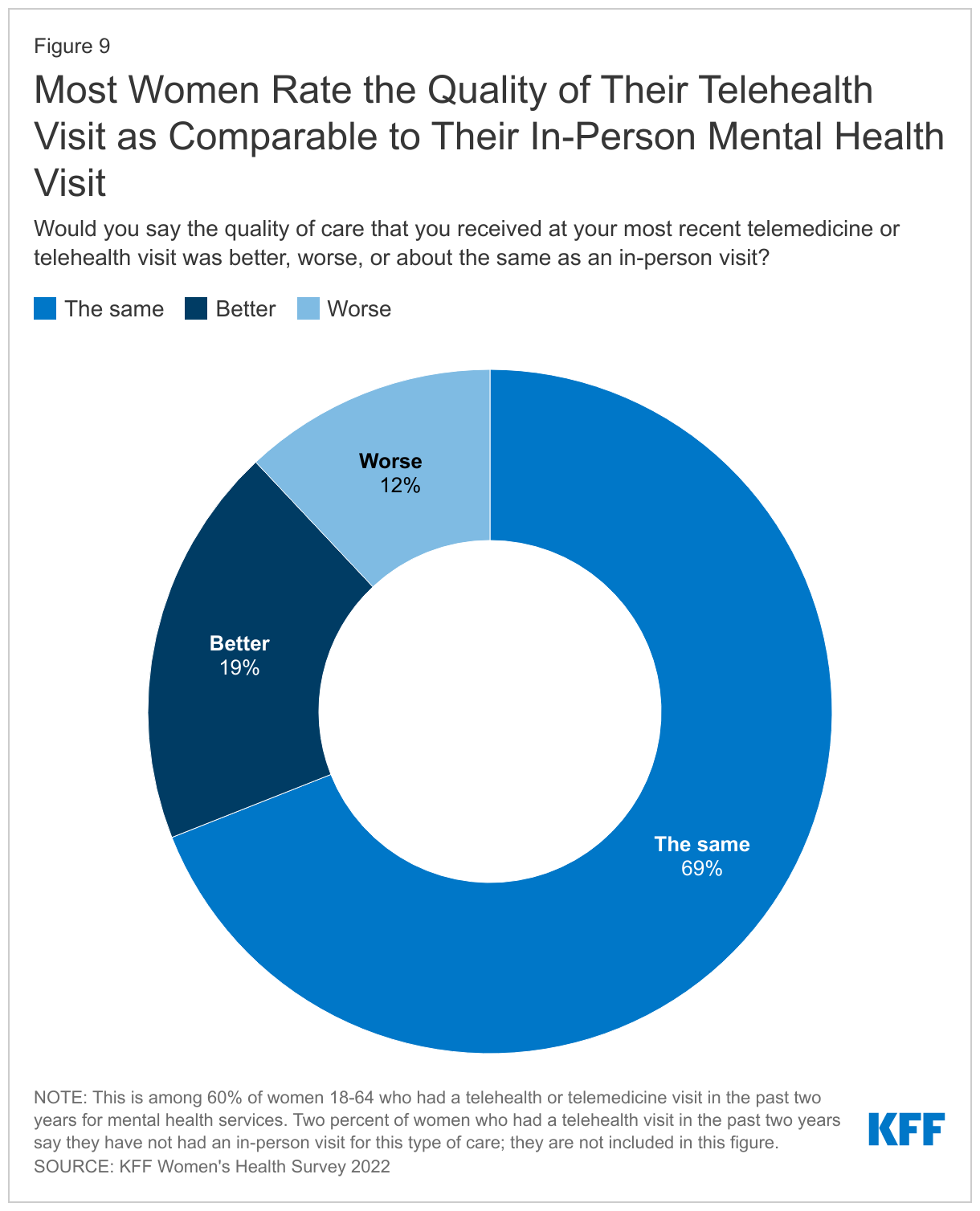
Improving physical and financial access to healthcare is critical. Clinics need to be closer to underserved areas, and services should be affordable or free for those in need. Mobile health units and telemedicine offer innovative ways to reach women who face transportation or mobility challenges.
Think about your own community—are there barriers that keep women from getting care? Maybe it’s long wait times, language barriers, or lack of childcare during appointments. Addressing these practical issues can make a huge difference in ensuring no woman is left behind.
Credit: www.kff.org
Frequently Asked Questions
What Are Common Reasons Women Face Healthcare Denial?
Women often face denial due to gender bias, lack of insurance, or socioeconomic barriers. These factors limit access to timely and adequate medical services.
How Does Healthcare Denial Impact Women’s Health Outcomes?
Denial delays diagnosis and treatment, worsening health conditions. It increases risks of complications and reduces overall life quality for affected women.
What Legal Protections Exist For Women Denied Healthcare?
Laws like the Affordable Care Act prohibit discrimination based on gender. Women can seek legal recourse if denied necessary medical services unfairly.
How Can Healthcare Systems Improve Access For Women?
Systems must address gender bias, improve insurance coverage, and provide education. Enhancing provider training and resource allocation promotes equitable healthcare access for women.
Conclusion
Denying women proper health care causes serious problems. It harms their physical and mental well-being. Families and communities also suffer from this neglect. Women need equal access to good health services. Everyone benefits when women stay healthy and strong. It is important to raise awareness and change unfair rules.
Health care should support all women without bias. Only then can society grow fair and healthy. The fight for women’s health rights must continue.




Leave a Reply