As your cat grows older, you might notice changes in their behavior or health. But how do you know which signs are normal and which could signal a problem?
Understanding the common health issues in older cats can help you keep your furry friend comfortable and happy. You’ll discover the key health concerns to watch for and simple steps you can take to support your cat’s well-being. Keep reading to learn how to spot early warning signs and give your beloved pet the care they deserve.

Credit: petfriendlybox.com
Common Age-related Conditions
Older cats often face health challenges that affect their comfort and well-being. These common age-related conditions can reduce their quality of life. Recognizing these problems early helps in managing symptoms effectively. Regular veterinary visits play a key role in detecting these issues. Understanding each condition aids in providing better care for aging cats.
Arthritis And Joint Pain
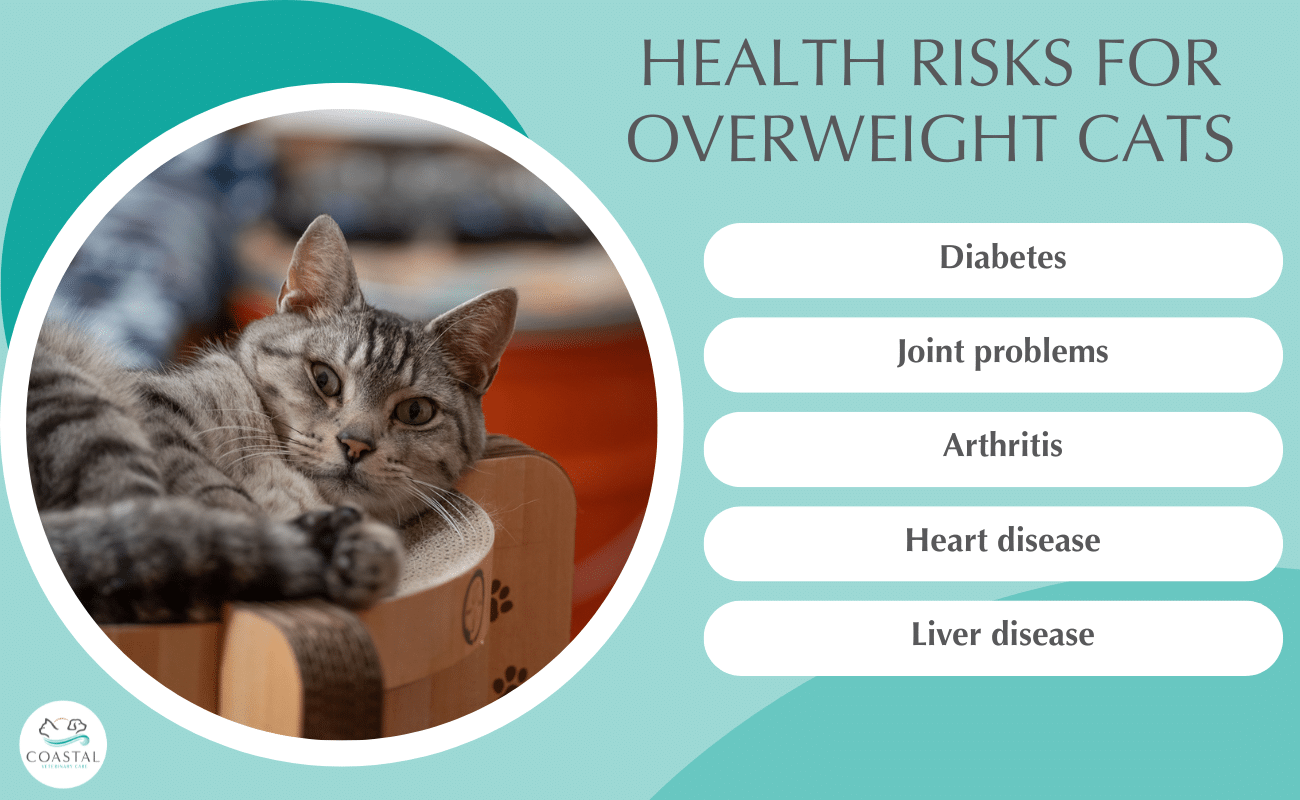
Arthritis is widespread among senior cats. It causes stiffness and pain in joints. Cats may move less or avoid jumping. This condition can make grooming difficult. Weight management and gentle exercise help ease symptoms. Pain relief medications may improve mobility and comfort.
Dental Disease
Dental problems affect many older cats. Gum inflammation, tooth loss, and infections are common. Poor dental health can lead to eating difficulties and bad breath. Regular teeth cleaning and check-ups prevent severe issues. Proper dental care supports overall health.
Kidney Problems
Kidney disease is a frequent concern in aging cats. It reduces kidney function over time. Symptoms include increased thirst and urination. Loss of appetite and weight can also occur. Early diagnosis and dietary changes help slow progression. Veterinary monitoring is essential for managing this condition.
Credit: www.preventivevet.com
Signs Of Cognitive Decline
Recognizing the signs of cognitive decline in older cats is crucial for their well-being. These signs often appear subtly, but they signal changes in your cat’s brain health. Paying close attention can help you support your cat with timely care and adjustments.
Behavioral Changes
You might notice your cat acting differently than usual. They could become more withdrawn, less interested in playing, or suddenly irritable. Some cats may forget familiar routines, like where their litter box or food bowl is located.
Have you seen your cat pacing without purpose or getting stuck in corners? These behaviors suggest confusion and anxiety, common in cognitive decline. Observing these changes early can help you discuss them with your vet.
Memory Loss
Memory loss in cats is not always obvious but shows up in small ways. Your cat might forget where they stored their favorite toy or fail to recognize familiar people. They may also struggle to learn new things, like tricks or commands they once knew.
Think about moments when your cat seems disoriented or lost in a familiar room. This can be unsettling for both of you. Tracking these lapses helps you notice patterns and address them promptly.
Sleep Patterns
Changes in sleep are a key sign of cognitive issues. Older cats might sleep more during the day and become restless or vocal at night. You may find your cat wandering or meowing loudly when they usually sleep soundly.
Has your cat’s sleep schedule shifted drastically? Sleep disruption can lead to stress for both you and your cat. Adjusting their environment to be calm and comfortable can make a big difference.
Nutritional Needs For Senior Cats
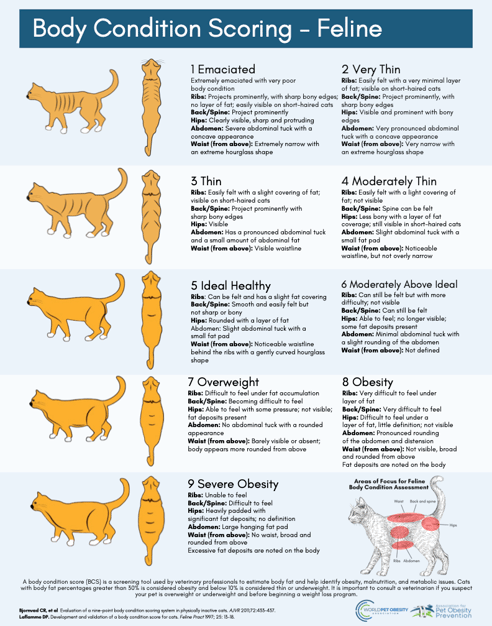
Senior cats have unique nutritional needs that support their changing bodies. Their metabolism slows down, and their organs may not work as efficiently as before. Proper nutrition helps maintain their weight, energy, and overall health. Adjusting diet, adding supplements, and ensuring hydration are key to keeping older cats healthy and comfortable.
Diet Adjustments
Older cats need fewer calories but more protein to keep muscles strong. Choose foods with high-quality protein and low fat. Soft or wet food may be easier to chew and digest. Feeding smaller, frequent meals helps with digestion and energy levels. Avoid foods with fillers like corn or soy that offer little nutrition.
Supplements
Supplements can support joint health, digestion, and coat condition. Omega-3 fatty acids reduce inflammation and improve skin health. Glucosamine and chondroitin help ease arthritis pain. Probiotics aid digestion and boost the immune system. Always consult a vet before adding supplements to your cat’s diet.
Hydration Importance
Older cats often drink less water, risking dehydration. Wet food helps increase fluid intake naturally. Provide fresh, clean water in multiple bowls around the house. Consider a cat water fountain to encourage drinking. Proper hydration supports kidney function and overall well-being.
Preventive Care And Screenings
Preventive care and regular screenings play a crucial role in keeping your older cat healthy and comfortable. Many health issues in senior cats develop slowly, making early detection key to managing or even avoiding serious problems. By staying proactive, you can catch warning signs before they become emergencies.
Regular Vet Visits
Scheduling routine vet check-ups is one of the most important steps you can take. Older cats benefit from exams at least twice a year because they are more prone to chronic diseases like kidney problems and arthritis.
During these visits, your vet can monitor changes in weight, behavior, or mobility that you might overlook. Have you noticed your cat drinking more water or hiding more often? These are signs worth mentioning to your vet.
Vaccinations
Vaccinations remain essential even for senior cats. Their immune systems weaken with age, making them more vulnerable to infections. Staying current on vaccines helps protect your cat from diseases like feline leukemia and upper respiratory infections.
Ask your vet which vaccines are necessary based on your cat’s lifestyle and health status. This tailored approach ensures your cat gets protection without unnecessary treatments.
Blood Work And Diagnostics
Regular blood tests can reveal hidden issues such as anemia, thyroid problems, or kidney disease before symptoms appear. Many pet owners are surprised by how much information a simple blood panel can provide.
Diagnostics like urine tests and dental exams are also valuable. They help track your cat’s overall health and identify conditions that might cause pain or discomfort. Would you want to wait until your cat shows pain to act?
Managing Chronic Diseases
Managing chronic diseases in older cats demands careful attention and ongoing care. These conditions affect their quality of life and need consistent monitoring. Early detection and proper treatment can slow disease progression. Pet owners play a key role in managing their cat’s health through regular vet visits and medication adherence.
Diet and lifestyle changes often support medical treatments. Understanding each disease helps in providing the best care. Let’s explore how to handle common chronic illnesses in senior cats.
Diabetes Management
Diabetes is common in aging cats. It causes high blood sugar levels and can lead to serious problems. Treatment includes insulin injections and a special diet. Owners must watch for signs like increased thirst and urination. Regular blood tests help adjust insulin doses. Consistency in feeding times and medication improves control. Weight management also reduces diabetes risks and symptoms.
Heart Disease Care
Heart disease affects many older cats. Symptoms may be subtle, like tiredness or breathing difficulty. Vets may prescribe medications to support heart function. Keeping cats calm and avoiding stress helps their heart. Regular check-ups detect changes early. A healthy diet low in salt supports heart health. Exercise should be gentle and adjusted to the cat’s ability.
Cancer Treatments
Cancer risk rises with age. Treatment depends on the cancer type and stage. Surgery, chemotherapy, or radiation may be options. Pain management is important to keep cats comfortable. Monitoring appetite and behavior helps catch problems early. Some cats respond well to treatment and maintain good life quality. Supportive care, like nutrition and hydration, improves outcomes.

Credit: www.amazon.com
Improving Quality Of Life
Older cats often face health issues like arthritis, kidney disease, and dental problems. These conditions can affect their comfort and daily activities. Recognizing common signs early helps improve their quality of life.
Improving the quality of life for older cats is crucial. As cats age, they face several health issues. These can affect their comfort and happiness. By focusing on certain areas, you can enhance their well-being. This ensures they enjoy their golden years.Environmental Enrichment
Older cats benefit from a stimulating environment. Introduce toys that encourage movement. Scratching posts can also be useful. They help keep claws healthy. Place cozy spots around your home. Cats love warm, soft places to rest. Window perches provide entertainment. Cats enjoy watching the outside world. A variety of environments keeps them engaged. It also reduces stress.Pain Management
Pain is common in older cats. Arthritis is a frequent issue. Consult a vet for appropriate treatments. There are medications available. Some cats benefit from supplements. Glucosamine can support joint health. Regular check-ups help monitor pain levels. Adjust their diet if needed. Weight management can ease joint pressure. Always follow veterinary advice for the best results.Emotional Well-being
Emotional health is vital for older cats. Spend quality time with them daily. Gentle petting can be soothing. They might enjoy grooming sessions. This maintains their coat and strengthens your bond. Observe their behavior for changes. Cats can hide discomfort. If they seem withdrawn, seek veterinary advice. A stable routine provides security. Consistency helps them feel safe and loved.Frequently Asked Questions
What Are The Most Common Health Issues In Older Cats?
Older cats often face arthritis, kidney disease, dental problems, hyperthyroidism, and diabetes. These conditions affect mobility, appetite, and energy. Early detection and treatment improve quality of life. Regular vet check-ups are essential for managing these health concerns effectively.
How Can I Recognize Arthritis In My Senior Cat?
Look for stiffness, difficulty jumping, and reduced activity. Older cats with arthritis may limp or avoid climbing. Pain management and joint supplements can help. Consult your vet for diagnosis and treatment to keep your cat comfortable and active.
What Signs Indicate Kidney Disease In Aging Cats?
Increased thirst, frequent urination, weight loss, and poor appetite are common signs. Kidney disease is progressive but manageable with diet and medication. Early vet visits are crucial for diagnosis and slowing disease progression.
Why Is Dental Care Important For Older Cats?
Dental issues cause pain, bad breath, and eating problems. Older cats often develop gum disease and tooth decay. Regular dental check-ups and cleanings prevent infections and maintain overall health.
Conclusion
Older cats face health problems like arthritis, kidney issues, and dental disease. Regular vet visits help catch these problems early. Good diet and exercise keep cats strong and happy. Watch for changes in behavior or appetite. Early care improves their comfort and life quality.
Stay patient and loving as your cat ages. Healthy habits make a big difference for older cats. Care matters most to keep them safe and well.




Leave a Reply