Have you ever wondered about the rarest cat breeds that few people know about? If you love cats and want to discover something unique, this article is for you.
Imagine having a furry friend that turns heads wherever you go because of its unusual looks and charming personality. You’re about to learn about some truly special cats that stand out from the crowd. Keep reading, and you might just find your next perfect companion.
Credit: www.msn.com
Rare Cat Breeds To Know
Rare cat breeds offer a unique charm that stands out in the world of feline companions. They often come with fascinating histories and distinctive looks that can surprise even seasoned cat lovers. Knowing about these breeds can help you appreciate the diversity in the cat world and might even inspire you to welcome a rare feline friend into your home.
Kurilian Bobtail
The Kurilian Bobtail is known for its short, pom-pom tail and robust body. This breed originates from the Kuril Islands between Russia and Japan. If you like an active cat that enjoys water, this breed could be a perfect match since they are excellent swimmers and hunters.
Serengeti Cat
With its wild appearance and long legs, the Serengeti Cat looks like a small leopard. This breed was created by crossing Bengal and Oriental Shorthair cats. It’s energetic and loves to jump, so you’ll need plenty of vertical space for play and exercise.
Peterbald
The Peterbald is a hairless cat that can also have a very fine coat, making it feel like soft peach fuzz. Originating from Russia, this breed is affectionate and social, often seeking human companionship. If you want a cat that is both unique in look and loving in nature, the Peterbald might catch your interest.
American Wirehair
American Wirehairs have a distinctive wiry coat that feels different from typical cat fur. They are rare because this mutation is quite uncommon. These cats are playful and adaptable, making them great for families looking for something out of the ordinary.
Chausie
The Chausie is a blend of domestic cats and the wild jungle cat. It’s known for its athletic build and wild appearance. If you appreciate a cat with a strong personality and high energy, the Chausie could be a thrilling addition to your life.
The Sokoke Cat
The Sokoke cat stands out among rare cat breeds due to its unique appearance and intriguing background. If you’re someone who appreciates cats with a wild look but a gentle heart, the Sokoke might catch your attention. This breed isn’t just visually striking; it has a story and personality that make it truly special.
Origin And History
The Sokoke cat originates from the Arabuko Sokoke Forest in Kenya. It was first discovered by researchers in the 1970s, making it a relatively recent addition to recognized breeds. This cat’s lineage is closely tied to the natural environment, which explains its wild, forest-inspired appearance.
Interestingly, the breed’s survival was threatened before cat enthusiasts helped establish breeding programs. The Sokoke’s connection to its native forest gives it a unique place in the cat world, unlike any domestic cat you’ve likely seen.
Distinctive Features
One glance at a Sokoke cat and you’ll notice its short, coarse coat patterned with a unique spotted or blotched tabby design. The fur feels almost bristly, which is unusual among domestic cats. This texture helps the cat blend into the forest floor, showcasing its natural camouflage.
The Sokoke’s body is slender and muscular, with long legs and a slightly wedge-shaped head. Its ears are large and set wide apart, enhancing its alert and curious expression. These features give it an exotic look without the wild temperament.
Personality Traits
Despite their wild appearance, Sokoke cats are known for being affectionate and intelligent. They enjoy interacting with their owners and can be quite playful, often surprising you with their agility and curiosity.
These cats are also independent, so they don’t demand constant attention but still appreciate companionship. If you want a cat that balances independence with affection, the Sokoke offers a unique personality that adapts well to active households.
Have you ever wondered how a cat with such a wild look could be so friendly? The Sokoke might just change your perspective on what a rare cat breed can be.
The Serengeti Cat
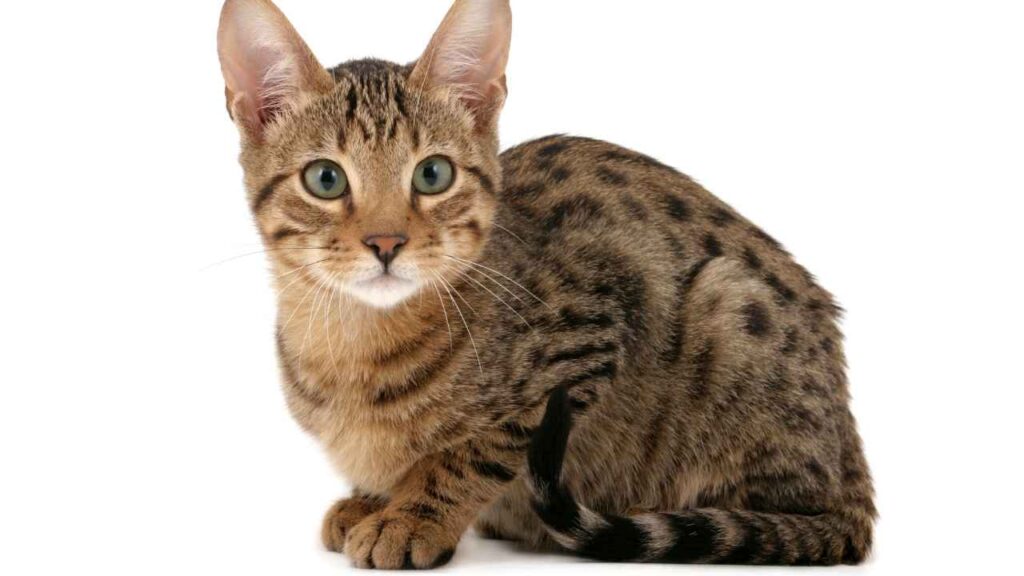
Serengeti cats are rare and unique, known for their wild spotted look. They have long legs and resemble small leopards. This breed is playful and friendly, making it a special pet choice.
The Serengeti Cat is a striking and unique feline breed. It captures the wild beauty of the African plains in a domestic form. This breed is known for its long legs, graceful presence, and distinctive spots. It’s a rare gem in the world of cat breeds, appealing to those who admire exotic looks.Breed Development
The Serengeti Cat breed was developed in the mid-1990s. It was created by crossing a Bengal cat with an Oriental Shorthair. The goal was to mimic the appearance of the wild Serval. No wildcat genes were used, ensuring a domesticated nature. The breed is still relatively new, making it rare.Physical Characteristics
Serengeti Cats have a remarkable appearance. They boast long legs and a slender build. Their coat is short and silky, adorned with bold spots. Coat colors include gold, silver, and black. Their large ears are a standout feature, set high on the head. Their eyes are round and often golden or amber.Behavioral Traits
These cats are active and energetic. They love to climb and explore their surroundings. Serengetis are also social and enjoy human company. They often follow their owners around the house. They are vocal, expressing themselves with a variety of sounds. Despite their wild look, they are friendly and affectionate.
Credit: www.aol.com
The Peterbald
The Peterbald is a rare cat breed known for its striking and unusual looks. Originating from Russia in the early 1990s, this breed quickly caught the eye of cat lovers with its elegant, slender body and distinctive coat. If you’re curious about a cat that stands out in both appearance and personality, the Peterbald might be the perfect companion for you.
Unique Appearance
The Peterbald’s most noticeable trait is its coat, which can range from completely hairless to a short, velvety fuzz. This variety happens because of a genetic mutation affecting hair growth. Their skin is soft and warm to the touch, often described as feeling like suede.
Beyond their coat, Peterbalds have a slim, athletic build with long legs and a graceful neck. Their almond-shaped eyes and large ears add to their exotic look. Have you ever seen a cat that looks almost like a little wild feline but behaves like a domestic pet?
Care Requirements
Because of their minimal fur, Peterbalds need special care to keep their skin healthy. They require regular gentle baths to remove oils that would normally be absorbed by fur. You should also protect them from extreme temperatures since they lack the insulation fur provides.
These cats don’t need much grooming, but their delicate skin means you should avoid harsh soaps and rough handling. Make sure to provide cozy blankets or clothing in cooler weather to keep your Peterbald comfortable. Does your home have a warm, safe spot where your cat can relax without risk of chills?
Temperament
Peterbalds are known for their friendly and affectionate nature. They tend to bond closely with their owners and enjoy being involved in daily activities. If you like a cat that greets you at the door or cuddles on your lap, this breed often fits the bill.
They are also quite playful and curious, which means they appreciate interactive toys and mental stimulation. Their intelligence makes them quick learners, so training simple commands or tricks can be rewarding for both of you. Could a lively, loving cat like this bring extra joy to your home?
The Kurilian Bobtail
The Kurilian Bobtail is a rare and unique cat breed known for its distinctive short tail and strong hunting skills. This breed stands out with its muscular build and playful nature. It has a history tied to islands in Russia and Japan. Kurilian Bobtails are becoming popular among cat lovers who seek a pet with a lively and loving personality.
Geographic Roots
The Kurilian Bobtail originates from the Kuril Islands, located between Russia and Japan. These islands have a cold, rugged climate. The breed adapted to survive in harsh conditions. It developed strong muscles and a thick coat for warmth. This cat breed is a natural hunter of fish and small animals. It has been living on these islands for hundreds of years.
Tail Variations
The most notable feature is its short, bobbed tail. The tail looks like a pom-pom or a bunny tail. Each Kurilian Bobtail’s tail is unique. It can be kinked, curved, or straight but always short. The tail usually has 2 to 5 vertebrae, much less than normal cats. This trait does not affect the cat’s balance or agility.
Social Behavior
Kurilian Bobtails are friendly and social cats. They enjoy spending time with people and other pets. This breed is intelligent and curious, always exploring its surroundings. It forms strong bonds with family members. Kurilian Bobtails are playful but not overly energetic. They communicate with soft chirps and purrs. This makes them great companions for families and singles.
Credit: worldanimalfoundation.org
The American Wirehair
The American Wirehair is a unique and rare cat breed known for its distinctive coat and charming personality. This breed first appeared in the United States in the 1960s. It has a special fur that feels different from other cats. The American Wirehair stands out in any room with its curly, wiry hair and friendly nature.
Coat Texture
The American Wirehair’s coat is thick and springy. Each hair is crimped and twisted, giving a rough texture. This wiry fur is soft but not smooth like other cats. It feels almost like a fine wire brush. The coat comes in many colors and patterns, adding to its uniqueness.
Breed Recognition
This breed gained official recognition in the 1970s. Cat organizations like the Cat Fanciers’ Association accept the American Wirehair. It remains rare compared to popular breeds. Breeders work hard to keep the breed healthy and true to its features. The American Wirehair is a special find for cat lovers.
Personality
The American Wirehair is playful and affectionate. It enjoys spending time with family members. This breed adapts well to new environments and people. It is curious but not overly demanding. The cat loves gentle play and quiet moments. Its calm and friendly nature makes it a great companion.
How To Find And Adopt Rare Cats
Finding and adopting rare cat breeds requires patience and care. These cats are not common, so locating them takes effort. Understanding where to search and how to approach adoption helps ensure a good match. This section guides you through finding rare cats responsibly.
Reputable Breeders
Reputable breeders specialize in certain rare breeds and care deeply about their cats. They provide health clearances and detailed information about the cat’s history. Visiting breeders allows you to meet the cats and see their living conditions. Choose breeders who prioritize the cat’s well-being over profit.
- Ask for references or reviews from past buyers.
- Check for membership in recognized cat associations.
- Ensure they follow ethical breeding practices.
Rescue Organizations
Some rare cats find homes through rescue groups focused on specific breeds. These organizations help cats in need and offer adoption support. Adopting from rescue saves a cat’s life and helps reduce overbreeding. Many rescues list available cats on their websites or social media.
- Contact breed-specific rescues for available rare cats.
- Visit local animal shelters for unexpected rare cat finds.
- Join online forums or groups dedicated to rare breed rescues.
Adoption Tips
Adopting a rare cat requires preparation and knowledge. Learn about the breed’s personality, health issues, and care needs. Meet the cat several times to build trust and observe behavior. Prepare your home to be safe and comfortable for a new cat.
- Ask clear questions about the cat’s health and background.
- Request veterinary records and vaccination history.
- Allow time for the cat to adjust to your home.
- Consider pet insurance for rare breeds with special needs.
Caring For Rare Cat Breeds
Caring for rare cat breeds requires special attention and knowledge. These cats often have unique needs. Meeting these needs helps keep them healthy and happy. Understanding their diet, health risks, and grooming is essential. This guide covers important care tips for rare cats.
Diet And Nutrition
Rare cat breeds may need specific diets. High-quality protein is important for muscle strength. Some breeds need diets rich in fats for energy. Fresh water should always be available. Avoid feeding them human food or treats with fillers. Consult a vet to choose the best food. Monitor their weight and adjust food portions as needed.
Health Concerns
Rare breeds can have unique health issues. Some may be prone to genetic diseases. Regular vet visits help catch problems early. Vaccinations and parasite control are important. Watch for signs of illness like changes in behavior or appetite. Early treatment improves recovery chances. Keep health records and inform the vet about any breed-specific risks.
Grooming Needs
Grooming needs vary by breed and coat type. Long-haired breeds require daily brushing to prevent mats. Short-haired cats need less frequent grooming but still benefit from weekly brushing. Check ears and eyes regularly for dirt or infection. Trim nails carefully every few weeks. Bathing is rarely needed but may be necessary for some breeds. Grooming also helps strengthen the bond between you and your cat.
Frequently Asked Questions
What Are Some Examples Of Rare Cat Breeds?
Rare cat breeds include the Sokoke, Kurilian Bobtail, and Peterbald. These breeds are unique due to their distinct appearances and limited populations worldwide.
Why Are Some Cat Breeds Considered Rare?
Cat breeds become rare due to limited breeding, unique genetics, or geographic isolation. Their scarcity makes them highly sought after by enthusiasts and collectors.
How Can I Identify A Rare Cat Breed?
Rare cat breeds often have unusual physical traits, like distinctive fur patterns or body shapes. Researching breed standards helps accurately identify them.
Are Rare Cat Breeds Hypoallergenic?
Some rare breeds, like the Siberian, are known to produce fewer allergens. However, hypoallergenic traits vary, so individual reactions may differ.
Conclusion
Rare cat breeds show how diverse and special cats can be. Each breed has unique looks and traits that make them stand out. They may need special care or attention. Knowing about these breeds helps people appreciate cats more. Whether for pets or curiosity, rare cats bring joy.
Exploring their stories can be fun and rewarding. Cats continue to surprise us with their variety and charm. Keep learning and enjoy the world of rare cats.



Leave a Reply