
If you love cats but suffer from severe allergies, finding the right furry friend can feel impossible. You want a pet that brings joy without triggering sneezes, itchy eyes, or worse.
Luckily, some cat breeds are known to be more allergy-friendly than others. You’ll discover which cats are best suited for people like you, so you can enjoy the warmth and companionship of a cat without the discomfort of allergies. Keep reading to find your perfect match and make your home a happy, sneeze-free zone.

Credit: www.thepioneerwoman.com
Allergies And Cats
Cats bring joy to many homes, but for some, allergies make it hard to enjoy their company. Understanding how allergies work with cats helps manage symptoms better. Some cats cause fewer reactions, making them better pets for sensitive people.
Common Cat Allergens
Most cat allergies come from proteins in a cat’s skin, saliva, and urine. The main allergen is called Fel d 1. It sticks to a cat’s fur and skin flakes, known as dander.
- Dander spreads easily in the air and on surfaces.
- Saliva allergens transfer to fur when cats groom themselves.
- Urine allergens can become airborne when dried.
These allergens are very small and light. They stay in the home for a long time.
How Allergies Affect Cat Owners
Allergic reactions vary from mild to severe. Symptoms include sneezing, itchy eyes, runny nose, and skin rashes. Some people also face breathing problems and asthma attacks.
Living with a cat can be hard for allergy sufferers. It may limit time spent with pets or indoors. Cleaning often and using air purifiers can help reduce allergens.
Choosing the right cat breed can lower allergy risks. Some breeds produce less Fel d 1 or shed less dander.

Credit: www.thepioneerwoman.com
Traits Of Hypoallergenic Cats
Hypoallergenic cats have special traits that make them easier for allergy sufferers. These cats produce fewer allergens or shed less fur. People with severe allergies can enjoy their company with less sneezing or itching. Understanding these traits helps in choosing the right cat breed.
Low Shedding Characteristics
Cats that shed less fur spread fewer allergens around the home. Their hair does not fall off easily, so allergens stay mostly on the cat. These cats often have short or unique fur types. Some breeds have hair that grows continuously or lacks an undercoat. This reduces loose hair and dander in the environment. Less fur means less cleaning and fewer allergy triggers.
Reduced Allergen Production
Some cats naturally produce fewer allergy-causing proteins. The main allergen is a protein called Fel d 1 found in cat saliva and skin oils. Hypoallergenic cats often produce less Fel d 1. This lowers allergen levels on their fur and skin. Breeds with this trait cause fewer allergic reactions. Regular grooming also helps reduce allergens on the cat’s coat. Choosing cats with reduced allergen production is key for sensitive owners.
Top Hypoallergenic Cat Breeds
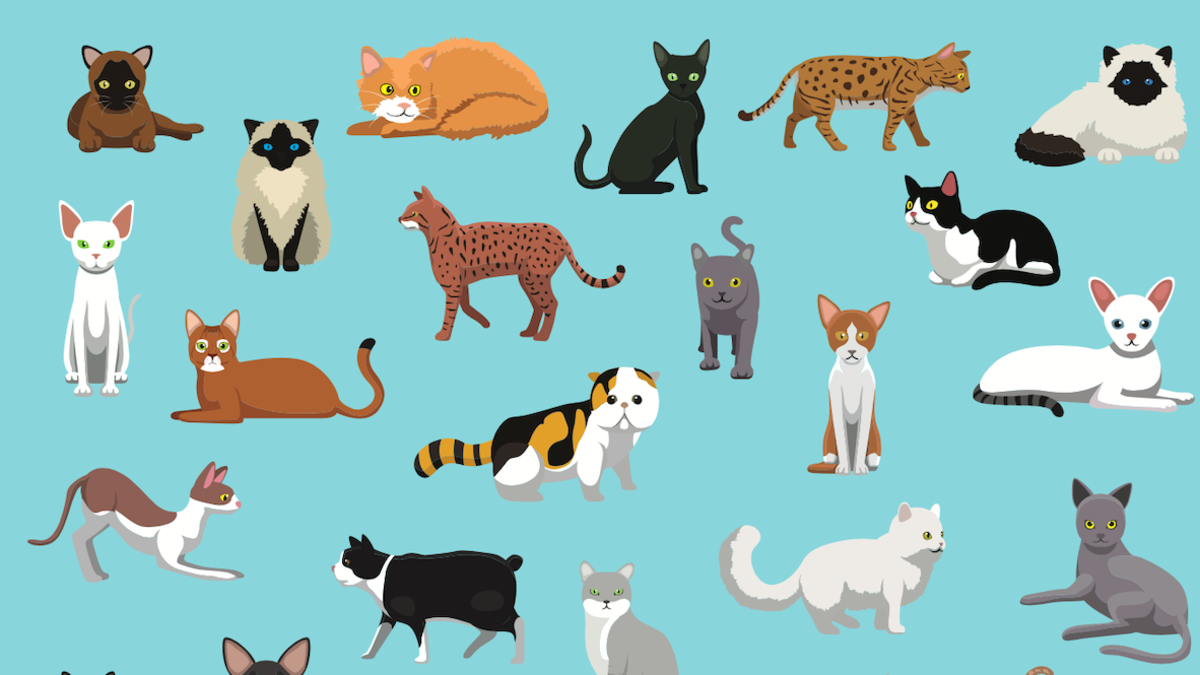
Many cat lovers face allergies. Yet, owning a cat is still possible. Certain breeds produce fewer allergens. These are known as hypoallergenic cats. They make great companions for allergy sufferers. Below is a list of top hypoallergenic cat breeds.
Siberian Cat
Siberian cats have long, thick fur. Surprisingly, they produce less of the protein causing allergies. Their coat is also less likely to shed. This makes them a good choice for allergy sufferers. Siberians are friendly and playful, adding joy to any home.
Balinese Cat
Balinese cats are known as the “long-haired Siamese.” They produce less allergenic protein. Their silky coat requires minimal grooming. Balinese cats are social and intelligent. They often form strong bonds with their owners.
Devon Rex
The Devon Rex has a unique, curly coat. It sheds less than other cats. This breed produces less dander. Their playful nature makes them a delightful pet. They enjoy interacting with their families.
Cornish Rex
The Cornish Rex has a short, wavy coat. It lacks the outer fur layer most cats have. This means less shedding and dander. Cornish Rex cats are active and enjoy playtime. They are perfect for lively households.
Russian Blue
Russian Blues have a beautiful, dense coat. They produce less of the allergenic protein. This makes them a great choice for allergy sufferers. Russian Blues are gentle and quiet. They adapt well to calm environments.
Sphynx
The Sphynx is hairless, eliminating shedding issues. Their skin requires regular care to remove oils. Sphynx cats are affectionate and warm-loving. They seek human attention and enjoy cuddling.

Credit: www.thepioneerwoman.com
Choosing The Right Hypoallergenic Cat
Choosing the right hypoallergenic cat involves more than just picking a breed. It means understanding your daily life, personality, and the care the cat needs. This helps ensure a happy home for both you and your pet.
Lifestyle Considerations
Your daily routine affects the type of cat that fits best. Some hypoallergenic cats need more attention and playtime. Others are more independent and quiet. Think about your work hours, home size, and family members. Cats that require less active interaction suit busy or small-space living better.
Temperament And Activity Levels
Each cat breed has a unique personality. Some are calm and affectionate, while others are lively and playful. Choose a cat whose energy matches your own. Hypoallergenic cats like the Siberian or Balinese are known for gentle temperaments. This makes them great companions for allergy sufferers who want a loving pet.
Grooming Needs
Grooming affects allergies and your time commitment. Cats with shorter hair or less shedding usually produce fewer allergens. Regular brushing and bathing can reduce dander. Some hypoallergenic breeds need less grooming, which helps keep allergens low. Consider how much time you can spend on grooming before choosing your cat.
Managing Allergies With Cats
Managing allergies while living with cats requires careful planning and effort. Allergens from cats can trigger symptoms like sneezing, itching, and watery eyes. Reducing allergen exposure helps many allergy sufferers enjoy cat companionship. Small changes in daily life can make a big difference. Understanding how to control allergens inside your home is key.
Home Environment Tips
Keep cats out of bedrooms and off furniture to limit allergen spread. Use air purifiers with HEPA filters to remove airborne allergens. Choose hard flooring instead of carpet to reduce trapped dander. Wash cat bedding and toys regularly in hot water. Ventilate rooms often by opening windows or using exhaust fans. Create a cat-free zone to provide allergy-free space.
Allergy Medications And Treatments
Over-the-counter antihistamines can ease mild allergy symptoms. Nasal sprays help reduce inflammation and congestion. Allergy shots may build long-term tolerance to cat allergens. Consult a doctor for personalized treatment plans. Eye drops soothe itchy, red eyes caused by allergens. Use medications as directed for best results.
Regular Cleaning And Maintenance
Vacuum floors and furniture with a HEPA-filter vacuum cleaner frequently. Dust surfaces using damp cloths to trap allergens instead of spreading them. Bathe cats regularly to lower dander buildup. Clean litter boxes daily to minimize odors and allergens. Wash curtains and cushions often to remove trapped particles. Consistent cleaning reduces allergen levels significantly.
Frequently Asked Questions
Which Cat Breeds Are Best For Severe Allergies?
Siberian, Balinese, and Sphynx cats are ideal for severe allergies. They produce fewer allergens, reducing allergic reactions effectively.
Are Hypoallergenic Cats Completely Allergen-free?
No, hypoallergenic cats reduce allergens but don’t eliminate them completely. Allergy symptoms may still occur in sensitive individuals.
How Do Siberian Cats Help Allergy Sufferers?
Siberians produce less Fel d 1 protein, the main allergen. This makes them more tolerable for people with cat allergies.
Can Hairless Cats Reduce Allergy Symptoms?
Yes, hairless breeds like the Sphynx have less dander. This helps minimize allergen exposure and reduces allergy symptoms.
Conclusion
Choosing a cat breed that suits severe allergies can improve life quality. Some breeds produce fewer allergens and cause less irritation. Spending time with different cats helps find the best match. Regular cleaning also reduces allergens in the home. Patience and care make living with cats possible despite allergies.
Enjoy the joy and comfort cats bring every day.


Leave a Reply