Is your cat spending too much time licking or biting its fur? Excessive grooming can be more than just a quirky habit—it might be a sign that your furry friend is uncomfortable or stressed.
If you’re worried about your cat’s constant grooming and want to help them feel better, you’re in the right place. You’ll discover simple and effective ways to stop your cat from over-grooming and keep them happy and healthy. Keep reading to learn how you can make a real difference in your cat’s life.
Reasons For Excessive Grooming
Excessive grooming in cats can signal various underlying issues. Understanding these reasons helps address the problem effectively. Cats groom to clean themselves, but too much grooming can cause harm. It may lead to bald spots, skin irritation, and stress for your cat.
Medical Causes
Health problems can trigger over-grooming. Skin infections, parasites, or wounds often cause discomfort. Arthritis or pain in joints may also lead to grooming for relief. Sometimes, hormonal imbalances affect grooming behavior. A vet checkup is important to rule out these issues.
Stress And Anxiety
Cats feel stress from changes in their environment. Moving to a new home or loud noises can upset them. Anxiety causes cats to groom as a calming action. This behavior helps them cope but can become excessive. Identifying stress triggers is key to helping your cat.
Allergies And Irritants
Allergies are common in cats and cause itching. Food, pollen, or dust can trigger allergic reactions. Chemicals in cleaning products or flea treatments may irritate the skin. Cats respond by licking or biting the itchy areas. Removing allergens can reduce grooming behavior.
Boredom And Behavior
Lack of stimulation leads cats to groom out of boredom. Indoor cats without enough playtime often develop this habit. Grooming becomes a way to pass time and self-soothe. Providing toys and interaction can decrease excessive grooming. Behavioral changes may need patience and attention.
Identifying Grooming Patterns
Understanding your cat’s grooming habits is the first step to addressing excessive grooming. Cats groom themselves regularly, but when the behavior intensifies or changes, it can signal stress, allergies, or health problems. Paying close attention to how your cat grooms helps you spot issues early and take action before the problem worsens.
Signs Of Overgrooming
Overgrooming often shows through visible changes in your cat’s coat and skin. Look for bald patches, redness, or sores that appear where your cat licks or scratches frequently.
Other signs include:
- Constant licking in one spot
- Hair that looks thin or uneven
- Scabs or irritated skin
Have you noticed your cat spending much more time grooming than usual? This could be a red flag.
Areas Commonly Affected
Some areas are more prone to overgrooming than others. The belly, legs, and sides are common spots where cats focus their grooming when stressed or uncomfortable.
Check these areas closely for signs of wear or irritation. Sometimes, cats also groom their face or tail excessively, which might surprise you if you’re not used to watching these patterns.
Tracking Frequency And Triggers
Keeping a simple journal can help identify when and why your cat grooms excessively. Note the time of day, duration, and what was happening around your cat before grooming started.
Stressful events like loud noises, new pets, or changes in routine often trigger overgrooming. By tracking, you might find patterns that help you reduce these triggers and provide your cat with a calmer environment.
Veterinary Care And Diagnosis
Excessive grooming in cats often signals stress or skin problems. A vet can diagnose causes and suggest treatments to ease discomfort. Early care helps prevent further health issues and keeps your cat happy.
Veterinary care plays a crucial role in addressing excessive grooming in cats. Identifying the root cause is essential for effective treatment. A vet’s expertise ensures your cat receives the care it needs. Let’s explore when to seek veterinary help and what the process involves.When To See A Vet
Excessive grooming can signal health issues. Notice bald patches or skin irritation? These signs warrant a vet visit. Behavioral changes or persistent grooming also need attention. Early intervention prevents complications and provides relief for your cat.Common Tests And Treatments
Vets perform various tests to diagnose underlying problems. These include skin scrapings and allergy tests. Blood tests help rule out systemic issues. Treatment depends on the diagnosis. It may involve topical ointments or oral medications. Sometimes, dietary changes are necessary to address allergies.Managing Underlying Conditions
Managing health issues reduces excessive grooming. For allergies, hypoallergenic diets can be effective. Parasite control through regular treatments is crucial. Stress-related grooming may need environmental changes. Providing engaging toys and safe spaces helps reduce anxiety. Consistent care and monitoring ensure your cat’s well-being.:strip_icc()/spruce-pets-cat-bathroom-7b6ae6d8f3d940b9a82141be03734144.png)
Credit: www.thesprucepets.com
Environmental Changes
Environmental changes can help reduce your cat’s excessive grooming. Sometimes, cats groom too much because of stress or boredom. Adjusting your cat’s surroundings can calm them and keep them busy. Small changes often make a big difference in their behavior.
Creating A Calm Space
Give your cat a quiet and cozy area. Use soft bedding and a warm blanket. Make sure this space is away from loud noises and busy rooms. Cats need a safe spot to relax and feel secure.
Keep this area clean and free from strong smells. Avoid sudden changes near this space. A calm corner helps reduce anxiety and stops over-grooming.
Reducing Stress Factors
Identify things that upset your cat. Loud sounds, new pets, or visitors can cause stress. Try to minimize these triggers as much as possible.
Keep a regular daily routine for feeding and playtime. Predictability helps cats feel safe. Use gentle voices and slow movements around your cat.
Use pheromone diffusers to create a soothing environment. These products mimic natural cat calming signals.
Enriching Your Cat’s Environment
Provide toys and activities to keep your cat busy. Use puzzle feeders and interactive toys to stimulate their mind.
Add scratching posts and climbing trees. Cats love to climb and scratch. These outlets reduce boredom and stress.
Spend time playing with your cat daily. This builds trust and helps release energy in a healthy way.
Behavioral Strategies
Behavioral strategies play a key role in managing your cat’s excessive grooming. By understanding and adjusting your cat’s daily habits, you can reduce stress and redirect their focus. These approaches not only help your cat feel more comfortable but also strengthen your bond.
Distraction Techniques
Redirect your cat’s attention whenever you notice them grooming too much. Try offering a new toy or a puzzle feeder to keep their mind busy. Simple distractions, like a gentle noise or moving a feather wand nearby, can break the grooming cycle quickly.
Think about what excites your cat the most. Is it chasing, pouncing, or exploring? Use those interests to create engaging distractions that pull them away from over-grooming.
Positive Reinforcement
Reward your cat when they stop grooming or engage in alternative behaviors. Use treats, gentle petting, or soft praise to encourage these positive moments. Cats respond well to consistency, so reward them every time they choose a healthier habit.
Have you noticed your cat’s favorite treat or a special toy? Use these as incentives to shape their behavior gradually. Positive reinforcement builds trust and helps your cat learn without stress.
Interactive Playtime
Set aside regular time each day for active play sessions. Use interactive toys like laser pointers or wand toys to mimic hunting behaviors and keep your cat physically and mentally stimulated. This reduces boredom, one of the main causes of excessive grooming.
Try short bursts of play multiple times a day instead of one long session. This matches your cat’s natural energy patterns and keeps them engaged. How often do you play with your cat now, and could adding a few extra minutes make a difference?
Diet And Nutrition
Diet and nutrition play a key role in managing your cat’s excessive grooming. What your cat eats affects its skin and coat health directly. Poor nutrition or allergens in food can cause irritation. This irritation often leads to over-grooming as your cat tries to soothe itself.
Feeding the right diet helps reduce itching and inflammation. It supports a healthy, shiny coat and calm skin. Focusing on diet can ease your cat’s discomfort and lower grooming behaviors.
Eliminating Allergens
Food allergies often cause skin problems and itching. Common allergens include beef, dairy, and fish. Switching to a hypoallergenic diet or novel protein can help. Choose limited ingredient foods to reduce reactions.
Try an elimination diet under veterinary guidance. Remove suspected ingredients for several weeks. Slowly reintroduce them one by one to find triggers. Avoid artificial additives and fillers as they may irritate skin.
Supplements For Skin Health
Omega-3 and omega-6 fatty acids improve skin condition. These supplements reduce inflammation and dryness. Fish oil capsules or oils added to food work well. Vitamin E also supports skin repair and softness.
Probiotics aid digestion and may improve skin balance. Use supplements recommended by your vet. Correct doses ensure safety and effectiveness for your cat.
Balanced Feeding Tips
- Feed high-quality cat food with balanced nutrients.
- Include proteins that support skin and coat health.
- Ensure adequate hydration with fresh water always available.
- Maintain regular feeding times to reduce stress.
- Avoid sudden diet changes that upset digestion.
Balanced nutrition strengthens your cat’s skin barrier. A strong barrier prevents irritants from causing damage. Feeding well supports your cat’s overall health and comfort.
Using Protective Gear
Using protective gear helps stop your cat from licking or biting sore spots. It acts as a barrier and prevents further harm. Protective gear gives wounds time to heal without constant irritation. Choosing the right gear depends on your cat’s comfort and the problem’s severity.
E-collars And Alternatives
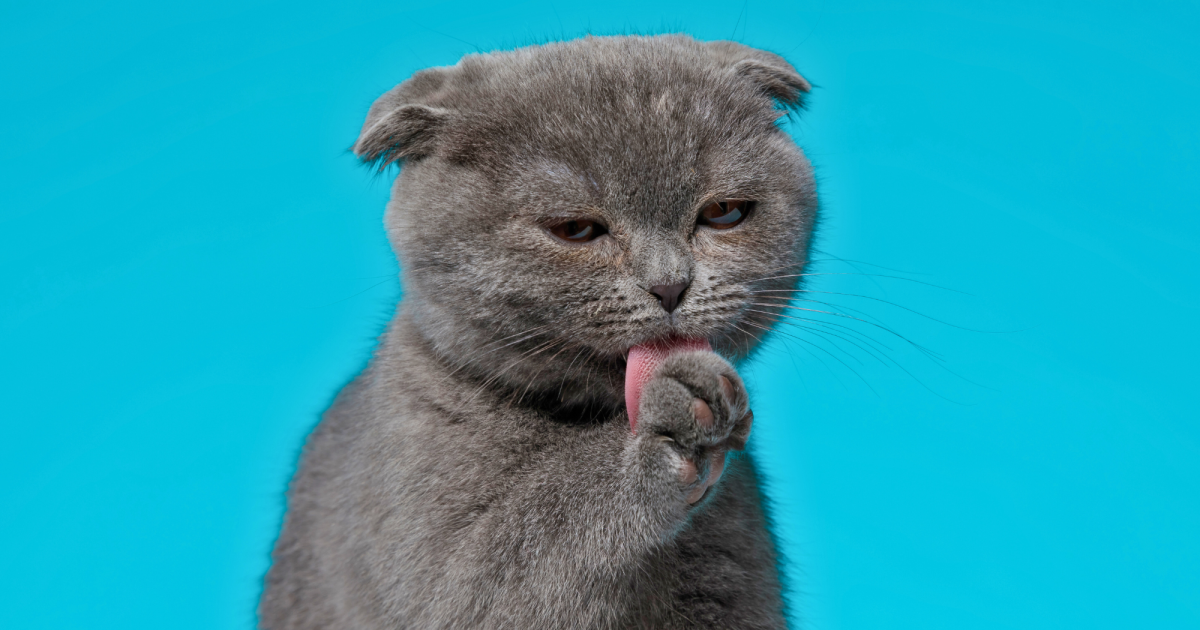
E-collars, also called cones, stop cats from reaching their bodies with their mouths. They come in hard plastic or soft fabric forms. Hard cones offer strong protection but may bother your cat. Soft cones are more comfortable but less durable. Inflatable collars are another option, limiting head movement gently.
Soft Clothing Options
Soft clothing covers irritated areas to reduce licking and biting. Many cats accept lightweight shirts or bodysuits made for pets. Clothes should fit well but not be too tight. They protect wounds and keep cats calm. Wash clothing regularly to keep it clean and fresh.
When To Use Protective Gear
Use protective gear when your cat constantly licks or chews a spot. It helps during skin infections, allergies, or injuries. Protective gear is best for short-term use to avoid stress. Consult a vet if your cat resists or if problems persist. Always watch your cat for signs of discomfort.
Credit: pethelpful.com
Monitoring Progress
Monitoring your cat’s progress is key to understanding whether your efforts to reduce excessive grooming are working. Without tracking changes, it’s hard to know what helps and what doesn’t. Staying observant allows you to fine-tune your approach and ensure your furry friend is comfortable and healthy.
Keeping A Grooming Diary
Start by keeping a simple grooming diary. Note down how often and how long your cat grooms each day. Also, jot down any changes in behavior, environment, or diet.
This record helps you spot patterns or triggers you might miss otherwise. For example, if your cat grooms more after a loud noise or stressful event, you’ll know to address that cause directly.
Adjusting Strategies
Use your diary to decide what to change or keep the same. If a new toy distracts your cat and reduces grooming, add more play sessions. If a certain spot triggers excessive licking, try blocking access or making it less appealing.
Small tweaks can have a big impact, so stay flexible. Have you noticed certain times of day when your cat grooms excessively? Try adjusting feeding or playtime schedules around those moments.
Knowing When To Seek Help
Sometimes, despite your best efforts, the grooming continues or worsens. If you see bald spots, sores, or your cat seems stressed or in pain, it’s time to consult a vet. Excessive grooming can signal underlying health or anxiety issues needing professional care.
Don’t hesitate to ask for advice early. Getting expert help can save your cat from discomfort and keep you from feeling frustrated.
:strip_icc()/the-kitty-1011094438-5c3d1af5c9e77c00015e66a6.jpg)
Credit: www.thesprucepets.com
Frequently Asked Questions
What Causes Cats To Groom Excessively?
Cats groom excessively due to stress, allergies, parasites, or skin infections. Identifying the cause helps in effective treatment and reducing over-grooming behavior.
How Can I Reduce My Cat’s Grooming Stress?
Reduce stress by providing a calm environment, regular playtime, and safe hiding spots. Consult a vet for anxiety-related grooming issues.
Are Allergies Responsible For My Cat’s Over-grooming?
Yes, allergies to food, fleas, or environmental factors can cause itching and excessive grooming. Allergy testing and treatment can help.
When Should I See A Vet For Grooming Issues?
Consult a vet if grooming causes bald patches, sores, or if behavior changes. Early diagnosis prevents worsening skin problems.
Conclusion
Excessive grooming can harm your cat’s skin and fur. Watch your cat’s behavior closely every day. Provide a calm and safe space for your pet. Use gentle toys and activities to keep them busy. Check with a vet if grooming does not improve.
Small changes can make a big difference fast. Your cat deserves comfort and good health. Keep patience and care as you help them heal.

Leave a Reply