Have you ever wondered what cat toys are actually called? If you’re a cat owner, you know how important these little items are for keeping your furry friend happy and active.
But with so many names floating around—like teaser wands, puzzle feeders, or catnip mice—it can get confusing. You’ll discover the most common names for cat toys and why each one matters to your cat’s playtime. Understanding this will help you choose the perfect toy that keeps your cat entertained and healthy.
Keep reading, because your cat’s next favorite toy might be just a few words away!
Types Of Cat Toys
Cat toys come in many shapes and styles. Each type serves a unique purpose to keep cats happy and active. Understanding these toy types helps pet owners choose the best options for their cats’ needs and personalities.
Interactive Toys
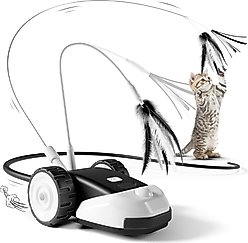
Interactive toys engage cats with movement and sounds. They encourage play between the cat and owner. Common examples include wand toys and laser pointers. These toys stimulate hunting instincts and strengthen bonds.
Solo Play Toys
Solo play toys allow cats to entertain themselves. These include balls, stuffed mice, and feather toys. They are perfect for cats that enjoy independent play. Solo toys help reduce boredom and stress.
Catnip Toys
Catnip toys contain dried catnip inside or on the surface. Catnip triggers a playful and excited response in many cats. These toys can be stuffed animals or small pillows. They encourage active play and provide mental stimulation.
Puzzle Toys
Puzzle toys challenge cats to solve problems for rewards. They often hide treats or kibble inside compartments. Cats use paws and noses to unlock the treats. Puzzle toys boost mental skills and slow fast eaters.

Credit: www.amazon.ca
Materials Used In Cat Toys
Cat toys come in many forms and use different materials. The choice of material affects how cats interact with the toy. Materials can be natural or synthetic. Each type offers unique benefits and challenges. Understanding these materials helps choose safe and fun toys for cats.
Natural Materials
Natural materials are often soft and safe for cats. Common examples include:
- Cotton
- Wool
- Feathers
- Wood
- Natural rubber
These materials feel closer to what cats experience in nature. They are usually biodegradable and eco-friendly. Many cats enjoy the texture and scent of natural fibers.
Synthetic Materials
Synthetic materials are man-made and widely used in cat toys. Common types include:
- Polyester
- Plastic
- Rubber
- Nylon
- Foam
These materials often last longer and resist damage. They can be shaped into many forms and bright colors. Synthetic fibers may attract cats with their texture or sound.
Safety Considerations
Safety is key when selecting cat toys. Avoid materials that can break into small pieces. Choking hazards and toxic substances pose risks. Check for non-toxic dyes and finishes.
Inspect toys regularly for wear and tear. Remove any damaged toys to prevent injury. Choose materials that are easy to clean and dry.
Benefits Of Cat Toys
Cat toys do more than just entertain. They play a key role in a cat’s health and happiness. Toys help cats stay active and sharp. They reduce stress and stop bad habits. Understanding these benefits helps owners choose the best toys for their pets.
Physical Exercise
Toys encourage cats to move and play. Running, jumping, and pouncing keep their muscles strong. Exercise helps control weight and prevent health issues. Active cats tend to live longer and feel better. Toys make exercise fun and easy to do every day.
Mental Stimulation
Chasing and hunting toys challenge a cat’s mind. Problem-solving keeps their brain active and alert. Mental exercise reduces boredom and anxiety. Stimulated cats show less destructive behavior. Toys that mimic prey trigger natural hunting instincts.
Behavioral Improvement
Playing with toys helps cats release energy safely. It lowers aggression and stops scratching furniture. Toys teach cats good habits and focus their attention. Regular playtime builds trust between cat and owner. Well-behaved cats create a peaceful home environment.
Choosing The Right Toy
Choosing the right cat toy is important for your pet’s happiness. The right toy keeps cats active and engaged. It also helps prevent boredom and unwanted behavior. Consider your cat’s needs and preferences before buying a toy. This ensures they enjoy playtime and stay healthy.
Age And Activity Level
Kittens need toys that encourage movement and exploration. Soft toys and small balls work well for them. Adult cats might prefer toys that challenge their hunting skills. Toys that move or mimic prey catch their interest. Older cats benefit from gentle toys that don’t require too much energy. Choose toys that match your cat’s energy and age for safe play.
Personality Preferences
Cats have different personalities. Some love chasing toys, while others enjoy cuddling soft toys. Observe what your cat likes. A shy cat may prefer quiet toys with soft textures. An energetic cat may enjoy interactive toys like laser pointers or feather wands. Match toys to your cat’s unique personality for better engagement.
Durability And Safety
Toys must be safe and last long. Avoid toys with small parts that cats can swallow. Look for non-toxic materials that are gentle on teeth. Durable toys resist tearing and breaking. Check toys regularly for damage. Replace any worn or broken toys to keep your cat safe during play.
Diy Cat Toy Ideas
Engaging your cat with toys you make yourself not only saves money but also strengthens your bond with your furry friend. DIY cat toys can be as simple or complex as you desire, and they are a fun way to indulge your creative side. Plus, they offer a great chance to repurpose items from around your home, turning potential waste into playful treasures.
Simple Homemade Toys
Even the most basic materials can turn into hours of entertainment for your cat. A simple ball of crumpled paper can become an instant hit. Tie a string to it, and you’ve got an interactive chase toy that cats love.
Consider using old socks filled with a bit of catnip and securely tied off. Cats adore the scent, and the soft texture makes for a perfect wrestling partner. This homemade toy can keep your kitty entertained for hours.
Repurposed Household Items
Look around your home for items that can have a second life as a cat toy. Empty toilet paper rolls are versatile and can be crafted into tunnels or small play objects. Cut them into rings and link them together to create a lightweight chain your cat can bat around.
Old T-shirts can be transformed into braided ropes, offering a playful tug toy. Be creative with cardboard boxes; cut out windows and doors to make an interactive playhouse or a simple hiding spot.
Safe Crafting Tips
While crafting toys, ensure all materials are non-toxic and safe for pets. Avoid using small parts that could be swallowed or items with sharp edges. If you’re using fabrics, ensure there are no loose threads or buttons that could pose a choking hazard.
Always supervise your cat with new toys initially to ensure they play safely. Regularly inspect homemade toys for wear and tear, and replace them as needed. Your cat’s safety should always come first when crafting DIY toys.
What creative ideas have you tried for your cat’s toys? Share your experiences and inspire others to get crafty!

Credit: protectapet.com
Maintaining Cat Toys
Maintaining cat toys keeps your cat happy and healthy. Clean toys prevent germs and dirt buildup. Regular care extends toy life and keeps playtime fun. Organized toys make it easy to find favorites.
Cleaning Techniques
Wash fabric toys with mild soap and warm water. Rinse well to remove soap residue. Let toys air dry completely before use. For plastic toys, wipe with a damp cloth. Avoid harsh chemicals that can harm your cat. Clean toys every two weeks or after heavy use.
Replacing Worn Toys
Check toys regularly for damage or wear. Remove toys with loose parts or sharp edges. Replace toys that no longer interest your cat. Choose durable toys made from safe materials. Rotate new toys to keep your cat curious and active.
Storage Tips
Store toys in a clean, dry place. Use a basket or box to keep toys together. Avoid damp areas to prevent mold and mildew. Keep small toys out of reach when not supervised. Organize toys by type for quick access during playtime.
Credit: www.chewy.com
Frequently Asked Questions
What Are Common Names For Cat Toys?
Cat toys are often called teaser wands, balls, mice, or catnip toys. These names describe their shapes and functions. They engage cats in play and exercise, stimulating their hunting instincts for mental and physical health.
Why Do Cats Need Different Types Of Toys?
Different toys stimulate various senses and encourage natural behaviors. Variety prevents boredom and promotes exercise. Toys like feathers, lasers, and balls help cats stay active, reduce stress, and enhance their overall well-being.
How Do Catnip Toys Benefit Cats?
Catnip toys contain a herb that triggers playful behavior in many cats. They encourage exercise, mental stimulation, and reduce anxiety. Catnip toys are safe and provide enjoyable interaction for indoor cats.
What Materials Are Safe For Cat Toys?
Safe cat toys are made from non-toxic materials like natural fibers, soft fabrics, and BPA-free plastics. Avoid small parts that cats can swallow. Durable and washable materials ensure long-lasting and safe play sessions.
Conclusion
Cat toys come in many names and types, all meant to entertain pets. They help cats stay active, healthy, and happy every day. Choosing the right toy depends on your cat’s personality and play style. Simple toys like balls or feathers often bring the most joy.
Remember, toys are not just fun—they also build a strong bond between you and your cat. Keep exploring different toys to find what your cat loves best. Playtime is a key part of a cat’s life.




Leave a Reply