If you have a growing cat at home, you might be wondering when it’s the right time to switch from kitten food to adult cat food. Choosing the perfect moment is more important than you think.
Feeding your cat the wrong food can affect their health, energy, and happiness. You’ll discover the simple signs that tell you when to make the switch. By the end, you’ll feel confident about giving your furry friend the best nutrition at every stage of their life.
Keep reading to learn how to keep your cat healthy and thriving!
Credit: www.purina.com
Kitten Growth Stages
Understanding kitten growth stages helps decide the best time to switch to adult food. Kittens grow fast and their diet needs change quickly. Each stage requires specific nutrition to support healthy development. Knowing these stages ensures your kitten gets the right food at the right time.
From Newborn To Weaning
Newborn kittens depend on their mother’s milk for all nutrients. This milk provides antibodies to protect against illness. They nurse every two hours and sleep most of the day. At about four weeks old, kittens begin to wean. Weaning means slowly introducing solid food while still nursing.
Transition To Solid Food
Between four and eight weeks, kittens start eating soft, wet food. This food is easier to chew and digest. Offer small, frequent meals to encourage eating. Monitor how well the kitten adapts to the new food. Continue providing mother’s milk or formula until fully weaned.
Rapid Growth Phase
From eight weeks to six months, kittens grow rapidly. They need extra calories, protein, and fat during this phase. Feeding a high-quality kitten food supports bone and muscle development. Offer meals three to four times a day. Gradually prepare kittens for the switch to adult food after six months.

Credit: www.purina.com
When To Switch To Adult Food
Knowing the right time to switch your cat from kitten food to adult food is essential for their health and growth. Feeding the proper diet supports their energy needs and overall well-being. But how do you determine the perfect moment to make this change?
Age Milestones For Switching
Most cats transition to adult food between 9 and 12 months old. This range aligns with when kittens stop growing rapidly and their nutritional needs shift.
Smaller breeds often mature faster, so you might switch closer to 9 months. Larger breeds may benefit from kitten food a little longer, sometimes up to 12 months. Watching their development over time helps guide your decision.
Signs Your Cat Is Ready
Look for changes in behavior and growth to know when to switch. If your cat’s growth rate slows and they seem less playful but still active, it’s a sign they might be ready.
Also, check if your kitten is consistently finishing meals or showing less interest in high-calorie kitten food. This can indicate their metabolism is adjusting to adult needs. Have you noticed your cat’s energy levels or appetite shifting lately?
Breed And Size Considerations
Different breeds and sizes mature at different rates, affecting when to switch foods.
- Small breeds:Tend to mature faster and can switch around 9 months.
- Large breeds:Need kitten food longer to support their extended growth phase.
- Indoor vs. outdoor cats:Activity level may also influence the timing and type of adult food.
Understanding your cat’s specific breed traits can help you tailor their diet. Have you checked with your vet about your cat’s breed-related needs?
Choosing The Right Adult Cat Food
Cats usually switch to adult food around one year old. This change supports their growth and energy needs. Feeding the right food at the right age helps keep cats healthy and active.
Choosing the right adult cat food is crucial to ensuring your feline friend remains healthy and active as they transition from a playful kitten to a mature adult. The food you select should meet the specific nutritional needs of adult cats, providing them with the energy and nutrients they require. But how do you choose the best option for your cat?Nutritional Needs Of Adult Cats
Adult cats need a balanced diet that includes proteins, fats, vitamins, and minerals to maintain their health. Proteins are essential for muscle maintenance, while fats provide energy. Unlike kittens, adult cats have a lower calorie requirement, so it’s important to avoid overfeeding to prevent obesity.Types Of Adult Cat Food
You’ll find a variety of adult cat food options in the market, including dry kibble, wet canned food, and semi-moist food. Dry kibble is economical and good for dental health. Wet canned food offers high moisture content, which is beneficial for hydration. Semi-moist food is convenient but usually contains more sugar and salt.Ingredients To Look For
When selecting adult cat food, check the label for high-quality protein sources like chicken, fish, or beef listed as the first ingredient. Avoid foods with excessive fillers like corn or wheat. Look for added taurine, which is vital for heart and eye health. Additionally, ensure the food contains omega-3 and omega-6 fatty acids for a healthy coat and skin. Choosing the right adult cat food can seem daunting, but understanding your cat’s unique needs will guide you to the best choice. What have you learned about your cat’s preferences?Switching Process Tips
Switching your cat to adult food is an important step that requires care and attention. A smooth transition helps your cat adjust without digestive upset or food refusal. The tips below will guide you through the process effectively.
Gradual Food Transition
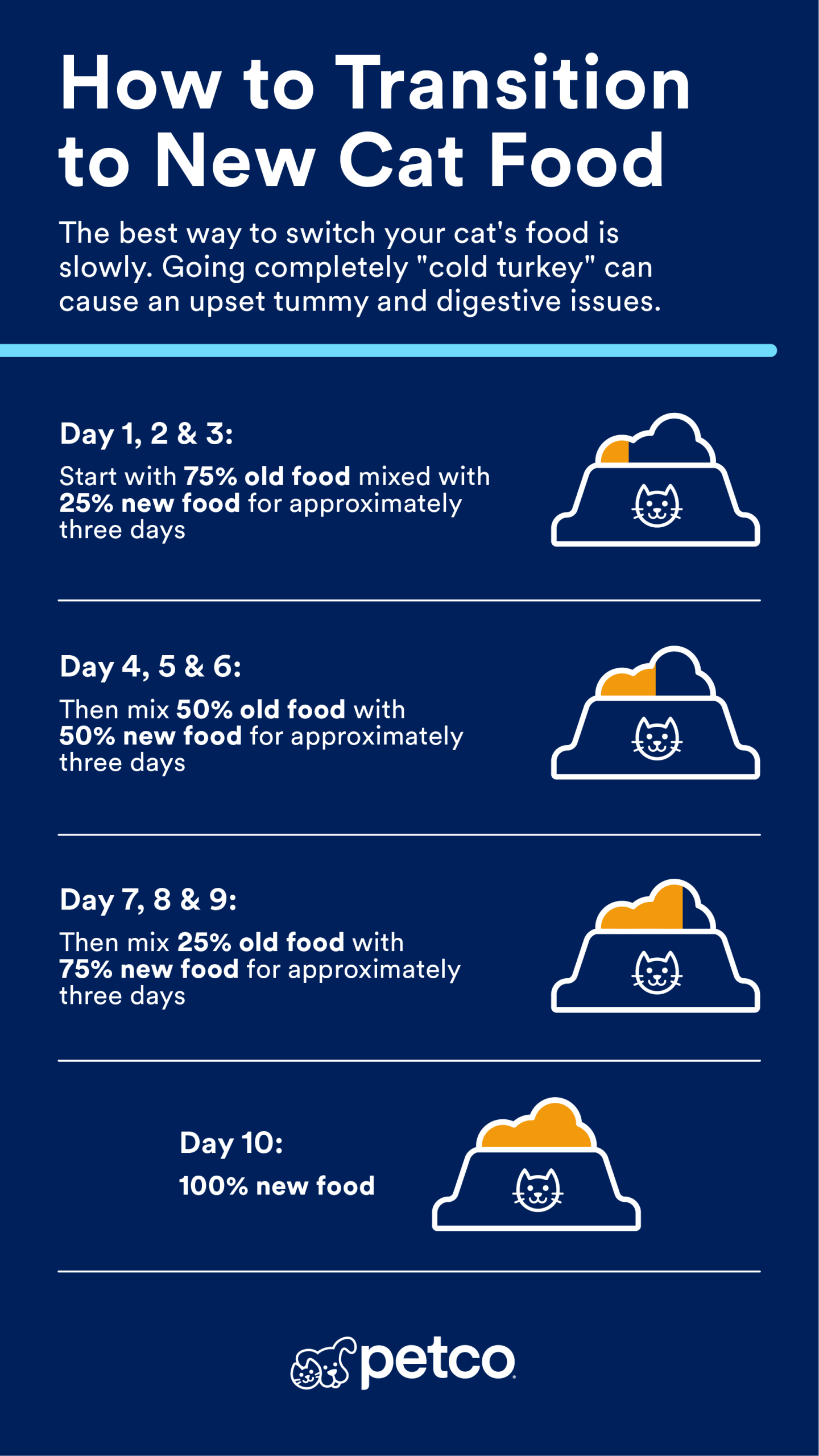
Start by mixing a small amount of adult food with your cat’s current kitten food. Slowly increase the adult food portion over 7 to 10 days. This gradual change helps your cat’s stomach adjust without causing diarrhea or vomiting.
If your cat is hesitant, try warming the food slightly or adding a bit of water to improve the smell and texture. Have you noticed your cat’s reaction when trying new foods? Pay attention to their preferences to ease the switch.
Monitoring Your Cat’s Response
Watch for any changes in appetite, stool consistency, or energy levels during the transition. If your cat shows signs of digestive upset like diarrhea or vomiting, slow down the process. Sometimes extending the transition period by a few extra days can make a big difference.
Keep an eye on your cat’s behavior too—lethargy or refusal to eat may indicate discomfort. How often do you check in on your cat’s well-being during changes like this? Being observant helps prevent bigger issues.
Avoiding Common Mistakes
- Don’t switch abruptly.Immediate changes can cause digestive problems and stress.
- Avoid mixing too many new foods at once.It’s better to introduce one new product at a time to identify any allergies or intolerances.
- Don’t ignore your cat’s preferences.Some cats may prefer wet food over dry or vice versa, so be flexible.
Have you ever rushed a food change and regretted it? Taking your time and observing your cat’s needs will make the process smoother for both of you.
Special Cases And Exceptions
Some cats need special attention when switching to adult food. Their health, age, and lifestyle can change the right time to make this move. Understanding these special cases helps keep your cat healthy and happy.
Cats With Health Issues
Cats with health problems often require tailored diets. Kidney disease, allergies, or digestive troubles mean they might need special food. Your vet can suggest the best time and type of food. Switching too soon or too late may worsen their condition.
Senior Cats And Diet
Older cats have different nutritional needs than younger ones. They may need food that supports joint health and has fewer calories. Some seniors benefit from senior formulas rather than regular adult food. Watch your cat’s energy and weight to decide the right switch time.
Indoor Vs Outdoor Cats
Indoor cats tend to be less active than outdoor cats. They may require fewer calories and more fiber to avoid weight gain. Outdoor cats burn more energy and need higher protein levels. Choose adult food based on your cat’s daily activity and environment.

Credit: www.tippaws.com
Maintaining Healthy Growth
Maintaining healthy growth is vital when switching cats to adult food. Proper nutrition supports their energy, body functions, and overall well-being. Cats need a smooth transition to avoid digestive problems and weight issues. Balanced care helps them stay active and strong throughout their adult life.
Balanced Diet And Portion Control
Adult cats require a diet rich in protein and essential nutrients. Choose food made for adult cats, with the right vitamins and minerals. Avoid overfeeding, as excess calories cause obesity. Measure portions carefully, based on your cat’s weight and activity. Feeding the correct amount keeps your cat fit and healthy.
Regular Vet Checkups
Visit the vet regularly to monitor your cat’s health. The vet checks weight, teeth, and overall condition. They can suggest diet changes or supplements if needed. Early detection of health issues prevents serious problems later. Keep track of your cat’s growth and behavior to share with the vet.
Exercise And Activity Levels
Physical activity is important for muscle and bone health. Encourage playtime with toys and climbing structures. Active cats burn calories and maintain a healthy weight. Adjust food portions based on how much your cat moves. A balanced lifestyle promotes long-term health and happiness.
Frequently Asked Questions
When Should I Switch My Kitten To Adult Cat Food?
Switch your kitten to adult cat food around 12 months old. This timing supports their changing nutritional needs as they grow. Some larger breeds may need adult food later, around 18 months. Consult your vet to ensure the right switch time for your cat.
Why Is It Important To Switch Cat Food At The Right Age?
Switching cat food at the right age ensures proper nutrition. Kittens need more protein and calories for growth. Adult cats need balanced nutrients to maintain health. Feeding the wrong food can lead to obesity or nutritional deficiencies. Age-appropriate food supports your cat’s overall well-being.
Can I Feed Adult Cat Food To Kittens?
Feeding adult cat food to kittens is not recommended. Adult food lacks essential nutrients kittens need for growth. Kittens require higher protein, fats, and calories. Using adult food too early can stunt growth and weaken their immune system. Always use kitten-formulated food until they reach maturity.
How To Transition From Kitten To Adult Cat Food?
Transition gradually over 7-10 days by mixing kitten and adult food. Start with mostly kitten food and increase adult food slowly. Monitor your cat’s digestion and appetite during the transition. Gradual change prevents stomach upset and ensures acceptance of new food.
Conclusion
Cats need the right food for their age and health. Around one year old, most cats are ready for adult food. Watch your cat’s behavior and weight to decide the best time to switch. Changing food slowly helps avoid stomach problems.
Always choose quality food with balanced nutrients. Feeding the right diet keeps your cat happy and strong. Remember, every cat is different. Trust your pet’s needs and consult a vet if unsure. Careful feeding supports a long, healthy life for your cat.
Simple steps make a big difference.



Leave a Reply