Are you wondering if your 5-month-old Montu kitten can eat adult cat food? It’s a common question that many cat owners face as their kittens grow.
Feeding your kitten the right food is crucial for their health and development. Choosing the wrong type could affect their energy, growth, and overall well-being. You’ll discover why your Montu kitten might need a special diet now—and what happens if you switch too soon to adult cat food.
Keep reading to make sure you give your furry friend the best nutrition possible.
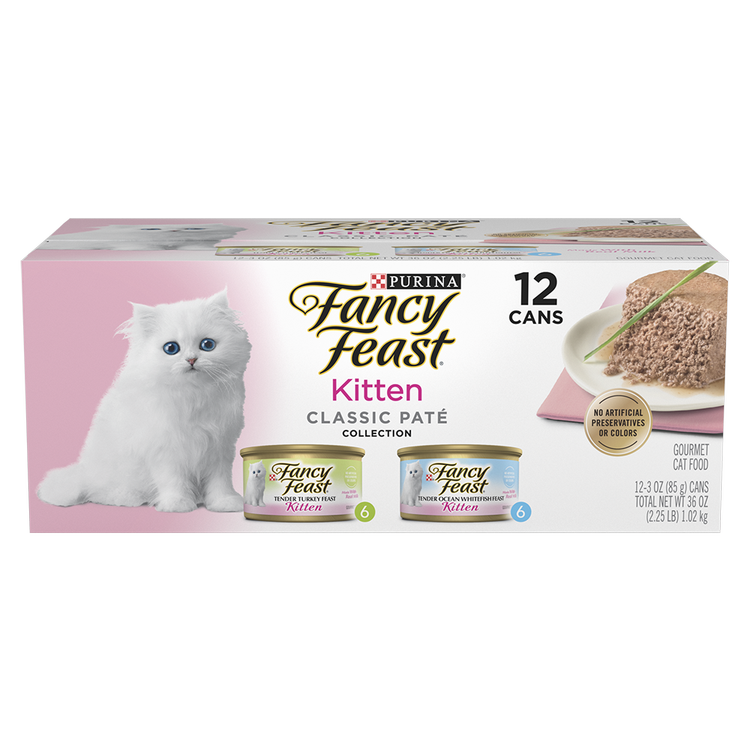
Credit: www.purina.com
Kitten Nutritional Needs
Understanding your kitten’s nutritional needs is essential, especially when deciding if it’s time to switch from kitten food to adult cat food. Kittens grow fast, and their diet should support every stage of their development. Feeding the right food now can shape your cat’s health for years to come.
Growth And Development
During the first six months, kittens experience rapid growth. Their bodies need more calories and nutrients compared to adult cats. This intense growth phase means their food must provide enough energy to support muscle, bone, and organ development.
Have you noticed how your kitten’s appetite seems to increase almost daily? This is because they need more fuel to keep up with their active lifestyle and growth spurts. Feeding adult cat food too early often doesn’t meet these higher energy demands, which can slow down their development.
Key Nutrients For Kittens
Kittens require specific nutrients in higher amounts than adult cats. Protein is crucial for building strong muscles and healthy tissues. Look for foods with high-quality animal protein sources like chicken, turkey, or fish.
Calcium and phosphorus are vital for strong bones and teeth. DHA, an omega-3 fatty acid, supports brain and eye development. Vitamins like A, E, and B-complex also play key roles in immune function and overall health.
- Protein:Supports muscle growth and repair.
- Fat:Provides concentrated energy and aids brain development.
- Calcium & Phosphorus:Essential for bone strength.
- DHA:Important for vision and cognitive skills.
- Vitamins & Minerals:Boost immunity and metabolic functions.
Considering these needs, does adult cat food really provide enough nutrition for your 5-month-old kitten? It’s worth checking the labels and consulting your vet before making any changes. Your kitten’s health depends on it.
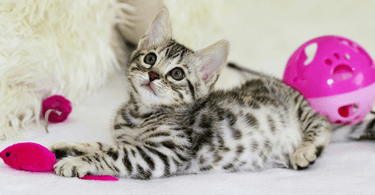
Credit: www.tippaws.com
Differences Between Kitten And Adult Cat Food
Five-month-old kittens still need food made for growing cats to get enough nutrients. Adult cat food lacks essential vitamins and calories for their development. Feeding adult food too early can slow their growth and affect health.
Differences Between Kitten and Adult Cat Food Kittens and adult cats have different dietary needs. Their food should reflect these differences. Understanding these differences helps in choosing the right food. Let’s explore these variations.Calorie Content
Kittens need more calories for growth. Their bodies are developing rapidly. Adult cat food has fewer calories. It’s designed for maintenance, not growth. Kittens need energy for play and exploration. Adult cats are less active. They require fewer calories to stay healthy.Protein And Fat Levels
Kittens require more protein and fat. These nutrients support muscle and bone development. Adult cats need less protein. Their growth phase is complete. Kitten food usually has higher protein and fat levels. This supports their energetic lifestyle and rapid growth.Vitamin And Mineral Balance
Kittens need specific vitamins and minerals. These aid in their development. Adult cats have different nutritional requirements. Their diet focuses on maintaining health. Kitten food includes more calcium and phosphorus. These support strong bones and teeth. Adult cat food balances nutrients for overall health. Understanding these differences is key to choosing the right food for your pet.Feeding A 5-month-old Kitten Adult Food
Feeding a 5-month-old kitten adult cat food might seem like a simple switch. However, this transition requires careful thought because kittens have different nutritional needs compared to adult cats. Understanding when and how to make this change can impact your kitten’s growth and health significantly.
Risks Of Early Transition
Switching your kitten to adult food too soon can cause nutritional gaps. Kittens need extra protein, fat, and calories to support their rapid growth. Adult food often lacks these higher levels, which might stunt their development or weaken their immune system.
Digestive issues are another concern. Your kitten’s stomach is still adjusting to solid food, and adult formulas can be harder to digest. This may lead to diarrhea, vomiting, or loss of appetite, making feeding time stressful for both of you.
Have you noticed your kitten losing energy or not growing as expected? These could be signs that the food isn’t meeting their needs. It’s worth taking a step back and reevaluating the diet before making a permanent change.
Signs Your Kitten Is Ready
Your kitten starts showing signs of slowing growth around 5 to 6 months old. If your vet confirms steady development and good health, it might be time to think about the transition. Also, your kitten’s teeth should be fully developed to handle tougher adult kibble.
Look for behavioral cues, too. Is your kitten finishing meals quickly without digestive upset? Are they maintaining a healthy weight and energy level? These signs indicate they might tolerate adult food well.
To ease the switch, try mixing small amounts of adult food with kitten food. Gradually increase the adult food over 7 to 10 days while watching for any adverse reactions. This slow approach helps your kitten adjust without sacrificing nutrition.
Transitioning To Adult Cat Food
Transitioning your 5-month-old Montu kitten to adult cat food is an important step in supporting their growth and health. This change should be handled carefully to avoid digestive upset and ensure your kitten gets the right nutrients. A smooth transition also helps you spot any food sensitivities or preferences early on.
Gradual Food Mixing
Start by mixing a small amount of adult cat food into your kitten’s current diet. A good ratio is about 25% adult food to 75% kitten food during the first few days. Over the next week or two, slowly increase the amount of adult food while decreasing the kitten food.
This gradual shift helps your kitten’s digestive system adjust without causing stomach upset. Have you noticed your kitten being picky or hesitant with new food? Mixing the foods can make the change less intimidating for them.
Monitoring Health And Behavior
Watch your kitten closely as you introduce adult food. Look for changes in energy levels, stool consistency, and overall mood. If your kitten seems lethargic or has diarrhea, pause the transition and consult your vet.
Healthy kittens typically remain active and have firm, regular stools. Keep a journal of any changes you observe—it can be incredibly helpful if you need to discuss your kitten’s diet with a professional.
Adjusting Portion Sizes
Adult cat food often has different calorie content than kitten food, so portion sizes need adjustment. Start by feeding smaller amounts and observe if your kitten is maintaining a healthy weight. Overfeeding can lead to obesity, while underfeeding might stunt growth.
Use your vet’s recommendations as a guide but be ready to tweak portions based on your kitten’s appetite and activity. Have you tried measuring portions instead of free-feeding? It can make a big difference in controlling intake during this transition.
Alternative Feeding Options
Choosing the right food for a 5-month-old kitten is important for healthy growth. Sometimes adult cat food may not meet all their needs. Exploring alternative feeding options helps ensure your kitten gets proper nutrition. These options support energy levels and development during this critical stage.
Specialized Kitten Formulas
Kitten formulas contain extra nutrients tailored for young cats. They have higher protein, fat, and calories than adult food. These formulas support strong bones, muscles, and a healthy immune system. Many brands offer wet and dry options designed specifically for kittens. Using specialized formulas helps maintain steady growth and energy.
- Rich in DHA for brain development
- Balanced vitamins and minerals
- Easy to digest ingredients
- Suitable texture for small teeth
Homemade Diet Considerations
Some pet owners prefer preparing homemade meals for their kittens. Homemade diets can include cooked meats, vegetables, and grains. Careful planning is needed to avoid nutrient gaps or imbalances. Consulting a vet ensures meals cover all essential needs. Fresh ingredients and clean preparation reduce health risks.
- Lean proteins like chicken or turkey
- Small amounts of vegetables for fiber
- Supplements for calcium and taurine
- Avoid toxic foods like onions or garlic

Credit: www.amazon.com
Consulting Your Veterinarian
Consulting your veterinarian is a crucial step before switching your 5-month-old kitten to adult cat food. Each cat is unique, and a professional can provide guidance tailored to your kitten’s specific needs. Ignoring this advice can lead to nutritional gaps or digestive issues that might affect your kitten’s growth and health.
Personalized Feeding Plans
Your vet can create a feeding plan based on your kitten’s weight, activity level, and overall health. This plan will help you decide if your kitten is ready for adult food or if a kitten formula should continue. For example, some kittens may need a slower transition due to their size or breed.
They can also recommend the right portion sizes and feeding frequency. This avoids overfeeding or underfeeding, which are common mistakes pet owners make. Have you noticed your kitten gaining weight too fast or seeming hungry all the time? Your vet’s plan can address these concerns effectively.
Addressing Health Concerns
Health issues like allergies or digestive sensitivities often influence diet choices. Your veterinarian will check for any underlying problems that could worsen with adult cat food. I once had a kitten that developed stomach upset after switching too quickly; a vet’s advice helped us find a gentle diet.
They can suggest specific brands or ingredients that suit your kitten’s health profile. This advice can prevent future problems like obesity or nutrient deficiencies. Are you aware of any signs such as vomiting or diarrhea after meals? Bringing these up during your vet visit can make a big difference.
Frequently Asked Questions
Can 5-month-old Kittens Eat Adult Cat Food?
Five-month-old kittens still need kitten food. It supports their rapid growth and development. Adult cat food lacks essential nutrients for kittens.
When Should A Kitten Switch To Adult Cat Food?
Kittens typically switch to adult food around 12 months old. This timing ensures they get adequate nutrients for growth and health.
What Are Risks Of Feeding Adult Food To Kittens?
Adult food may cause nutrient deficiencies in kittens. It can lead to slower growth and weaker immune systems.
How To Transition A Kitten To Adult Cat Food?
Gradually mix adult food with kitten food over 7-10 days. This helps avoid digestive upset and ensures a smooth change.
Conclusion
A 5-month-old kitten can start eating some adult cat food. Choose high-quality food with balanced nutrients for growth. Mix kitten and adult food to ease the change. Watch your kitten’s health and energy closely. Consult a vet if unsure about diet changes.
Proper food helps your kitten grow strong and healthy. Gradual shifts prevent stomach upset and keep your pet happy. Always provide fresh water alongside the new food. This simple care supports your kitten’s bright future.



Leave a Reply