You love your kitten and want to give it the best care possible. One important question you might have is: when should you switch from kitten food to adult cat food?
Making this change at the right time can keep your cat healthy and happy. If you switch too early or too late, it could affect your cat’s growth and energy. Keep reading to discover the perfect age to make this switch and how to do it smoothly for your furry friend.
Your cat’s health depends on it!
When To Switch Cat Food
Knowing the right time to switch your cat from kitten food to adult cat food is crucial for their health. Feeding your cat the appropriate diet supports their growth, energy levels, and overall wellbeing. But how do you recognize the perfect moment to make this change?
Kitten Growth Stages
Kittens grow rapidly during their first year. Their nutritional needs are different at each stage, starting with a diet rich in protein and fats to support development.
Typically, kittens are ready to transition between 9 to 12 months of age. However, this can vary depending on the breed and individual growth rate. Large breeds like Maine Coons may need kitten food for longer due to slower maturity.
Signs Of Maturity
Watch for signs that your kitten is reaching adulthood. These include a steady weight gain slowdown and a change in activity levels.
Adult cats tend to be less hyperactive than kittens. Their appetite may also stabilize, reflecting their slower metabolism. When you notice these shifts, it’s a good time to consider switching their food.
Veterinarian Recommendations
Your vet is the best guide for when to switch your cat’s diet. They can assess your cat’s growth, weight, and overall health to give personalized advice.
Veterinarians often recommend a gradual switch over 7 to 10 days to avoid digestive upset. They may also suggest specific adult cat formulas based on your cat’s health needs.
Differences In Cat Food Types
Cat food types differ to meet the needs of cats at various life stages. Kittens grow fast and need extra nutrients. Adult cats require balanced food to maintain health. Choosing the right food helps your cat stay strong and active. Understanding these differences guides you to the best feeding choice.
Nutritional Needs Of Kittens
Kittens need high protein to support rapid growth. Their food contains more fat and calories for energy. Vitamins and minerals help build strong bones and teeth. Kittens’ diets include DHA for brain and eye development. Their smaller size means food is made with tiny, easy-to-chew pieces.
Adult Cat Food Benefits
Adult cat food has balanced protein and fat levels to keep weight steady. It supports muscle maintenance and healthy skin. Ingredients often include antioxidants to boost the immune system. Fiber helps with digestion and prevents hairballs. Adult food has fewer calories than kitten food to avoid obesity.
Risks Of Early Or Late Switching
Switching too early may cause nutrient shortages. Kittens might miss essential growth vitamins and minerals. Delaying the switch can lead to weight gain. Adult food lacks some nutrients needed for growing kittens. Feeding the wrong food affects your cat’s energy and health. Timing the change correctly helps avoid these problems.
Transitioning Your Cat’s Diet
Changing your cat’s diet from kitten to adult food requires care and patience. The transition affects your cat’s health and digestion. A smooth change helps avoid stomach problems and keeps your cat happy. Follow clear steps to make this switch easy for your cat.
Gradual Food Introduction
Start by mixing a small amount of adult food with kitten food. Increase the adult food portion slowly over 7 to 10 days. Watch if your cat accepts the new food well. Sudden changes can cause upset stomach or refusal to eat.
Monitoring Cat’s Response
Check your cat’s behavior and digestion daily. Look for signs like vomiting, diarrhea, or loss of appetite. Notice energy levels and mood changes too. If problems appear, slow down the transition or consult a vet.
Adjusting Portions And Frequency
Adult cats need different food amounts than kittens. Adjust meal sizes based on your cat’s weight and activity. Feed adult food two times a day or as your vet recommends. Keep fresh water available at all times.

Credit: www.purina.com
Special Considerations
Transitioning your cat from kitten to adult food requires careful timing. Various factors influence the ideal switch. Not all cats mature at the same rate. Special considerations are essential for a smooth transition. Let’s explore these considerations.
Breed And Size Variations
Different breeds mature at different rates. Large breeds like Maine Coons may take longer to mature. Small breeds might be ready for adult food sooner. Monitor your cat’s growth and consult your vet. Breed-specific needs impact the timing of the transition.
Health Conditions Impact
Health plays a crucial role in diet changes. Cats with health issues might need special diets. Conditions like obesity or kidney disease require tailored nutrition. Consult a vet before altering the diet. A professional can guide you based on health needs.
Indoor Vs. Outdoor Cats
Indoor and outdoor cats have different energy needs. Outdoor cats may require more calories due to higher activity. Indoor cats might need fewer calories to prevent weight gain. Adjust the timing of food change based on their lifestyle. This ensures they get balanced nutrition.
Choosing The Right Adult Cat Food
Choosing the right adult cat food is essential for your cat’s health. Adult cats have different nutritional needs than kittens. Selecting food that matches these needs supports their energy and overall well-being.
Good adult cat food provides balanced nutrition and helps maintain a healthy weight. It supports strong muscles, shiny fur, and good digestion. Understanding what to look for in cat food helps you make smart choices for your pet.
Key Ingredients To Look For
- High-quality protein like chicken, turkey, or fish
- Essential fats such as omega-3 and omega-6 fatty acids
- Vitamins and minerals for immune support and bone health
- Fiber to aid digestion and prevent hairballs
- Low fillers like corn, wheat, or soy
Wet Vs. Dry Food Options
Wet food contains more moisture, which helps keep cats hydrated. It often has more protein and fewer carbs than dry food. Wet food is softer and easier to chew, especially for older cats.
Dry food is convenient and can help keep teeth clean. It usually lasts longer once opened and is less expensive. Some cats prefer the crunch, but dry food has less moisture.
Reading Food Labels
Check the first few ingredients for quality protein sources. Avoid foods with too many fillers or artificial additives. Look for balanced nutrients to meet your cat’s daily needs.
Pay attention to guaranteed analysis for protein, fat, and fiber levels. Compare brands and choose one that fits your cat’s life stage and health. Label reading helps ensure your cat gets the right fuel.
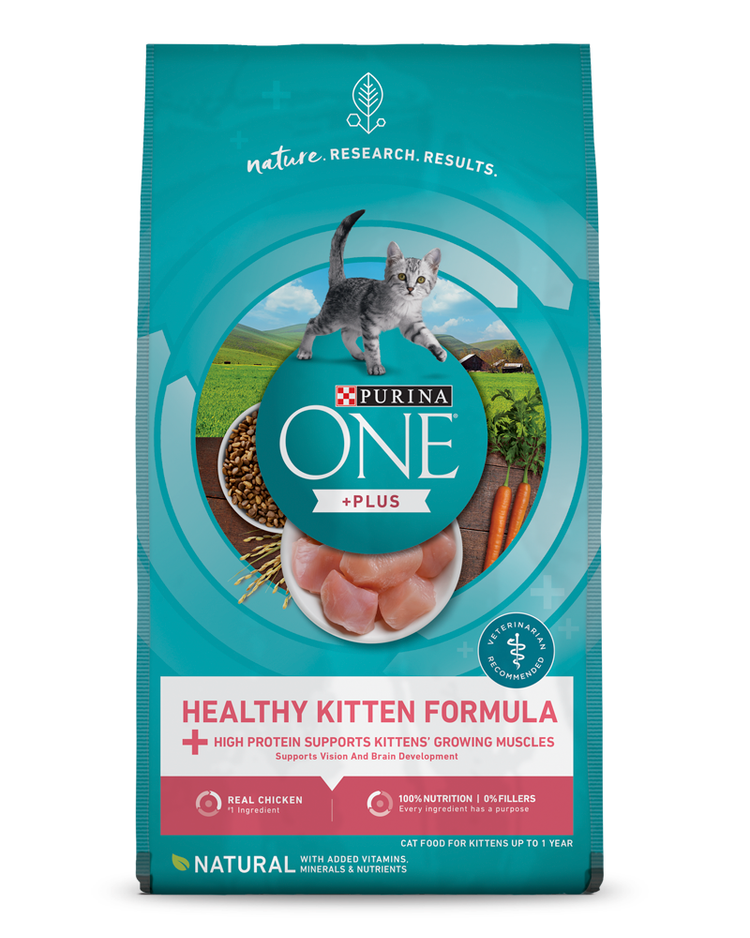
Credit: www.purina.com

Credit: www.tippaws.com
Frequently Asked Questions
When Should I Switch My Kitten To Adult Cat Food?
Most cats should transition to adult food at 12 months old. This age supports their changing nutritional needs as they mature beyond kitten growth stages.
Why Is Adult Cat Food Better After One Year?
Adult cat food contains balanced nutrients for maintenance, not growth. It helps prevent obesity and supports overall health in mature cats.
How To Transition From Kitten To Adult Cat Food?
Gradually mix adult food with kitten food over 7-10 days. This helps prevent digestive issues and allows your cat to adjust smoothly.
Can I Feed Adult Cat Food To Kittens?
No, adult food lacks essential nutrients kittens need for growth. Feeding kitten food ensures proper development during their early months.
Conclusion
Switching your cat to adult food usually happens around one year. This change supports their growing energy needs and health. Watch your cat’s behavior and weight to guide you. Choose food with balanced nutrients for adult cats. Consult your vet if you are unsure about timing.
Feeding the right food helps your cat live a happy life. Keep an eye on their health as they grow older. Small changes make a big difference in your cat’s life.


Leave a Reply