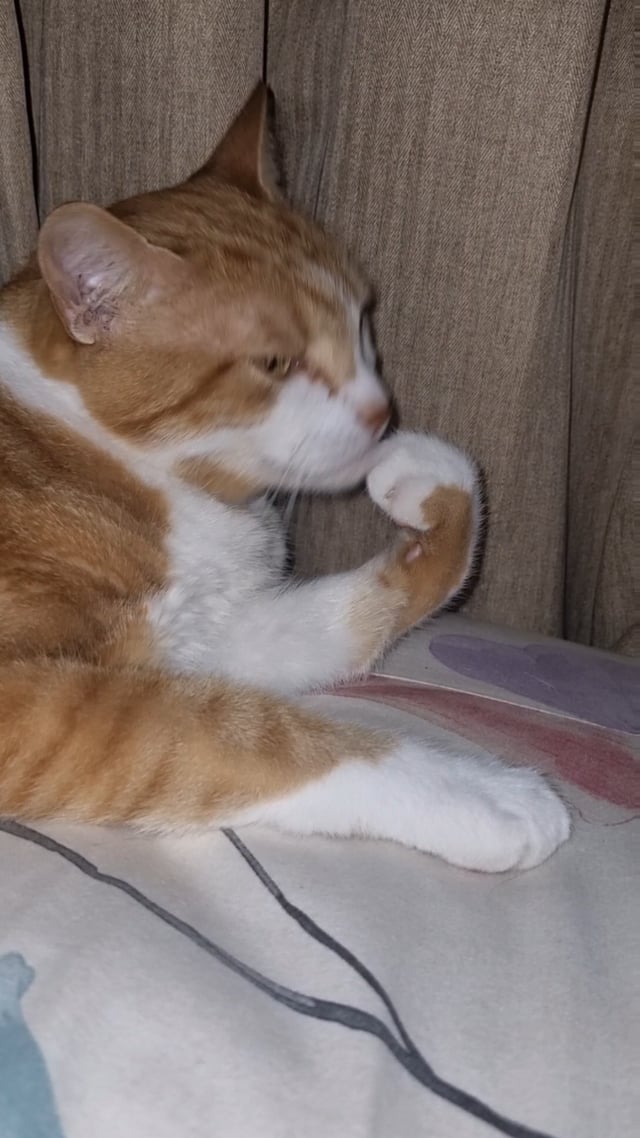
Have you ever watched your cat carefully biting her claws while grooming and wondered if it’s normal or something to worry about? You might be asking yourself, “Should my cat bite her claws like that?” It’s natural to feel concerned because your cat’s health and happiness matter to you.
Understanding why she does this simple act can help you decide if it’s just a habit or a sign of a problem. Keep reading to discover what your cat’s claw-biting really means and what you can do to keep her comfortable and safe.

Credit: www.latimes.com
Why Cats Groom Themselves
Understanding why your cat grooms herself can shed light on behaviors like biting her claws during grooming. Cats spend a significant part of their day cleaning themselves, which is a natural and essential activity. Observing this habit can help you know if your cat is healthy or if something might be bothering her.
Natural Grooming Instincts
Cats are born with a strong grooming instinct. From a young age, they learn to lick their fur to keep clean. This behavior is inherited from their wild ancestors who needed to stay clean for survival.
Grooming also helps cats manage their body temperature. Have you noticed your cat licking more on hot days? That’s because grooming helps cool her down through evaporation.
Benefits Of Grooming
Grooming does more than just keep your cat looking neat. It removes dirt, loose fur, and parasites like fleas. This is important for her overall health.
Grooming also spreads natural oils across her skin and fur, which keeps her coat shiny and protected. It can even reduce stress, acting like a calming ritual for your cat.
Frequency And Patterns
How often your cat grooms depends on her age, health, and environment. Most cats groom several times a day in short sessions. If you notice an increase in grooming or biting her claws, it might mean something is wrong.
Patterns are important too. If your cat suddenly starts focusing on her claws more than usual, ask yourself: Is she stressed, itchy, or bored? Watching these clues helps you understand her needs better.
Credit: felinefancy.co.uk
Reasons Cats Bite Their Claws
Cats biting their claws during grooming is a common sight, but have you ever wondered why they do it? Understanding the reasons behind this behavior can help you determine whether it’s normal or a sign of something else. Let’s explore the main causes that drive your cat to nibble on her claws.
Normal Grooming Behavior
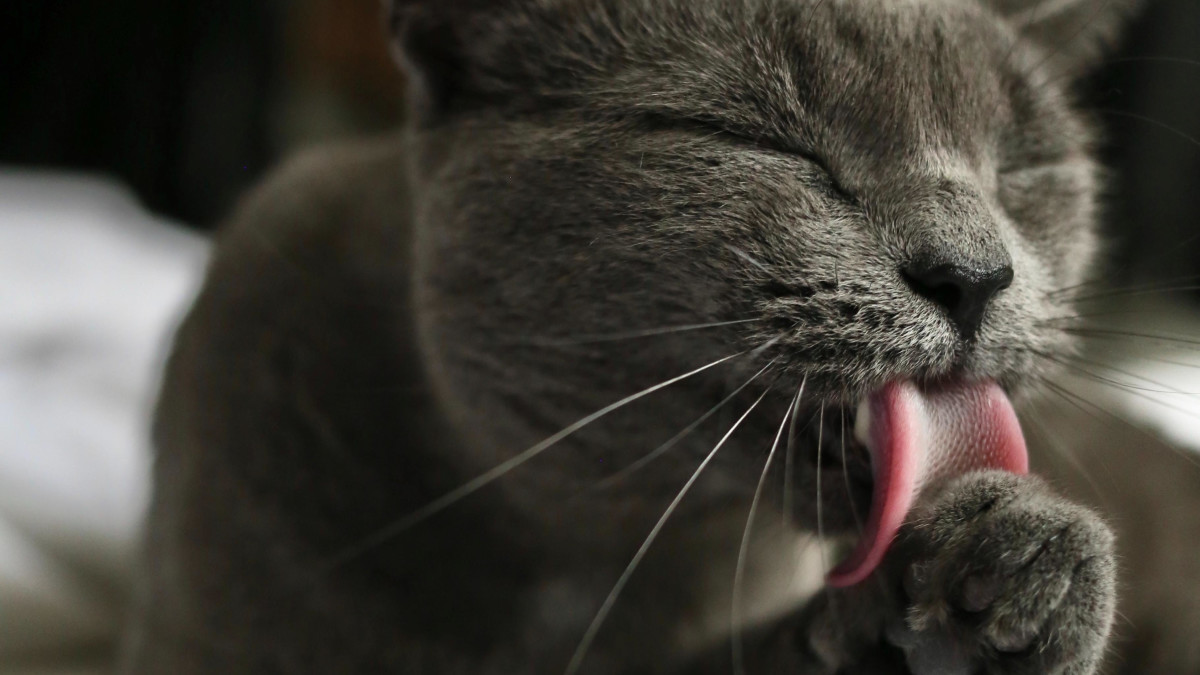
Grooming is a vital part of a cat’s daily routine. Biting their claws allows cats to keep themselves clean and tidy. You might notice your cat focusing on her paws after playing or eating, which is perfectly natural.
Have you seen your cat licking and biting her claws as part of her grooming ritual? This action helps her reach spots that are hard to clean with just her tongue. It’s a sign she’s taking care of herself.
Removing Dirt And Debris
Claws can easily collect dirt, tiny bits of grass, or other debris as your cat explores. Biting helps loosen and remove these particles, keeping her paws clean and comfortable. If you watch closely, you’ll see her carefully picking at something stuck between her claws.
This behavior is especially common after outdoor adventures or vigorous play. If your cat suddenly spends more time biting her claws, check for small objects that might be irritating her. Could there be something caught that you haven’t noticed?
Nail Maintenance
Cats naturally keep their nails in check by scratching and biting. Biting helps trim the sharp edges and prevents overgrowth. This self-maintenance is crucial for her comfort and mobility.
Occasionally, you might find tiny nail fragments on the floor after she bites her claws. This is a good sign that she’s effectively managing her nails. If you haven’t trimmed your cat’s nails recently, her biting might be a way to compensate.
When Claw Biting Becomes Concerning
Noticing your cat biting her claws while grooming can be normal, but how do you know when it crosses the line? Grooming is a natural behavior, yet excessive claw biting may signal discomfort or health issues. Watching for warning signs helps you decide when to intervene and seek help.
Signs Of Overgrooming
If your cat spends hours obsessively biting or licking her claws, this could be a red flag. Overgrooming often leads to bald patches or thinning fur around the paws. You might also see your cat limping or avoiding putting weight on a paw, which signals pain or irritation.
Ask yourself: Is this behavior new or increasing in frequency? Sudden changes in grooming habits often mean something is wrong.
Possible Skin Irritations
Claw biting can cause or worsen skin irritations like redness, swelling, or sores around the nails. These irritations may become infected if left untreated, resulting in discomfort and further biting. Look closely for scabs, bleeding, or flaky skin near the claws.
Have you checked your cat’s paws for signs of injury or parasites? Fleas, mites, or allergies might be behind the discomfort prompting the claw biting.
Behavioral Changes
Excessive claw biting might come with other shifts in your cat’s behavior. She may become more withdrawn, irritable, or restless. Sometimes, increased grooming is a response to stress or anxiety, which can be triggered by changes in the environment.
Think about recent changes at home. Has there been a new pet, loud noises, or altered routines? These factors can influence your cat’s grooming habits and overall well-being.
Health Issues Linked To Claw Biting
Claw biting in cats may signal health problems. This behavior is not always normal grooming. Cats might bite their claws due to discomfort or pain. Recognizing the causes helps protect your cat’s health. Ignoring claw biting can worsen issues.
Allergies And Irritants
Allergies cause itchy paws and skin irritation. Cats may bite claws to relieve the itch. Common triggers include pollen, dust, and certain foods. Chemicals in cleaning products can also irritate paws. Persistent biting may lead to redness and swelling.
Parasite Infestations
Parasites like fleas and mites cause severe itching. They often hide around the paws and claws. Biting claws helps cats try to remove these pests. Infestations cause discomfort, restlessness, and hair loss. Parasites can spread infections if left untreated.
Infections And Injuries
Infections from wounds or nail damage cause pain. Cats bite claws to ease the discomfort. Broken nails or cuts can become infected easily. Signs include swelling, pus, or foul odor. Early treatment prevents serious health problems.
How To Help Your Cat With Claw Biting
Cats may bite their claws during grooming to clean or relieve itchiness. Watching for signs of pain or infection can help decide if a vet visit is needed. Providing scratching posts and regular nail trims can reduce claw biting behavior.
Cats often bite their claws during grooming. This behavior can be normal, but excessive biting may need attention. Helping your cat with claw biting involves understanding their needs and providing the right care. Here are some strategies to ensure your feline friend maintains healthy claws.Regular Nail Trimming
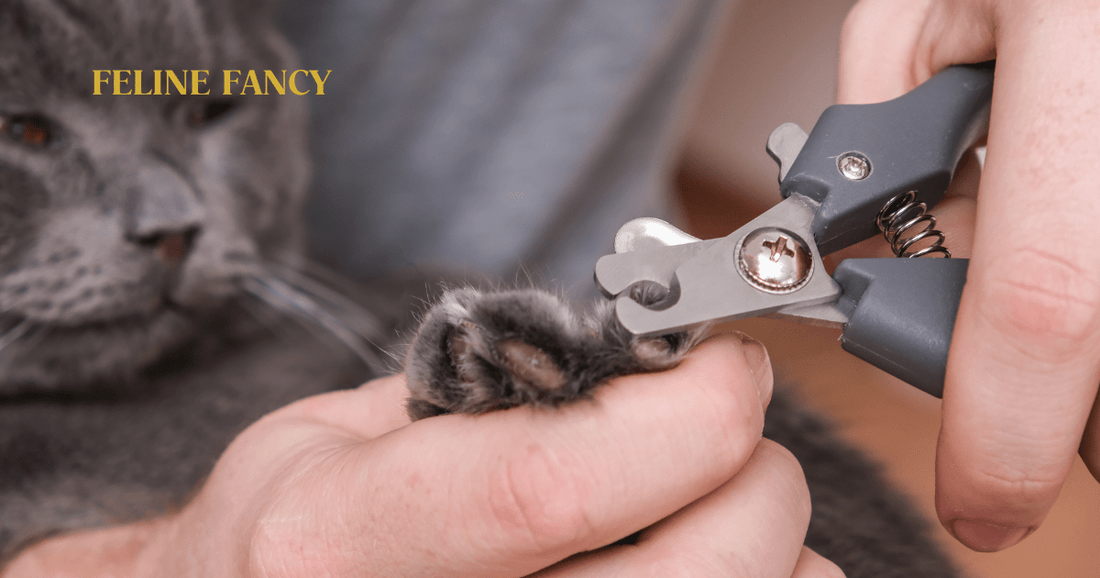
Regular nail trimming prevents overgrowth and reduces biting. Use cat nail clippers designed for safety. Trim only the sharp tips of the claws to avoid discomfort. Establish a routine to keep your cat calm during the process.Providing Enrichment
Enrichment can reduce stress-related claw biting. Offer toys and scratching posts to keep your cat engaged. Interactive toys can stimulate your cat’s mind and encourage healthy play. Enrichment helps divert their attention from biting.Consulting A Veterinarian
Consult a veterinarian if biting persists. It could indicate medical issues or anxiety. A vet can provide guidance and check for underlying problems. Professional advice ensures your cat’s well-being and peace of mind.
Credit: www.latimes.com
Preventing Excessive Claw Biting
Excessive claw biting in cats can lead to discomfort and even injury, so preventing this behavior is key to keeping your furry friend healthy and happy. Understanding the environment and habits that trigger claw biting helps you take effective action. Let’s look at practical ways you can reduce this habit and promote better grooming.
Maintaining A Clean Environment
Dirty or cluttered spaces can stress your cat and lead to over-grooming, including claw biting. Keep your cat’s bedding, litter box, and play areas clean to create a calm atmosphere. Regular vacuuming and wiping down surfaces reduce irritants like dust and allergens that might bother your cat’s paws.
Have you noticed your cat biting claws more after a messy day or in a crowded room? Minimizing these triggers can make a big difference.
Using Soothing Products
Calming sprays and paw balms can soothe irritated skin and reduce the urge to bite. Look for products with natural ingredients like aloe vera or chamomile, which are gentle and safe for cats. Applying a small amount after grooming sessions can keep claws comfortable and less tempting to nibble on.
Think about how your own hands feel after dryness or irritation—cats experience similar sensations. Offering relief directly to their paws can stop the cycle of biting before it starts.
Behavioral Training Techniques
Redirect your cat’s attention when you see them starting to bite their claws excessively. Use toys or gentle petting to distract and calm them. Consistency is key; gently discourage biting while rewarding calm behavior with treats or praise.
You might try setting up a routine playtime to reduce stress or boredom, which often triggers over-grooming. Have you tried noticing what your cat does right before biting their claws? Catching these moments helps you intervene effectively.
Frequently Asked Questions
Why Does My Cat Bite Her Claws During Grooming?
Cats bite their claws to remove dirt, dead skin, and loose claw sheaths. This behavior helps maintain healthy paws and sharp claws.
Is Claw Biting Normal In Cat Grooming Habits?
Yes, claw biting is a normal grooming habit. It ensures claws stay clean and prevents them from becoming overgrown or damaged.
Can Claw Biting Harm My Cat?
Claw biting is usually harmless if gentle. Excessive biting might indicate stress or irritation, requiring veterinary attention.
How Can I Help My Cat With Claw Biting?
Provide regular nail trims and a scratching post. Monitor for any signs of discomfort or infection around the claws.
Conclusion
Cats biting their claws during grooming is quite normal. It helps them clean and keep their nails healthy. Watch for signs of pain or redness, which could mean a problem. Regular vet visits can catch issues early. Offer your cat proper nail care and toys to reduce stress.
Understanding your cat’s habits helps keep her happy and safe. Remember, gentle grooming supports your cat’s well-being every day.


Leave a Reply