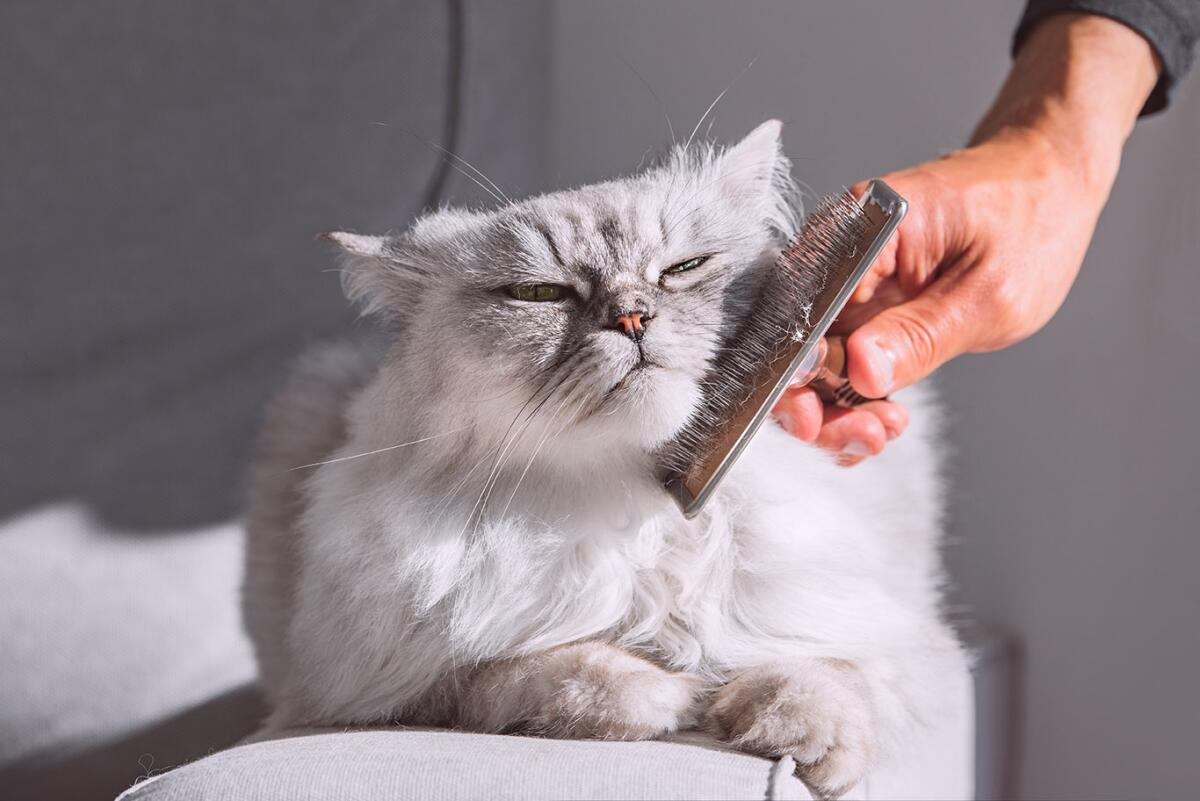
Have you ever wondered if your cat really needs grooming? You might think cats take care of themselves, but there’s more to it than just licking fur.
Grooming your cat can keep them healthy, comfortable, and even happier. If you want to know when and why grooming is important, and how it can make a big difference in your cat’s life, keep reading. This guide will help you understand exactly what your cat needs—and how you can give it to them.
Benefits Of Grooming
Grooming your cat offers many important benefits. It helps keep your cat healthy and happy. Regular grooming supports your cat’s overall well-being. It also builds a strong bond between you and your pet.
Improved Coat Health
Grooming removes dirt and loose fur from your cat’s coat. It spreads natural oils that keep the fur soft and shiny. A clean coat reduces the chance of skin problems. Your cat will feel more comfortable and look better.
Reduced Shedding
Brushing your cat regularly helps control shedding. It catches loose hair before it falls around the house. This means less fur on your furniture and clothes. Regular grooming can keep your home cleaner.
Prevention Of Matting
Mats form when fur gets tangled and clumped. They can pull on your cat’s skin and cause pain. Grooming stops mats from forming by keeping fur smooth. It makes your cat feel more relaxed and free.
Early Detection Of Health Issues
Grooming lets you check your cat’s skin and body closely. You can find lumps, bumps, or wounds early. Detecting problems early helps your cat get quick treatment. Grooming is a chance to monitor your cat’s health daily.
Credit: temeculapetsalonandspa.com
Signs Your Cat Needs Grooming
Recognizing when your cat needs grooming can save you and your furry friend a lot of discomfort. Cats are usually good at grooming themselves, but sometimes they miss spots or struggle with certain fur types. Paying attention to specific signs can help you decide when to step in and give your cat a hand.
Excessive Shedding
Does your cat leave fur all over the furniture and clothes more than usual? Excessive shedding can mean your cat’s coat needs extra care. Regular brushing helps remove loose hair before it ends up everywhere.
If you notice clumps of fur falling out or your cat seems to be losing patches, grooming can prevent skin issues and keep your home cleaner.
Visible Mats Or Tangles
Mats and tangles are more than just a nuisance—they can cause pain and restrict your cat’s movement. Cats with long or thick fur are especially prone to these knots.
Ignoring mats can lead to skin infections. You should gently check your cat’s coat for any tight clumps that need careful untangling or trimming.
Dull Or Oily Fur
Healthy fur looks shiny and feels soft. If your cat’s fur appears dull, greasy, or sticky, it might be a sign that grooming is overdue.
Sometimes this happens because your cat is not grooming enough due to age or illness. Helping with regular brushing can restore that beautiful shine and keep the skin healthy.
Scratching And Irritation
Have you seen your cat scratching more than usual? Excessive scratching or biting at their fur may mean they’re uncomfortable.
This can result from dirt, parasites, or skin problems hidden under the fur. Grooming lets you spot these issues early and provide relief to your cat.
Grooming Techniques
Cats benefit from regular grooming to keep their fur clean and reduce shedding. Grooming also helps spot health issues early and prevents hairballs. Some cats need more brushing, especially long-haired breeds.
Cats are known for their cleanliness, yet grooming remains essential. Grooming keeps their fur healthy and reduces shedding. It also helps monitor your cat’s overall health. Regular grooming can prevent matting and hairballs. Here are some effective techniques to groom your feline friend.Brushing Tips
Brushing removes loose hair and prevents tangles. Choose a brush suitable for your cat’s coat. Long-haired cats may need daily brushing. Short-haired cats might only need it weekly. Always brush gently in the direction of hair growth. This ensures comfort and minimizes stress for your cat.Bathing Your Cat
Most cats dislike water, making baths challenging. Use a cat-specific shampoo for bathing. Fill a sink or tub with a few inches of lukewarm water. Keep your cat calm and speak softly during the bath. Rinse thoroughly to avoid leaving any soap residue.Nail Trimming
Trimming nails prevents overgrowth and reduces scratching damage. Use cat nail clippers for this task. Gently hold your cat’s paw and press to extend the nail. Trim just the tip, avoiding the pink quick. If unsure, consult a vet or professional groomer.Cleaning Ears And Eyes
Clean ears and eyes prevent infections and discomfort. Use a damp cotton ball for ear cleaning. Wipe gently around the ear, avoiding the canal. For eyes, use a separate damp cloth. Wipe away any discharge or debris gently. Regular checks keep your cat’s ears and eyes healthy.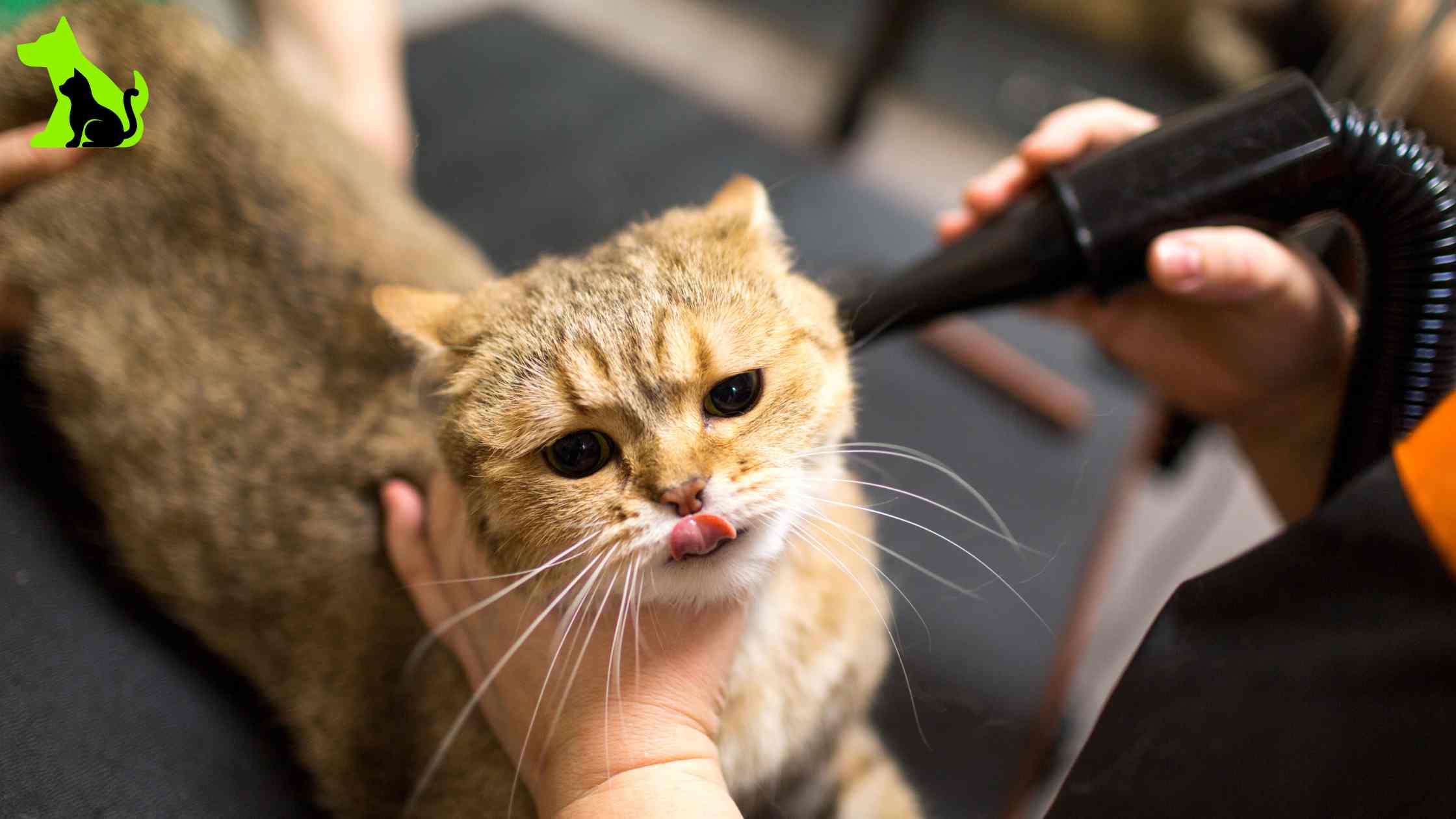
Credit: hellopetsinc.com
Choosing Grooming Tools
Choosing the right grooming tools is key to keeping your cat healthy and comfortable. Good tools make grooming easier for both of you. Cats have different fur types and needs, so selecting proper items matters. The tools should be safe and gentle on your cat’s skin. Below are some essential grooming tools to consider.
Types Of Brushes
Brushes help remove loose hair and dirt from your cat’s coat. They reduce shedding and prevent mats. Choose a brush based on your cat’s fur type.
- Slicker brushes:Best for long-haired cats. They remove tangles and loose fur.
- Bristle brushes:Good for short-haired cats. They smooth the coat and add shine.
- Rubber brushes:Useful for sensitive cats. They massage the skin and remove dead hair.
- Comb:Helps with knots and mats, especially on thick fur.
Shampoos And Conditioners
Bathing your cat needs special shampoos made for cats. Human shampoos can irritate their skin. Use gentle, hypoallergenic shampoos to avoid dryness or allergies.
Conditioners keep the fur soft and tangle-free. They also help reduce static and make brushing easier. Always rinse well to avoid residue that might bother your cat.
Nail Clippers
Trimming your cat’s nails prevents damage to furniture and skin. Use clippers designed for small pets. These have a sharp, curved blade for clean cuts.
Look for clippers with safety guards. They help avoid cutting the quick, which causes pain and bleeding. Keep nail trimming calm and slow to reduce stress.
Other Useful Accessories
- Grooming gloves:Great for cats who dislike brushes. They remove loose hair while petting.
- Flea combs:Help find and remove fleas and debris.
- Towels:Useful for drying your cat after baths.
- Ear cleaners:Keep your cat’s ears clean and healthy.
Grooming Frequency
Grooming frequency depends on the type and needs of your cat. Regular grooming keeps their coat clean and healthy. It helps reduce hairballs, mats, and shedding. Some cats need daily care. Others do well with weekly grooming. Pay attention to your cat’s coat and skin condition. Adjust grooming routines as needed.
Short-haired Cats
Short-haired cats usually need less grooming. Brushing once a week often works well. This removes loose hair and dirt. It also helps spot skin problems early. Some short-haired cats shed more during seasonal changes. Brush more often during these times to reduce loose hair.
Long-haired Cats
Long-haired cats need frequent grooming. Daily brushing prevents mats and tangles. Mats can cause pain and skin infections. Grooming also reduces shedding around the house. Use a wide-tooth comb and a soft brush. Regular grooming keeps their coat shiny and smooth.
Senior Cats
Senior cats may need extra grooming help. Older cats groom less due to pain or stiffness. Their coat can become dull and matted. Brush them gently at least twice a week. Watch for lumps, bumps, or skin changes. Grooming supports their comfort and health.
Cats With Special Needs
Cats with health issues or disabilities need special grooming care. Some may need daily brushing to avoid mats. Others may require gentle baths or skin treatments. Consult your vet for the best grooming plan. Patience and kindness make grooming less stressful.
When To Seek Professional Help
Knowing when to seek professional grooming for your cat is important. Some situations require expert care to keep your cat safe and comfortable. Professional groomers have the tools and skills to handle tricky grooming tasks. They help avoid injury and reduce stress for your pet.
Signs Of Stress Or Aggression
Your cat may show signs of stress during grooming. Watch for hissing, growling, or scratching. Rapid breathing and wide eyes are also signs. If your cat becomes aggressive, stop grooming immediately. A professional groomer knows how to calm nervous cats. They use gentle techniques to make grooming easier.
Severe Matting
Matted fur can hurt your cat’s skin. Severe matting is hard to remove at home. It can pull on your cat’s skin and cause pain. Professional groomers have special tools to cut mats safely. They can also trim fur to prevent future mats. Avoid trying to cut mats yourself. It may cut your cat’s skin by accident.
Medical Concerns
Cats with health issues need careful grooming. Skin conditions, wounds, or infections require special care. A groomer experienced with medical needs can handle these cases. They work with your vet to protect your cat’s health. Do not groom your cat if you see open sores or swelling. Call your vet or groomer for advice.
Finding A Groomer
Look for a groomer who loves cats and knows their needs. Ask about their experience with different cat breeds. Check reviews and ask for references. Visit the grooming salon to see cleanliness and safety. Ensure the groomer uses gentle methods. A good groomer will explain the process and answer questions.
Tips For Stress-free Grooming
Grooming your cat can be a calm and pleasant task. Keeping stress low helps your cat enjoy the process. Here are some tips to make grooming easy and stress-free.
Creating A Calm Environment
Choose a quiet room with soft lighting. Avoid loud noises and sudden movements. Use a comfortable surface like a soft towel or mat. Keep grooming tools nearby to avoid interruptions.
Using Treats And Rewards
Offer small treats during and after grooming. Praise your cat with a gentle voice. Rewards help your cat associate grooming with positive experiences. Treats should be healthy and given in moderation.
Establishing A Routine
Groom your cat at the same time daily or weekly. Routine helps your cat feel safe and expect what comes next. Short sessions work better than long ones. Stop before your cat gets restless.
Handling Difficult Cats
Stay calm and patient. Use a towel to gently wrap your cat if needed. Take breaks if your cat shows signs of stress. Seek help from a professional groomer or vet for aggressive behavior.
)
Credit: www.northroadvet.com.au
Frequently Asked Questions
How Often Should My Cat Be Groomed?
Cats generally need grooming once a week. Long-haired breeds may require daily brushing. Regular grooming prevents mats and reduces shedding.
Can Grooming Improve My Cat’s Health?
Yes, grooming helps detect skin issues early. It also removes dirt and loose fur. This promotes a healthier coat and skin.
Is Professional Grooming Necessary For Cats?
Professional grooming is helpful for long-haired or elderly cats. Experts handle mats and nail trimming safely. Regular grooming at home is still important.
What Are The Signs My Cat Needs Grooming?
Look for tangled fur, excessive shedding, or dandruff. If your cat scratches frequently or shows discomfort, grooming is needed. Regular checks help maintain coat health.
Conclusion
Grooming helps keep your cat healthy and happy. It removes dirt, loose fur, and prevents mats. Regular grooming also lets you check for skin problems or parasites. Cats with long hair need more care than short-haired ones. Some cats enjoy grooming, while others may need patience.
Remember, gentle handling makes grooming easier. It strengthens your bond with your pet. Overall, grooming is a small effort with big benefits. Take time to care for your cat’s coat and comfort. A clean, well-groomed cat feels better every day.



Leave a Reply