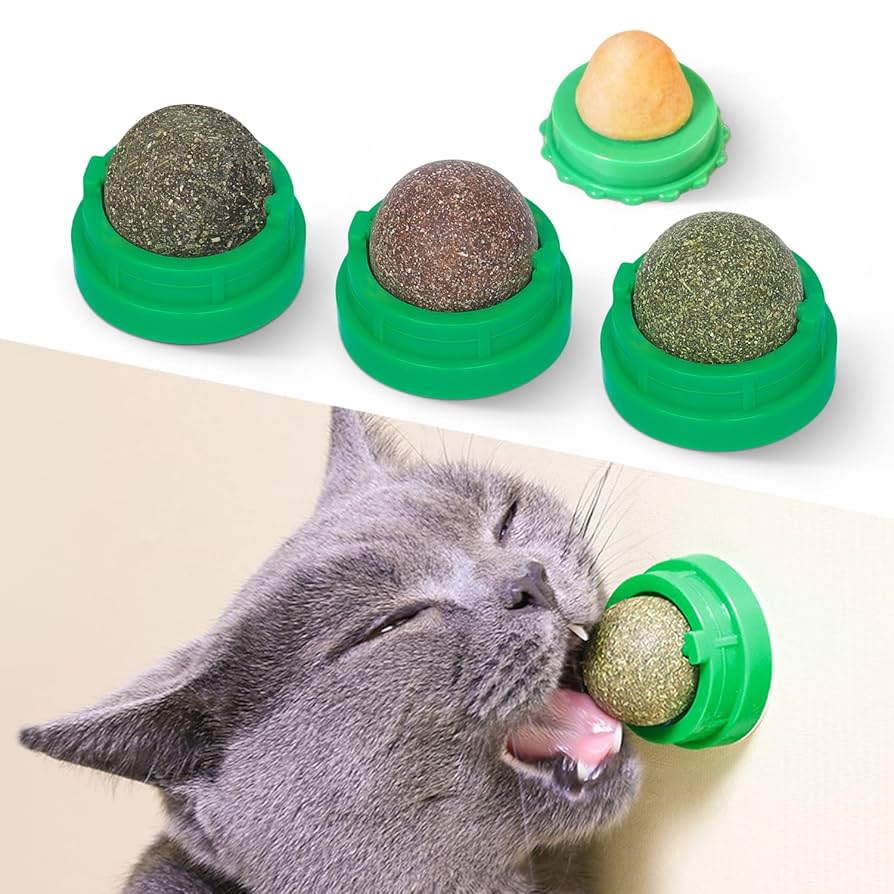
Have you ever wondered if cleaning your cat’s toys really matters? You see your furry friend playing with the same toys every day, but do you stop to think about what’s hiding on them?
Keeping your cat’s toys clean isn’t just about tidiness—it can affect your cat’s health and happiness. If you want to make sure your pet stays safe and enjoys playtime to the fullest, you need to know when and how to clean those toys.
Stick around, and you’ll discover simple tips that will keep your cat’s favorite things fresh and safe.
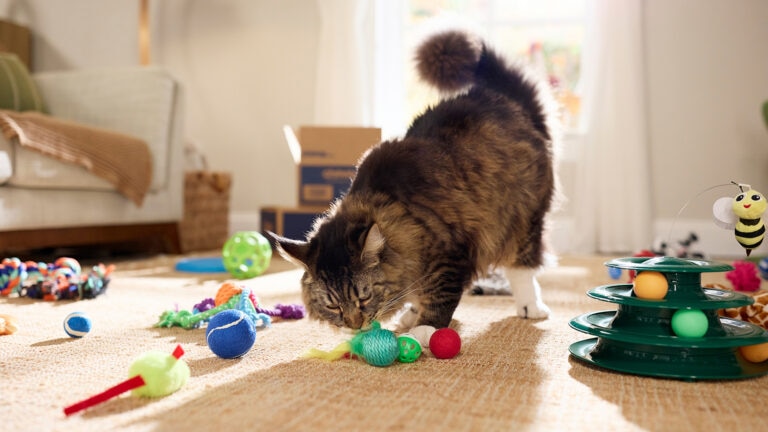
Credit: www.chewy.com
Benefits Of Cleaning Cat Toys
Cleaning your cat’s toys brings many benefits. It keeps the toys safe and fun for your pet. Regular cleaning stops dirt and germs from growing. This helps keep your cat healthy and happy. Clean toys last longer and stay in good shape. Caring for toys also shows love for your cat’s wellbeing.
Preventing Germ Buildup
Toys collect germs from your cat’s saliva and paws. Germ buildup can cause infections or illness. Cleaning removes bacteria, viruses, and fungi. This lowers the risk of your cat getting sick. It also stops bad smells from forming on toys.
Maintaining Toy Longevity
Regular cleaning protects toys from damage. Dirt and grime can break down materials faster. Washing toys gently keeps fabric soft and plastic strong. This means fewer replacements and saves money. Clean toys look nicer and last through more playtime.
Protecting Your Cat’s Health
Dirty toys can cause allergies or skin problems. Mold and bacteria may trigger reactions in sensitive cats. Clean toys prevent these health issues. They also reduce the chance of your cat swallowing harmful germs. Healthy cats stay active and playful longer.

Credit: www.goodhousekeeping.com
How Often To Clean Cat Toys
Knowing how often to clean your cat’s toys is key to keeping your feline friend healthy and happy. Dirty toys can harbor bacteria, dust, and allergens that might cause discomfort or illness. But how do you decide when it’s time to clean them? Let’s break it down into easy-to-follow routines that fit your schedule and your cat’s lifestyle.
Daily Spot Cleaning
Some toys need a quick check every day, especially those your cat chews or drags around. Wipe down plush toys or rubber balls with a damp cloth to remove dirt, saliva, and dust. This simple step prevents grime from building up and keeps the toys fresh.
If your cat is prone to allergies or has a sensitive nose, daily spot cleaning becomes even more important. It only takes a minute and can make a big difference in your cat’s comfort.
Weekly Deep Cleaning
Once a week, give your cat’s toys a thorough wash. Most washable toys can be soaked in warm, soapy water or cleaned gently in the washing machine inside a laundry bag. For plastic or rubber toys, scrub with a mild detergent and rinse well.
Dry toys completely before giving them back to your cat to prevent mold or mildew. This weekly routine helps remove germs and keeps your cat’s playtime safe and enjoyable.
Signs Toys Need Cleaning
- Visible dirt or stains:If you see grime or sticky spots, it’s time to clean.
- Unpleasant odors:A bad smell means bacteria or mold may be growing.
- Change in texture:Toys that feel sticky, slimy, or rough need attention.
- Your cat’s reaction:If your cat starts avoiding a favorite toy, it might be dirty or uncomfortable.
Have you ever noticed your cat sniffing a toy and walking away? That could be a subtle hint it needs cleaning. Paying attention to these signs keeps your cat’s playtime safe and enjoyable every day.
Cleaning Methods For Different Toy Types
Cleaning your cat’s toys keeps them safe and healthy. Different toys need different cleaning methods. Proper cleaning prevents germs and bacteria from harming your cat.
Washing Plush Toys
Plush toys collect dust and bacteria easily. Use mild soap and warm water to wash them. You can machine wash most plush toys. Use a gentle cycle and place them in a laundry bag. Air dry to maintain their shape. Ensure they are completely dry before returning to your cat.
Cleaning Plastic And Rubber Toys
Plastic and rubber toys are often chewed by cats. Clean them with mild dish soap and warm water. Scrub gently using a soft brush for stubborn dirt. Rinse thoroughly to remove soap residue. You can also use a vinegar-water solution for a natural clean. Allow them to air dry completely.
Sanitizing Interactive Toys
Interactive toys need regular sanitization. Wipe electronic parts with a damp cloth. Avoid soaking them to prevent damage. Detachable parts can be washed with soap and water. Use an antibacterial wipe for thorough cleaning. Check batteries and electronic components for damage. Replace any faulty parts to ensure safety.
Safe Cleaning Products For Cat Toys
Cleaning your cat’s toys is important to keep them safe and healthy. Using safe cleaning products helps avoid harmful chemicals that can hurt your cat. Choosing the right cleaners keeps toys fresh and free from germs.
Pet-friendly Detergents
Use detergents made specifically for pets. These products have gentle ingredients. They clean well without leaving toxic residues. Many pet-friendly detergents are free from dyes and strong fragrances. They reduce the risk of allergic reactions or irritation.
Avoiding Harmful Chemicals
Steer clear of cleaners with bleach, ammonia, or artificial scents. These chemicals can be dangerous for cats. They may cause skin problems or breathing issues. Always check labels before buying cleaning products. Choose those labeled safe for animals or sensitive skin.
Diy Cleaning Solutions
Make your own cleaning mixtures at home. Simple ingredients like water, white vinegar, and baking soda work well. Vinegar kills many germs without harmful effects. Baking soda removes odors naturally. Mix small amounts and rinse toys thoroughly after cleaning.
Storing Cat Toys Properly
Storing cat toys properly is more than just tidying up your space. It helps keep the toys in good shape and makes playtime more enjoyable for your cat. Proper storage also prevents lost toys and reduces the chance of your pet chewing on something unsafe.
Organizing Toys
Keeping all your cat’s toys in one spot saves time and frustration. Use a basket or a small box to gather them together. Label the container if you have different types, like balls, feather toys, or puzzle feeders.
Think about how often you clean the toys. If you notice some toys are rarely played with, separate those to avoid clutter. Having an organized system makes it easier to find the perfect toy when your cat is ready to play.
Keeping Toys Dry
Moisture can ruin cat toys quickly, especially ones made from fabric or foam. Make sure to store toys in a dry place to prevent mold and unpleasant smells. Avoid areas near sinks, humid rooms, or places where they might get splashed.
Dry toys last longer and stay safer for your cat to chew on. If a toy accidentally gets wet, dry it thoroughly before putting it back. This small step keeps your cat’s playthings fresh and inviting.
Rotating Toys For Freshness
Ever noticed your cat loses interest in toys after a while? Rotating toys keeps playtime exciting and stimulating. Store some toys away and switch them out every few days or weeks.
This rotation tricks your cat into thinking they’re getting new toys regularly. You’ll also reduce wear and tear by giving each toy a break. Have you tried this approach? It might change how your cat engages with their favorite playthings.

Credit: www.yahoo.com
When To Replace Cat Toys
Knowing when to replace your cat’s toys is just as important as cleaning them. Toys that have lost their charm or become unsafe can affect your cat’s playtime and health. Paying attention to signs of damage and wear ensures your furry friend stays entertained and safe.
Recognizing Wear And Tear
Look closely at your cat’s toys for any signs of damage. Frayed edges, missing parts, or loose strings can make toys less fun and more dangerous. If a toy looks worn out, it’s time to swap it for a fresh one to keep your cat engaged and safe.
Have you ever noticed your cat losing interest in a once-favorite toy? Sometimes, toys get dull or broken, and replacing them can reignite your cat’s excitement during playtime.
Avoiding Choking Hazards
Small parts coming off toys can easily become choking hazards. If pieces are falling off or the toy is breaking down, don’t risk your cat swallowing something harmful. Always inspect toys regularly and remove any damaged ones immediately.
Think about how fast your cat can chew through soft materials. It’s safer to toss toys that show signs of breakage before they become a threat.
Choosing Durable Alternatives
Investing in durable toys saves you money and keeps your cat happier. Look for toys made from sturdy materials like rubber or tightly woven fabric. These withstand rough play and last longer than fragile or cheaply made options.
Consider your cat’s play style. If your cat loves to chew, tougher toys will serve better and reduce the need for constant replacements. Have you tried interactive toys that combine durability with mental stimulation? They can keep your cat busy and less likely to destroy their toys quickly.
Frequently Asked Questions
Why Should I Clean My Cat’s Toys Regularly?
Cleaning cat toys removes dirt, bacteria, and allergens. It helps prevent infections and keeps your cat healthy. Regular cleaning also maintains toy quality and extends their lifespan.
How Often Should I Clean My Cat’s Toys?
Clean your cat’s toys at least once a week. If your cat is sick or plays outdoors, clean them more often. Frequent cleaning ensures a safe, hygienic play environment.
What Is The Best Way To Clean Cat Toys?
Use mild soap and warm water to clean toys. Avoid harsh chemicals that can harm your cat. Rinse thoroughly and air dry before giving toys back.
Can Dirty Toys Affect My Cat’s Health?
Yes, dirty toys can harbor bacteria and germs. These can cause infections or allergic reactions. Keeping toys clean protects your cat’s health and wellbeing.
Conclusion
Cleaning your cat’s toys keeps them safe and healthy. Dirt and germs can build up quickly. Regular cleaning helps stop germs from spreading. It also keeps the toys fresh and fun. Your cat will enjoy playing more with clean toys.
Make cleaning a simple part of your routine. Small efforts bring big benefits to your pet’s health. A clean toy box means a happy, playful cat. Easy steps lead to a safer home for your furry friend. Keep your cat’s toys clean and enjoy the peace of mind.



Leave a Reply