Have you ever wondered if your cat really needs grooming during the cold winter months? It might seem like less important work when your furry friend is cozy inside, but skipping grooming could actually cause problems.
Your cat’s comfort, health, and happiness depend on more than just the weather outside. Keep reading to discover why winter grooming matters and how you can keep your cat feeling great all season long.
Winter Grooming Needs
Winter grooming needs differ from other seasons. Cats develop unique coat and skin changes to adapt to colder weather. Proper care during winter supports their health and comfort. Understanding these changes helps maintain your cat’s well-being throughout chilly months.
Coat Changes In Cold Months
Cat fur thickens during winter. This extra layer keeps them warm and insulated. Some cats grow a softer undercoat beneath their usual fur. Shedding slows down to keep more hair on their bodies. Grooming helps remove loose hairs and prevents mats.
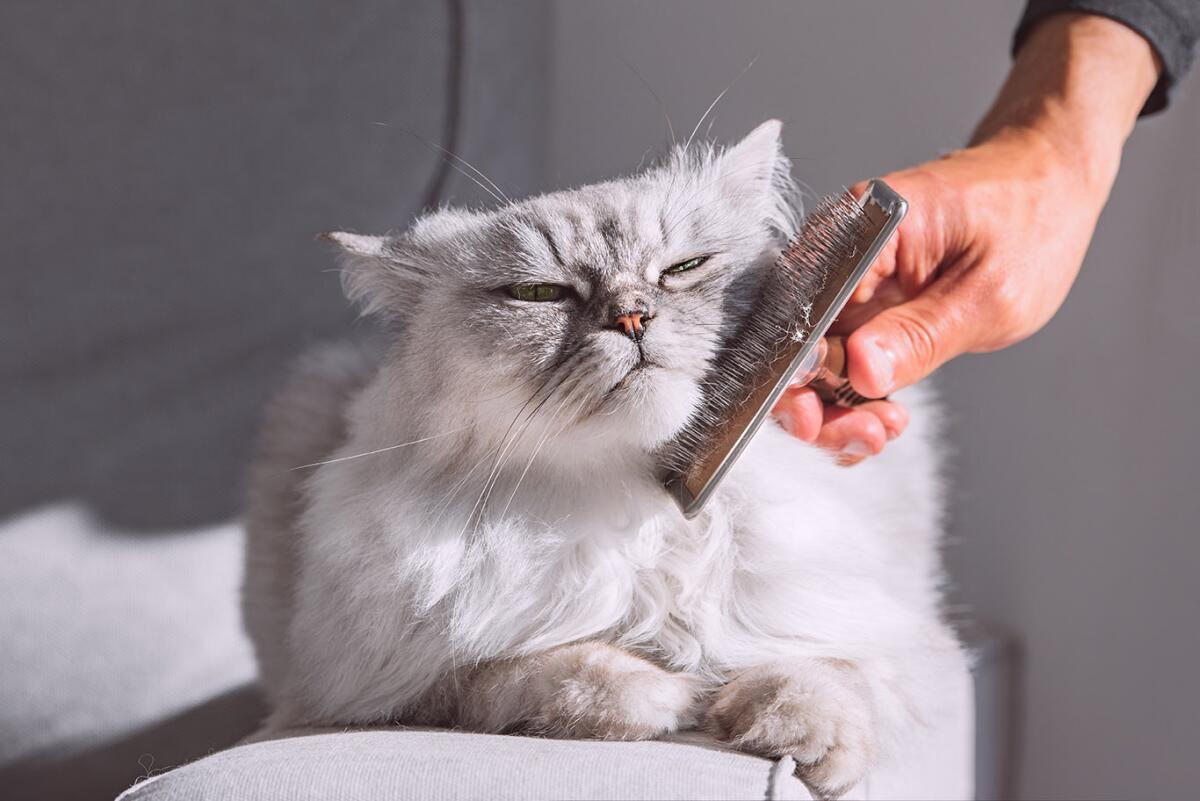
Brushing your cat gently supports healthy fur growth. It also spreads natural oils that protect the coat. Avoid over-bathing, as it can dry out fur and skin. Regular brushing keeps the coat fluffy and clean.
Skin Health During Winter
Cold air can dry a cat’s skin. Dry skin may cause itching, flaking, or irritation. Indoor heating also reduces humidity, making skin drier. Monitor your cat’s skin for signs of discomfort or redness.
Use a humidifier in heated rooms to keep air moist. Offer plenty of fresh water to help skin stay hydrated. Avoid harsh shampoos; choose gentle products made for cats. Healthy skin supports a shiny, strong coat all winter long.
Benefits Of Grooming Cats In Winter
Grooming your cat during winter offers more than just keeping them looking good. It plays a key role in maintaining their health and comfort throughout the colder months. Regular grooming can prevent common winter-related issues that might affect your feline friend.
Preventing Matting And Tangles
Winter coats tend to be thicker and fluffier, which makes mats and tangles more likely to form. These knots can trap dirt and moisture, leading to discomfort or even skin infections. By brushing your cat regularly, you keep their fur smooth and free from painful mats.
If you’ve ever tried to detangle a stubborn mat, you know how uncomfortable it can be for your cat. Grooming early and often prevents these tough knots from forming in the first place.
Reducing Shedding Indoors
Although cats shed less in winter than in other seasons, they still lose fur. This loose hair can accumulate inside your home, causing extra cleaning work and potential allergy issues. Grooming helps catch shedding fur before it spreads around your living space.
Think about how much easier vacuuming and dusting become when you manage your cat’s shedding with regular brushing. It’s a simple step that keeps your home cleaner and your cat more comfortable.
Detecting Skin Issues Early
Cold, dry air can lead to skin problems like dryness, irritation, or even infections. Grooming gives you a chance to inspect your cat’s skin closely and spot any unusual signs early. Early detection means you can address problems before they worsen.
Have you noticed any redness, flakes, or bumps during grooming? Catching these early can save your cat from discomfort and costly vet visits later. Your hands become a tool for monitoring your cat’s health every time you groom.
Grooming Techniques For Winter
Winter changes the way you care for your cat’s coat and skin. Cold air can dry out fur and skin. Grooming helps keep your cat comfortable and healthy during cold months. Use gentle techniques and proper tools to protect your pet’s winter coat. Pay attention to your cat’s needs and adjust grooming habits accordingly.
Brushing Frequency And Tools
Brush your cat more often in winter to remove dead fur. This prevents mats and tangles that trap moisture and dirt. Use a soft-bristle brush or a wide-toothed comb. These tools gently detangle without hurting sensitive skin. For long-haired cats, daily brushing works best. Short-haired cats need brushing two to three times a week.
Bathing Considerations
Limit baths during winter to keep natural oils intact. These oils protect skin and fur from drying out. Use warm water and a mild shampoo designed for cats. Avoid cold drafts while drying your cat. Use a towel or a low-heat dryer on a gentle setting. Never bathe your cat too often; once every few months is enough.
Nail Care Tips
Trim nails regularly to prevent damage from scratching. Winter coats can hide sharp nails easily. Use a sharp, pet-safe nail clipper. Cut only the tip to avoid hurting the quick. Check nails weekly and trim as needed. Keep paw pads clean and moisturized to avoid cracking in cold weather.
Common Winter Grooming Challenges
Winter brings unique challenges to grooming your cat. The cold weather and indoor heating can affect their skin and fur in ways you might not expect. Understanding these challenges helps you keep your feline friend comfortable and healthy during the colder months.
Dealing With Dry Skin
Dry skin is a common problem for cats in winter. The cold air outside and heated air inside can strip moisture from their fur and skin. You might notice flaky patches or excessive scratching.
To help, try using a humidifier in your home. Also, consider a moisturizing cat shampoo designed for sensitive skin. Regular brushing can spread natural oils and reduce dryness.
Handling Reluctant Cats
Many cats resist grooming, and this can get worse in winter. They may hide more or become less cooperative when you try to brush them. Patience is key here.
Use gentle strokes and keep grooming sessions short. Reward your cat with treats or playtime afterward. Sometimes, changing the time of day to when your cat is more relaxed makes a big difference.
Managing Indoor Heating Effects
Indoor heating dries out the air and can make your cat’s coat dull and brittle. It also increases the risk of static fur, which can be uncomfortable for your pet. You might see more hair shedding than usual.
Keep your cat well-hydrated by encouraging water intake. Placing water bowls in different spots or adding wet food can help. Regular grooming removes loose fur and reduces the risk of hairballs caused by indoor dryness.
Safety Tips For Cold Weather Grooming
Cats can be groomed during winter, but extra care is needed to keep them warm and dry. Use gentle brushes and groom in a warm room to avoid chills. Always dry your cat thoroughly after grooming to prevent cold-related issues.
Grooming your cat in winter requires special care. Cold weather can affect their skin and coat. Understanding how to groom safely is essential. This helps maintain your cat’s health and comfort during colder months.Keeping Cats Warm
Ensure your cat stays warm during grooming. Keep the room temperature cozy. Use a soft, warm towel to wrap them. This helps maintain their body heat. Avoid drafts or cold surfaces. A warm environment keeps them comfortable.Avoiding Over-grooming
Over-grooming can harm your cat’s skin. Brush gently to avoid irritation. Use brushes suited for their coat type. Limit grooming sessions to avoid stress. Observe their skin for any signs of dryness. Moisturize their coat if needed.When To Consult A Vet
Seek a vet’s advice if you notice issues. Look for signs of skin problems. Excessive shedding can indicate a health issue. A vet can provide suitable treatment. Regular check-ups ensure your cat remains healthy.Frequently Asked Questions
Should Cats Be Groomed During Winter Months?
Yes, cats should be groomed in winter to prevent matting and remove loose fur. Grooming helps maintain healthy skin and coat, reducing shedding and hairballs. It also improves circulation and comfort, especially for long-haired breeds.
How Often Should Cats Be Groomed In Winter?
Groom cats at least once a week in winter. Frequent grooming prevents mats and tangles in their thicker coats. Regular brushing also helps distribute natural oils, keeping the fur soft and healthy during cold months.
Can Winter Grooming Affect A Cat’s Warmth?
Proper grooming does not reduce a cat’s warmth. Removing mats and loose fur helps maintain insulation. Well-groomed fur traps heat better, ensuring cats stay warm and comfortable in winter.
Is It Safe To Use Grooming Tools In Winter?
Yes, using grooming tools in winter is safe if done gently. Use appropriate brushes to avoid skin irritation. Ensure your cat is comfortable and avoid over-brushing to protect their winter coat.
Conclusion
Cats need grooming even during the cold winter months. It helps keep their fur clean and free of mats. Grooming also reduces shedding and hairballs inside the house. Regular brushing spreads natural oils and keeps skin healthy. It can prevent discomfort from tangled fur.
Plus, grooming is a good way to check for any skin problems early. A well-groomed cat stays comfortable and happy all winter long. Remember, gentle care makes grooming a positive experience for your cat.

Leave a Reply