
Are you wondering if your adult cat should be eating kitten food? It’s a question many cat owners face, especially when they want the best nutrition for their furry friend.
You might think kitten food is just extra tasty or more filling, but feeding the wrong food can affect your cat’s health in ways you don’t expect. Keep reading to discover why what you feed your cat matters so much and how to make the right choice for their well-being.
Your cat’s health depends on it!
Nutritional Needs Of Adult Cats
Adult cats have specific nutritional needs that differ from kittens. Their diet must support stable energy levels and maintain healthy body functions. Feeding adult cats the right food ensures they stay fit and avoid health problems.
Protein And Fat Requirements
Adult cats need high-quality protein to maintain muscle mass. Fat provides essential energy and supports skin and coat health. Kitten food often has more protein and fat than adult cat food. This extra amount is unnecessary for adult cats and can cause weight gain.
Calorie Intake Differences
Kittens require more calories for growth and play. Adult cats need fewer calories to avoid obesity. Feeding kitten food to adult cats may lead to overeating. Monitoring calorie intake helps keep adult cats at a healthy weight.
Essential Vitamins And Minerals
Adult cats need balanced vitamins and minerals for overall health. Nutrients like taurine, calcium, and phosphorus support heart and bone health. Kitten food often contains higher levels of these nutrients. Adult cat food is formulated to meet mature nutritional needs without excess.
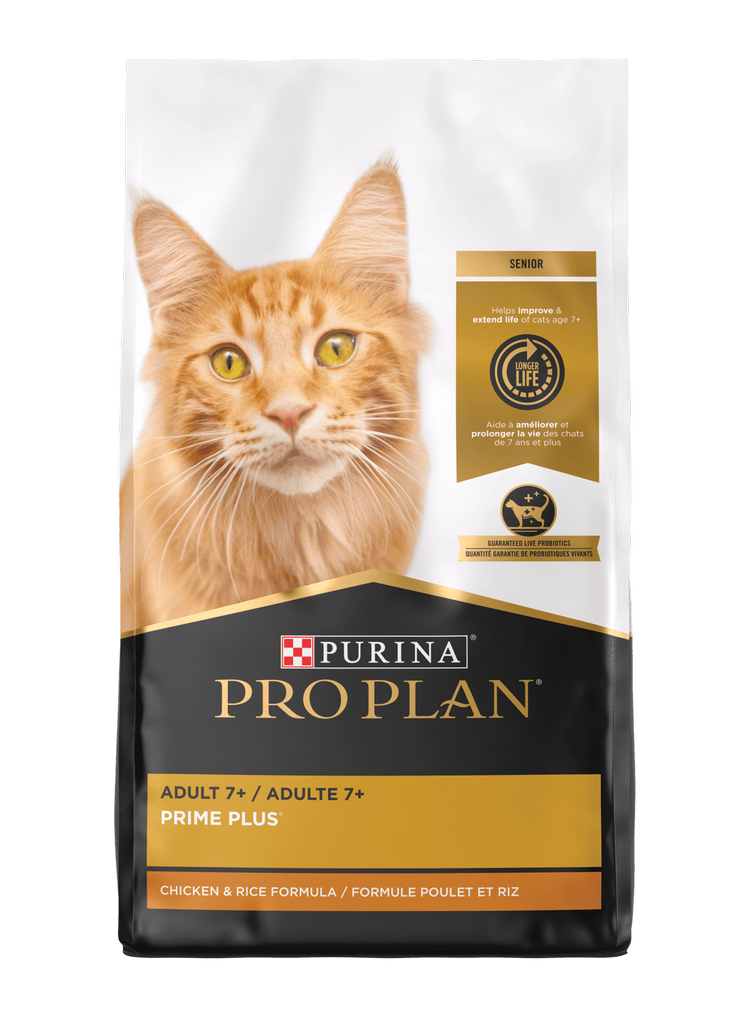
Credit: www.purina.com
Kitten Food Composition
Kitten food is made differently than adult cat food. It supports fast growth and high energy needs. This special composition helps kittens develop strong bones, muscles, and a healthy immune system. Understanding these differences is key when deciding if adult cats should eat kitten food.
Higher Calorie Content
Kitten food has more calories than adult cat food. Growing kittens need extra energy for their active lifestyle. The higher calorie content helps them gain weight and stay healthy. Adult cats usually need fewer calories to avoid weight gain.
Increased Protein Levels
Protein is vital for muscle growth and repair. Kitten food contains more protein than adult cat food. This helps kittens build strong muscles quickly. Adult cats still need protein, but in smaller amounts to maintain muscle mass.
Additional Nutrients For Growth
Kitten food includes extra vitamins and minerals. These nutrients support brain development, vision, and bone strength. Ingredients like DHA, calcium, and phosphorus are higher in kitten food. Adult cats require balanced nutrients, but not as many for growth.
Risks Of Feeding Adult Cats Kitten Food
Feeding adult cats kitten food may seem harmless at first. Kitten food is rich in nutrients and calories to support growth. But adult cats have different nutritional needs. Giving them kitten food can cause several health risks. Understanding these risks helps keep adult cats healthy and happy.
Potential Weight Gain
Kitten food contains extra calories and fat. Adult cats do not need this much energy daily. Eating kitten food can lead to quick weight gain. Overweight cats face problems like joint pain and less activity. Maintaining a healthy weight is important for adult cats.
Digestive Issues
Adult cats have a different digestive system than kittens. Kitten food is richer and harder to digest. This can cause stomach upset and diarrhea. Some cats may vomit or refuse to eat. Feeding the right food supports good digestion and comfort.
Long-term Health Concerns
Consistently feeding kitten food to adult cats can cause health problems. Excess calories may lead to diabetes or heart disease. Imbalanced nutrition can affect kidney and liver functions. Proper diet helps prevent chronic illnesses and promotes longevity.

Credit: www.reddit.com
When Kitten Food May Be Suitable
Adult cats may eat kitten food during pregnancy or illness when extra nutrients are needed. Kitten food is richer in calories and protein, supporting growth and recovery. Regular adult cats usually need a balanced diet designed for their age and activity.
When considering whether adult cats should eat kitten food, there are certain situations where it might be suitable. Kitten food is rich in calories and nutrients. It supports growth and energy. Some adult cats might benefit from this nutrient boost. Let’s explore these scenarios.Pregnant Or Nursing Cats
Pregnant and nursing cats need extra nutrition. They require more calories for their kittens. Kitten food provides the needed energy and nutrients. It supports the mother and her kittens. This helps ensure healthy growth and development.Recovering From Illness
After an illness, adult cats may need extra nutrition. Kitten food can help them regain strength. It is rich in proteins and fats. This helps with recovery and energy levels. It supports the healing process effectively.Senior Cats With Special Needs
Some senior cats have special dietary needs. They may struggle with maintaining weight. Kitten food offers more calories and nutrients. It can help with weight management. This supports their overall health and vitality.Expert Feeding Recommendations
Feeding your adult cat with the right nutrition is key to keeping them healthy and happy. Experts emphasize that adult cats have different dietary needs than kittens, so understanding these differences helps you make the best choices. Let’s look at expert advice on feeding your cat properly.
Choosing The Right Food
Kitten food is packed with extra calories and nutrients to support rapid growth. However, adult cats don’t need that level of richness every day. Feeding them kitten food long-term can lead to weight gain and digestive issues.
Look for adult cat food formulas labeled for their specific life stage. These foods have the right balance of protein, fat, and vitamins tailored for maintenance rather than growth. If you’re ever unsure, ask your vet what brand or type suits your cat’s health and lifestyle best.
Balancing Diet And Treats
Even if you give your cat the best adult food, treats can quickly throw off their nutrition balance. Treats should make up no more than 10% of their daily calorie intake. Overfeeding treats, especially those meant for kittens, can cause weight problems.
Try using healthy treats like small pieces of cooked chicken or commercial treats designed for adult cats. Keep track of how many treats you give to prevent overfeeding. This simple step can make a big difference in your cat’s overall health.
Monitoring Weight And Health
Regularly checking your cat’s weight is one of the easiest ways to spot nutrition issues early. Sudden weight gain or loss can signal that their diet needs adjusting. If you notice changes, consult your vet promptly.
Besides weight, watch for energy levels, coat quality, and bathroom habits. These signs tell you if your cat’s food is meeting their needs. How often do you assess your cat’s health? Small changes in diet can prevent bigger health problems later on.
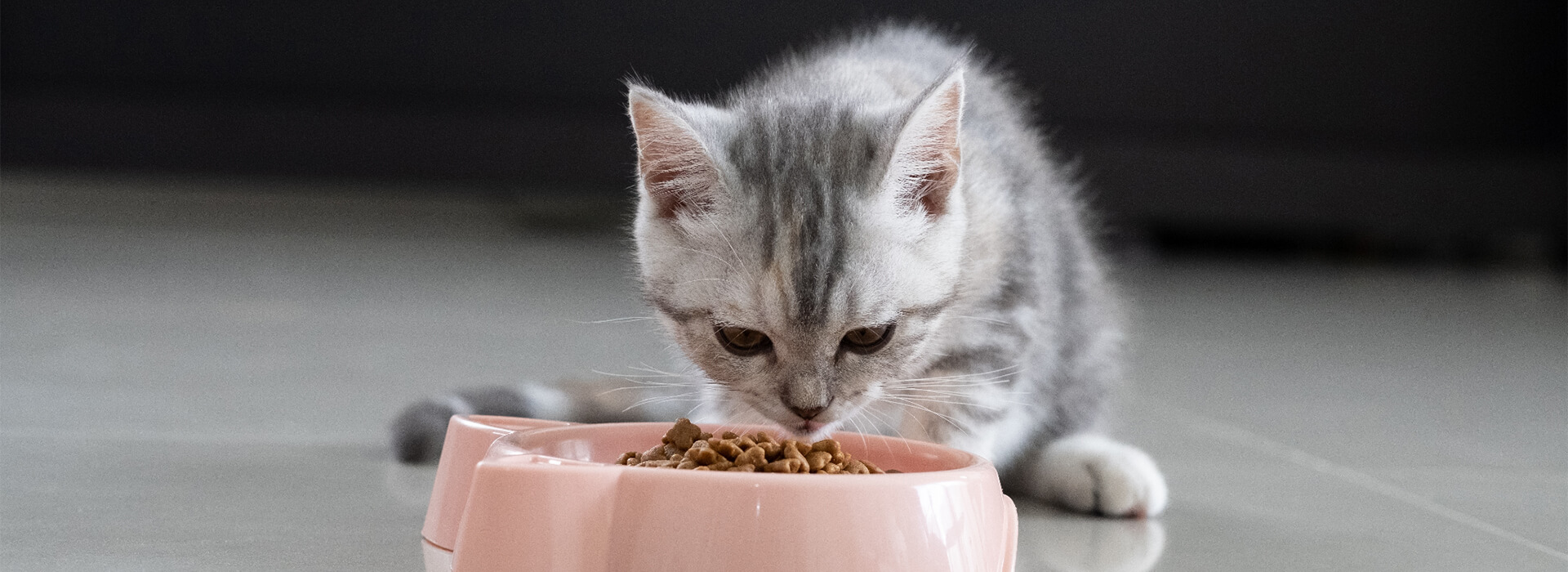
Credit: www.whiskas.co.uk
Transitioning Between Foods
Changing your cat’s food isn’t just about swapping one bowl for another. It requires care and attention to avoid upsetting their stomach or causing nutrient imbalances. How you manage this transition can make a big difference in your cat’s health and happiness.
Gradual Change Tips
Start by mixing a small amount of the new food with your cat’s current meal. Over 7 to 10 days, slowly increase the new food portion while decreasing the old one. This slow change helps your cat’s digestive system adjust without causing discomfort.
Watch how your cat reacts to the new food during this time. If they eagerly eat the mix, you’re on the right track. If they turn away or vomit, slow down the transition even more.
Signs Of Food Intolerance
Keep an eye out for diarrhea, vomiting, or excessive scratching after switching foods. These could be signs your cat isn’t handling the new diet well. Also, look for changes in energy levels or coat condition, which might indicate nutritional issues.
Have you noticed your cat becoming picky or losing weight during a food change? Such signs call for immediate attention. Don’t ignore subtle clues; they can save your cat from long-term problems.
Consulting Your Veterinarian
Your vet can offer personalized advice tailored to your cat’s age, health, and lifestyle. Especially if your cat has special dietary needs or health conditions, professional guidance is crucial. They can recommend suitable brands or types of food and help you design the best transition plan.
Don’t hesitate to ask questions about ingredients, feeding schedules, or any concerns you have. Your vet’s support can make the switch smoother and safer for your furry friend.
Frequently Asked Questions
Can Adult Cats Eat Kitten Food Safely?
Adult cats can eat kitten food occasionally, but it’s not ideal. Kitten food has extra calories and nutrients for growth, which may lead to weight gain in adults if fed regularly.
What Are The Risks Of Feeding Kitten Food To Adults?
Feeding adult cats kitten food long-term can cause obesity and nutrient imbalances. Kitten food has higher fat and protein, which may not suit adult cats’ slower metabolism.
When Should You Switch From Kitten To Adult Cat Food?
Switch from kitten to adult cat food around one year of age. This ensures your cat gets nutrients appropriate for maintenance, not growth, supporting healthy weight and overall health.
Can Adult Cats Benefit From Kitten Food Occasionally?
Yes, adult cats may benefit from kitten food during illness or recovery. Its high protein and calorie content help support healing and energy needs during these times.
Conclusion
Adult cats need different nutrients than kittens do. Kitten food has more calories and fat. Feeding adult cats kitten food all the time can cause weight gain. It might also upset their stomach. Sometimes, adult cats need kitten food for special health reasons.
Always check with your vet before changing your cat’s diet. Choose food that fits your cat’s age and health. Keep your cat happy and healthy with the right nutrition. Simple and balanced meals work best for adult cats.



Leave a Reply