Are you wondering if wet food is really important for your cat’s health? You want the best for your furry friend, and choosing the right food is a big part of that.
Wet food might seem messy or expensive, but could it actually make a difference in your cat’s well-being? Keep reading to discover how wet food can impact your cat’s hydration, digestion, and overall happiness. Understanding this could change the way you feed your cat—and improve their health in ways you didn’t expect.
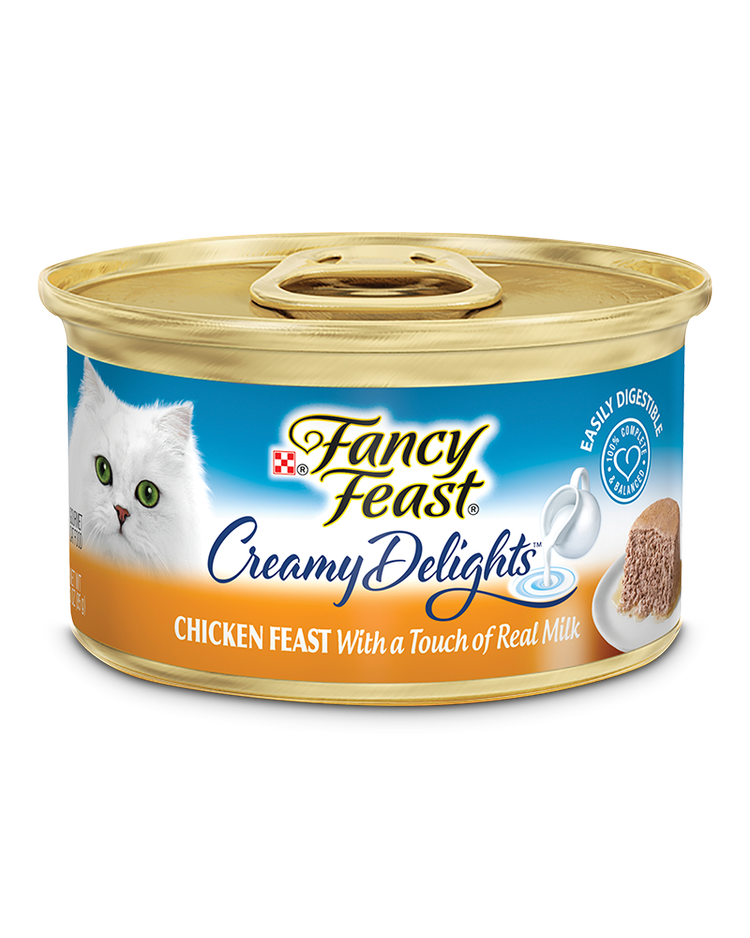
Credit: www.purina.com
Benefits Of Wet Food
Wet food offers several benefits that can significantly improve your cat’s health and daily well-being. It’s more than just a tasty treat; wet food provides essential support that dry kibble often can’t match. Understanding these advantages can help you make informed choices for your feline friend’s diet.
Hydration Support
Cats naturally have a low thirst drive, which means they might not drink enough water on their own. Wet food contains up to 80% moisture, helping to keep your cat hydrated throughout the day without relying solely on water bowls.
Proper hydration supports kidney function and can reduce the risk of urinary tract issues, a common problem in cats. If you’ve noticed your cat doesn’t drink much water, adding wet food could be a simple way to improve their fluid intake.
Improved Digestion
The higher moisture content in wet food can make it easier for cats to digest their meals. This is especially important for older cats or those with sensitive stomachs, as it puts less strain on their digestive system.
Wet food’s texture also encourages slower eating, which helps with digestion and reduces the risk of vomiting. Have you ever seen your cat gulp down dry kibble too quickly? Wet food can help slow that down naturally.
Enhanced Nutrient Absorption
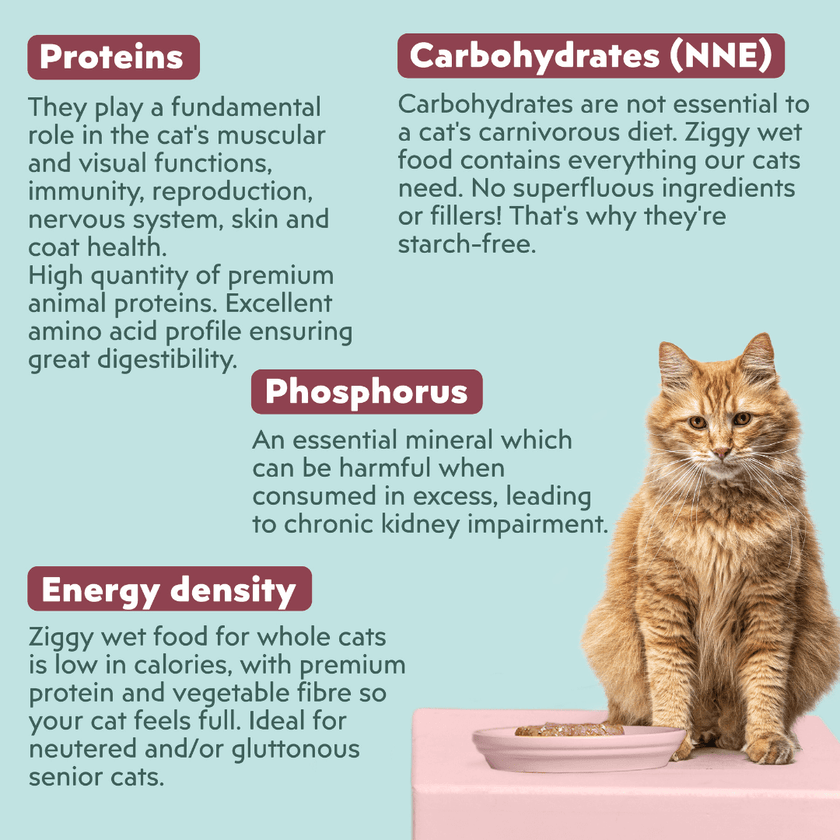
Wet food often contains higher levels of protein and essential nutrients that are more bioavailable compared to dry food. This means your cat’s body can absorb and use those nutrients more effectively.
Better nutrient absorption supports overall health, including muscle maintenance, a shiny coat, and strong immune function. If your cat seems less energetic or their coat looks dull, switching to wet food might make a noticeable difference.

Credit: ziggyfamily.com
Wet Food Vs Dry Food
Choosing between wet food and dry food for your cat can feel overwhelming. Each type offers distinct benefits and drawbacks that impact your cat’s health in various ways. Understanding these differences helps you make the best choice for your feline friend’s well-being.
Moisture Content Comparison
Wet food contains about 70-80% moisture, which helps keep your cat hydrated, especially if they don’t drink much water. Dry food, on the other hand, typically has only around 10% moisture, making it less effective at providing hydration.
If your cat tends to avoid drinking water, wet food can prevent dehydration and support kidney health. Have you noticed your cat sipping less water? Adding wet food might be the simple fix you need.
Calorie Density And Weight Management
Dry food is more calorie-dense, meaning your cat eats fewer grams but consumes more calories. This can lead to overeating if portions aren’t carefully controlled.
Wet food usually has fewer calories per serving because of its high moisture content. This can help with weight management, especially for less active or older cats.
Think about your cat’s activity level and weight goals before deciding. Would a lower calorie option help your cat maintain a healthy weight?
Dental Health Considerations
Many pet owners believe dry food is better for cats’ teeth because of its crunchiness. While dry food can reduce plaque buildup to some extent, it doesn’t replace regular dental care.
Wet food is softer and doesn’t provide the same abrasive action, but it also doesn’t contribute to tartar buildup. You still need to brush your cat’s teeth or schedule professional cleanings.
Consider your cat’s dental health history. Could switching foods, combined with proper dental care, improve their oral health?
Health Conditions And Wet Food
Understanding how wet food affects your cat’s health conditions can help you make smarter feeding choices. Cats with specific health issues often benefit from the moisture and nutrients found in wet food. Let’s look at key health areas where wet food plays a crucial role.
Urinary Tract Health
Wet food helps increase your cat’s water intake without you having to force them to drink more. This extra moisture dilutes urine, reducing the risk of urinary tract infections and crystals. Cats prone to urinary problems often show improvement when switched to a wet food diet.
Have you noticed if your cat drinks less water naturally? Wet food might be the simple fix to support their urinary health without extra hassle.
Kidney Disease Support
Kidney disease is common in older cats, and managing it requires careful dietary choices. Wet food contains higher water content, which helps ease the workload on the kidneys by promoting hydration. Additionally, many wet foods designed for kidney support have controlled protein and phosphorus levels.
If your cat faces kidney issues, choosing the right wet food can improve their quality of life. Talk to your vet about formulas that suit your cat’s specific needs.
Weight Control And Obesity
Wet food can be a powerful tool to help manage your cat’s weight. It’s typically lower in calories but more filling because of the water content. This means your cat can eat a satisfying portion without excess calories.
Struggling with a chubby cat? Swapping some dry food for wet food might help you control their weight while keeping them happy and full.
Choosing The Right Wet Food
Choosing the right wet food for your cat can feel like navigating a maze. With countless brands and ingredients, it’s easy to get overwhelmed. However, selecting the right product is essential to ensure your feline friend gets the nutrition they need. Understanding what to look for and what to avoid will make the process easier and more rewarding.
Key Ingredients To Look For
When picking wet food, prioritize protein-rich options. Cats are obligate carnivores, meaning they thrive on diets high in animal proteins. Look for ingredients like chicken, turkey, or fish listed as the first ingredient. These are excellent sources of essential amino acids.
Ensure the wet food also contains taurine, an amino acid vital for heart and eye health in cats. A balance of vitamins and minerals, such as Vitamin E and zinc, supports their overall well-being. Check the label for a comprehensive list of these nutrients.
Avoiding Harmful Additives
Not all wet foods are created equal. Be cautious of additives like artificial preservatives, colors, and flavors. These can be harmful over time and may lead to health issues.
Look for foods free from fillers like corn and soy, which offer little nutritional value. Avoid any product with vague terms like “meat by-products.” These can be low-quality ingredients that don’t provide the best nutrition for your cat.
Brands And Quality Indicators
Choosing a reputable brand can make all the difference. Consider brands with a strong reputation for quality and transparency. Reading reviews and asking your vet for recommendations can provide valuable insights.
Look for brands that conduct feeding trials, which ensure the food meets feline dietary needs. Check for certifications from organizations like the Association of American Feed Control Officials (AAFCO), which indicate the food meets established nutritional standards.
As you navigate the pet food aisle, remember that your cat’s health and happiness depend on the choices you make. What will you choose to ensure your feline companion thrives?
Feeding Tips And Frequency
Feeding cats the right food in the right amount is crucial for their health. Understanding how often to feed and what type of food to offer helps keep cats happy and strong. Wet food plays a key role in hydration and nutrition. Here are some tips on how to feed wet food effectively.
Combining Wet And Dry Food
Mixing wet and dry food gives cats variety and balanced nutrition. Wet food adds moisture, helping with hydration. Dry food supports dental health and is easy to store. Many cat owners choose to feed wet food once or twice a day. Dry food can be left out for free feeding.
Use wet food for meals and dry food as snacks. This keeps cats interested in their diet. It also helps prevent overeating. Watch your cat’s weight and adjust portions as needed.
Portion Control
Feeding the right amount avoids obesity and health problems. Follow package guidelines but adjust based on your cat’s size and activity. Use a measuring cup for accuracy. Split daily portions into two or three meals. Avoid leaving wet food out for too long to prevent spoilage.
Too much food can lead to weight gain. Too little causes nutrient deficiencies. Keep feeding times consistent. This helps regulate your cat’s digestion and energy levels.
Transitioning To Wet Food
Switching to wet food needs patience. Cats may resist new textures and flavors. Start by mixing a small amount of wet food with dry food. Gradually increase the wet food portion over a week or two. Watch for any digestive upset.
Offer the new food at regular meal times. Warm the wet food slightly to enhance aroma. This can encourage your cat to try it. Avoid sudden changes to prevent stress and refusal to eat.
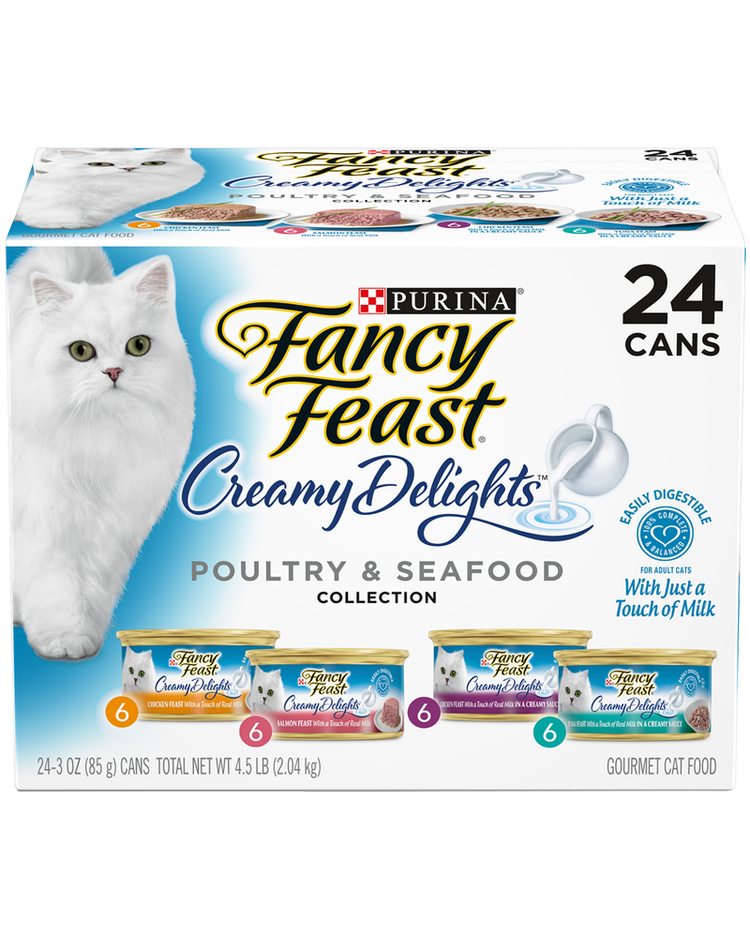
Credit: www.purina.com
Frequently Asked Questions
Is Wet Food Better For Cats Than Dry Food?
Wet food contains more moisture, which helps keep cats hydrated. It’s often more palatable and easier to digest. Wet food can support urinary tract health and prevent kidney issues, making it a beneficial addition to a cat’s diet compared to dry food alone.
How Does Wet Food Improve Cat Hydration?
Cats naturally have low thirst drives. Wet food provides extra moisture, helping maintain proper hydration. This reduces risks of urinary tract infections and kidney problems. Feeding wet food ensures cats get fluids through their diet, especially those who don’t drink enough water.
Can Wet Food Prevent Urinary Tract Issues In Cats?
Yes, wet food increases water intake, which dilutes urine. This helps prevent crystals and stones that cause urinary tract infections. A diet including wet food supports urinary health and reduces the likelihood of painful and costly medical conditions.
Is Wet Food Essential For A Cat’s Overall Health?
While not strictly essential, wet food offers key benefits like hydration and balanced nutrition. It complements dry food by providing moisture and variety. Including wet food can enhance a cat’s health, especially for those prone to urinary or kidney problems.
Conclusion
Wet food can help keep cats hydrated and healthy. It offers moisture that dry food often lacks. Cats may enjoy the taste and texture more. This can encourage better eating habits and nutrition. Still, balance is key to a cat’s diet.
Combining wet and dry food often works best. Watch your cat’s weight and health closely. Talk to your vet about the right food choices. Healthy cats are happy cats. Simple changes can make a big difference.


Leave a Reply