Are you wondering if your shorthair cat really needs grooming? It’s a common question for many cat owners.
You might think that because your cat’s fur is short, grooming isn’t important. But is that really true? Taking care of your cat’s coat can affect more than just how they look. It can impact their health and happiness too.
Keep reading to discover why grooming might be necessary for your shorthair cat and how it can make a big difference in their life.
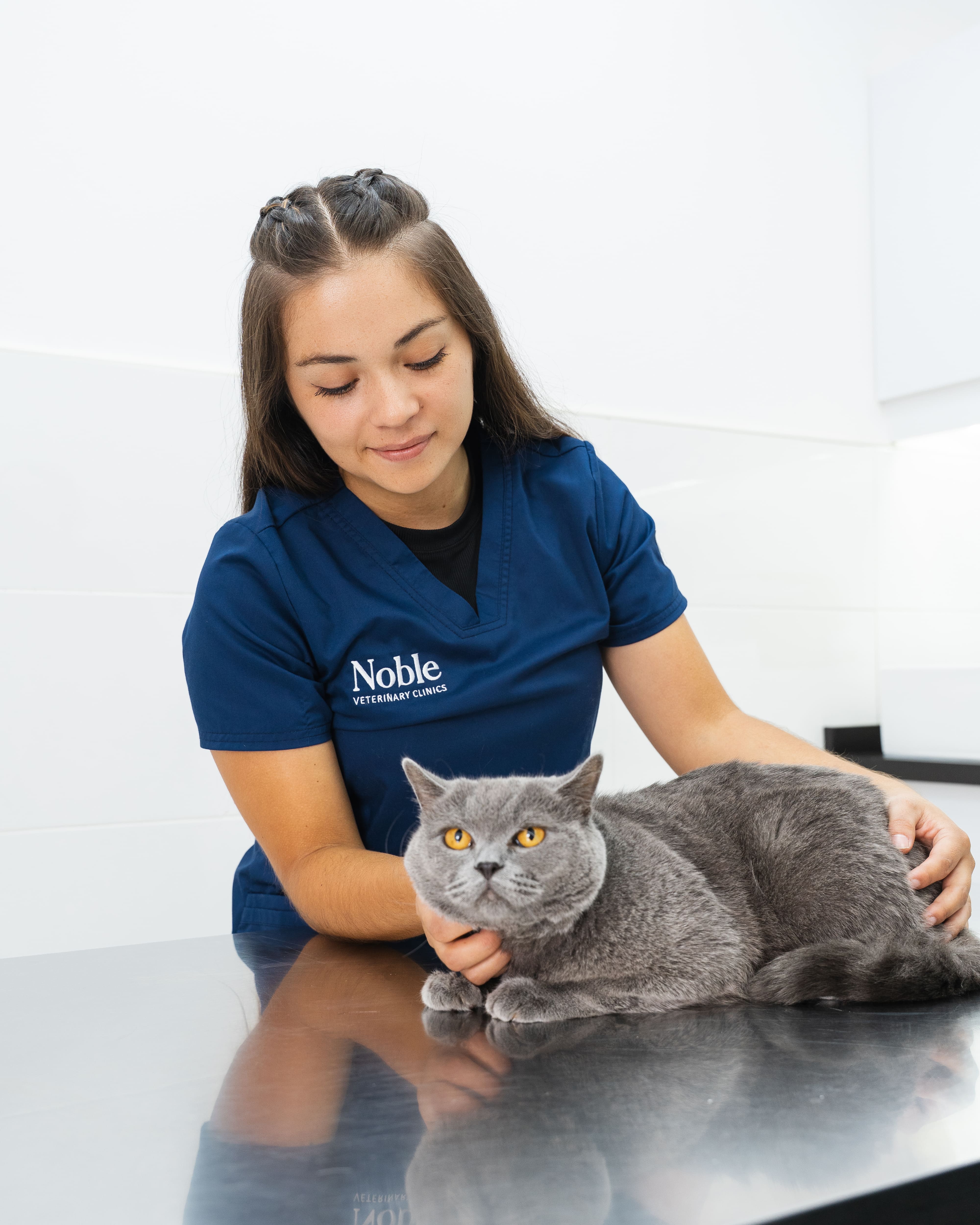
Credit: noblevetclinic.com
Shorthair Cat Coat Basics
Understanding the basics of a shorthair cat’s coat helps in proper grooming. Their fur is different from longhair cats in texture and maintenance needs. Knowing these details guides how often and what grooming tools to use. The coat acts as a natural protector and temperature regulator for the cat. It also reflects the cat’s health and well-being. Let’s explore the main features of shorthair cat fur and their shedding habits.
Fur Characteristics
Shorthair cats have dense, smooth fur that lies close to the skin. Their coat feels soft but firm to the touch. The fur is usually shorter than that of longhair breeds. This type of coat is less prone to matting and tangling. Shorthair fur comes in many colors and patterns. It provides good protection against dirt and minor injuries. The fur also helps cats stay warm or cool depending on the season.
Natural Shedding Patterns
Shorthair cats shed hair naturally all year round. Shedding increases during spring and fall as they lose old fur. This process helps them adjust to temperature changes. The amount of shedding varies by breed and individual cat. Regular brushing can help remove loose fur and reduce hair around the house. Shedding is a normal part of the cat’s life cycle. It also keeps their coat healthy and clean by removing dead hair.
Benefits Of Regular Grooming
Regular grooming offers several benefits for shorthair cats. It helps keep their coat clean and healthy. Grooming also supports overall well-being and comfort. Simple grooming routines prevent many common problems in cats.
Reducing Hairballs
Shorthair cats shed fur daily. Grooming removes loose hair before your cat swallows it. This lowers the chance of hairballs forming in their stomach. Fewer hairballs mean less vomiting and discomfort for your cat. Brushing regularly keeps their digestive system happier.
Skin Health Maintenance
Grooming stimulates the skin and spreads natural oils. These oils keep the skin moisturized and the coat shiny. It also helps spot skin issues early, like dryness or parasites. Regular brushing can prevent matting and irritation. Healthy skin means a happier cat overall.
Bonding With Your Cat
Grooming time creates a special moment between you and your cat. It builds trust and comfort through gentle touch. Cats often enjoy the attention and feel relaxed. This daily habit strengthens your relationship. Grooming helps your cat feel safe and loved.
Signs Grooming Is Needed
Shorthair cats may need grooming if their coat looks dull or feels greasy. Noticeable shedding or skin flakes also signal grooming time. Regular brushing helps keep their fur clean and healthy.
Cats are often seen as independent creatures, needing little intervention from their humans. Yet, shorthair cat grooming is sometimes essential, even if it’s not immediately obvious. Recognizing the signs that grooming is needed can ensure your feline friend stays healthy and comfortable. Here are some signs that indicate your shorthair cat might benefit from a grooming session:Matting And Tangles
Even shorthair cats can develop matting and tangles, especially if they are older or have underlying health issues. Mats can form in areas your cat can’t easily groom, such as behind the ears or under the legs. If you notice these, it’s time for a gentle brush out. A personal experience shared by a cat owner revealed how her cat’s tangles were causing discomfort. After regular grooming sessions, her cat became more playful and relaxed. Could your cat be silently suffering from similar tangles?Excessive Shedding
While some shedding is normal, excessive shedding can indicate that your cat needs grooming. If you find fur all over your clothes and furniture, it’s a sign that your cat’s coat isn’t being managed properly. Regular brushing can significantly reduce shedding, leaving your home cleaner and your cat happier. Have you noticed an uptick in fur around your home lately?Skin Irritations
Skin irritations can manifest as redness, bumps, or flakiness on your cat’s skin. These issues can often be alleviated with regular grooming, which helps to distribute natural oils across your cat’s skin and coat. If your cat seems to be scratching more than usual, a grooming session might just do the trick. Have you checked your cat’s skin for signs of irritation recently? Incorporating regular grooming into your routine can address these issues before they become problematic. Your cat will not only look better but feel better too. Remember, a well-groomed cat is a happy cat!Grooming Tools For Shorthair Cats
Grooming tools help keep shorthair cats clean and healthy. They remove loose hair and reduce shedding. Using the right tools makes grooming easier and more comfortable for your cat. Choosing the best brushes, combs, and gloves helps maintain your cat’s coat and skin.
Brush Types
Different brushes suit various grooming needs. A slicker brush has fine, short wires close together. It removes loose hair and dirt gently. A bristle brush works well for smooth coats. It spreads natural oils and adds shine. A rubber brush massages the skin and removes dead hair. This brush is good for sensitive skin.
Combs And Gloves
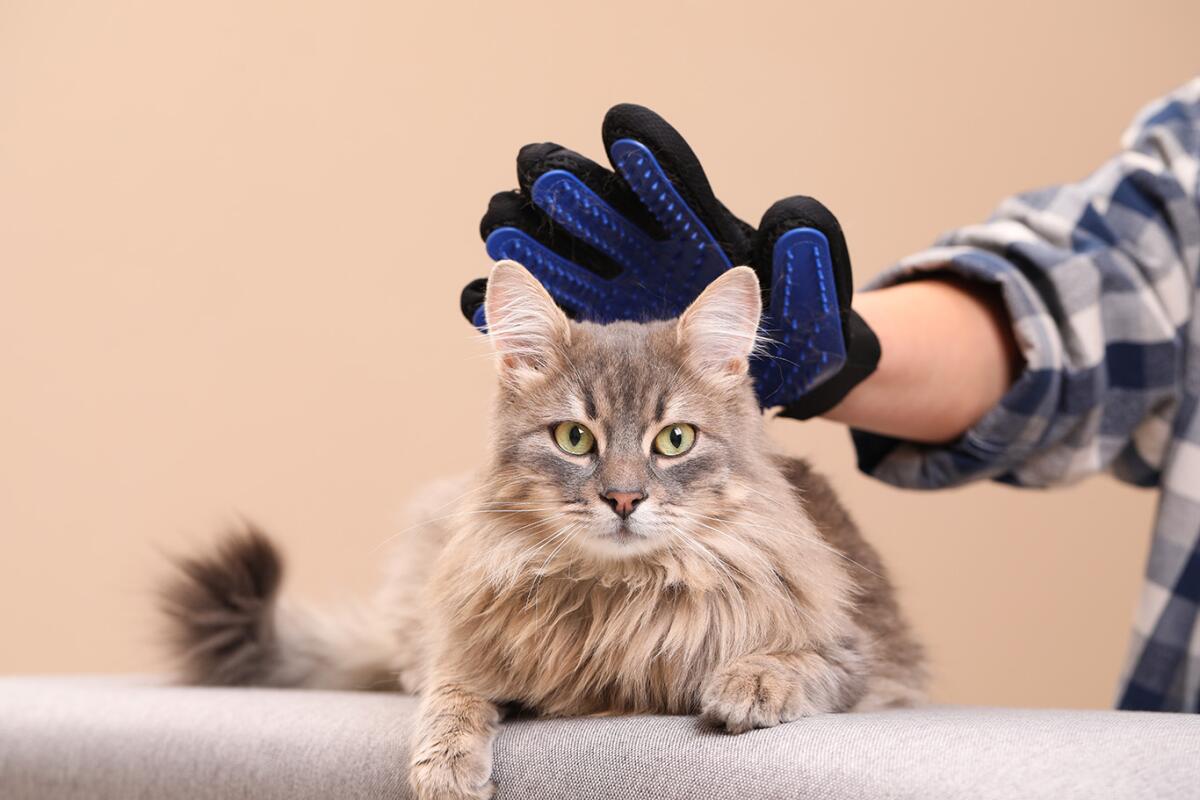
Combs help detangle small mats and remove debris. Wide-tooth combs are gentle and prevent hair breakage. Fine-tooth combs catch tiny loose hairs and fleas. Grooming gloves have soft rubber tips. They let you pet your cat while brushing. Gloves reduce shedding and improve blood flow. Both combs and gloves make grooming a bonding experience.
Step-by-step Grooming Routine
Creating a grooming routine for your shorthair cat doesn’t have to be complicated. Regular care keeps your cat comfortable and healthy. Let’s break down the essentials into simple, easy steps that fit smoothly into your schedule.
Brushing Techniques
Brushing your shorthair cat helps remove loose hair and reduces shedding around your home. Use a soft-bristle brush or a grooming glove to gently stroke your cat’s coat. Pay attention to areas like the back, neck, and tail where hair tends to accumulate.
Short sessions work best—try brushing for 5 to 10 minutes a few times a week. Notice how your cat reacts; some may enjoy it while others prefer brief contact. Consistency is key to prevent mats and keep your cat’s fur shiny.
Bathing Tips
Bathing is not often necessary for shorthair cats, but occasional baths can help if your cat gets into something sticky or dirty. Use lukewarm water and a cat-specific shampoo to avoid irritation.
Keep the experience calm and positive by speaking softly and using a non-slip mat in the sink or tub. Rinse thoroughly to remove all soap, and dry your cat quickly with a towel to prevent chills. Have you noticed how some cats tolerate water better when introduced slowly?
Nail Trimming
Trimming your cat’s nails prevents scratches and keeps furniture safe. Use a pair of cat nail clippers and hold your cat’s paw gently but firmly. Trim only the sharp tip to avoid cutting into the quick, which can cause pain and bleeding.
If your cat resists, try trimming just one or two nails at a time and reward with treats. Regular nail care can reduce stress for both of you and protect your cat’s paws from injury. Have you found a particular time or place that makes nail trimming easier?

Credit: www.latimes.com
Common Grooming Mistakes
Grooming your shorthair cat may seem straightforward, but there are common mistakes that can harm your furry friend instead of helping. These errors often arise from good intentions but can lead to discomfort or even health issues. Understanding these pitfalls will help you keep your cat happy and healthy during grooming sessions.
Over-grooming
It’s easy to think more grooming equals better care, but over-grooming can irritate your cat’s skin. Excessive brushing may cause redness, hair loss, or sores, especially if your cat has sensitive skin. Have you noticed your cat avoiding grooming time or showing signs of stress? This might mean you’re grooming too much or too roughly.
Limit grooming sessions to what your cat tolerates comfortably, usually once or twice a week for shorthair breeds. Pay attention to your cat’s reactions to avoid pushing them too far.
Using Wrong Tools
Using the wrong grooming tools can make the process uncomfortable or ineffective. For example, a brush designed for long-haired cats might pull or hurt your shorthair’s shorter coat. Have you ever used a stiff brush that left your cat twitching or trying to escape?
Choose a soft-bristle brush or grooming glove suited for shorthair cats. This helps remove loose hair gently and keeps grooming pleasant for your pet.
Ignoring Behavior Signs
Your cat communicates its feelings clearly during grooming—ears back, tail flicking, or attempts to flee are all signs of discomfort. Ignoring these signals can turn grooming into a stressful experience. Have you ever pushed through grooming despite your cat’s clear attempts to stop?
Respect your cat’s limits by pausing or stopping when needed. This will build trust and make future grooming easier for both of you.
When To Seek Professional Help
Knowing when to seek professional help is key to your shorthair cat’s grooming. Some problems need special care to keep your cat healthy and happy. Professionals have tools and skills to handle tough grooming issues safely. Recognizing signs early helps prevent pain and discomfort for your pet.
Severe Matting
Shorthair cats can still develop mats, especially in hard-to-reach spots. Severe matting causes skin irritation and pain. Untangling mats at home can hurt your cat. Professionals use special clippers and techniques to remove mats carefully. They avoid cutting your cat’s skin or causing stress.
Skin Conditions
Redness, sores, or flaky skin need expert attention. These signs can mean infections or allergies. Groomers trained in pet care can spot skin problems early. They know how to clean and treat affected areas safely. Timely treatment helps your cat heal faster.
Behavioral Challenges
Some cats feel scared or aggressive during grooming. Stress can make grooming unsafe for both cat and owner. Professionals understand cat behavior and use calming methods. They create a calm environment that reduces fear. This approach makes grooming easier and safer.
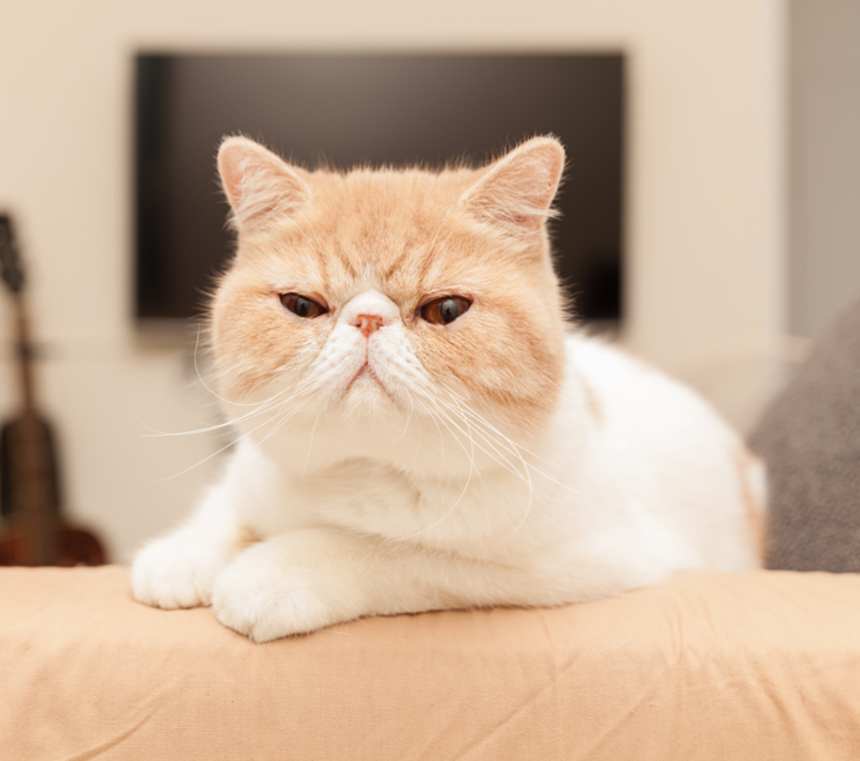
Credit: www.adoptapet.com
Frequently Asked Questions
Is Grooming Necessary For Shorthair Cats?
Yes, grooming is necessary for shorthair cats to remove loose fur and prevent hairballs. Regular brushing keeps their coat healthy and reduces shedding. It also helps you check for skin issues or parasites early.
How Often Should I Groom My Shorthair Cat?
Groom your shorthair cat at least once a week. This frequency helps control shedding and maintain coat cleanliness. During shedding seasons, increase grooming to two or three times weekly for best results.
Can Grooming Prevent Hairballs In Shorthair Cats?
Yes, grooming reduces hairballs by removing loose fur before ingestion. Regular brushing minimizes the amount of hair your cat swallows while self-grooming. This practice promotes better digestion and reduces hairball formation.
What Tools Are Best For Grooming Shorthair Cats?
Use a soft-bristle brush or grooming glove for shorthair cats. These tools gently remove loose fur without irritating the skin. They are easy to use and help keep your cat comfortable during grooming.
Conclusion
Shorthair cats need grooming, but not as much as long-haired cats. Brushing them helps remove loose hair and keeps their skin healthy. It also reduces shedding around your home. Regular grooming lets you check for any skin problems or bugs.
Plus, it strengthens the bond between you and your pet. So, even short-haired cats benefit from some care. A little grooming goes a long way in keeping your cat happy and clean. Simple routines make a big difference. Try to groom your shorthair cat regularly for the best results.



Leave a Reply