
Are you worried about your cat’s urinary health? You’re not alone.
Many cat owners want to make sure their furry friends stay happy and healthy, especially when it comes to delicate issues like urinary problems. You might have heard that raw cat food can help, but is it really a good choice?
Understanding how your cat’s diet affects their urinary system could make a big difference. Keep reading to discover what raw cat food is all about and whether it’s the right option for your cat’s urinary health.
Raw Cat Food Basics
Understanding the basics of raw cat food is essential if you’re considering it for your feline’s urinary health. Many cat owners wonder if raw diets can truly support their pet’s well-being beyond just being a trendy choice. Let’s break down what raw cat food really entails and what goes into it, so you can make an informed decision for your furry friend.
What Is Raw Cat Food?
Raw cat food consists of uncooked ingredients that aim to mimic a cat’s natural diet in the wild. It usually includes meat, organs, and sometimes bones, without any processing or cooking. This approach tries to provide nutrients in their most natural form, which some believe supports better digestion and overall health.
Have you noticed your cat’s energy levels or coat improving after switching diets? Many pet owners report such changes, attributing them to the freshness and quality of raw ingredients. However, it’s crucial to ensure the food is balanced and safe, as raw diets require careful preparation.
Common Ingredients In Raw Diets
- Muscle Meat:Often from chicken, turkey, beef, or rabbit, it forms the main protein source.
- Organs:Liver, kidney, and heart provide essential vitamins and minerals.
- Raw Bones:Small, edible bones offer calcium and help maintain dental health.
- Supplements:Sometimes added to balance nutrients, like taurine, omega fatty acids, or vitamins.
Each ingredient plays a specific role, supporting various aspects of your cat’s health. For example, taurine, found naturally in raw meat, is vital for heart and eye health. Are you confident your cat’s current diet covers all these nutritional needs?
Urinary Health In Cats
Urinary health is vital for cats. It affects their comfort, activity, and overall well-being. Problems in the urinary tract can cause pain and serious illness. Understanding the basics of urinary health helps in preventing and managing these issues. Diet plays a key role in keeping your cat’s urinary system healthy. This section explores common urinary problems and factors that impact urinary health in cats.
Common Urinary Issues
- Urinary tract infections (UTIs) cause frequent and painful urination.
- Feline lower urinary tract disease (FLUTD) leads to inflammation and blockage.
- Bladder stones form from minerals and cause pain and difficulty urinating.
- Urethral obstruction blocks urine flow and can be life-threatening.
- Crystals in urine may irritate the urinary tract and cause inflammation.
Factors Affecting Urinary Health
- Water intake is crucial to flush out toxins and prevent stones.
- Diet impacts urine pH and mineral levels, influencing stone formation.
- Stress and anxiety can increase risk of urinary problems in cats.
- Obesity raises the chance of urinary tract diseases and infections.
- Age and genetics may make some cats more prone to issues.
Raw Diet And Urinary Health Connection
Understanding the connection between a raw diet and your cat’s urinary health can help you make smarter feeding choices. Urinary issues are common in cats and can lead to discomfort and serious health problems. The foods your cat eats play a key role in maintaining a healthy urinary system.
How Raw Food Influences Urine Ph
Raw cat food usually contains more natural proteins and fewer carbohydrates than processed diets. This composition tends to produce a more acidic urine pH, which can help reduce the risk of certain urinary crystals and stones. Have you noticed how some cats develop urinary problems more frequently on dry kibble? The difference often lies in how food affects their urine chemistry.
Balancing urine pH is crucial. If it becomes too alkaline or too acidic, your cat might develop crystals that irritate the bladder. Raw diets can help maintain a pH closer to the ideal range by mimicking the natural prey diet of cats. This can support a healthier urinary tract environment.
Hydration Benefits Of Raw Diets
One of the biggest advantages of raw food is its high moisture content. Unlike dry kibble, raw diets can contain up to 70-80% water, which naturally boosts your cat’s hydration. Proper hydration is essential for flushing out the urinary tract and preventing infections or blockages.
If your cat tends to drink less water, feeding raw food might help improve their overall fluid intake without forcing water bowls. Better hydration means more diluted urine, which lowers the concentration of minerals that form crystals. Have you ever wondered why cats on wet or raw diets often show fewer urinary issues?
Feeding your cat a raw diet can support urinary health through better pH balance and improved hydration. These factors work together to create an environment that discourages urinary problems. Considering these points, could a raw diet be the right choice for your cat’s urinary wellbeing?

Credit: www.nutriment.co.uk
Expert Opinions On Raw Feeding
Raw cat food has become a popular topic among pet owners. Understanding expert opinions on raw feeding can help you make informed decisions. Experts from various fields share their views on how raw diets affect urinary health in cats.
Veterinarians’ Perspectives
Many veterinarians express caution regarding raw diets. They emphasize potential health risks. Bacteria in raw meat can cause infections in cats. Vets often suggest balanced commercial diets for urinary health. They stress the importance of proper nutrition and hygiene.
Nutritionists’ Views
Nutritionists provide a different angle on raw feeding. They focus on the nutrient content of raw diets. Properly balanced raw diets can support urinary health. They recommend sourcing high-quality ingredients. Nutritionists advise consulting with experts before switching diets.
Risks And Precautions
Feeding raw cat food can influence your cat’s urinary health. It carries some risks that owners should know. Taking precautions helps reduce dangers and keeps cats safe. Understanding these risks and safe handling tips is essential for pet health.
Potential Health Risks
Raw cat food may contain harmful bacteria like Salmonella or E. coli. These germs can cause infections in cats and humans. Cats with weak immune systems face higher risks. Raw diets can also lead to nutrient imbalances. Too much calcium or phosphorus harms urinary tract health. Improperly balanced raw food might increase urinary crystals or stones.
Safe Handling Practices
- Always wash hands before and after touching raw food.
- Use separate utensils and cutting boards for raw meat.
- Store raw cat food in sealed containers in the fridge.
- Thaw frozen food in the refrigerator, not at room temperature.
- Clean feeding bowls and surfaces with hot, soapy water after each use.
- Regularly monitor your cat’s health and consult the vet if needed.
Credit: www.renspets.com
Alternatives To Raw Food
Not all cat owners choose raw food for urinary health. Some prefer other safe, effective options. These alternatives can support your cat’s urinary tract without raw diets. They offer balanced nutrition and ease of preparation.
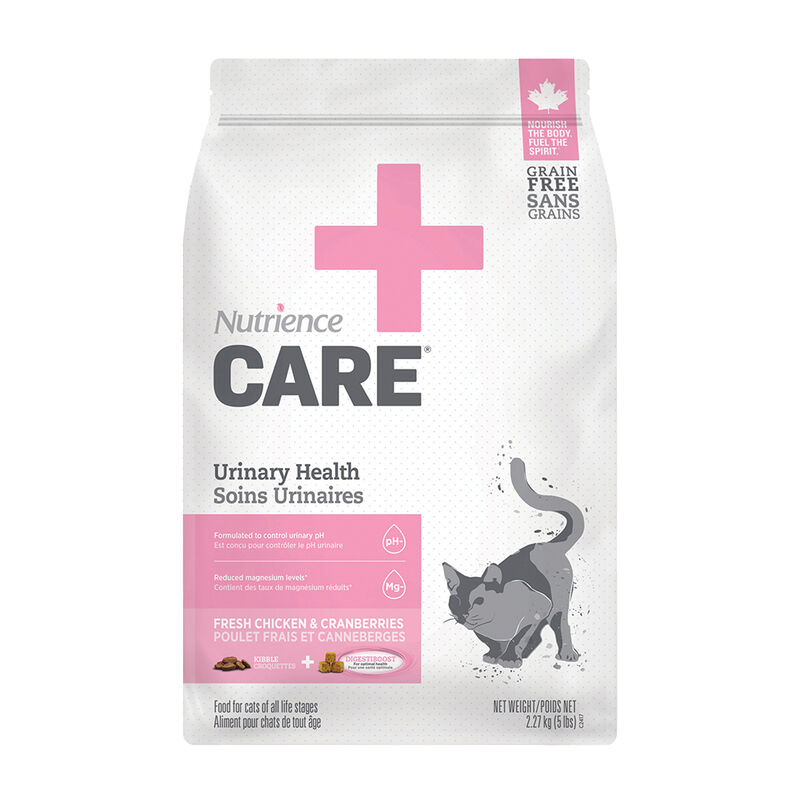
Commercial Urinary Health Diets
Many pet food brands make special diets for urinary health. These foods help control minerals that cause bladder stones. They keep urine pH balanced to reduce crystal formation. Vets often recommend these diets for cats with urinary issues.
- Formulated to lower magnesium and phosphorus levels
- Support healthy urine acidity
- Available as dry kibble or canned food
- Convenient and easy to feed
Choosing the right commercial diet can protect your cat’s urinary tract. Always check with your vet before changing diets.
Homemade Cooked Options
Cooked homemade meals give full control over ingredients. You can tailor food to avoid minerals that harm urinary health. Cooking reduces bacteria risk compared to raw feeding. It also helps cats with sensitive stomachs.
- Use lean meats like chicken or turkey
- Add pumpkin or sweet potato for fiber
- Include water-rich foods to increase hydration
- Avoid high magnesium and phosphorus ingredients
Homemade cooked meals need balanced nutrients. Work with a vet or pet nutritionist to create safe recipes.
Tips For Transitioning Diets
Switching your cat to a raw food diet can be a big change for both of you. It’s important to make this transition smooth to avoid upsetting your cat’s digestive system and to support urinary health effectively. Here are some practical tips to help you manage the change without stress or health risks.
Gradual Introduction
Start by mixing a small amount of raw food into your cat’s current diet. A good rule is to begin with 10% raw food and 90% old food. Over two to four weeks, slowly increase the raw portion while decreasing the old food.
This slow change helps your cat’s digestive system adjust comfortably. Sudden diet switches can cause diarrhea or vomiting, which you want to avoid. Have patience—watch how your cat reacts and be ready to slow down if needed.
Monitoring Your Cat’s Health
Keep a close eye on your cat’s litter box habits and behavior during the transition. Changes in urine color, frequency, or signs of discomfort might indicate urinary issues. You want to catch any problems early before they become serious.
Regular veterinary checkups are also key. Blood tests and urine analysis can tell you how well the new diet supports urinary health. Don’t hesitate to ask your vet for advice tailored to your cat’s specific needs.

Credit: www.petfoodprocessing.net
Frequently Asked Questions
Does Raw Cat Food Improve Urinary Health?
Raw cat food can support urinary health by providing high moisture content. It reduces urine concentration, lowering the risk of urinary crystals and stones. Natural ingredients in raw diets often promote better pH balance, which helps prevent urinary tract infections and inflammation.
What Nutrients In Raw Food Benefit Cat’s Urinary Tract?
Raw cat food is rich in protein and low in carbohydrates, which supports urinary health. It contains essential amino acids, vitamins, and minerals that maintain bladder function. High moisture content helps flush toxins and prevent crystal formation in the urinary tract.
Can Raw Diets Prevent Urinary Tract Infections?
Raw diets may reduce urinary tract infections by maintaining proper urine pH and hydration. The natural moisture content helps dilute urine, limiting bacterial growth. However, hygiene and veterinary care remain crucial for preventing infections regardless of diet.
Are There Risks Of Raw Food For Cat’s Urinary Health?
Raw food risks include bacterial contamination that may cause infections. Improperly balanced raw diets can lead to mineral imbalances, worsening urinary issues. Always consult a vet to ensure raw food is safe and nutritionally complete for your cat.
Conclusion
Raw cat food can support urinary health by reducing crystals and stones. It offers natural hydration and fewer additives than dry food. Cats may benefit from a diet closer to what they eat in the wild. Always watch your cat’s reaction and health changes carefully.
Consult your vet before switching foods to ensure safety. A balanced diet helps keep your cat happy and healthy. Raw feeding is an option worth considering for urinary health care.


Leave a Reply