
Are you wondering if it’s okay for your adult cat to eat kitten food? You’re not alone.
Many cat owners face this question and want to make sure they’re giving their furry friend the best nutrition. Your cat’s diet plays a huge role in their health, energy, and happiness. But is kitten food the right choice once they grow up?
Keep reading to discover what happens when adult cats eat kitten food, and how to make the best feeding decisions for your beloved pet.
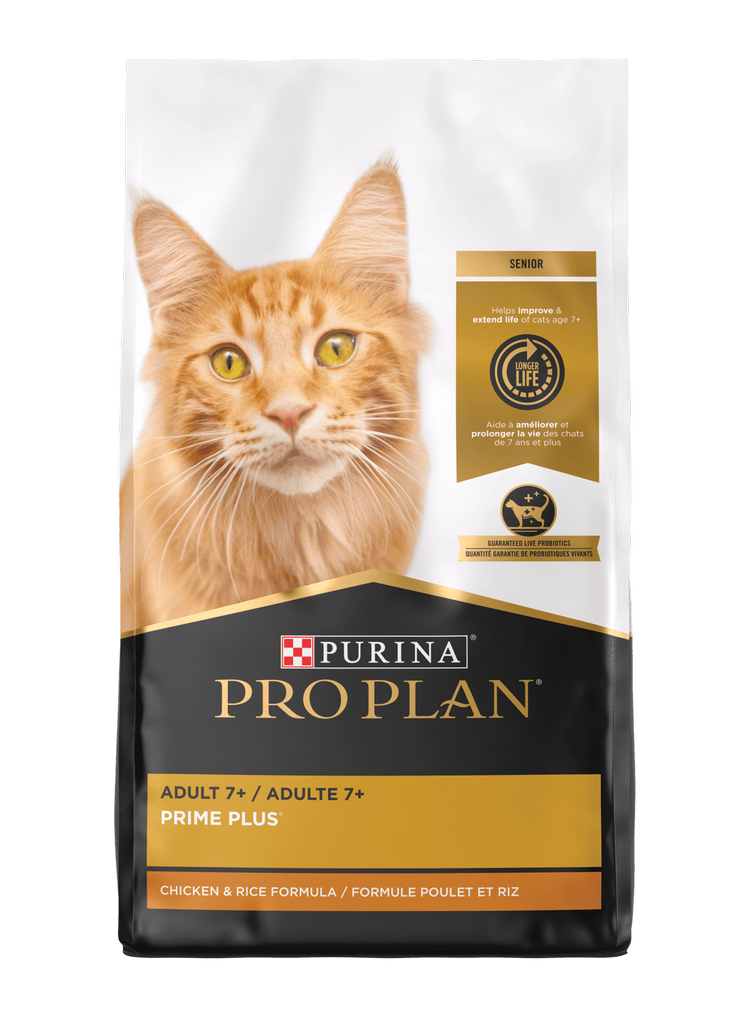
Credit: www.purina.com
Nutritional Differences
Adult cats and kittens have different nutritional needs. Kitten food is formulated to support rapid growth and high energy levels. Adult cats require a balanced diet to maintain health without excess calories. Understanding these nutritional differences helps in choosing the right food for your cat.
Calorie Content
Kitten food has more calories per serving than adult cat food. Growing kittens need extra energy for development. Adult cats need fewer calories to avoid weight gain. Feeding adult cats high-calorie kitten food can lead to obesity.
Protein And Fat Levels
Kitten food contains higher protein and fat amounts. These nutrients support muscle and brain growth. Adult cat food has moderate protein and fat for maintenance. Too much fat or protein in adult diets can cause health issues over time.
Vitamin And Mineral Balance
Kitten food includes extra vitamins and minerals for bone and immune health. Adult cat food balances these nutrients to prevent excess. Too many vitamins or minerals can harm adult cats. Proper balance keeps adult cats healthy and active.
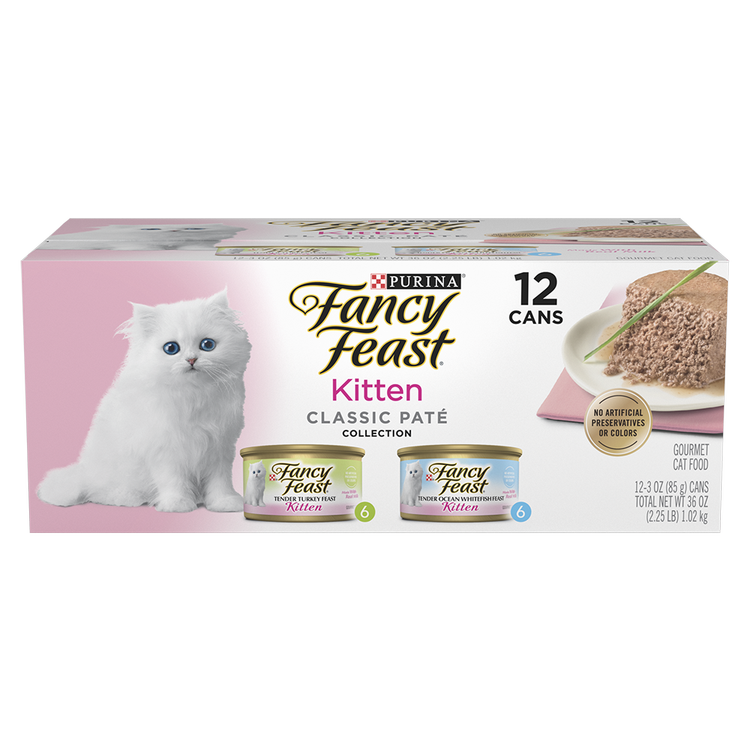
Credit: www.purina.com
Benefits Of Kitten Food For Adults
Kitten food has a richer nutrient profile than adult cat food. This makes it beneficial for adult cats needing extra energy or nutrition. The higher protein and fat content in kitten food supports active lifestyles and helps maintain a healthy weight. Adults with certain health needs may also find kitten food helpful.
Support For Active Cats
Kitten food contains more protein and calories than adult food. Active adult cats burn more energy daily. The extra nutrients in kitten food help them stay strong and agile. It supports muscle repair and overall vitality. This food keeps energetic cats lively and playful.
Weight Maintenance
Adult cats sometimes struggle to keep a healthy weight. Kitten food’s higher calorie count can help underweight cats gain weight safely. It provides balanced nutrition without fillers. This helps maintain muscle mass and fat levels. Feeding kitten food can prevent weight loss in some adults.
Enhanced Coat And Skin Health
Kitten food often includes more fatty acids and vitamins. These ingredients improve skin condition and coat shine. Adults with dull fur or dry skin benefit from these nutrients. It helps reduce shedding and supports healing. A healthy coat reflects good overall health.
Potential Risks For Adult Cats
Feeding adult cats with kitten food may seem harmless. Yet, it carries risks that pet owners should know. Kitten food is made for growing cats, not adults. The differences in nutrient levels can affect adult cats in several ways.
Overnutrition Concerns
Kitten food contains more calories and protein than adult cat food. This extra nutrition can lead to weight gain in adult cats. Overweight cats face health problems like diabetes and joint pain. Too many nutrients also strain organs like the liver and kidneys.
Digestive Issues
Adult cats’ digestive systems differ from kittens’. Rich kitten food can cause upset stomachs. Symptoms include diarrhea, vomiting, and gas. Sudden diet changes may worsen these problems. Gradual changes and proper food help avoid digestive troubles.
Long-term Health Effects
Long-term feeding of kitten food may cause health issues. Excess nutrients might harm the heart and kidneys over time. Adult cats need balanced diets for longevity and vitality. Feeding kitten food regularly can reduce their lifespan and quality of life.

Credit: www.petscare.com
When Kitten Food Might Be Appropriate
Adult cats may eat kitten food occasionally, especially if they need extra calories or nutrients. Kitten food is richer and can support growth or recovery but is not ideal for daily adult feeding. Always check with a vet for the best diet advice.
When Kitten Food Might Be Appropriate Cats have unique dietary needs during different life stages. While adult cats usually eat adult food, some situations may make kitten food suitable. Kitten food is rich in calories, protein, and essential nutrients. This can be beneficial for certain adult cats under specific circumstances.Pregnant Or Nursing Cats
Pregnant or nursing cats require extra nutrition. Their bodies are working hard to support their kittens. Kitten food can provide the needed calories and nutrients. It helps maintain the mother’s health and energy levels. This ensures her kittens get the best start in life.Senior Cats With Special Needs
Some senior cats struggle with maintaining weight. They might have dental issues or other health concerns. Kitten food can be easier to chew and digest. Its high-calorie content can help maintain a healthy weight. Always consult a vet for dietary changes in senior cats.Cats Recovering From Illness
After illness, some cats need extra nutrition to recover. Kitten food’s nutrient-rich formula can support healing. It can help rebuild strength and energy. Consult with a veterinarian before changing a recovering cat’s diet. This ensures the food meets their specific health needs.Alternatives To Kitten Food
If your adult cat has been snacking on kitten food, you might be wondering what other options are available that better suit their nutritional needs. Kitten food is packed with extra calories and nutrients meant for growth, which may not be ideal for adult cats over time. Luckily, there are several alternatives designed to keep your cat healthy and satisfied without the risk of overfeeding or nutrient imbalance.
Adult Cat Formulas
Adult cat formulas are specifically designed to meet the dietary needs of fully grown cats. These foods have the right balance of protein, fat, and calories to maintain your cat’s ideal weight and overall health.
Many brands offer formulas tailored to different lifestyles—like indoor cats, active cats, or even senior cats. Have you checked the label to see if your cat’s current food matches their age and activity level? Switching to an adult formula can prevent issues like obesity and digestive upset.
Specialty Diets
If your cat has specific health concerns, specialty diets might be the best choice. These include options for weight management, urinary health, or food sensitivities.
For example, a cat prone to urinary tract problems benefits from diets formulated to maintain proper pH levels. Consulting your vet about specialty diets can help you find a food that supports your cat’s unique needs without relying on kitten food as a crutch.
Homemade Meal Options
Preparing homemade meals for your cat gives you full control over the ingredients and nutrition. Simple recipes using cooked chicken, turkey, or fish combined with essential supplements can provide a balanced meal.
However, nutritional balance is crucial. Without the right mix of vitamins and minerals, homemade meals can fall short. Have you considered consulting a pet nutritionist to craft meals that keep your cat healthy and happy?
Tips For Transitioning Foods
Changing your cat’s diet can feel tricky, especially when moving from kitten food to adult cat food. Proper transitioning helps avoid tummy troubles and keeps your feline happy. Here are some practical tips to ease this change smoothly.
Gradual Introduction
Start by mixing a small amount of adult cat food into the kitten food. Over a week or two, slowly increase the adult food portion while decreasing the kitten food. This slow change helps your cat’s digestive system adjust without stress.
Think about how you’d handle a sudden diet change yourself—would you want to switch overnight? Your cat appreciates the same gentle approach.
Monitoring Reactions
Watch your cat closely during the switch. Look for signs like vomiting, diarrhea, or changes in appetite. These could mean the new food isn’t agreeing with them.
Keep a simple journal of your cat’s reactions. Note any behavior or health changes daily. This record helps you spot patterns and decide if the transition needs to slow down or stop.
Consulting A Veterinarian
If you notice persistent issues or if your cat has special health needs, consult your vet. They can recommend the best food type and transition plan. Sometimes, medical advice is the key to a successful diet change.
Your vet’s insight can save you from guesswork and keep your cat thriving. Have you ever felt unsure about changing your pet’s food? A quick call to your vet can bring peace of mind.
Frequently Asked Questions
Can Adult Cats Safely Eat Kitten Food?
Yes, adult cats can eat kitten food occasionally. However, kitten food is richer in calories and nutrients, which may cause weight gain in adults if fed regularly.
What Are The Risks Of Feeding Adult Cats Kitten Food?
Feeding adult cats kitten food long-term can lead to obesity and nutrient imbalance. Adult cats need fewer calories and specific nutrients than kittens.
How Often Can Adult Cats Eat Kitten Food?
Limit kitten food to occasional treats or transitional feeding. Regular adult cat food is best to maintain proper health and weight.
Is Kitten Food Nutritionally Suitable For Adult Cats?
Kitten food contains higher protein, fat, and calories designed for growth. Adult cats require balanced nutrition that kitten food may not provide long term.
Conclusion
Adult cats can eat kitten food occasionally, but it’s not ideal. Kitten food has more calories and nutrients made for growing cats. Feeding it often may cause weight gain or health problems. Choose food designed for adult cats to keep them healthy.
Always check with your vet if you are unsure. A balanced diet helps your cat stay active and happy. Keep their needs in mind for the best care.



Leave a Reply