Are you wondering if it’s okay for your kitten to eat adult cat food? You want to make sure your little furry friend grows up strong and healthy, but you might be unsure about what’s best to feed them.
Feeding your kitten the wrong food can affect their growth and energy, and that’s something you definitely want to avoid. Keep reading to discover the truth about kitten nutrition and how to give your cat the best start in life.
Your kitten’s health depends on it!

Credit: www.petscare.com
Nutritional Needs Of Kittens
Kittens have unique nutritional needs that differ from adult cats. Their bodies grow fast and require special care through diet. Feeding the right food helps support strong bones, healthy muscles, and a strong immune system. Understanding these needs helps keep kittens healthy and happy.
Key Nutrients For Growth
Kittens need more protein than adult cats. Protein helps build muscles and tissues. Fat is also important for energy and brain development. Vitamins like A, D, and E support vision, bone growth, and skin health. Minerals such as calcium and phosphorus help form strong bones and teeth.
Calorie Requirements
Kittens burn more energy than adult cats. They need more calories per pound of body weight. This high energy demand supports their fast growth. Feeding enough calories prevents weight loss and supports healthy development. Small, frequent meals work best for kittens’ digestion.
Differences From Adult Cats
Adult cat food lacks some nutrients kittens need. It usually has less protein and fat. The balance of vitamins and minerals differs too. Adult food may not support the kitten’s rapid growth and immune system. Kittens need specially formulated food to meet these needs.
Ingredients In Adult Cat Food
Adult cat food contains ingredients designed for mature cats. These ingredients differ from those in kitten food. Understanding these ingredients helps know if adult food suits a growing kitten. The balance of nutrients in adult cat food may not meet a kitten’s needs for growth and development.
Protein And Fat Content
Adult cat food usually has less protein than kitten food. Kittens need higher protein for muscle and tissue growth. Fat levels in adult food are often lower too. Fat provides energy and supports brain development in kittens. Adult food may not provide enough energy for active kittens.
Vitamins And Minerals
Vitamins and minerals in adult cat food support maintenance, not growth. Kittens need extra calcium and phosphorus for bone development. Adult food may lack sufficient amounts of these minerals. Vitamins like A and D are often higher in kitten food. These help support healthy skin, vision, and immune function in kittens.
Additives And Fillers
Adult cat food sometimes contains fillers like corn or wheat. These fillers add bulk but less nutrition. Kittens need nutrient-dense food with fewer fillers. Some additives in adult food may not suit sensitive kitten digestion. Read labels carefully to avoid unwanted ingredients. Quality kitten food limits fillers and focuses on essential nutrients.
Potential Risks For Kittens
Feeding kittens adult cat food can cause nutrient gaps and digestion problems. Kittens need extra protein and fat for growth, which adult food may lack. This can lead to weak bones and low energy.
Feeding kittens is a delicate task that requires careful attention to their nutritional needs. You might wonder if it’s okay to let your kitten nibble on adult cat food. While it might seem convenient, there are potential risks involved. Understanding these risks can help you make informed decisions for your kitten’s health and well-being.Nutrient Deficiencies
Kittens need a special blend of nutrients to support their rapid growth and development. Adult cat food is not formulated with these specific needs in mind. Imagine trying to run a marathon on a diet meant for a leisurely stroll—your body wouldn’t have the energy it needs to perform at its best. Similarly, kittens on adult cat food may miss out on crucial nutrients like protein and fat, which are vital for their growth. This lack of essential nutrients can lead to stunted growth and other health issues.Digestive Issues
Kittens have sensitive digestive systems that are still developing. Adult cat food is often too rich and complex for their tiny stomachs to handle. This can lead to digestive upset, including diarrhea or vomiting. Have you ever had a meal that just didn’t sit right? It’s uncomfortable, and for kittens, it can also be dangerous. Ensuring they have the right food helps them digest easily and stay healthy.Long-term Health Effects
Feeding your kitten adult cat food over time can have lasting implications on their health. Inadequate nutrition during the formative months can lead to long-term health problems, like weakened immune systems or poor bone development. Ask yourself: would you want to compromise your kitten’s future health for short-term convenience? Making mindful food choices today sets the foundation for a healthy adult cat tomorrow.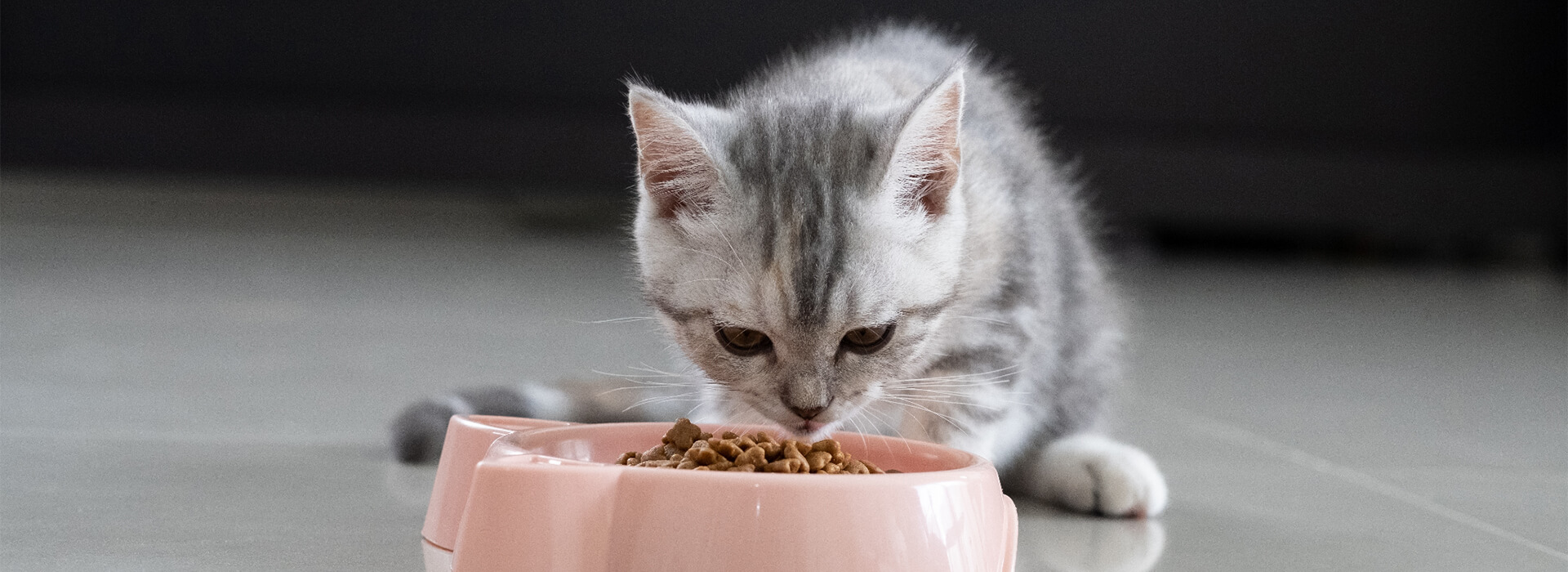
Credit: www.whiskas.co.uk
When Adult Food Might Be Acceptable
There are certain times when feeding your kitten adult cat food might be okay. It’s not usually recommended, but understanding these exceptions can help you make better choices for your furry friend. Let’s look at when this switch might be acceptable and how to handle it properly.
Short-term Feeding
If you run out of kitten food and only have adult cat food available, feeding it to your kitten for a short time is generally safe. Make sure it’s just a temporary fix—no more than a day or two.
Adult cat food lacks the extra nutrients kittens need to grow, so don’t let this become a habit. Think of it like a quick snack rather than a full meal plan.
Transitional Periods
When your kitten approaches six months old, some vets suggest gradually switching to adult cat food. This transitional period allows your kitten’s digestive system to adjust without sudden changes.
Mixing kitten and adult food slowly over a week or two can prevent stomach upset. You might notice your kitten’s appetite and energy remain steady during this time.
Veterinary Guidance
Always check with your vet before changing your kitten’s diet. There are specific health concerns that might make adult food more suitable temporarily or even longer.
Your vet can recommend brands or formulas that meet your kitten’s needs during special cases, like if they have a medical condition. Trusting professional advice will keep your kitten healthy and growing strong.
Choosing The Right Food For Kittens
Choosing the right food for kittens is very important for their growth. Kittens need special nutrients to develop strong bones and healthy muscles. Feeding them the correct diet supports their energy levels and immune system. Adult cat food may not meet all these needs. Understanding the differences helps make the best choice for your kitten’s health.
Kitten-specific Formulas
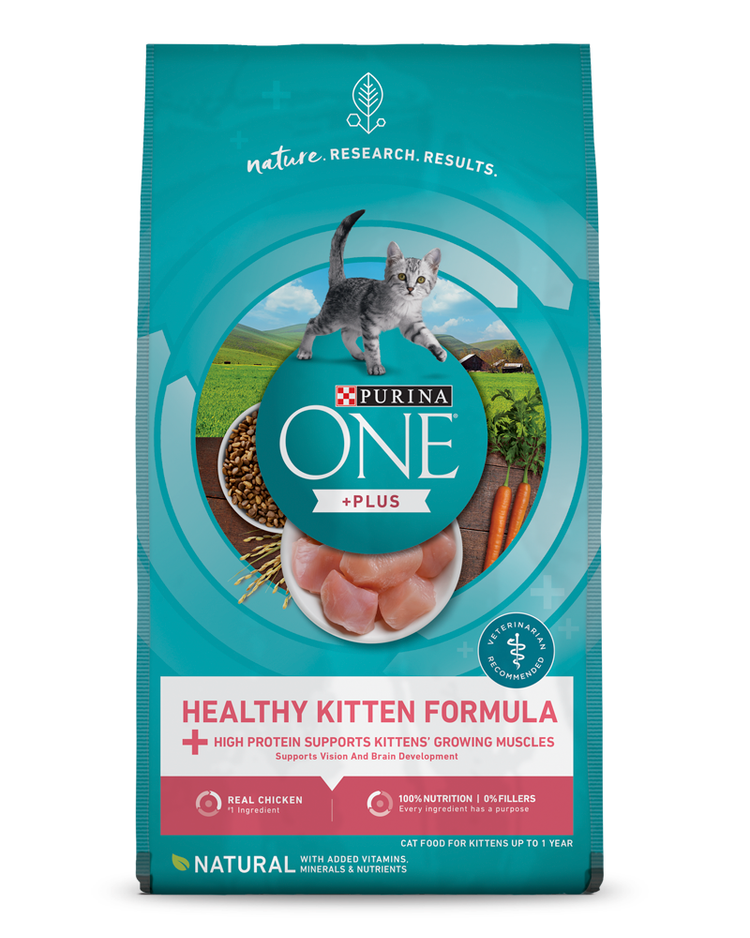
Kitten food has extra protein and fat. These nutrients support rapid growth and brain development. It also contains more calories than adult cat food. Kitten formulas include vitamins and minerals essential for young cats. These formulas protect their immune system and promote healthy skin.
Reading Labels
Always check the food label carefully. Look for words like “complete and balanced for kittens.” This means the food meets kitten nutritional needs. Check the protein source to ensure quality meat or fish is listed first. Avoid foods with too many fillers like corn or wheat. Also, look for added DHA, an important nutrient for brain growth.
Wet Vs. Dry Food
Wet food helps keep kittens hydrated. It is soft and easy to chew, perfect for small mouths. Dry food helps keep teeth clean and is convenient to store. Many owners feed a mix of both to balance benefits. Each type offers unique advantages for kitten health and development.
Feeding Tips For Healthy Growth
Ensuring your kitten grows up healthy means paying close attention to how and what you feed them. Feeding your kitten properly sets the foundation for strong bones, sharp minds, and a happy personality. Small changes in meal timing, portion sizes, and regular health checks can make a big difference in their development.
Meal Frequency
Kittens have smaller stomachs and higher energy needs than adult cats, so they require more frequent meals. Aim to feed your kitten 3 to 4 times a dayuntil they are about six months old. This keeps their energy steady and helps prevent overeating during each meal.
Have you noticed how your kitten’s energy spikes right after eating? That’s a good sign they’re getting the fuel they need to stay playful and alert.
Portion Control
Overfeeding can lead to obesity, while underfeeding slows growth. Measure your kitten’s food portions based on their weight and age, using guidelines on the cat food packaging as a starting point. Adjust portions if you see weight gain or loss over a week.
One trick I use is to weigh the food instead of just eyeballing it. It’s surprising how easy it is to accidentally add extra bites when pouring from a bag!
Monitoring Weight And Health
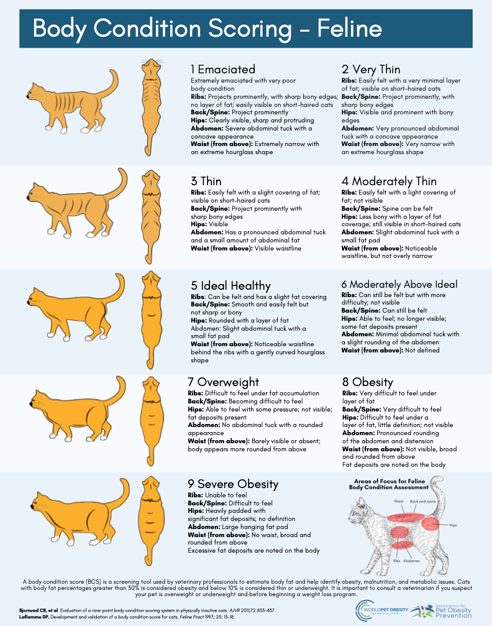
Keep a close eye on your kitten’s weight and body condition to ensure they are growing at a healthy rate. Regular weigh-ins—once a week—is a simple way to track progress. If you notice sudden weight changes or your kitten seems lethargic, consult your vet promptly.
Remember, healthy growth isn’t just about numbers. Watch for a shiny coat, good appetite, and active behavior as signs your feeding plan is working well.
Credit: www.purina.com
Frequently Asked Questions
Can Kittens Eat Adult Cat Food Safely?
Kittens can eat adult cat food occasionally but it lacks essential nutrients. Kitten food is specially formulated for growth and development, so it’s best to feed kittens their specific diet.
What Happens If Kittens Eat Only Adult Cat Food?
Feeding kittens only adult cat food may lead to nutrient deficiencies. They might miss vital proteins, fats, and vitamins needed for healthy growth and immune support.
When Can Kittens Switch To Adult Cat Food?
Kittens can switch to adult cat food around 12 months old. By this age, their growth slows, and nutritional needs align more with adult cats.
Is Adult Cat Food Harmful To Kitten Health?
Adult cat food is not immediately harmful but doesn’t support optimal kitten development. Long-term feeding may stunt growth and cause health issues due to nutrient imbalances.
Conclusion
Kittens need food made just for their growth. Adult cat food lacks some important nutrients kittens require. Feeding kittens adult food can slow their development. Choose kitten food for strong bones and energy. Always check the label to ensure it fits their needs.
Healthy kittens grow into happy adult cats. Feeding them right helps avoid health problems later. Keep your kitten’s diet balanced and fresh. This simple step supports a long, healthy life. Caring for your kitten’s diet shows your love clearly.

Leave a Reply