Have you noticed your cat spending more time licking or biting their fur than usual? You might be wondering, “Is my cat excessively grooming?”
This behavior can be more than just a quirky habit—it could signal stress, allergies, or other health issues. Understanding why your feline friend is over-grooming is key to keeping them happy and healthy. Keep reading to discover the signs, causes, and what you can do to help your cat feel their best.
Signs Of Excessive Grooming
Excessive grooming in cats can signal underlying health or emotional issues. It is important to spot the signs early to help your feline friend. Watching your cat’s grooming habits closely can reveal if something is wrong.
Some signs show more obvious grooming problems. Others can be subtle changes in behavior or skin condition. Recognizing these signs helps in deciding when to seek veterinary advice.
Bald Patches And Hair Loss
Look for areas where fur is missing or very thin. Bald patches often appear around the legs, belly, or tail. Hair loss is a clear sign your cat grooms too much in certain spots.
Redness And Skin Irritation
Check for red or inflamed skin under the fur. This irritation can be due to constant licking or biting. The skin may look raw or develop small sores from over-grooming.
Behavioral Changes
Notice if your cat acts restless or anxious. Excess grooming often comes with mood shifts like irritability or hiding. Your cat may also sleep less or avoid interaction.
Frequent Licking And Biting
Watch how often your cat licks or bites itself. Excessive grooming means more than the usual cleaning routine. Persistent licking or biting can cause damage to the skin and fur.
Common Causes
Excessive grooming in cats can be puzzling and concerning for any pet owner. Understanding the common causes helps you identify the root of the issue and take appropriate action. Your cat’s over-grooming might be a signal that something beneath the surface needs attention.
Allergies And Skin Conditions
Allergies can make your cat’s skin itchy and uncomfortable, leading to over-grooming. This might be caused by food ingredients, pollen, dust, or even certain cleaning products. Sometimes, you may notice redness, flakes, or bald patches where your cat licks the most.
Have you checked if your cat’s diet or environment recently changed? These subtle shifts often trigger allergic reactions that cause excessive grooming.
Stress And Anxiety
Stress isn’t just a human problem—cats feel it too. A new pet, a move, or loud noises can increase anxiety and cause your cat to groom compulsively.
Think about recent changes in your home. Has your cat’s behavior changed alongside? Recognizing stress can help you create a calmer space and reduce this behavior.
Parasites And Infections
Parasites like fleas and mites irritate the skin, pushing your cat to groom more than usual. Bacterial or fungal infections can also cause discomfort and itching.
Check your cat carefully for tiny bugs or unusual spots. Catching parasites early can save your cat from prolonged discomfort and prevent spreading to other pets.
Pain Or Discomfort
Sometimes grooming is a response to pain or discomfort in a specific area. Arthritis, injuries, or internal issues might cause your cat to lick excessively as a way to soothe itself.
Watch if your cat focuses grooming on one spot or acts differently when touched. This could be a sign to visit your vet for a thorough check-up.
Health Risks From Over-grooming
Excessive grooming in cats can lead to serious health problems. Cats usually groom to keep clean and calm. Too much grooming can cause harm instead of good. It can damage the skin and cause pain. Over-grooming needs attention to prevent worse issues.
Skin Infections
Over-grooming can break the skin’s protective barrier. This allows bacteria to enter and cause infections. The skin may become red, swollen, or have pus. Infections can be painful and itchy for your cat. Untreated infections might spread and worsen quickly.
Wounds And Scabs
Constant licking can create open wounds on the skin. These wounds may turn into scabs as they heal. Cats might scratch or bite these areas, making wounds worse. Wounds and scabs can take a long time to heal. They increase the risk of infection and discomfort.
Hairballs And Digestive Issues
Excessive grooming means more hair swallowed by the cat. This can cause frequent hairballs, which are hard to pass. Hairballs may lead to vomiting or choking. Too much hair in the stomach can cause blockages. Digestive problems can become serious without treatment.
Diagnosing The Issue
Is your cat spending more time grooming than usual? Excessive grooming can be more than just a quirky habit. It might be a sign of underlying issues that need attention. Diagnosing the cause is crucial to ensuring your furry friend’s well-being. This section will guide you through the process of understanding what’s driving this behavior.
Veterinary Examination
A visit to the vet should be your first step if you notice excessive grooming. A professional examination can rule out serious health concerns. Your vet will check for parasites, infections, or other medical issues that could be causing discomfort.
During the visit, discuss any recent changes in your cat’s environment or diet. These details can provide valuable clues. Remember, a thorough examination is key to pinpointing the issue.
Skin Tests And Allergy Screening
If your vet suspects allergies or skin conditions, they might suggest specific tests. Skin scrapings or blood tests can identify allergens or infections affecting your cat. These tests are usually quick and provide clear insights into what might be troubling your pet.
Once allergens are identified, you can take steps to minimize exposure. Consider hypoallergenic diets or environmental changes based on the results. This targeted approach can significantly reduce your cat’s discomfort.
Behavioral Assessment
Sometimes, excessive grooming is linked to stress or anxiety rather than physical ailments. Pay attention to any recent changes in your household. New pets, family members, or even moving furniture can be stress triggers for cats.
Engage your cat in play and provide plenty of enrichment opportunities. Toys, scratching posts, and interactive activities can help reduce anxiety-driven grooming. Ask yourself, is your cat getting enough mental and physical stimulation?
Understanding your cat’s behavior is as important as addressing physical health. A combination of these approaches can help you find the right solution and restore your cat’s comfort and happiness.
Effective Solutions
Excessive grooming in cats can harm their skin and fur. Finding the right solution helps your cat feel better. Solutions often depend on the cause of grooming. Some cats need medical help, while others need changes in their home. Understanding these options supports your cat’s health and happiness.
Medical Treatments
Veterinarians can find skin infections or allergies causing grooming. They may prescribe medicine like antibiotics or antifungal creams. Sometimes, anti-inflammatory drugs reduce itching and irritation. In severe cases, special shampoos help soothe the skin. Regular vet visits keep your cat’s health in check.
Environmental Enrichment
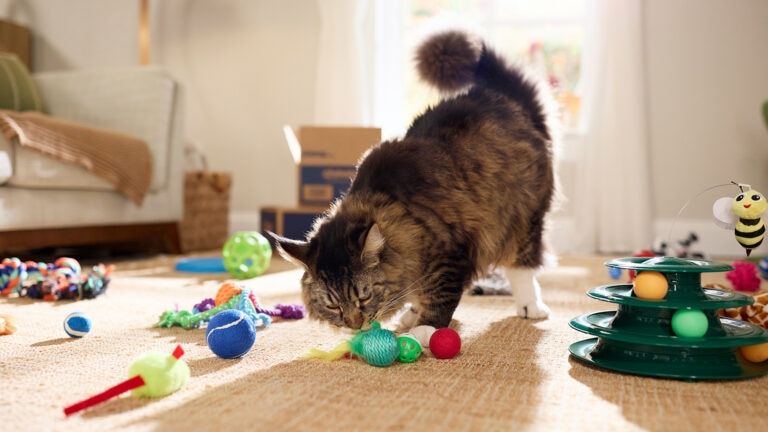
Boredom often makes cats groom too much. Toys, scratching posts, and climbing areas keep cats busy. Create spaces where cats can hide and feel safe. Play with your cat daily to use their energy. A lively environment stops over-grooming by providing fun distractions.
Stress Reduction Techniques
Stress causes grooming as a comfort behavior. Keep a quiet, calm home for your cat. Use pheromone diffusers that help cats feel relaxed. Give your cat a routine for feeding and playtime. Avoid loud noises and sudden changes in the house. A peaceful place reduces anxiety and grooming.
Dietary Adjustments
Food allergies may cause itchy skin and grooming. Switch to hypoallergenic or limited-ingredient cat food. Add omega-3 fatty acids to improve skin health. Fresh water and balanced nutrition keep your cat’s coat shiny. Check with your vet before changing your cat’s diet.
Preventing Excessive Grooming
Preventing excessive grooming in cats is key to keeping them healthy and happy. This behavior often signals stress, allergies, or health issues. Taking steps early can stop it from worsening and protect your cat’s skin and fur.
Understanding the causes helps you create a safe and comfortable space for your pet. Regular care and observation play a big role in prevention.
Regular Vet Checkups
Schedule routine vet visits to catch health problems early. Vets can spot skin infections, allergies, or pain that cause grooming. Early treatment stops excessive licking or biting.
Keep a record of your cat’s grooming habits to share with the vet. This helps find hidden issues fast.
Parasite Control
Fleas, ticks, and mites irritate your cat’s skin. Parasite control is essential to reduce itching and grooming. Use vet-approved treatments regularly to keep pests away.
Check your cat’s fur often for signs of bugs or skin damage. Clean bedding and living areas to remove parasites.
Creating A Calm Environment
Stress can lead to over-grooming. Provide a quiet, safe place where your cat feels secure. Avoid sudden loud noises or changes in routine.
Offer toys and scratching posts to keep your cat busy. Playtime helps reduce anxiety and grooming urges.
Monitoring Behavior Changes
Watch for shifts in your cat’s grooming patterns or mood. Sudden increases in grooming may point to pain or stress. Note any changes in appetite or energy levels.
Early detection of behavior changes allows quick action. Consult a vet if grooming becomes intense or skin damage appears.
Frequently Asked Questions
Why Is My Cat Grooming Excessively?
Excessive grooming in cats can indicate stress, allergies, or skin infections. It may also be a sign of boredom or pain. Monitoring behavior and consulting a vet helps identify the cause and ensures proper treatment.
How Can I Tell If Grooming Is Normal?
Normal grooming is brief and regular, keeping fur clean and healthy. Excessive grooming involves frequent licking, hair loss, or skin irritation. Observing these signs helps differentiate between normal and problematic grooming habits.
Can Excessive Grooming Harm My Cat?
Yes, excessive grooming can cause hair loss, skin wounds, and infections. It may lead to discomfort and worsen underlying health issues. Early intervention is important to prevent serious complications and maintain your cat’s well-being.
What Triggers Excessive Grooming In Cats?
Triggers include stress, anxiety, allergies, parasites, and pain. Environmental changes or medical conditions may also cause over-grooming. Identifying triggers helps in managing and reducing excessive grooming behaviors.
Conclusion
Excessive grooming in cats can signal stress or health issues. Watch your cat’s behavior closely for changes. Seek advice from a vet to rule out medical problems. Small changes in your cat’s environment might help reduce grooming. Remember, early action can prevent bigger problems later.
Keep your cat comfortable and safe every day. Caring well shows your love and keeps your cat happy.

Leave a Reply