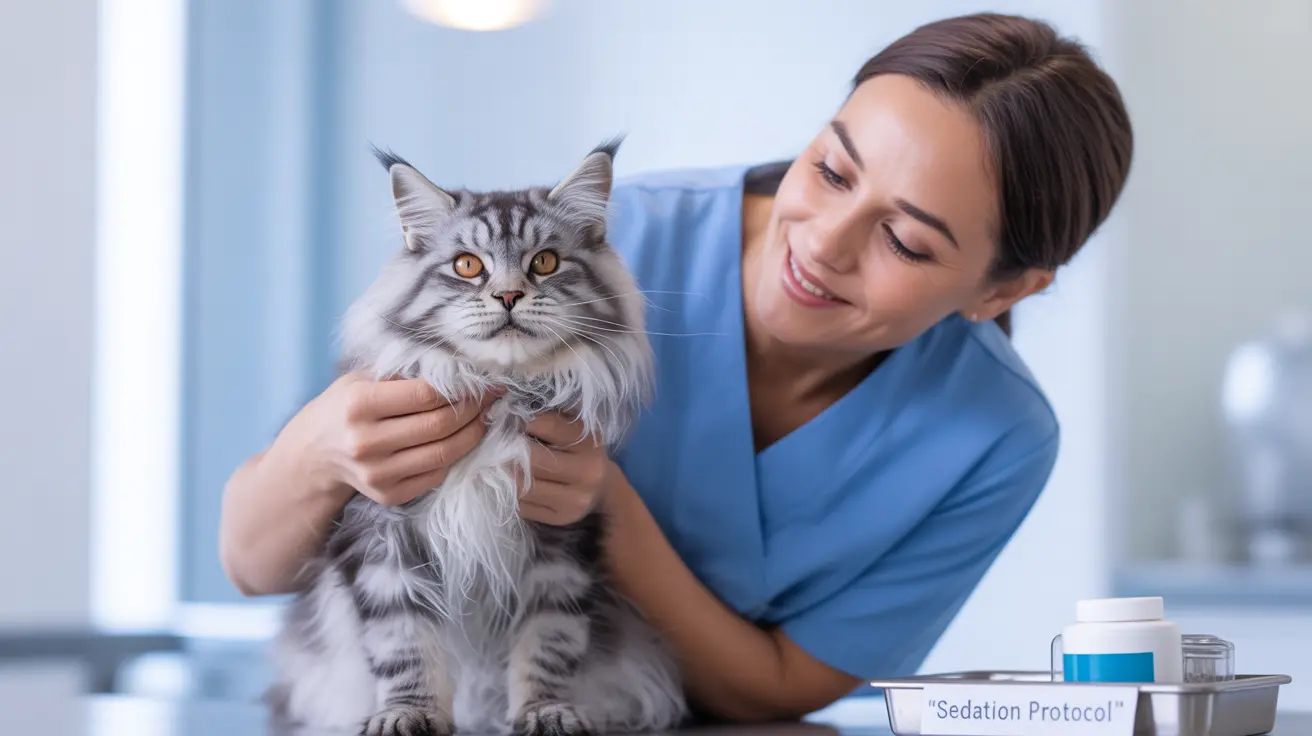
If your cat hates grooming time, you might wonder, “Is it safe to sedate a cat for grooming?” You want your furry friend to look and feel their best without causing stress or harm. But sedation sounds scary, and you probably have many questions.
Can it be done safely? What risks should you know about? This article will guide you through everything you need to understand before making a decision. By the end, you’ll feel confident about what’s best for your cat’s comfort and health.
Keep reading to discover the truth behind cat sedation for grooming.

Credit: www.reddit.com
Reasons For Cat Sedation
Understanding the reasons behind sedating a cat for grooming helps you make informed choices for your pet’s well-being. Sedation isn’t just about convenience; it often addresses specific challenges that could otherwise make grooming unsafe or traumatic for your cat. Let’s look at the common reasons why sedation might be necessary.
Behavioral Challenges
Some cats react aggressively or fearfully during grooming, making it hard to keep them calm and safe. If your cat scratches, bites, or tries to escape, sedation can prevent injuries to both your pet and you. It also helps groomers work efficiently without causing distress to your cat.
Have you noticed your cat’s anxiety rising just at the sight of grooming tools? Sedation can be a practical solution when behavior alone makes grooming impossible.
Medical Conditions
Certain health issues can make grooming painful or risky for cats. Conditions like arthritis, skin infections, or wounds mean your cat may resist grooming due to discomfort. Sedation allows gentle handling without aggravating these problems.
Discussing your cat’s medical history with your vet is essential before considering sedation. This ensures the safest approach tailored to your cat’s needs.
Stress Reduction
Grooming can be a stressful event for many cats, especially those not used to regular care. Sedation helps reduce anxiety and prevents panic during the grooming process. This not only protects your cat’s mental health but also makes future grooming sessions less challenging.
Think about your last experience grooming your cat—was it calm or chaotic? Sedation can transform a stressful ordeal into a more peaceful experience for both of you.

Credit: www.catcarevet.ca
Types Of Sedatives Used
Understanding the types of sedatives used for cat grooming is crucial for ensuring your pet’s safety and comfort. Different medications serve various purposes, and choosing the right one depends on your cat’s health, behavior, and the grooming process itself. Knowing what sedatives are available helps you make informed decisions alongside your veterinarian.
Common Medications
Several sedatives are commonly prescribed to calm cats during grooming. Gabapentinis popular for reducing anxiety without heavy sedation. Alprazolamis another option, often used for mild to moderate sedation.
For deeper sedation, vets may use dexmedetomidineor midazolam. These provide stronger calming effects but require close monitoring. Each medication has unique effects and risks, so never use any without veterinary advice.
Dosage Considerations
Dosage depends on your cat’s weight, age, and health condition. Even a slight overdose can cause serious side effects, while too little might not calm your cat enough. Your vet will calculate the safest dose to balance effectiveness and safety.
It’s important to avoid guessing doses based on previous experiences or other pets. Cats react differently, and what worked last time might not be suitable now. Always consult your vet before administering sedatives.
Administration Methods
Sedatives can be given in various ways depending on your cat’s temperament and the medication type. Oral pills or liquids are common and less invasive but may be hard to give if your cat resists.
In some cases, injections provide faster and more reliable sedation. However, they require a professional’s skill to avoid stress or injury. You might also encounter topical gels or sprays, though these are less common and usually less effective.
Have you ever struggled to keep your cat calm during grooming? Discussing sedation options with your vet might reveal a safer, less stressful solution tailored just for your furry friend.
Risks And Side Effects
Sedating a cat for grooming carries risks like breathing problems and allergic reactions. Side effects may include drowsiness and slow recovery. Always consult a vet to ensure safety and proper care.
Considering sedation for your cat’s grooming session may seem like an easy fix to avoid stress and anxiety. However, it’s crucial to understand the risks and side effects involved. Sedating a cat is not a decision to be taken lightly, and being informed can help you make the best choice for your feline friend.Short-term Reactions
After sedation, some cats might appear disoriented or unsteady. You might notice them wobbling or having difficulty walking. This is a common short-term reaction and usually wears off within a few hours. Other immediate effects can include mild nausea or vomiting. Keeping your cat calm and comfortable will help them recover faster. Always monitor their behavior closely and ensure they have a safe space to rest.Long-term Health Concerns
Frequent sedation can potentially lead to health issues over time. Cats with pre-existing conditions might be at higher risk. Sedation could strain their heart or liver, leading to complications later. It’s essential to discuss your cat’s health history with a vet before opting for sedation. If your cat has a chronic illness, your vet might suggest alternative grooming methods.When To Avoid Sedation
Not every grooming session requires sedation. If your cat has shown severe adverse reactions previously, it’s best to avoid it. Cats with specific health conditions, such as heart disease or respiratory problems, should not be sedated without thorough vet consultation. Consider non-sedative calming techniques like pheromone sprays or gentle handling. These can make the grooming experience less stressful without the need for sedation. How does your cat usually react to grooming, and are there less risky ways to ease their discomfort? Exploring these questions can lead to better decisions for your pet’s well-being.
Credit: www.yahoo.com
Alternatives To Sedation
Choosing sedation for cat grooming can feel like the easiest route, but it’s not always the safest or most comfortable option for your furry friend. Luckily, there are several alternatives that can help make grooming less stressful without needing medication. These options focus on reducing anxiety and improving cooperation, so your cat stays calm and safe throughout the process.
Behavioral Training
Training your cat to accept grooming takes patience, but it pays off in the long run. Start by gently handling your cat’s paws, ears, and fur during calm moments, rewarding them with treats and praise.
Gradually introduce grooming tools like brushes and clippers, letting your cat sniff and explore them before use. Over time, your cat will associate grooming with positive experiences, making the process smoother and safer.
Stress-reducing Techniques
Stress can make grooming a nightmare for both you and your cat. Try creating a quiet, comfortable space for grooming sessions with soft lighting and minimal noise.
You can also use pheromone sprays or diffusers that help calm cats naturally. Playing soothing music or using gentle massage strokes before grooming can relax your cat’s muscles and mind, reducing resistance.
Professional Grooming Options
If home grooming feels overwhelming, consider professional groomers experienced with anxious cats. Many groomers use gentle handling and calming methods tailored to each cat’s needs.
Some groomers offer “cat-only” sessions, which reduce stress by avoiding dog scents and sounds. Choosing a professional can prevent injury and ensure your cat is groomed properly without sedation.
Preparing Your Cat For Sedation
Preparing your cat for sedation is vital for a safe grooming experience. Proper preparation helps reduce risks and ensures your cat stays comfortable. It involves health checks, owner duties, and aftercare steps. Understanding each part can ease your worries and protect your pet.
Pre-sedation Health Checks
Your vet must evaluate your cat before sedation. This includes:
- Checking heart and lung function
- Assessing liver and kidney health
- Reviewing vaccination status
- Discussing any past reactions to sedation
- Confirming current medications or allergies
These checks help the vet choose the safest sedation method. They reduce the chance of complications during grooming.
Owner Responsibilities
Owners play a key role before sedation. Important tasks include:
- Fasting your cat as advised, usually 8-12 hours
- Providing fresh water until a few hours before
- Informing the vet about any health changes
- Keeping your cat calm and stress-free
- Arranging safe transport to and from the vet
Following these steps helps sedation go smoothly. It also protects your cat’s wellbeing.
Post-sedation Care
After sedation, your cat needs gentle care. Watch for:
- Slow or irregular breathing
- Weakness or unsteady movements
- Excessive drooling or vomiting
- Unusual behavior or distress
Keep your cat warm and quiet during recovery. Avoid feeding until fully awake. Contact your vet if you notice any problems. Good aftercare speeds up healing and keeps your cat safe.
Expert Recommendations
Expert advice is crucial when deciding to sedate a cat for grooming. Sedation carries risks that need careful handling. Experts stress the importance of professional guidance and safe procedures. Following trusted recommendations helps protect your cat’s health and comfort.
Consulting Veterinarians
Veterinarians assess if sedation is safe for your cat. They consider age, health, and behavior before approving sedation. A vet can suggest the best sedative and dosage. Regular health checks reduce the risk of complications. Always get a vet’s approval before sedating your cat.
Choosing Qualified Groomers
Qualified groomers have experience with sedated animals. They know how to handle pets gently and safely. Look for groomers who work with vets or have sedation training. Skilled groomers watch for signs of distress during grooming. Trust groomers with good reviews and proper certifications.
Ensuring Safe Practices
Safe sedation means monitoring your cat closely. Groomers and vets should watch breathing and heart rate. Sedation must be done in a quiet, calm environment. Emergency equipment should be ready in case of problems. Never leave a sedated cat alone until fully awake.
Frequently Asked Questions
Is Sedating Cats For Grooming Generally Safe?
Sedating cats for grooming is safe when done by a veterinarian. Proper dosage and monitoring minimize risks. Sedation helps anxious or aggressive cats stay calm during grooming. Always consult your vet to ensure your cat’s health condition supports sedation.
What Are The Common Sedatives Used For Cat Grooming?
Common sedatives include Acepromazine, Gabapentin, and Midazolam. These drugs relax cats and reduce stress during grooming. Vets select sedatives based on the cat’s health and temperament. Proper dosage ensures safety and effectiveness in calming your cat.
How Can I Prepare My Cat For Sedation During Grooming?
Inform your vet about your cat’s medical history and medications. Follow fasting instructions before sedation to prevent complications. Provide a calm environment before and after sedation. Proper preparation helps reduce risks and ensures a smoother grooming experience.
Are There Any Risks Involved In Sedating Cats For Grooming?
Sedation carries minor risks like respiratory or heart issues, especially in older cats. Vets monitor vital signs during sedation to prevent complications. Risks are low with professional care. Always discuss potential risks and benefits with your veterinarian.
Conclusion
Sedating a cat for grooming can be safe with expert care. Always ask your vet before using any sedation method. They know your cat’s health best and can guide you. Never try to sedate your cat alone at home. Watch your pet closely during and after grooming.
Keep your cat calm and comfortable throughout the process. Safety and comfort matter most for your furry friend. Trust professionals to handle sedation and grooming safely. Your cat’s well-being should always come first.



Leave a Reply