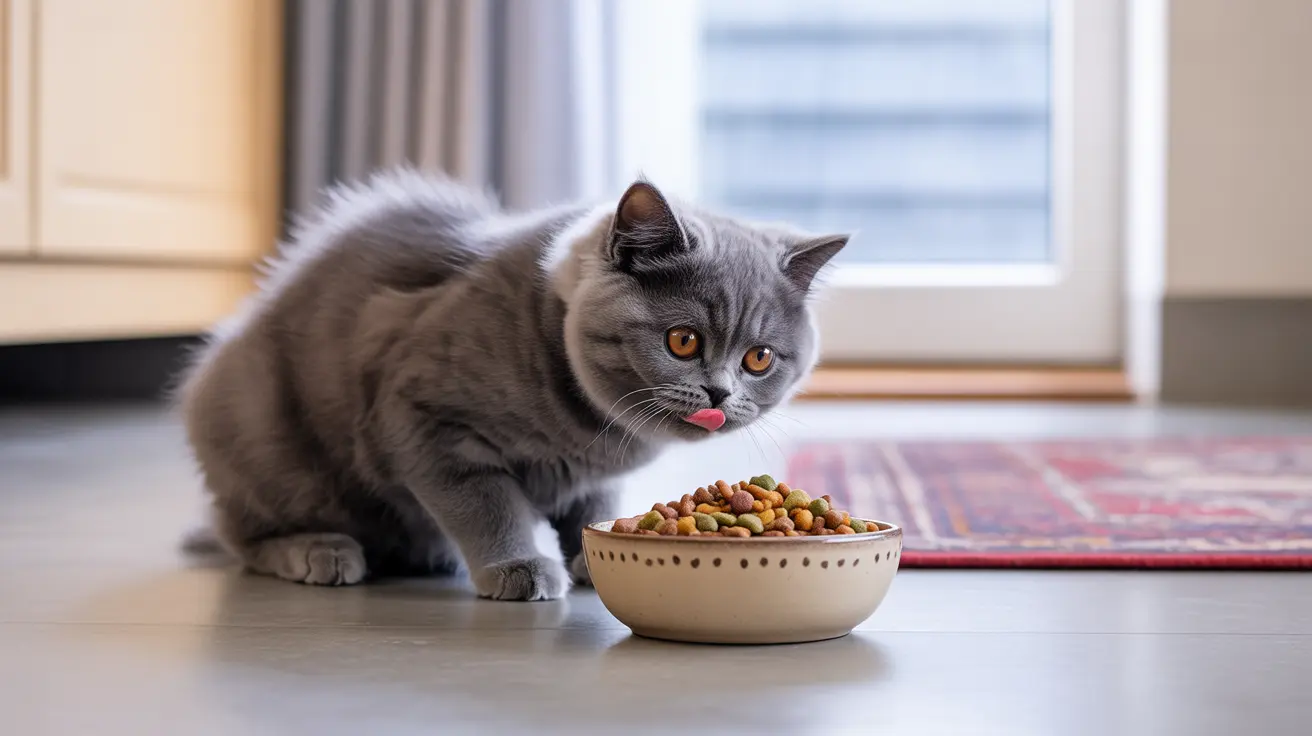
Are you wondering if it’s okay to feed your adult cat kitten food? It’s a common question among cat owners, and the answer might surprise you.
What you feed your cat affects their health, energy, and happiness every day. If you want to make sure your furry friend stays healthy and strong, understanding the difference between kitten and adult cat food is key. Keep reading to find out what’s best for your cat and why feeding the right food matters more than you think.
Nutritional Needs Of Adult Cats
Understanding the nutritional needs of adult cats is essential if you want to keep your furry friend healthy and energetic. Adult cats require a balanced diet that supports their maintenance, activity level, and overall well-being. Feeding them the right food helps prevent health issues and keeps their coat shiny and their muscles strong.
Key Nutrients For Adult Cats
Adult cats need specific nutrients to stay in top shape. Protein is crucial because cats are obligate carnivores—it helps maintain muscle mass and repair tissues. Fat provides energy and supports skin and coat health, while certain vitamins and minerals ensure proper organ function.
Some essential nutrients include:
- Taurine:An amino acid vital for heart and eye health.
- Arginine:Helps remove ammonia from the body.
- Fatty acids:Omega-3 and Omega-6 keep the skin hydrated and coat glossy.
- Vitamins A, D, and E:Support immune function and bone health.
Have you ever noticed your cat’s coat looking dull or their energy dropping? These can be signs they’re missing some of these key nutrients.
Differences Between Kitten And Adult Cat Diets
Kitten food is designed to fuel rapid growth and high energy levels. It contains more calories, protein, and fat than adult cat food. While this helps kittens develop, feeding adult cats kitten food regularly can lead to excess weight gain and nutritional imbalance.
Adult cat diets focus on maintaining weight and providing nutrients that support long-term health. They usually have fewer calories and controlled fat content. This helps prevent obesity, which can cause joint problems and diabetes in cats.
Think about your own eating habits—would you thrive eating the same diet as a child? Your cat’s needs change just like yours do. Feeding the right diet at the right life stage is key to their health and happiness.

Credit: www.whiskas.co.uk
Benefits Of Kitten Food
Kitten food is specially designed to meet the nutritional needs of young cats. While it’s primarily made for kittens, feeding adult cats kitten food can sometimes offer certain benefits. Understanding these advantages can help you decide if it’s a good choice for your cat’s health and lifestyle.
Higher Protein And Calorie Content
Kitten food contains more protein and calories compared to adult cat food. This extra energy supports active cats or those with higher metabolic demands. If your adult cat is very playful or recovering from illness, these nutrients can help maintain their strength and vitality.
Think about your cat’s activity level. Does your cat seem to need more energy? Kitten food could provide that boost without requiring you to add supplements.
Growth And Development Support
Even adult cats can benefit from the nutrients designed for growth and development found in kitten food. Ingredients like DHA support brain and vision health, which are important at any age. Feeding your cat kitten food might help maintain cognitive function and overall well-being.
Have you noticed your cat’s coat looking dull or their energy dropping? The richer nutrient profile in kitten food can address these issues by promoting better health from the inside out.
Potential Risks For Adult Cats
Feeding your adult cat kitten food might seem harmless, but there are potential risks that shouldn’t be overlooked. Just like us, cats have specific dietary needs that change with age. While the idea of spoiling your adult cat with the richer taste of kitten food might be tempting, it could lead to unintended health issues.
Overnutrition And Obesity
Kitten food is formulated to support rapid growth and development, packed with higher calories and fats. For adult cats, consuming such nutrient-dense food can lead to overnutrition. This often results in obesity, putting your feline friend at risk for health problems like diabetes and joint issues.
Have you ever noticed your cat getting a little rounder after helping themselves to your kitten’s leftovers? It’s not just a coincidence. Maintaining a balanced diet is crucial to avoid weight gain that can shorten your cat’s lifespan and decrease their quality of life.
Digestive Issues And Imbalances
Adult cats have different digestive capabilities compared to kittens. Kitten food, which is rich and heavy, might cause digestive issues like diarrhea or vomiting in adult cats. Their digestive systems are not equipped to handle the high levels of protein and fat.
Consider this: if you’ve ever switched your own diet abruptly, you might have experienced some discomfort. The same applies to cats. A sudden change to richer kitten food can upset their stomachs, leading to imbalances in their digestive health.
Is it worth the risk of your cat experiencing these issues just for a taste of kitten food? Your adult cat deserves a diet that supports their health and well-being, tailored to their age and activity level.
When Feeding Kitten Food Might Be Appropriate
Kitten food is packed with extra nutrients and calories designed to support rapid growth. While adult cats usually don’t need this boost, there are specific times when kitten food can actually benefit them. Understanding these situations helps you make informed choices for your cat’s health.
Underweight Or Malnourished Adult Cats
If your adult cat is underweight or recovering from illness, kitten food can offer a helpful nutritional jumpstart. It contains more protein and fat, which can help your cat gain weight safely and build muscle.
Think about a friend whose cat lost weight after surgery. Switching to kitten food under vet guidance helped the cat regain strength quickly. Could your adult cat also benefit from this kind of nutritional support?
Pregnant Or Nursing Cats
Pregnant or nursing cats need extra calories and nutrients to support themselves and their kittens. Kitten food provides the energy and vitamins necessary for healthy pregnancies and milk production.
Feeding kitten food during these stages ensures your cat doesn’t lose weight or become nutrient deficient. Have you checked if your pregnant cat’s diet meets these higher demands?
Alternatives To Kitten Food For Adults
Feeding adult cats kitten food might seem like a simple solution, especially if you already have a supply on hand. However, adult cats have different nutritional needs that kitten food doesn’t fully address. Luckily, there are effective alternatives that support your cat’s health without relying on kitten formulas.
Specialized Adult Cat Formulas
Adult cat formulas are designed to match the specific energy and nutrient needs of mature cats. These diets typically have lower calorie content than kitten food, helping to prevent unwanted weight gain. Plus, they include the right balance of protein, fats, and essential vitamins to maintain your cat’s muscle mass and overall health.
Many brands offer options tailored to different life stages or health conditions, such as indoor cats, senior cats, or those with sensitive digestion. You might notice your cat’s coat becoming shinier and their energy levels stabilizing after switching to a formula made just for adults. Have you checked the label on your cat’s current food lately to see if it fits their age and lifestyle?
Homemade Balanced Diet Options
If you prefer more control over what your cat eats, a homemade diet can be a great alternative. Preparing meals at home lets you avoid fillers and additives often found in commercial foods. However, it’s essential to ensure these meals are nutritionally complete.
Many cat owners successfully prepare meals using a combination of cooked meats, organs, and supplements like taurine, which is vital for heart and eye health. Consulting with a veterinarian or pet nutritionist can help you create a meal plan that meets all your cat’s dietary needs. Would you feel confident preparing your cat’s meals if you had a clear, step-by-step guide?

Credit: www.tippaws.com
Tips For Transitioning Cat Food
Transitioning your cat from one type of food to another requires care and patience. Sudden changes can upset your cat’s stomach or cause refusal to eat. Planning the switch carefully helps your cat adjust smoothly to new flavors and nutrients. Here are some tips to make the food transition easier and safer for your adult cat.
Gradual Change Techniques
Start by mixing a small amount of the new food with the current food. Increase the new food portion slowly over 7 to 10 days. This gradual switch helps your cat’s digestive system adjust. Watch for signs of hesitation or refusal to eat. Offer fresh water to keep your cat hydrated during the transition.
- Begin with 25% new food mixed with 75% old food.
- After 3 days, adjust to 50% new food and 50% old food.
- By day 7 to 10, feed 100% new food.
Keep mealtimes consistent to build a routine. Avoid adding treats or other foods that might confuse your cat’s appetite.
Monitoring Health And Behavior
Observe your cat’s stool, appetite, and energy daily. Look for diarrhea, vomiting, or constipation. Any changes could mean the food switch is too fast or the new food doesn’t agree with your cat. Note any changes in mood or activity levels. A healthy cat stays playful and alert.
Contact your vet if your cat shows signs of illness or refuses food for more than two days. Regular check-ups during the transition help catch problems early. Patience and care ensure your cat’s health stays strong while switching foods.
Expert Opinions And Veterinary Advice
Understanding what experts say about feeding adult cats kitten food can help you make better choices for your pet’s health. Veterinarians and animal nutrition specialists often have clear insights based on research and clinical experience. Their advice helps you avoid common mistakes and ensures your cat gets the right nutrients at every life stage.
Consulting Your Veterinarian
Your veterinarian is the best source of advice for your cat’s diet. They know your cat’s health history and can recommend whether kitten food is suitable or if a specialized adult cat formula is better.
Sometimes, kitten food’s higher calorie and nutrient levels can be too rich for adult cats, leading to weight gain or digestive issues. Your vet can guide you on portion sizes if you choose to feed kitten food temporarily.
Don’t hesitate to ask about signs to watch for, like changes in energy or coat condition, which might indicate your cat isn’t thriving on the current diet. Regular check-ups can help adjust feeding plans as your cat ages.
Common Myths And Facts
Many people believe kitten food is always better because it’s “more nutritious.” This isn’t entirely true. Kitten food is designed to support rapid growth, so it has extra protein and calories that adult cats may not need.
Feeding kitten food long-term to an adult cat can cause problems like obesity and nutrient imbalances. On the other hand, some adult cats with specific health issues might benefit from kitten food under veterinary supervision.
Another myth is that adult cats can switch back and forth between kitten and adult food without issues. Experts warn that sudden diet changes can upset your cat’s stomach and reduce nutrient absorption.
- Myth:Kitten food is always better for adult cats.
- Fact:Kitten food is formulated for growth, not maintenance.
- Myth:Switching between kitten and adult food is harmless.
- Fact:Sudden diet changes can cause digestive upset.
Have you ever noticed changes in your cat’s behavior after switching foods? Monitoring these reactions and discussing them with your vet can help you find the perfect diet balance.
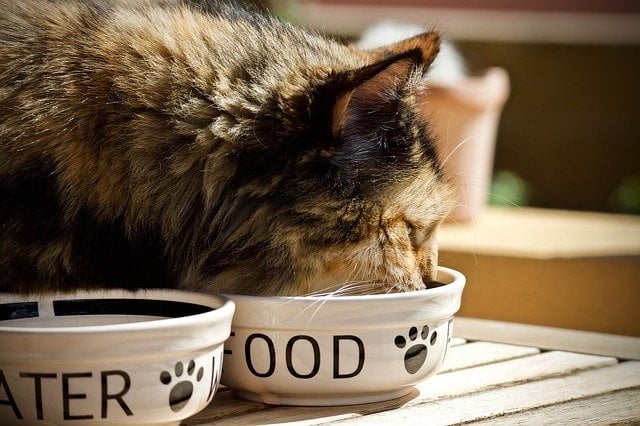
Credit: companion-vets.com
Frequently Asked Questions
Can Adult Cats Eat Kitten Food Safely?
Yes, adult cats can eat kitten food safely, but it is not ideal. Kitten food is richer in calories and nutrients, which may cause weight gain in adults if fed long-term. Use kitten food only occasionally or under veterinary advice.
What Are The Risks Of Feeding Adult Cats Kitten Food?
Feeding adult cats kitten food regularly can lead to obesity and nutrient imbalance. Kitten food contains extra protein and fat, which adult cats need less of. This can cause digestive issues and other health problems over time.
Is Kitten Food Better For Adult Cats With Health Issues?
Kitten food may benefit adult cats recovering from illness or with high energy needs. The extra calories and nutrients can support healing and weight gain. Always consult a vet before switching diets for health reasons.
How To Transition Adult Cats From Kitten To Adult Food?
Transition gradually over 7-10 days by mixing increasing amounts of adult food with kitten food. This helps avoid digestive upset and allows the cat to adjust to new nutrition. Monitor appetite and stool during the change.
Conclusion
Feeding adult cats kitten food is not always the best choice. Kitten food has more calories and nutrients for growing cats. Adult cats need a balanced diet that fits their age and health. Too many calories can cause weight gain and health issues.
Talk to your vet before making any diet changes. Choose food that keeps your cat healthy and happy. Good nutrition supports a long, active life. Remember, each cat is different. Watch how your cat reacts to new food. Healthy meals lead to a happy cat.




Leave a Reply