Have you ever caught your cat grooming itself and wondered, “Is this normal?” Cats spend a lot of time licking their fur, but when does grooming become too much? If you’ve noticed your furry friend grooming more than usual, you might be worried something’s wrong.
Understanding why your cat grooms a lot can help you keep them healthy and happy. Keep reading to discover what’s behind this common behavior and when you should pay extra attention.
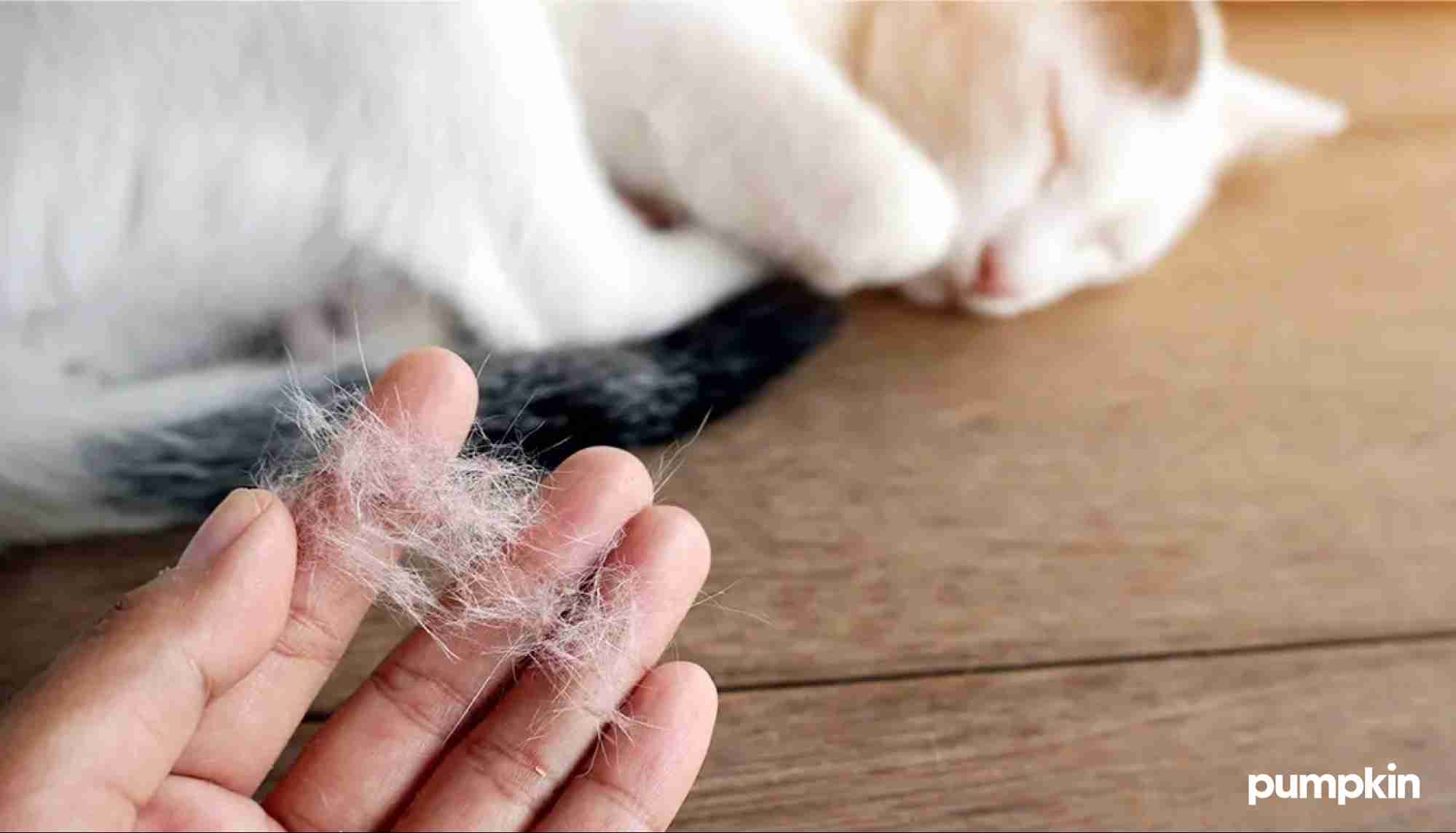
Credit: www.pumpkin.care
Why Cats Groom Themselves
Cats spend a lot of time grooming themselves. This behavior is natural and important. Grooming helps cats stay clean, healthy, and comfortable. Understanding why cats groom explains their habits better.
Natural Instincts Behind Grooming
Grooming is an instinct for cats. They use their tongues to clean their fur. This instinct comes from their wild ancestors. Keeping fur clean helped them stay safe from predators. It also helped them hide by removing dirt and scent.
Grooming also calms cats. It lowers stress and helps them feel relaxed. Cats often groom after eating or when they feel nervous. This shows grooming is more than just cleaning.
Benefits Of Grooming For Cats
- Removes dirt and loose hair
- Prevents matting and tangles
- Distributes natural oils for shiny fur
- Helps control body temperature
- Reduces stress and anxiety
- Strengthens bond when cats groom each other
Grooming keeps cats healthy and comfortable. It also helps them feel safe in their environment. When cats groom, they show care for themselves and others.
How Much Grooming Is Typical
Cats spend a good part of their day grooming. This behavior keeps their fur clean and helps them relax. But how much grooming is normal? Understanding typical grooming habits helps you notice if something is wrong. Grooming varies by cat and situation. Some cats groom more than others, and that can be normal too.
Average Grooming Time Per Day
Most cats groom themselves for about 30 to 50 minutes daily. This time is spread out in short sessions throughout the day. Some cats may groom for less than 20 minutes, while others spend up to an hour. Grooming helps remove dirt, loose fur, and parasites.
Long-haired cats often spend more time grooming. Their thick coats need extra care. Short-haired cats groom less but still keep clean. Kittens also groom less because they are still learning.
Factors Influencing Grooming Frequency
- Age:Older cats may groom less due to arthritis or health issues.
- Health:Skin problems or pain can change grooming habits.
- Stress:Stress or boredom can cause cats to groom more or less.
- Breed:Some breeds have grooming needs based on fur type.
- Weather:Hot weather can increase grooming to cool down.
- Environment:Cats in clean homes may groom less than outdoor cats.
When Grooming Becomes Excessive
Cats usually groom themselves to stay clean and comfortable. Grooming helps remove dirt and loose fur. It also calms them down and lowers stress. But sometimes, grooming can become too much. Excessive grooming may cause harm to your cat’s skin and fur. It can signal an underlying problem that needs attention.
Signs Of Over-grooming
- Bald patches or thin fur in certain areas
- Red, irritated, or raw skin
- Scabs or sores from licking or biting
- Frequent licking of one spot for long periods
- Changes in behavior like restlessness or anxiety
Possible Health Concerns
Over-grooming can be linked to several health issues. Skin allergies often cause itching and discomfort. Parasites like fleas or mites can lead to intense scratching and licking. Pain from injuries or arthritis might make your cat groom a painful area more.
Stress and anxiety also trigger excessive grooming. Changes in environment or routine can upset your cat. Sometimes, medical conditions like infections or hormonal imbalances play a role. Observing these signs helps you act quickly. Consulting a vet ensures proper diagnosis and care.
Medical Conditions Linked To Excess Grooming
Excessive grooming in cats can indicate underlying health issues. Cats naturally groom to stay clean. But, constant grooming might signal a medical condition. Understanding these conditions helps in providing better care for your cat. Explore how skin allergies, parasites, stress, and anxiety can impact grooming habits.
Skin Allergies And Parasites
Skin allergies can cause cats to groom excessively. Allergens like pollen and dust can irritate their skin. Food allergies might also lead to over-grooming. Parasites such as fleas or mites are common culprits too. They cause itching, prompting cats to groom more. Regular vet visits can help diagnose these issues early.
Stress And Anxiety Effects
Stress affects cats’ grooming patterns. Changes in environment or routine can cause anxiety. Cats may groom more to self-soothe. Grooming releases endorphins, which comfort them. Identifying stress triggers can reduce excessive grooming. Providing a stable environment helps manage their stress levels.
Behavioral Reasons For Increased Grooming
When your cat suddenly starts grooming more than usual, it’s often linked to their behavior rather than a health problem. Cats use grooming as a way to manage their feelings and react to their surroundings. Understanding the behavioral reasons behind increased grooming can help you support your cat better and reduce their stress.
Environmental Stressors
Changes in your cat’s environment can trigger extra grooming. New pets, visitors, loud noises, or even rearranged furniture can make your cat feel uneasy.
I once noticed my cat licking her paws obsessively after we moved to a new apartment. It was her way of coping with the unfamiliar sights and sounds around her. Have you observed similar behavior when your cat faces changes at home?
To help, try maintaining a calm and stable environment. Provide quiet spaces where your cat can retreat and feel safe. Consistency in daily routines also lowers stress and reduces grooming caused by anxiety.
Boredom And Attention-seeking
Cats often groom more when they feel bored or lonely. Grooming becomes a self-soothing activity or a way to get your attention.
If your cat starts grooming excessively when you’re busy or away, they might be asking for more interaction. I found that my cat’s grooming decreased when I added daily play sessions and interactive toys.
To keep your cat mentally and physically engaged, try these:
- Rotate toys regularly to keep interest high
- Schedule short playtimes multiple times a day
- Use puzzle feeders to challenge their mind
Could your cat be telling you they need more fun and connection?

Credit: petcube.com
How To Help A Cat That Grooms Too Much
If your cat is grooming more than usual, it might be a sign that they need your help. Excessive grooming can lead to skin problems and distress for your pet. Understanding how to support your cat during this time is key to their health and happiness.
Improving Environmental Enrichment
Sometimes cats groom too much because they are bored or stressed. Adding toys, scratching posts, and interactive play sessions can keep your cat busy and mentally stimulated.
Try setting aside at least 15 minutes a day for active play with your cat. You might notice a decrease in grooming as they focus on fun instead.
Does your cat have a quiet, safe space to relax? Creating a cozy retreat can reduce anxiety, which often triggers over-grooming.
Consulting A Veterinarian
If your cat’s grooming seems obsessive or causes hair loss, see a vet. They can check for allergies, parasites, or skin infections that might be causing discomfort.
Be ready to describe when you notice excessive grooming and any other changes in behavior. This information helps the vet identify the root cause faster.
Have you observed if grooming spikes at certain times or after specific events? Sharing these details could uncover hidden stressors affecting your cat.
Treatment Options
Depending on the diagnosis, treatments can vary from medication to behavior modification strategies. Anti-inflammatory creams or parasite treatments might be prescribed.
In cases of anxiety, your vet might suggest calming supplements or pheromone diffusers. These can help soothe your cat without harsh side effects.
Remember, patience is important. Changes in grooming habits might take weeks to improve, so keep supporting your cat consistently.
Preventing Grooming Problems
Excessive grooming can cause problems like hair loss and skin irritation in cats. Preventing these issues helps keep your cat healthy and comfortable. Paying attention to their grooming habits and overall health is key. Simple steps can reduce the risk of grooming problems before they start.
Regular Health Checks
Frequent visits to the vet help spot skin or health issues early. Cats may groom more due to allergies, fleas, or pain. Regular exams ensure your cat stays free from parasites and infections. Early treatment stops grooming problems from worsening. Keep a close eye on any changes in your cat’s fur or skin.
Managing Stress In Cats
Stress often causes cats to groom excessively. Changes in the home or routine can upset them. Provide a calm and safe environment for your cat. Use toys and playtime to keep them happy and relaxed. Consider pheromone diffusers to reduce anxiety. A relaxed cat grooms less and feels better overall.
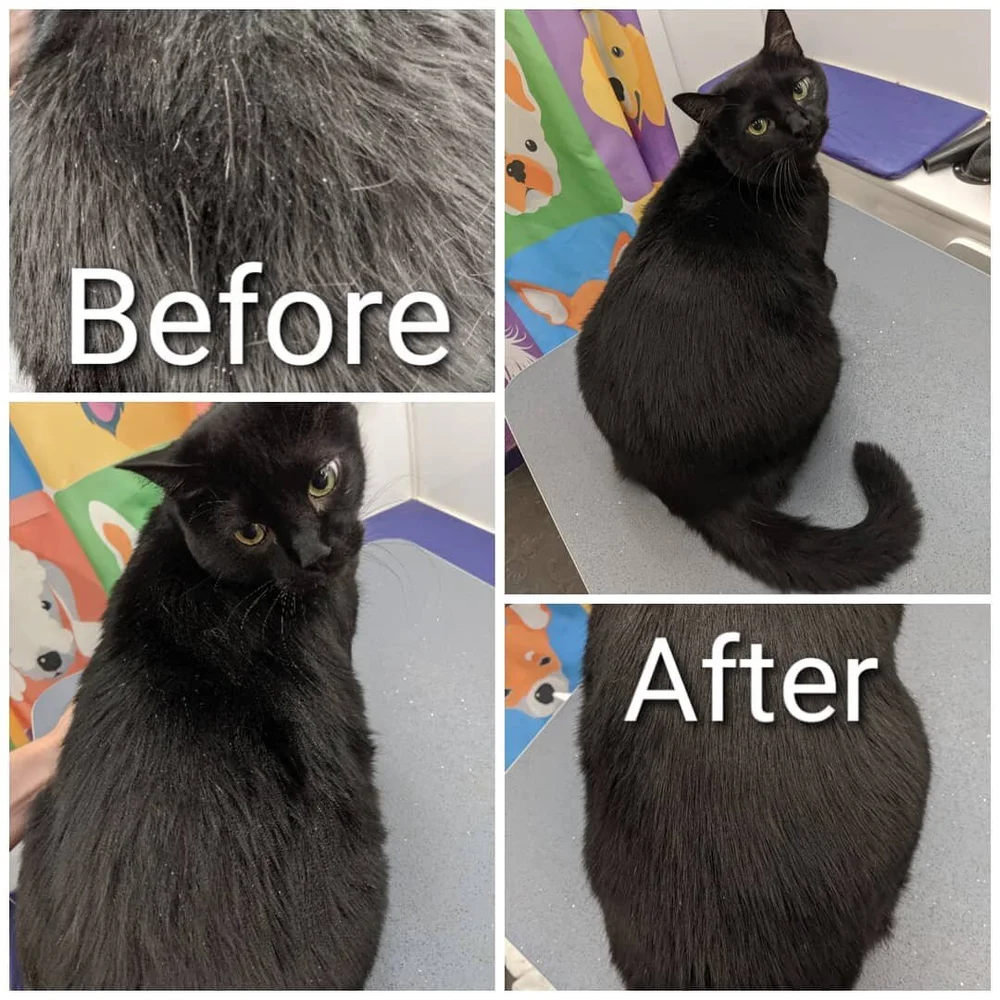
Credit: www.squeakycleangrooming.com
Frequently Asked Questions
Why Does My Cat Groom Excessively?
Excessive grooming may indicate stress, allergies, or skin irritation. It can also be a behavioral response. If grooming causes hair loss or sores, consult a vet for proper diagnosis and treatment.
How Much Grooming Is Normal For Cats Daily?
Cats typically groom themselves for 30-50% of their waking hours. This routine maintains cleanliness and skin health. Occasional licking is normal, but constant grooming might signal a problem.
Can Grooming Be A Sign Of Cat Anxiety?
Yes, grooming can help cats cope with anxiety. Over-grooming often occurs when they feel stressed or bored. Provide enrichment and consult a vet if anxiety persists.
What Health Issues Cause Increased Grooming In Cats?
Skin infections, allergies, parasites, and pain can increase grooming. These conditions make cats lick or scratch more to relieve discomfort. Early vet consultation is important for treatment.
Conclusion
Cats grooming a lot is usually normal and healthy behavior. It helps them stay clean and cool. Sometimes, too much grooming may show stress or health issues. Watch your cat’s habits closely. Changes in grooming need attention. A quick vet visit can solve many problems.
Keep your cat comfortable and happy. Understanding your cat’s grooming helps build a stronger bond. Trust your instincts and care for your pet well.



Leave a Reply