Have you ever watched your cats grooming each other and wondered if it’s a good thing? When your furry friends lick and clean one another, it might seem like just a cute moment.
But there’s more to it than meets the eye. Understanding why cats groom each other can help you know if your pets are happy, healthy, and bonded. Keep reading to discover what this behavior really means and how it affects your cats’ well-being.
You’ll be surprised by what you learn!
Why Cats Groom Each Other
Have you ever watched two cats gently licking each other and wondered why they do it? Cats grooming each other is more than just a cute moment. It reveals important aspects of their relationships and well-being.
Social Bonding Among Cats
Cats use grooming as a way to build and strengthen friendships. When your cats groom each other, they show trust and affection.
This behavior helps them feel secure within their group. It’s like a silent conversation that says, “You’re part of my family.” If you see your cats grooming each other often, it means their bond is strong.
Maintaining Cleanliness
Besides bonding, grooming helps cats stay clean. Some areas, like the back of the neck, are hard for a cat to reach alone.
By grooming each other, cats can keep those tricky spots free of dirt and loose fur. This mutual help keeps their coats shiny and healthy.
Stress Reduction Through Grooming
Grooming isn’t just about cleanliness or friendship; it also helps cats relax. When cats lick each other, it releases calming chemicals in their brains.
This shared grooming can reduce anxiety during stressful times, like after a loud noise or a visit to the vet. Have you noticed your cats grooming more when they seem nervous? It’s their way of comforting each other.
Health Benefits Of Mutual Grooming
Mutual grooming is more than just a bonding activity for cats. It offers several health benefits that help keep them fit and comfortable. When cats groom each other, they support each other’s well-being in natural ways.
Improved Coat Condition
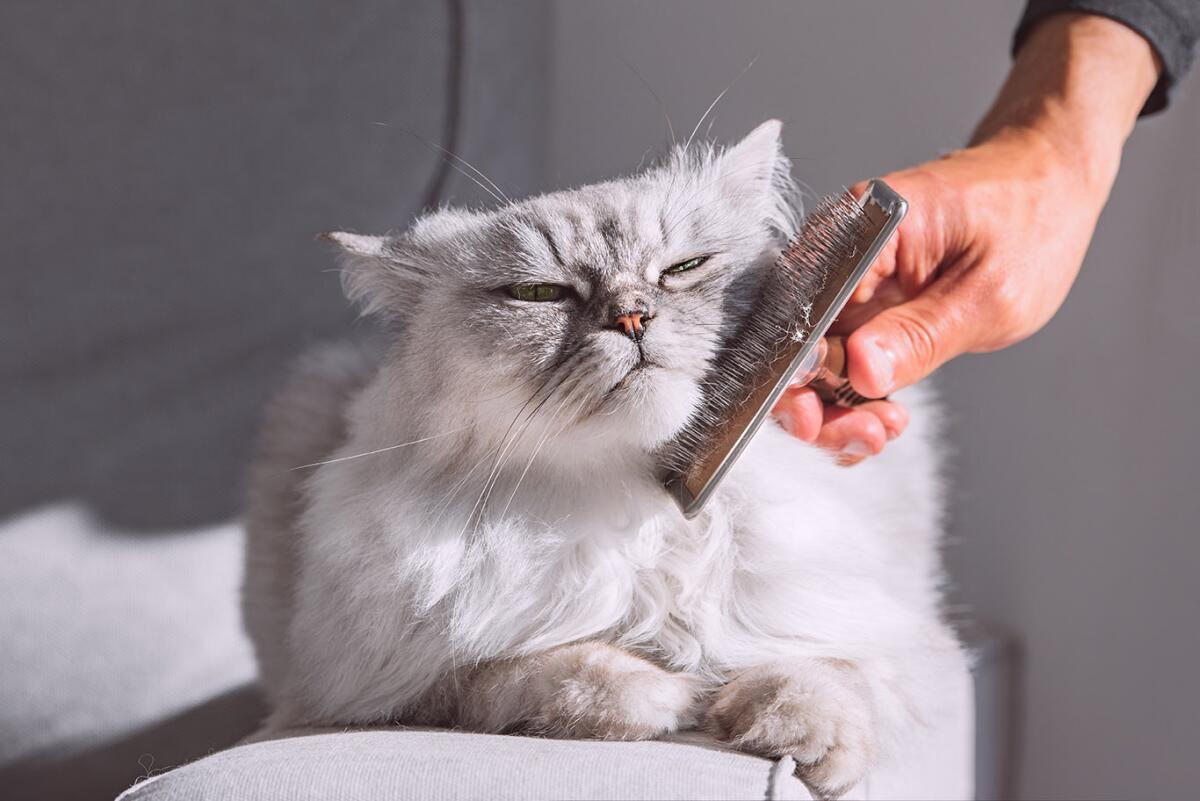
Mutual grooming helps remove loose fur and dirt from the coat. This keeps the fur clean and shiny. Cats reach spots that are hard to clean alone. A well-groomed coat protects the skin underneath.
Parasite Control
Cats can spot and remove parasites like fleas during grooming. Sharing this task reduces parasite buildup. This helps prevent skin irritation and infections. Grooming acts as a natural defense against pests.
Skin Stimulation And Healing
Grooming stimulates blood flow in the skin. This promotes faster healing of minor wounds. It also helps keep the skin healthy and supple. Mutual grooming provides gentle massage that soothes the skin.
Behavioral Signals During Grooming
Cats grooming each other is more than just cleaning. It shows many behaviors and feelings. Watching cats groom can help understand their social bonds. Grooming sends clear signals about their place in the group and their emotions.
Establishing Hierarchies
Grooming helps cats decide who leads. The cat that grooms more often may have higher status. The one being groomed shows trust and respect. This behavior keeps peace in the group. It stops fights by showing who is in charge.
Expressing Affection
Mutual grooming is a way cats say “I like you.” It strengthens friendships and family ties. Cats groom close friends and relatives more. It makes them feel safe and calm. This shared care builds a strong bond.
Conflict Resolution
After a disagreement, cats may groom each other. It helps calm anger and stress. Grooming acts like an apology or peace offer. This behavior repairs relationships quickly. It prevents future fights and keeps harmony.
When Grooming Becomes A Problem
Grooming between cats usually shows a strong social bond, but sometimes it can signal a problem. When grooming turns excessive or aggressive, it’s a sign that something isn’t right. Understanding when grooming crosses the line helps you protect your cats’ well-being.
Overgrooming And Stress
Overgrooming happens when one cat licks or cleans another too much, sometimes causing bald spots or irritated skin. This behavior often points to stress or anxiety. Have you noticed your cat grooming a friend nonstop after a change in the home? That’s a red flag that stress might be building up.
Stress can come from many sources—new pets, loud noises, or even changes in routine. If you see overgrooming, consider what might be upsetting your cats and try to reduce those triggers.
Aggression Linked To Grooming
Not all grooming is gentle. Sometimes, what starts as grooming can shift into aggressive behavior. This might include biting or scratching under the guise of cleaning. If your cats suddenly seem tense or one tries to escape the grooming session, watch closely.
This aggressive grooming can be a sign of dominance struggles or frustration. It’s important to separate the cats if you see signs of aggression and give them space to calm down.
Signs To Watch For
- Red or raw skin patches where grooming occurs
- One cat repeatedly trying to avoid the other
- Growling, hissing, or swatting during grooming
- Changes in appetite or behavior after grooming sessions
- Hair loss or unusual bald spots
Have you noticed any of these signs in your cats? Early detection helps prevent deeper issues. Observe your cats carefully and step in if grooming seems to cause harm rather than comfort.
Encouraging Healthy Grooming Habits
Cats grooming each other helps keep their fur clean and strengthens their bond. This shared activity promotes trust and comfort between them. It also supports healthy skin by removing dirt and loose hair.
Encouraging Healthy Grooming Habits Cats grooming each other is not only adorable but also essential for their health and social bonding. Encouraging these habits can strengthen the relationship between your feline friends and ensure they live a happy and stress-free life. But how can you create an environment that fosters such positive interactions?Creating A Calm Environment
A peaceful home sets the stage for healthy grooming habits. Consider providing plenty of spaces where your cats can relax without disturbance. Soft, cozy spots and high perches allow your pets to feel secure and at ease, which can encourage more grooming between them. Observe your cats’ favorite spots and try to create similar areas throughout your home. Providing enough resources, like litter boxes and food bowls, can prevent territorial disputes, keeping your cats calm and more likely to groom each other.Introducing New Cats Gradually
Bringing a new cat into the home can be a delicate process. Introduce them slowly to avoid stress and potential conflicts. Allow them to get used to each other’s scent before face-to-face interactions. Use a barrier like a door or a baby gate, so they can see and smell each other without direct contact. Gradually increase their time together, supervised, to build their comfort and trust.Using Positive Reinforcement
Reward your cats for displaying positive grooming behaviors. Use treats, praise, or gentle petting to encourage these interactions. Positive reinforcement makes the experience enjoyable for them and reinforces the behavior. Pay attention to their body language to ensure they’re comfortable. If they seem tense or anxious, give them space and try again later. Over time, your encouragement can lead to a harmonious grooming routine between your feline companions.Frequently Asked Questions
Why Do Cats Groom Each Other?
Cats groom each other to strengthen social bonds and show affection. It helps reduce stress and maintain group harmony. Grooming also keeps their fur clean and free from parasites. This behavior is common among cats that share a close relationship.
Is Mutual Grooming Healthy For Cats?
Yes, mutual grooming is healthy for cats. It promotes cleanliness, reduces stress, and improves their emotional well-being. Grooming helps remove loose fur and dirt, preventing skin issues. It also reinforces trust and comfort between cats living together.
Can Grooming Prevent Cat Fights?
Mutual grooming can reduce cat fights by promoting bonding and trust. It helps cats feel secure and less territorial. Grooming signals acceptance and peaceful intentions, lowering aggression risks. Cats that groom each other tend to coexist more harmoniously.
Does Grooming Indicate Cat Friendship?
Yes, grooming is a strong indicator of friendship between cats. It shows mutual trust and affection. Cats groom only those they feel close to, reinforcing social connections. Grooming strengthens their relationship and creates a supportive social environment.
Conclusion
Cats grooming each other shows trust and friendship. It helps keep their fur clean and healthy. Grooming also lowers stress and builds strong bonds. Watching cats groom is calming and sweet. This behavior means they feel safe and happy together.
Pet owners should encourage gentle grooming between cats. It’s a natural way for cats to connect and care. Overall, grooming each other is a good sign for cats. It strengthens their relationship and well-being every day.

Leave a Reply