Have you ever watched your cat carefully licking its fur and wondered what it really means? Grooming is more than just a routine for cats—it’s a window into their feelings.
If you want to understand your furry friend better, knowing whether grooming is a sign of a happy cat can change the way you connect with them. Keep reading, and you’ll discover surprising insights that can help you spot your cat’s true emotions and strengthen your bond like never before.
Why Cats Groom Themselves
Cats spend a lot of time grooming themselves. This behavior is natural and important. Grooming helps cats in several key ways that keep them healthy and comfortable. Understanding why cats groom can tell us a lot about their happiness and wellbeing.
Natural Instincts
Grooming is an instinct for cats. They learn it early as kittens. It helps them stay clean and safe. Grooming removes dirt and loose fur from their bodies. It also hides their scent from predators. This instinct has kept cats alive in the wild for thousands of years.
Hygiene And Health
Grooming keeps a cat’s skin and fur healthy. It helps stop fleas and ticks from settling. Cats also use grooming to heal minor wounds. Their saliva has some antibacterial properties. Grooming helps spread natural oils that protect the fur and skin.
Temperature Regulation
Cats use grooming to control their body temperature. When they lick their fur, saliva evaporates and cools them down. This is especially useful on hot days. Grooming also helps fluff up fur to trap heat in cold weather. It acts like a natural thermostat for cats.
Grooming And Cat Emotions
Understanding your cat’s grooming habits can reveal a lot about their emotional state. Grooming is more than just keeping clean; it reflects how your cat feels inside. Watching how and when your cat grooms can help you read their mood and wellbeing better.
Signs Of Contentment
When a cat grooms calmly and regularly, it often means they feel safe and relaxed. You might notice them licking their fur with slow, deliberate strokes. This behavior usually happens in quiet, comfortable environments where your cat feels secure.
If you see your cat gently cleaning their paws and face after eating or resting, it’s a good sign they are content. Their body language will be loose, with soft eyes and relaxed ears. Have you ever caught your cat grooming right next to you? That’s a strong sign of trust and happiness.
Stress And Overgrooming
Not all grooming is a sign of happiness. Sometimes, cats groom excessively when they feel stressed or anxious. This overgrooming can lead to bald patches or sore skin, which is a warning sign your cat needs help.
Stress triggers like changes in environment, loud noises, or conflicts with other pets can cause this behavior. If your cat is grooming nonstop, consider what might be bothering them. Have you checked if their space feels safe and calm?
Grooming As A Comfort Behavior
Grooming can act as a self-soothing tool for cats during uneasy moments. Just like how humans might bite their nails or pace, cats lick themselves to calm down. This behavior often appears after a stressful event or when they feel lonely.
When you see your cat grooming in these situations, it’s their way of coping. You can help by providing a quiet spot or extra affection to ease their tension. How often does your cat groom after a vet visit or a loud thunderstorm?
When Grooming Indicates Problems
Grooming is usually a sign of a happy and healthy cat. It helps them stay clean and calm. Yet, sometimes grooming can signal problems. Paying attention to changes in grooming habits is important. It can help spot health or behavior issues early.
Excessive Grooming Issues
Too much grooming is a red flag. Cats may lick or bite their fur nonstop. This can cause bald spots or sores. Excessive grooming often means discomfort or stress. It is not normal and needs attention.
Skin Problems And Allergies
Skin problems often cause cats to groom more. Allergies, fleas, or infections can make skin itchy. Cats try to soothe themselves by licking. Watch for redness, bumps, or scabs. These signs suggest a visit to the vet.
Behavioral Concerns
Grooming can also reflect a cat’s mood. Some cats groom too much when anxious or bored. They may use grooming to feel safe. Sudden changes in grooming habits may mean stress. Understanding your cat’s feelings helps improve their well-being.
Social Grooming Among Cats
Social grooming among cats is more than just a way to stay clean. It plays a crucial role in how cats communicate and connect with each other. Watching cats groom one another can reveal a lot about their relationships and emotional states.
Bonding And Affection
When cats groom each other, it often shows a strong bond between them. Grooming is a way for cats to express affection and trust. If your cats groom each other, it means they feel safe and comfortable together.
Have you noticed your cats licking each other’s faces or heads? This behavior is a clear sign of friendship and love. It helps them feel close and reduces stress.
Hierarchy And Territory
Grooming also plays a role in establishing social order. In a group, dominant cats often groom others to assert their position. This doesn’t mean aggression but a way to maintain peace and respect.
Sometimes, the cat being groomed will accept or even initiate grooming to show submission. You can see this in multi-cat households where one cat takes on a “leader” role.
Mutual Grooming Benefits
Mutual grooming offers practical benefits too. Cats help each other reach spots they can’t clean easily, like the back of the neck. This keeps their fur healthy and free of parasites.
Besides hygiene, grooming lowers anxiety and strengthens social ties. When you see cats grooming together, it’s a sign they enjoy each other’s company and feel happy.
Observing Grooming To Gauge Cat Happiness
Observing a cat’s grooming habits can reveal its happiness. Cats are known for their meticulous grooming routines. These habits are not just about cleanliness. They can be a window into a cat’s emotional state. A happy cat often displays consistent grooming patterns. Let’s delve deeper into how grooming reflects a cat’s happiness.
Normal Grooming Patterns
Cats typically groom themselves several times a day. This routine includes licking their fur, cleaning their paws, and even chewing nails. A regular grooming cycle shows comfort and stability. Cats also use grooming to regulate body temperature and reduce stress. Pay attention to these normal behaviors for signs of happiness.
Changes To Watch For
Changes in grooming habits can signal issues. Over-grooming or excessive licking may indicate stress or skin problems. If a cat stops grooming, it could be unwell or unhappy. Look for bald spots or irritated skin as warning signs. Sudden changes in grooming should prompt a visit to the vet.
Other Signs Of A Happy Cat
Happiness in cats shows in more than grooming. A content cat often purrs softly and seeks affection. Playfulness and a healthy appetite are also positive indicators. Look for relaxed body language and bright eyes. Together, these signs paint a picture of a happy feline. Observing these cues helps ensure your cat’s well-being.
Tips To Encourage Healthy Grooming
Encouraging your cat to groom healthily can make a big difference in their happiness and well-being. Grooming isn’t just about keeping clean—it’s a sign your cat feels safe and content. Helping your cat maintain this habit supports their physical health and strengthens your bond.
Regular Brushing
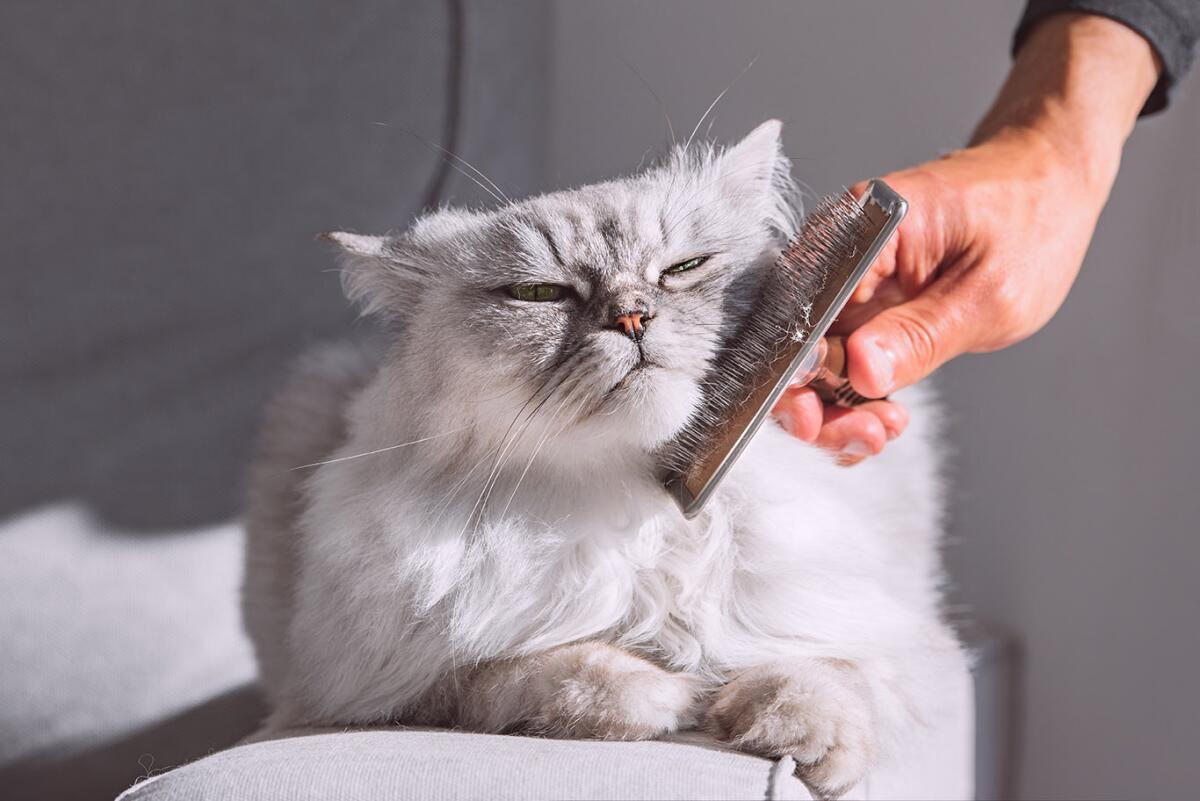
Brushing your cat regularly helps remove loose fur and prevents mats, especially for long-haired breeds. Use a brush suited to your cat’s fur type and brush gently to avoid discomfort. You might notice your cat relaxing or even purring during brushing—it’s a sign they enjoy the attention.
Try setting a brushing routine that fits your schedule. Short, consistent sessions work better than occasional long ones. Have you tried brushing your cat in different rooms or times of day to find their favorite spot?
Creating A Stress-free Environment
Cats often stop grooming when they feel stressed or anxious. Make sure your cat has a quiet, safe space where they can relax without disturbances. Reducing loud noises and sudden changes can help your cat feel more secure.
Observe your cat’s behavior—are there triggers that make them uneasy? Removing or minimizing these can encourage them to groom naturally. Remember, a calm cat is more likely to take care of their coat.
Veterinary Care
Sometimes, a drop in grooming can signal health issues like skin infections, dental pain, or arthritis. Regular vet check-ups catch problems early, keeping your cat comfortable and willing to groom. Don’t hesitate to consult your vet if you notice any grooming changes.
Your vet can also recommend special shampoos or treatments for skin conditions that interfere with grooming. Have you noticed any spots your cat avoids licking? This might be a sign your vet should examine.
Frequently Asked Questions
Why Do Cats Groom Themselves Frequently?
Cats groom themselves to stay clean, regulate body temperature, and reduce stress. Frequent grooming often indicates contentment and good health in cats.
Can Grooming Show A Cat’s Happiness Level?
Yes, regular grooming typically signals a happy, relaxed cat. It reflects comfort in their environment and emotional well-being.
Is Over-grooming A Sign Of Stress In Cats?
Over-grooming can indicate anxiety, skin problems, or allergies. It’s important to observe your cat’s behavior and consult a vet if needed.
How Does Grooming Affect A Cat’s Social Behavior?
Cats groom to bond with other cats and humans. Social grooming strengthens relationships and shows affection and trust.
Conclusion
Grooming often shows a cat feels safe and calm. Cats clean themselves to stay healthy and relaxed. When your cat grooms regularly, it usually means they are happy. Sometimes grooming helps cats feel less stressed or bored. Watch your cat’s habits to understand their mood better.
A balanced grooming routine is a good sign of well-being. Pay attention to changes in grooming to catch problems early. Happy cats tend to take care of themselves with ease. Trust your cat’s grooming as a simple, natural way to show contentment.

Leave a Reply