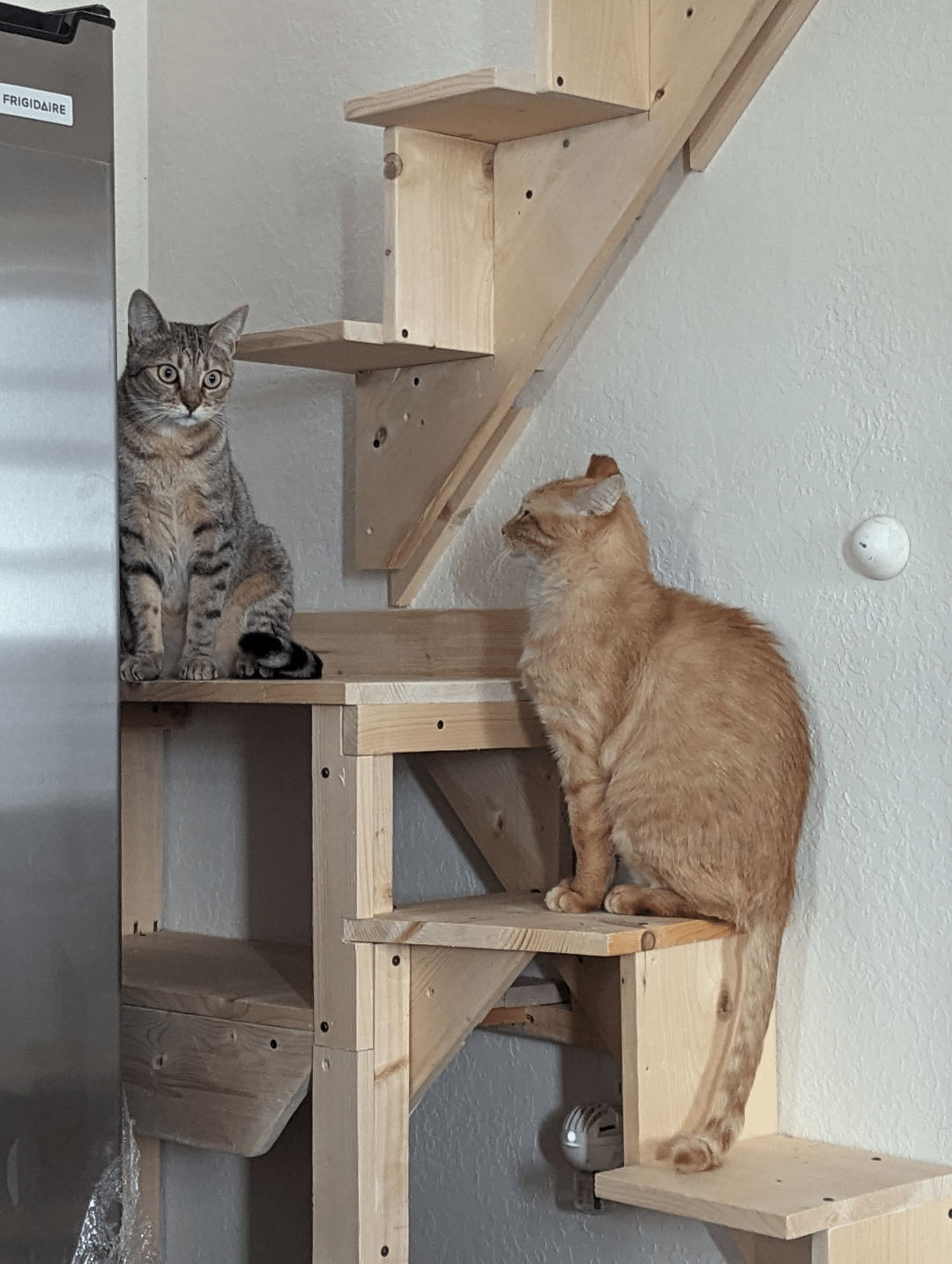
Are you worried that your cat’s favorite toys might carry hidden dangers? You’ve probably heard about FIV, a serious virus that affects cats, and now you’re wondering if those fun playthings could be a source of infection.
Understanding how FIV spreads is key to keeping your furry friend safe and happy. You’ll discover the facts about FIV transmission and whether cat toys play a role. Keep reading to protect your cat and enjoy worry-free playtime together.

Credit: justcatsclinic.com
What Is Fiv?
Feline Immunodeficiency Virus, or FIV, is a disease that affects cats much like HIV affects humans. It attacks the immune system, making your cat more vulnerable to infections and other illnesses. Understanding what FIV is will help you protect your feline friend and recognize signs early.
Causes And Transmission
FIV is caused by a virus that specifically targets cats. It spreads primarily through deep bite wounds, which is why outdoor cats or those who fight with others are at higher risk.
It’s important to note that casual contact, like sharing food bowls or grooming, usually doesn’t spread FIV. The virus doesn’t pass through the air or by touching toys, so your cat’s favorite playthings aren’t a risk factor.
Symptoms In Cats
FIV symptoms can be subtle and vary widely. Early on, you might notice mild fever, swollen lymph nodes, or lethargy.
As the disease progresses, your cat may develop persistent infections, weight loss, poor coat condition, and dental problems. If your cat is showing any unusual signs, a vet check is crucial to catch FIV or other health issues early.
Common Fiv Transmission Myths
FIV, or Feline Immunodeficiency Virus, often raises many questions among cat owners, especially about how it spreads. Misunderstandings and myths can cause unnecessary worry or lead to poor care decisions. Clearing up these common myths helps you protect your cat better and live more peacefully with FIV-positive cats.
Can Fiv Spread Through Toys?
A common fear is that FIV can be passed through shared cat toys. The truth is, FIV is not transmitted through casual contact or objects like toys, bowls, or litter boxes.
The virus requires direct exchange of bodily fluids, primarily through deep bite wounds. So, if your cats are playing or sharing toys without aggression, the risk is virtually zero.
Have you noticed your cats sharing toys without any problems? That’s a good sign that FIV is not spreading this way.
Other Misconceptions
- FIV spreads through grooming:While cats groom each other, FIV is not passed through saliva in normal grooming. It needs a stronger means like a bite wound.
- All FIV-positive cats get sick fast:Many live healthy, happy lives for years without symptoms.
- FIV is contagious like a cold:It doesn’t spread through the air or casual contact.
Understanding these points can help you avoid unnecessary isolation of your cat. How would your care routine change if you knew FIV isn’t as easily spread as you thought?
How Fiv Actually Spreads
Feline Immunodeficiency Virus (FIV) spreads mainly through direct contact. Understanding how the virus passes between cats helps prevent its transmission. The virus does not spread through casual contact like sharing food bowls or cat toys. FIV requires specific ways to enter a cat’s body.
Bites And Scratches
The most common way FIV spreads is through deep bite wounds. Fighting cats often bite each other, allowing the virus to pass through saliva. Scratches alone rarely spread FIV unless contaminated with infected saliva. Outdoor and aggressive cats face higher risks due to more fights.
Mother To Kitten
FIV can pass from an infected mother to her kittens. Transmission happens during birth or through nursing. The risk is lower compared to bites but still possible. Early testing of kittens helps catch the virus before symptoms appear.
Blood Transfusions
FIV spreads through infected blood during transfusions. Using blood from an infected cat transfers the virus directly. Vet clinics test donor cats carefully to avoid this risk. Always ensure blood transfusions come from FIV-negative cats.
Credit: poainc.org
Safety Of Cat Toys
Ensuring the safety of cat toys is essential, especially when considering concerns about FIV transmission. While FIV cannot be passed through toys, unsafe toys themselves can cause injuries or health issues. Understanding what makes a cat toy safe can help you protect your feline friend while keeping playtime fun and worry-free.
Material And Design Factors
Choose toys made from non-toxic, durable materials that won’t easily break apart. Avoid small parts or loose pieces that your cat could swallow or choke on. Soft fabrics, natural rubber, and sturdy plastic are often safer choices.
Sharp edges or poorly constructed toys can cause cuts or scratches. Look for toys with smooth finishes and strong stitching. If you notice any wear or damage, replace the toy immediately to prevent accidents.
Cleaning And Hygiene Tips
Regular cleaning of cat toys reduces the risk of bacteria and germs. Wash fabric toys in warm, soapy water and air dry them thoroughly. Hard toys can be wiped down with pet-safe disinfectants.
Rotate toys to keep your cat interested and to allow time for cleaning. Have you checked your cat’s favorite toy lately? A quick inspection can prevent hidden dangers and keep playtime safe and healthy.
Preventing Fiv In Multi-cat Homes
Cat toys do not spread FIV since the virus passes mainly through deep bite wounds. Keeping toys clean helps avoid other infections but is not linked to FIV transmission. Sharing toys is safe among cats without aggressive behavior.
Preventing FIV in Multi-Cat Homes Preventing Feline Immunodeficiency Virus (FIV) in homes with multiple cats is crucial for maintaining a healthy environment. FIV is primarily spread through deep bite wounds, so keeping your cats safe involves minimizing conflicts and monitoring their interactions. Implementing preventive measures ensures that all your feline companions remain healthy and happy.Isolation And Monitoring
When introducing a new cat to your home, consider isolating them initially. This allows you to monitor their health and behavior before they interact with your other cats. A friend once shared how this step helped identify a health issue early, preventing potential spread to her other pets. Keep an eye on your cats’ interactions. Do they show signs of aggression or discomfort? Observing these behaviors can provide early warnings, helping you take action before any serious issues arise.Regular Veterinary Checkups
Schedule regular veterinary checkups for all your cats. These visits are essential for catching any early signs of FIV or other health concerns. A simple blood test can provide peace of mind, ensuring your cats are in good health. Discuss with your vet any changes in behavior or health you’ve noticed. Your observations combined with professional advice can create a comprehensive care plan tailored to your cats’ needs. Regular checkups aren’t just about vaccinations; they are a proactive way to keep your feline family safe. Are you taking these steps to safeguard your multi-cat home from FIV? Implementing these practices can make all the difference in your cats’ health and happiness.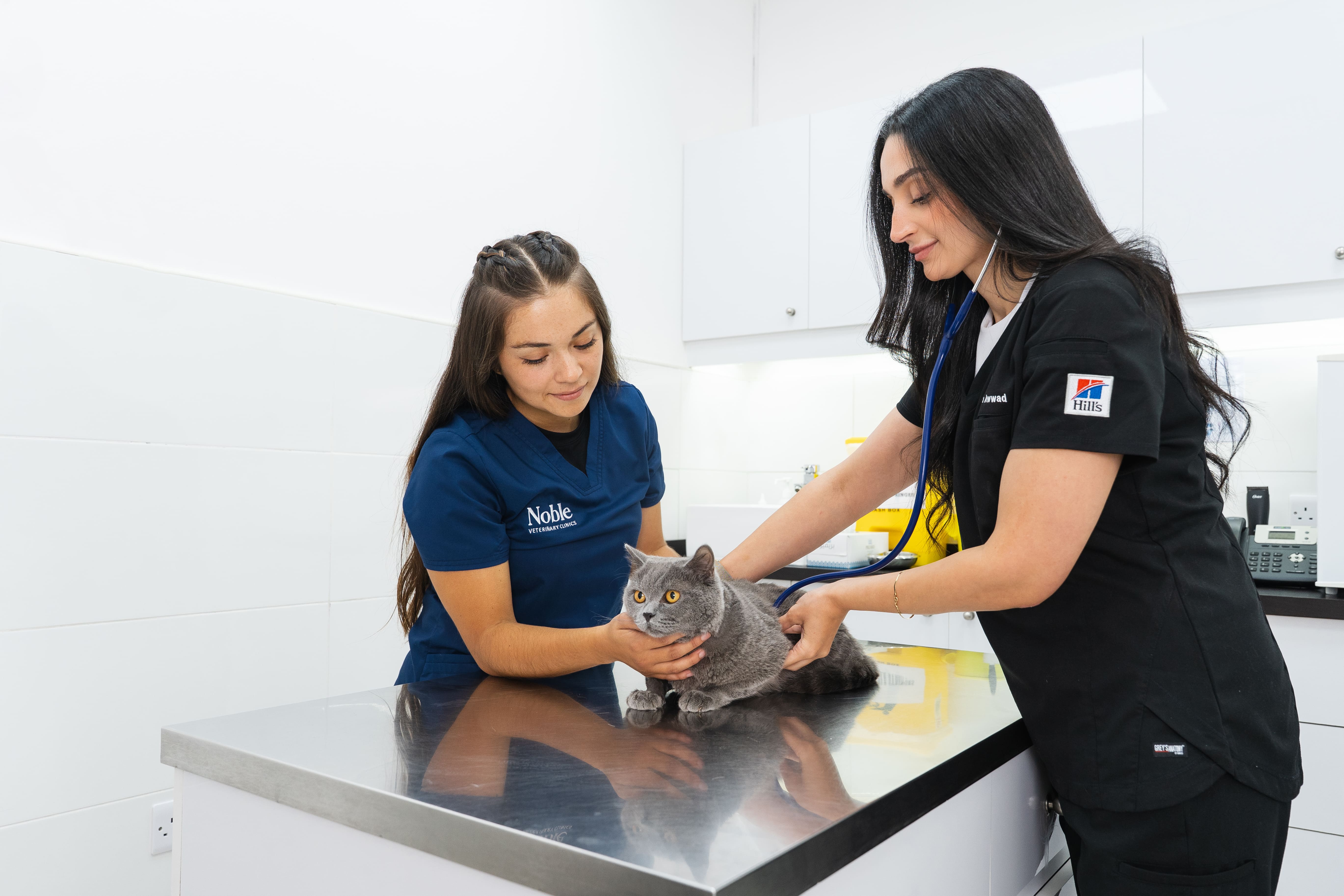
Credit: noblevetclinic.com
When To Consult A Vet
Knowing when to seek veterinary care is vital for your cat’s health. FIV, or Feline Immunodeficiency Virus, can weaken a cat’s immune system. Early detection helps manage symptoms and prevents complications. Watch for unusual signs and act quickly to protect your pet.
Signs Of Fiv Infection
- Loss of appetite and weight
- Swollen lymph nodes
- Recurring infections or wounds
- Gum inflammation and mouth sores
- Persistent fever
- Difficulty breathing or coughing
- Diarrhea or digestive problems
- Behavior changes like lethargy or hiding
Testing And Diagnosis
A vet will perform blood tests to detect FIV antibodies. These tests are simple and quick. Positive results need confirmation with additional tests. Early diagnosis allows better care and infection control. Regular check-ups help monitor your cat’s health over time.
Frequently Asked Questions
Can Fiv Be Transmitted Through Cat Toys?
No, FIV (Feline Immunodeficiency Virus) is mainly spread through deep bite wounds. Sharing toys rarely causes transmission. However, keeping toys clean is essential to prevent other infections.
Are Cat Toys Safe For Fiv Positive Cats?
Yes, cat toys are safe for FIV positive cats. They help stimulate mental and physical activity. Just ensure toys are clean and free from sharp edges to avoid injury.
Can Fiv Survive On Cat Toys?
FIV does not survive long outside a cat’s body. The virus quickly becomes inactive on surfaces like toys. Regular cleaning reduces any minimal risk of contamination.
Should I Isolate Fiv Cats From Others’ Toys?
It’s best to avoid sharing toys between FIV positive and healthy cats. This minimizes any risk of indirect transmission and reduces stress for all cats involved.
Conclusion
FIV cannot spread through cat toys. The virus spreads mainly through bites. Sharing toys is safe if cats get along well. Keep toys clean to avoid other infections. Always watch your cats play to prevent fights. Protect your pets by knowing how FIV spreads.
Playtime can stay fun and safe for all cats. Understanding this helps keep your cats healthy and happy.




Leave a Reply