Is your older cat dealing with diarrhea? You might be wondering if this is just a minor issue or a sign of something more serious.
Diarrhea can be more than just an upset stomach, especially in older cats. It could point to underlying health problems that need your attention. Understanding what diarrhea means for your senior feline’s health is crucial. Keep reading to discover why diarrhea happens, when it’s a warning sign, and what you can do to help your beloved pet feel better.
Causes Of Diarrhea In Older Cats
Diarrhea in older cats can signal various health issues. Understanding the causes helps in addressing the problem quickly. The digestive system in senior cats changes with age, making them more sensitive to certain triggers.
Several factors can lead to diarrhea, ranging from diet to chronic illnesses. Identifying the root cause is crucial for proper treatment and care. Below are common causes that affect older cats.
Dietary Changes And Sensitivities
Older cats often develop food sensitivities or allergies. Sudden changes in diet can upset their stomachs. New ingredients or low-quality food may cause diarrhea. Aging cats may need special diets to support digestion. Monitoring what your cat eats helps prevent digestive issues.
Infections And Parasites
Bacterial, viral, and fungal infections can cause diarrhea. Parasites like worms also disrupt digestion. Older cats have weaker immune systems, making infections more likely. Regular vet check-ups and parasite control are essential. Early detection stops infections from worsening.
Chronic Diseases Impacting Digestion
Chronic illnesses such as kidney disease or diabetes affect digestion. Inflammatory bowel disease is common in senior cats. These conditions cause frequent, loose stools. Managing underlying diseases can reduce diarrhea episodes. Keep track of any new symptoms your cat shows.
Medication Side Effects
Medications prescribed for older cats may cause diarrhea. Antibiotics, painkillers, and other drugs often upset the gut. Always follow the vet’s dosage instructions carefully. Inform your vet if diarrhea starts after giving medication. Adjusting treatment may be necessary to protect digestion.
Credit: ziggyfamily.com
When Diarrhea Indicates Serious Issues
Diarrhea in older cats can sometimes be more than just a minor upset stomach. When it persists or is accompanied by other symptoms, it may point to serious health problems that need immediate attention. Recognizing these signs early can make a huge difference in your cat’s recovery and quality of life.
Signs Of Dehydration And Weakness
Diarrhea causes your cat to lose a lot of fluids quickly. Watch for dry gums, sunken eyes, and skin that doesn’t bounce back when gently pinched. If your cat seems weak or unsteady, these could be clear signs of dehydration, which is dangerous and requires prompt veterinary care.
Weight Loss And Appetite Changes
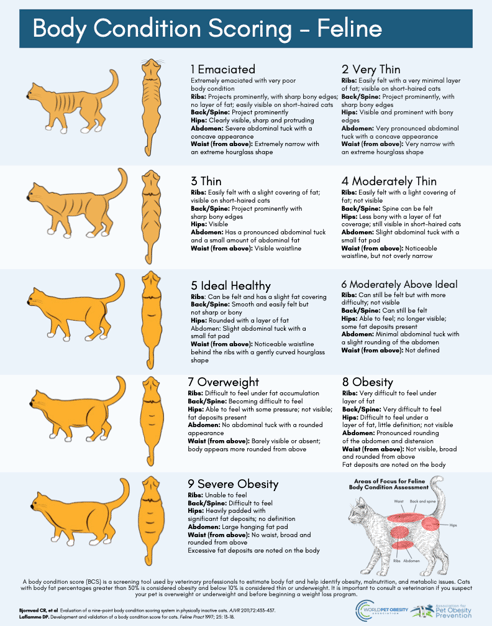
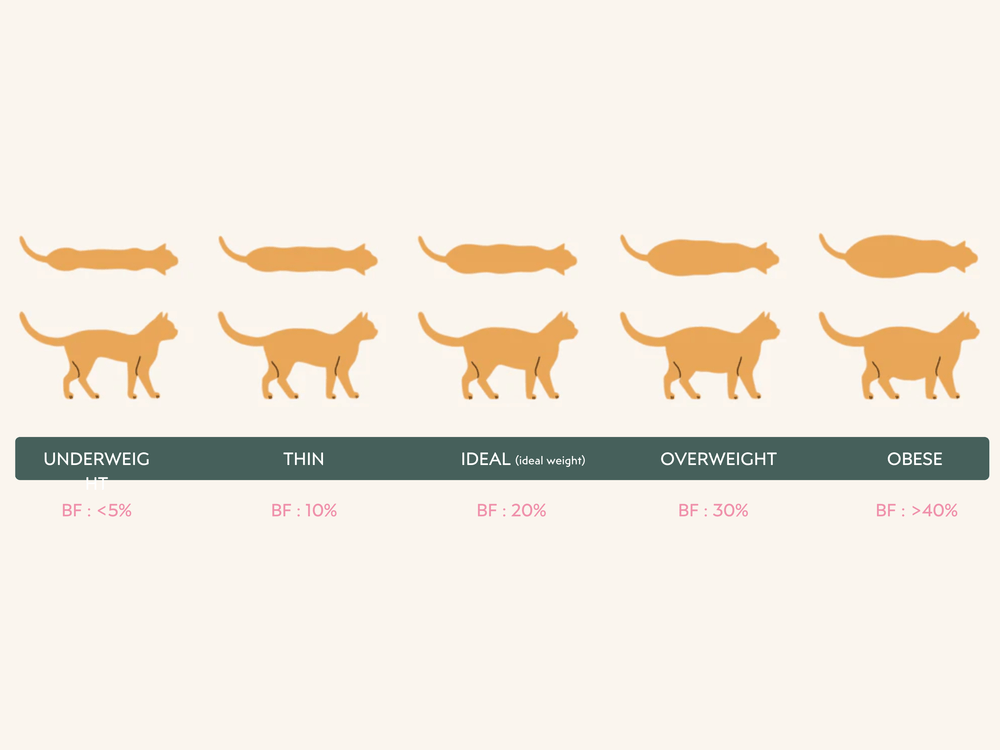
Notice if your cat is eating less or refusing food altogether. Diarrhea can interfere with nutrient absorption, leading to weight loss even if your cat’s appetite seems normal. Sudden or ongoing weight loss paired with diarrhea often signals underlying problems like infections, organ issues, or even cancer.
Behavioral Changes And Lethargy
Is your usually active cat suddenly hiding or sleeping more than usual? Lethargy combined with diarrhea can indicate that your cat’s body is struggling to cope. Behavioral changes such as irritability or reluctance to move might suggest pain or discomfort that needs to be addressed immediately.
Have you noticed any of these symptoms in your older cat alongside diarrhea? Ignoring these signs can lead to worsening conditions. When you observe these warning flags, reaching out to your vet without delay can save your cat’s life.
Diagnostic Steps For Persistent Diarrhea
Persistent diarrhea in older cats signals a need for thorough diagnosis. Identifying the cause helps guide effective treatment. The diagnostic process involves several important steps. Each step uncovers vital information about your cat’s health.
Veterinary Examination And History
The vet starts with a physical exam to check the cat’s overall condition. They look for signs like dehydration, weight loss, or abdominal pain. Discussing the cat’s history is crucial. This includes diet changes, recent illnesses, and exposure to toxins or new environments. The vet asks about the diarrhea’s frequency, color, and consistency. This information helps narrow down possible causes.
Laboratory Tests And Imaging
Lab tests provide detailed insights into the cat’s health. Common tests include:
- Blood work to check organ function and infection markers
- Fecal analysis for parasites, bacteria, and abnormal cells
- Urinalysis to assess kidney health
Imaging techniques like X-rays or ultrasounds reveal abnormalities in the digestive tract. These scans detect blockages, tumors, or inflammation. Together, tests and imaging offer a clear picture of the problem.
Identifying Underlying Conditions
Diarrhea often signals deeper health issues. Common causes include:
- Infections caused by bacteria, viruses, or parasites
- Food allergies or intolerances
- Chronic diseases like kidney failure or hyperthyroidism
- Inflammatory bowel disease or cancer
The vet uses exam results and test findings to pinpoint the root cause. This step is vital to choosing the right treatment and improving the cat’s health.
Treatment Options For Older Cats
Older cats with diarrhea need careful treatment to restore their health. Proper care helps ease symptoms and prevents complications. Treatment focuses on managing diet, using medicines, and supporting hydration. Each approach plays a key role in helping your cat recover.
Dietary Management And Supplements
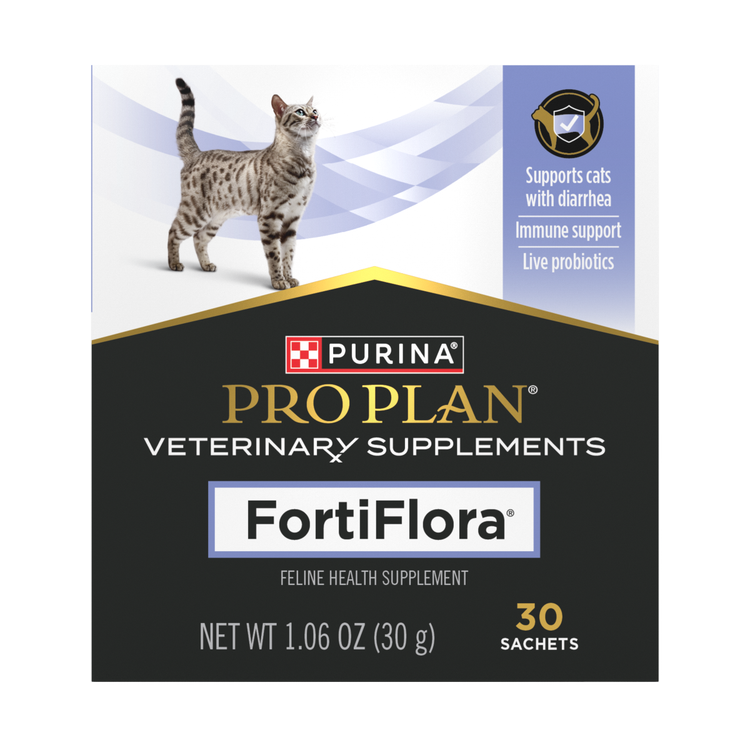
Changing diet can calm an upset stomach. Feeding easily digestible food reduces stress on the intestines. Many vets recommend low-fat, high-fiber diets for older cats with diarrhea. Probiotics help balance gut bacteria and improve digestion. Supplements like omega-3 fatty acids support intestinal health. Small, frequent meals prevent overloading the digestive system.
Medications And Therapies
Medications target the cause of diarrhea. Antibiotics fight infections when bacteria cause problems. Antidiarrheal drugs can reduce bowel movements and soothe the gut. Sometimes, anti-inflammatory drugs ease intestinal inflammation. Deworming treats parasites that cause diarrhea. Always follow the vet’s instructions for safe use. Therapy may include treating underlying diseases like kidney or thyroid problems.
Hydration And Supportive Care
Diarrhea causes fluid loss, risking dehydration. Encourage your cat to drink water often. Using wet food increases fluid intake. In severe cases, vets give fluids through injections or IV. Rest is important to help your cat heal. Monitor your cat closely for any changes. Supportive care improves overall comfort and speeds recovery.
Preventing Diarrhea In Senior Cats
Diarrhea in older cats can signal underlying health issues needing attention. Watch for changes in appetite, energy, or behavior alongside diarrhea. Early care helps maintain your senior cat’s well-being and comfort.
Preventing Diarrhea in Senior Cats As your feline friend ages, you may notice changes in their health and behavior. Diarrhea, while common, can be a sign of underlying health issues in senior cats. By taking proactive steps, you can help prevent this uncomfortable problem and ensure your cat stays healthy and happy.Balanced Nutrition And Hydration
Providing balanced nutrition is crucial for your senior cat’s digestive health. Ensure their diet includes high-quality protein and is low in fillers. Fresh water should always be available to keep them hydrated, as dehydration can exacerbate diarrhea. Have you considered the impact of food allergies? Cats can develop sensitivities over time, so keep an eye out for any adverse reactions to their diet. Sometimes, a simple change in food can make all the difference.Regular Vet Checkups
Regular vet checkups are essential for preventing health issues in older cats. These visits allow your vet to catch potential problems early and adjust care plans as needed. Don’t wait for visible symptoms; proactive care is key. During these checkups, discuss your cat’s bowel habits with your vet. Are there changes in frequency or consistency? Sharing this information can help your vet provide targeted advice and interventions.Monitoring And Early Intervention
Keeping a close eye on your cat’s behavior can provide early warning signs of health issues. Monitor their litter box habits and note any changes in stool. Prompt intervention at the first signs of diarrhea can prevent more serious complications. Do you have a cat diary? Recording daily observations about your cat’s health can be incredibly useful. This log can help you and your vet identify patterns or triggers that might be contributing to digestive problems.
Credit: urgentvet.com
Credit: www.purina.com
Frequently Asked Questions
Can Diarrhea Indicate Health Problems In Older Cats?
Yes, diarrhea in older cats can signal underlying health issues like infections, kidney disease, or digestive problems. Prompt veterinary evaluation is essential to identify the cause and provide proper treatment to maintain your cat’s health.
How Does Aging Affect Cats’ Digestive Health?
Aging can slow down digestion and reduce nutrient absorption in cats. This increases the risk of diarrhea and other gastrointestinal issues. Regular check-ups help monitor and manage these changes effectively.
When Should I See A Vet For My Cat’s Diarrhea?
If diarrhea lasts more than 24-48 hours, or if your cat shows lethargy, vomiting, or weight loss, see a vet immediately. Early intervention prevents complications and ensures your cat’s well-being.
Can Diet Changes Help Prevent Diarrhea In Older Cats?
Yes, feeding a balanced, easily digestible diet tailored for older cats can reduce diarrhea risk. Consult your vet for dietary recommendations that support digestive health and overall wellness.
Conclusion
Diarrhea in older cats can signal health problems. It is important to watch for other signs too. Changes in appetite or behavior need attention. Quick action helps find the cause and treat it. Regular vet visits keep your cat strong and healthy.
Don’t ignore diarrhea, as it can lead to serious issues. Care and early help make a big difference. Keep your older cat comfortable and safe. Stay alert and act fast for their well-being.



Leave a Reply