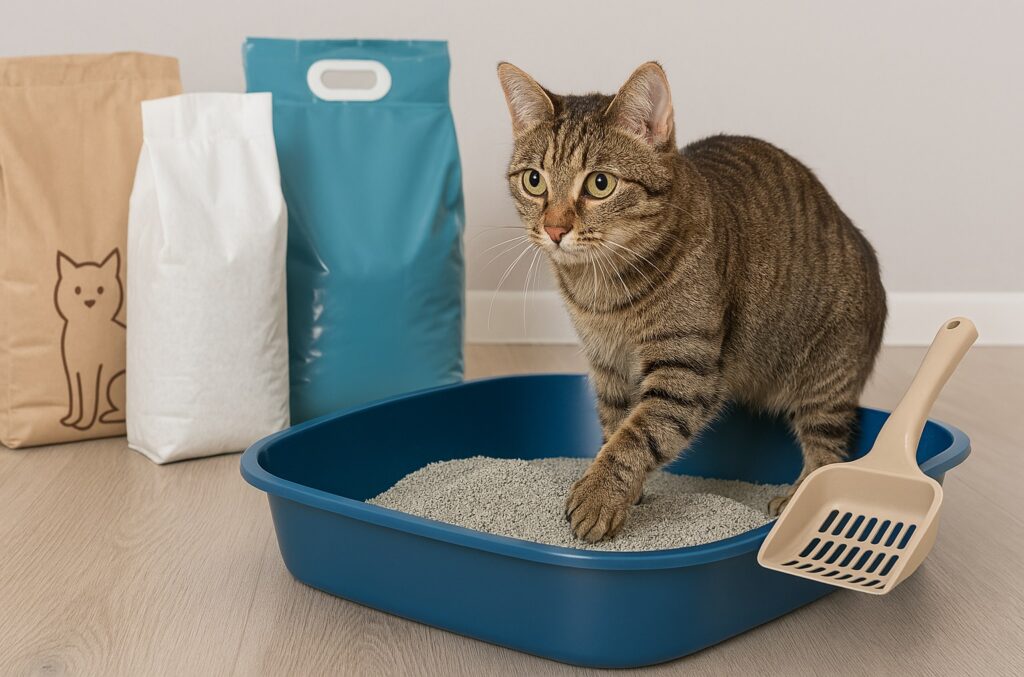
When it comes to your cat’s health, every choice you make matters—especially the type of litter you use. You might be wondering, is clumping litter safe for your furry friend?
After all, your cat spends a lot of time in the litter box, so it’s important to know if this popular option could affect their well-being. You’ll discover the facts about clumping litter, what to watch out for, and how to keep your cat comfortable and healthy.
Keep reading to make the best decision for your pet’s health and happiness.
What Is Clumping Litter
Clumping litter is a popular choice among cat owners because of its convenience and effectiveness. This type of litter forms solid clumps when it comes into contact with moisture, making it easier to scoop out waste and keep the litter box clean. Understanding what clumping litter is can help you decide if it suits your cat’s needs and your cleaning routine.
Clumping litter contains materials like bentonite clay that absorb moisture quickly. When your cat urinates, the litter binds together into a firm clump. This clump can be scooped out easily, leaving the rest of the litter dry and ready to use.
This means less frequent total litter changes and a fresher box overall. You might notice fewer odors, too, since the wet areas are removed promptly.
Types Of Clumping Litter
Not all clumping litters are the same. Some are made from natural clay, while others use plant-based ingredients like corn or wheat. Each type has its own texture, dust level, and scent options.
- Bentonite Clay:Most common and affordable, but can create dust.
- Natural/Plant-Based:Biodegradable and often less dusty.
- Scented vs. Unscented:Choose unscented if your cat is sensitive.
Why Cat Owners Prefer Clumping Litter
Many cat owners prefer clumping litter because it simplifies cleaning. You only remove the clumps, which means less waste and less mess. It also helps keep your home smelling better.
From personal experience, switching to clumping litter reduced the time I spent cleaning the box by half. It also gave my cats a cleaner, more comfortable spot to do their business.
Is Clumping Litter Safe For Your Cat?
Safety concerns sometimes arise with clumping litter, especially if ingested. However, most clumping litters are designed to be non-toxic. Always check the label and choose a reputable brand.
Watch your cat for any signs of allergies or respiratory issues. If your cat has health problems or is very young, consult your vet before switching litters.
How Clumping Litter Works
Clumping litter has become a popular choice for cat owners. It offers a simple way to keep the litter box clean and odor-free. Understanding how clumping litter works helps you care better for your cat’s hygiene and health.
Clumping litter is made of special materials that absorb moisture quickly. When your cat urinates, the litter forms solid clumps. These clumps are easy to scoop out, leaving the rest of the litter dry and fresh.
Absorption And Clumping Process
The litter contains absorbent particles, usually bentonite clay. These particles soak up liquid fast. As the moisture is absorbed, the litter sticks together, creating firm clumps.
Odor Control Mechanism
Clumping litter traps urine inside the clumps. This helps stop bad smells from spreading. Some litters also have added ingredients to neutralize odors.
Easy Cleanup And Maintenance
Once the clumps form, they can be removed with a scoop. This keeps the litter box clean and dry. Regular scooping helps maintain a healthy environment for your cat.
Safety Concerns For Cats
Clumping litter is popular among cat owners for its convenience. But is it safe for your feline friend? Understanding potential risks can help ensure your cat’s health. Below, we explore specific safety concerns related to clumping litter.
Ingestion Risks
Cats often groom themselves, leading to litter ingestion. Clumping litter expands when wet. This can cause digestive blockages if consumed. Kittens are particularly at risk due to their small size. Monitor your cat’s behavior around the litter box.
Respiratory Issues
Dust from clumping litter poses respiratory risks. Cats have sensitive respiratory systems. Inhaling litter dust may cause sneezing or coughing. Choose low-dust or dust-free litter to minimize exposure. Ensure proper ventilation in the litter area.
Skin Sensitivity
Some cats develop skin irritation from clumping litter. Chemicals and fragrances in litter might trigger reactions. Look for natural and unscented options to reduce risks. Observe your cat for signs of discomfort or excessive scratching.
Benefits Of Clumping Litter
Clumping litter offers several benefits that make it a favorite choice among cat owners. It simplifies maintenance, helps keep your home smelling fresh, and can even save you money in the long run. Understanding these advantages can help you decide if clumping litter is the right fit for your feline friend and your lifestyle.
Ease Of Cleaning
Clumping litter forms solid clumps when your cat uses the litter box, making it easy to scoop out waste. This means you can remove only the dirty parts without changing all the litter every time. Have you noticed how much less time it takes to clean a clumping litter box compared to non-clumping types?
Because the waste is contained in firm clumps, it’s less likely to stick to the box, reducing the need for frequent deep cleaning. This convenience encourages more regular maintenance, which benefits both you and your cat’s hygiene.
Odor Control
One of the biggest challenges with litter boxes is controlling unpleasant smells. Clumping litter helps trap odors by sealing waste inside the clumps. This prevents ammonia and other smells from spreading around your home.
Some clumping litters even come with added natural ingredients or scents to enhance odor control. How often do you find yourself surprised by how fresh the litter box area smells after scooping?
Cost-effectiveness
Clumping litter may seem more expensive upfront, but it often saves money over time. Since you only remove the clumps and keep the clean litter, you don’t need to replace the entire box’s contents as often.
This means the litter lasts longer, and you get more value from each bag. Have you ever calculated how much you spend monthly on litter and noticed a drop after switching to clumping types?
Choosing The Right Clumping Litter
Choosing the right clumping litter can make a big difference in your cat’s comfort and health. Not all litters are created equal, and the type you pick can affect everything from odor control to respiratory health. Understanding what to look for helps you make a safer, more comfortable choice for your furry friend.
Material Types
Clumping litters come in several material types, each with pros and cons. Clay-based litters are popular because they clump well and control odor effectively. However, they can be dusty and heavy, which might irritate your cat’s respiratory system.
Natural alternatives like corn, wheat, or walnut shell litters are lighter and biodegradable. They often produce less dust and are gentler on your cat’s paws. Have you noticed your cat avoiding the litter box? The texture of the litter could be the cause.
Fragrance And Additives
Many clumping litters have added fragrances to mask odors. While this might seem like a good idea, strong scents can irritate your cat’s sensitive nose and even cause allergic reactions. Unscented litters are usually safer and less likely to cause discomfort.
Additives like baking soda or antimicrobial agents can help with odor but may also affect your cat’s health if used excessively. Always check the ingredients and choose litters with minimal, natural additives. What kind of scent does your cat respond to best?
Dust Levels
Dust is a major concern in clumping litters because it can cause coughing, sneezing, and respiratory problems for both cats and humans. Low-dust or dust-free litters are a better choice if you or your cat have allergies or asthma.
Look for litters labeled “99% dust-free” or made from larger granules that don’t break down easily. You’ll notice less mess around the litter box too. How often do you clean your cat’s litter area? Reducing dust can make this chore easier and healthier.

Credit: www.homesalive.ca
Alternatives To Clumping Litter
Clumping litter is popular for its convenience, but some cat owners seek other options. Alternatives to clumping litter can offer different benefits like better odor control or gentler materials for sensitive paws. Choosing the right litter can improve your cat’s comfort and health.
Non-clumping Options
Non-clumping litter absorbs moisture without forming solid clumps. It usually contains clay or silica crystals that control odor well. This type can be easier to clean for some cats and owners. It often produces less dust, which helps cats with respiratory issues.
- Absorbs urine but does not clump
- Less dusty than clumping clay litter
- Needs more frequent changing
- Gentle on cats with sensitive paws
Natural And Biodegradable Litters
Natural litters use materials like wood, corn, wheat, or paper. They break down easily and are eco-friendly. These litters reduce waste and can be composted in some areas. Many cats enjoy the soft texture and mild scent of natural litters.
- Made from renewable resources
- Biodegrades faster than clay litters
- Often low in dust and chemicals
- Variety of textures and scents available
Tips For Safe Litter Use
Using clumping litter can be a convenient choice for many cat owners, but ensuring it remains safe requires attention to detail. Simple habits and awareness can protect your cat’s health and keep their litter box experience comfortable. Here are some practical tips to help you use clumping litter safely and effectively.
Proper Litter Box Maintenance
Keeping the litter box clean is essential for your cat’s well-being. Scoop out clumps and waste daily to prevent bacteria buildup and unpleasant odors.
Change the entire litter at least once a week, or more often if you have multiple cats. Wash the box with mild soap and warm water—avoid harsh chemicals that can irritate your cat’s paws.
Consider using a litter mat around the box to catch stray litter and keep the area tidy. A clean environment encourages your cat to use the box consistently, reducing stress and health risks.
Monitoring Cat Behavior
Pay close attention to how your cat reacts to clumping litter. Some cats may develop allergies or sensitivities, showing signs like sneezing, coughing, or excessive scratching.
Changes in litter box habits, such as avoiding the box or unusual elimination patterns, can signal discomfort or health issues. Has your cat suddenly stopped using the box after switching litters? That’s a clue worth investigating.
Keep an eye on your cat’s paws for redness or irritation, especially if they dig vigorously. Noticing small signs early can prevent bigger problems later.
When To Consult A Vet
If your cat shows persistent respiratory issues, skin irritation, or behavioral changes related to litter use, it’s time to seek professional advice. These symptoms might indicate an allergy or a more serious health condition.
Your vet can recommend safer litter options or test for sensitivities. Don’t hesitate to ask about alternatives like non-clumping or natural litters if clumping varieties cause problems.
Remember, your cat’s comfort and health come first. How well do you know your cat’s normal behavior around their litter box? Staying observant can save you from unexpected vet visits and keep your feline friend happy.
Credit: happyandpolly.com
Credit: thekindpet.com
Frequently Asked Questions
Is Clumping Litter Safe For All Cats?
Clumping litter is generally safe for most cats. However, kittens and cats with respiratory issues may be sensitive. Always monitor your cat’s reaction and consult a vet if you notice any problems.
Can Clumping Litter Cause Health Problems In Cats?
Clumping litter can cause issues if ingested or if it creates dust. Cats with allergies or asthma may be affected. Choose low-dust, non-toxic clumping litter to minimize risks.
How Does Clumping Litter Affect Cat Hygiene?
Clumping litter helps control odor and makes cleaning easier. It forms solid clumps when wet, trapping moisture and waste. This improves hygiene by keeping the litter box cleaner longer.
Is Clumping Litter Better Than Non-clumping Litter?
Clumping litter is often preferred for ease of cleaning and odor control. Non-clumping litter may be less dusty but requires more frequent changes. Choose based on your cat’s needs and preferences.
Conclusion
Clumping litter is generally safe for most cats. It helps keep their space clean and dry. Some cats may have allergies or sensitivities. Watch your pet for any signs of discomfort. Choose a litter that fits your cat’s needs and preferences.
Clean the litter box regularly to keep your cat healthy. Always consult a vet if you notice unusual behavior. Safe litter means a happy cat and a happy home.



Leave a Reply