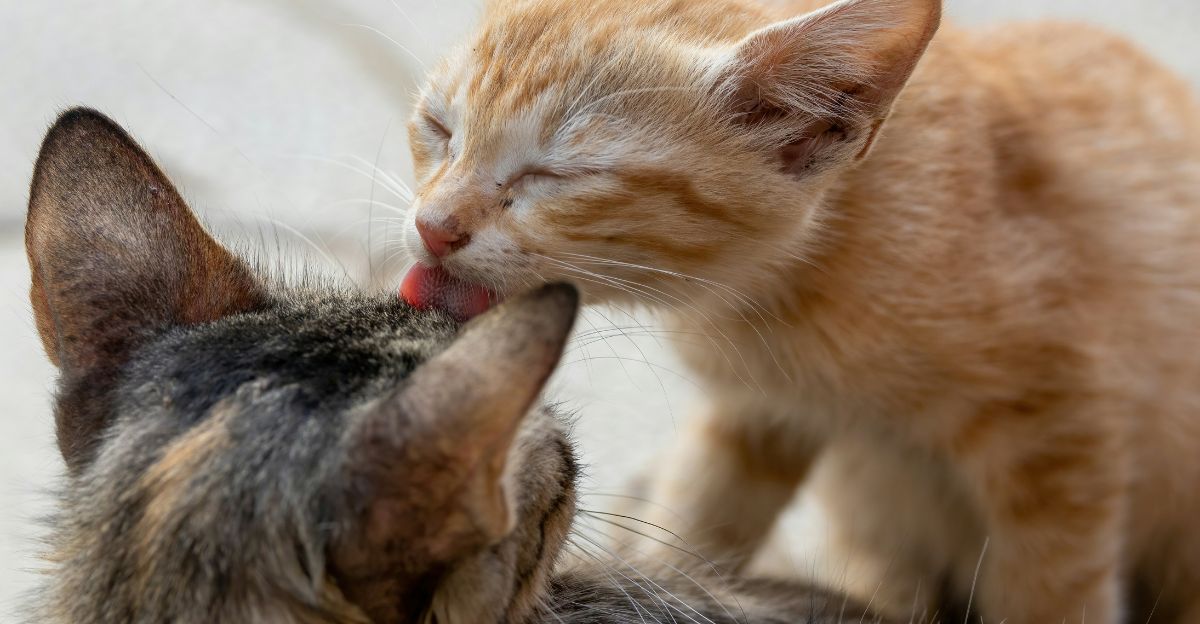
The Purr-fect Sign of Affection: Is Cats Grooming Each Other a Sign of Love? As a cat owner, there’s nothing quite like witnessing your feline friend show affection to another cat.
But have you ever noticed how they often groom each other? You may have wondered, is this a sign of friendship, a way to show love, or simply a habit? You’re not alone in this curiosity – many cat owners have asked themselves the same question.
We’ll delve into the world of cat behavior and explore whether cats grooming each other is indeed a sign of affection. So, let’s dive in and uncover the truth behind this fascinating feline behavior.

Credit: catgroomerla.com
Cats Grooming Behavior
Cats grooming each other is more than just a cute behavior you might catch during quiet moments at home. This act, known as allogrooming, plays a key role in their social lives and communication. Understanding why your cats engage in this behavior can give you valuable insights into their relationships and emotional states.
What Is Allogrooming
Allogrooming is when cats lick and clean each other’s fur. It usually happens between cats that share a close bond, such as siblings or cats living in the same household. This behavior helps strengthen their social connection and builds trust.
Have you noticed your cats grooming each other more after a new cat joins your home? That’s their way of welcoming the newcomer and creating harmony. It’s not just about cleanliness—it’s about showing care and acceptance.
Common Grooming Patterns
Cats tend to groom certain areas more than others when allogrooming. The head, neck, and ears are common spots since cats can’t easily reach them on their own. Grooming these areas shows a high level of trust and affection.
Sometimes, one cat will groom while the other stays completely still, enjoying the attention. Other times, they take turns grooming each other, almost like a mutual agreement. This exchange can tell you a lot about their social balance.
- Head and face grooming: Signals strong social bonds
- Back and neck grooming: Indicates comfort and relaxation
- Tail and lower back grooming: Less common, often shows close friendship
Next time you see your cats grooming each other, ask yourself: Is this just about staying clean, or is there a deeper message of friendship and trust being shared?
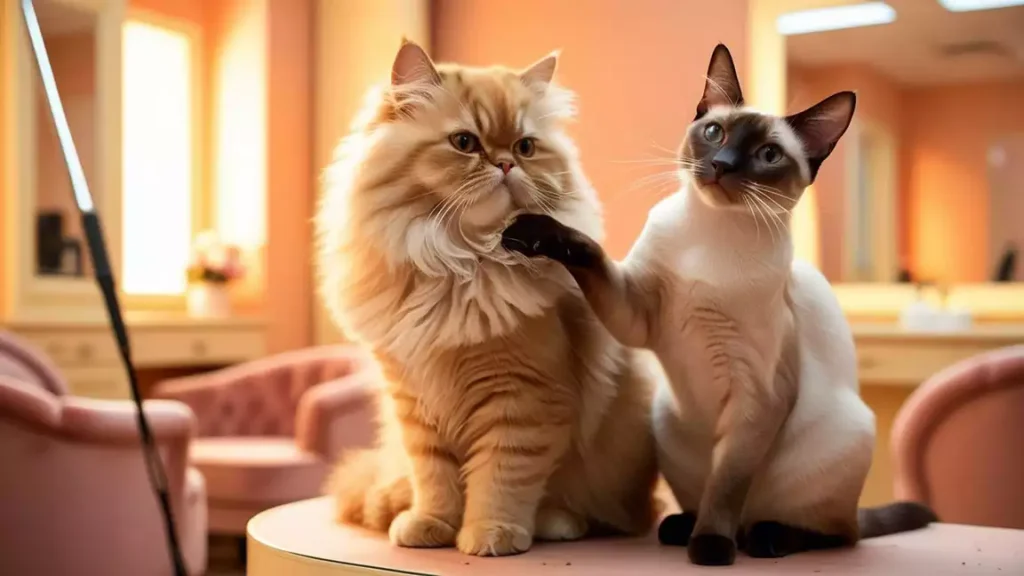
Credit: catgroomerla.com
Reasons Behind Mutual Grooming
Mutual grooming among cats is more than just cleaning. It serves several important purposes in their social lives. Understanding these reasons helps explain why cats spend time grooming each other. This behavior reveals much about their relationships and emotional states.
Bond Strengthening
Grooming creates strong social bonds between cats. It shows trust and friendship. Cats that groom each other often share a close connection. This act helps maintain peace and cooperation within a group. It builds a sense of family among cats.
Social Hierarchy
Mutual grooming reflects a cat’s place in the group. Dominant cats may groom others to assert control. Subordinate cats accept grooming to show respect. This behavior helps keep order and reduces fights. It is a silent way to communicate rank.
Stress Relief
Grooming calms cats and reduces anxiety. It releases feel-good hormones that soothe nerves. Cats use grooming to comfort each other in stressful situations. This act helps them feel safe and relaxed. It is a natural way to ease tension.
Signs Of Affection In Cats
Cats grooming each other shows trust and care between them. This behavior often means they feel close and safe together. Grooming helps strengthen their bond and shows affection clearly.
Understanding feline affection can deepen your bond with your cat. Cats express love in many subtle ways. Observing these signs can help you know your pet better.Body Language Cues
Cats communicate a lot through their bodies. A tail held high shows trust and happiness. Slow blinking is a sign of affection. It’s like a cat’s version of a kiss. Kneading with paws indicates comfort and love. Watch for these cues to see if your cat feels safe and happy.Purring And Eye Contact
Purring often signals contentment and warmth. Cats purr when they feel relaxed. Making direct eye contact is another loving gesture. If your cat looks at you and blinks slowly, it’s showing trust. These signs reveal your cat’s affectionate nature. Recognizing them can strengthen your connection.
Credit: basepaws.com
When Grooming Indicates More Than Affection
Cats grooming each other often shows affection. Yet, grooming can mean more than just love. It can reveal complex social behaviors and practical needs. Understanding these signals helps you know your cat better.
Dominance And Control
Sometimes grooming shows who is in charge. The dominant cat may groom others to assert control. This behavior is a way to establish social order. The cat being groomed usually accepts this to avoid conflict. Grooming can be a subtle way to manage relationships.
Health And Hygiene Needs
Cats also groom each other to help with cleanliness. Some areas are hard to reach alone. Grooming assists in removing dirt and parasites. It promotes better health for the group. This practical grooming strengthens bonds beyond affection.
How To Encourage Positive Grooming
Encouraging positive grooming between cats helps build strong bonds. It reduces stress and promotes peaceful coexistence. Creating the right conditions makes cats feel safe and relaxed. This leads to more grooming and friendly interactions.
Creating A Comfortable Environment
Provide quiet spaces where cats can rest without disturbance. Soft bedding and hiding spots help cats feel secure. Keep food and water bowls separate to avoid competition. Maintain a clean litter box to reduce stress. Play gentle music or use pheromone diffusers to create calm. Avoid loud noises or sudden changes in the home. A peaceful environment encourages cats to groom each other more often.
Introducing New Cats
Introduce new cats slowly and carefully. Keep them separated at first with a barrier. Allow them to see and smell each other without direct contact. Swap bedding to share scents and build familiarity. Gradually increase supervised time together. Watch for signs of stress or aggression. Praise calm behavior and gentle interactions. Slow introductions help cats accept each other and start grooming positively.
Observing Grooming To Understand Cat Relationships
Watching cats groom each other offers a unique window into their social world. This behavior is not just about staying clean; it reveals layers of communication and connection. By paying close attention, you can learn a lot about how your cats relate to one another.
Identifying Close Bonds
Mutual grooming usually signals trust and friendship. Cats that lick and clean each other tend to have a strong, positive relationship. You might notice them resting together afterward or sharing toys, which confirms their bond.
Look for relaxed body language during grooming—soft eyes, slow movements, and purring. These signs show comfort and affection. If your cats groom each other regularly, it’s a good sign they feel safe and connected.
Recognizing Tension Or Discomfort
Not all grooming is friendly. Sometimes, one cat forces grooming on another who tries to pull away. Watch for stiff bodies, flattened ears, or growling, which suggest stress or irritation.
Does one cat groom another excessively or aggressively? That might indicate dominance or anxiety rather than affection. Understanding these subtle cues helps you intervene before conflicts escalate.
Frequently Asked Questions
Why Do Cats Groom Each Other Frequently?
Cats groom each other to strengthen social bonds and show trust. This behavior helps reduce stress and creates a sense of safety within their group. It is a natural way for cats to communicate affection and maintain cleanliness.
Is Mutual Grooming A Sign Of Cat Affection?
Yes, mutual grooming is a clear sign of affection between cats. It demonstrates friendship, comfort, and social connection. Cats use grooming to reinforce their relationships and express care for one another.
Can Grooming Indicate A Cat’s Health Status?
Grooming habits can reflect a cat’s health. Healthy cats groom regularly, while a lack of grooming may signal illness or stress. Observing grooming behavior helps owners detect potential health issues early.
Do Cats Groom Each Other To Establish Hierarchy?
Yes, grooming can help establish social hierarchy among cats. Dominant cats often groom subordinates to show control. This behavior maintains order and reduces conflicts within the group.
Conclusion
Cats grooming each other shows they care deeply. This behavior helps build strong bonds between them. It also keeps their fur clean and healthy. Watching cats groom reveals their trust and friendship. So, when cats groom each other, affection is clear.
Understanding this helps you see your pets better. Their gentle touch says more than words can. It’s a simple way cats show love every day.

Leave a Reply