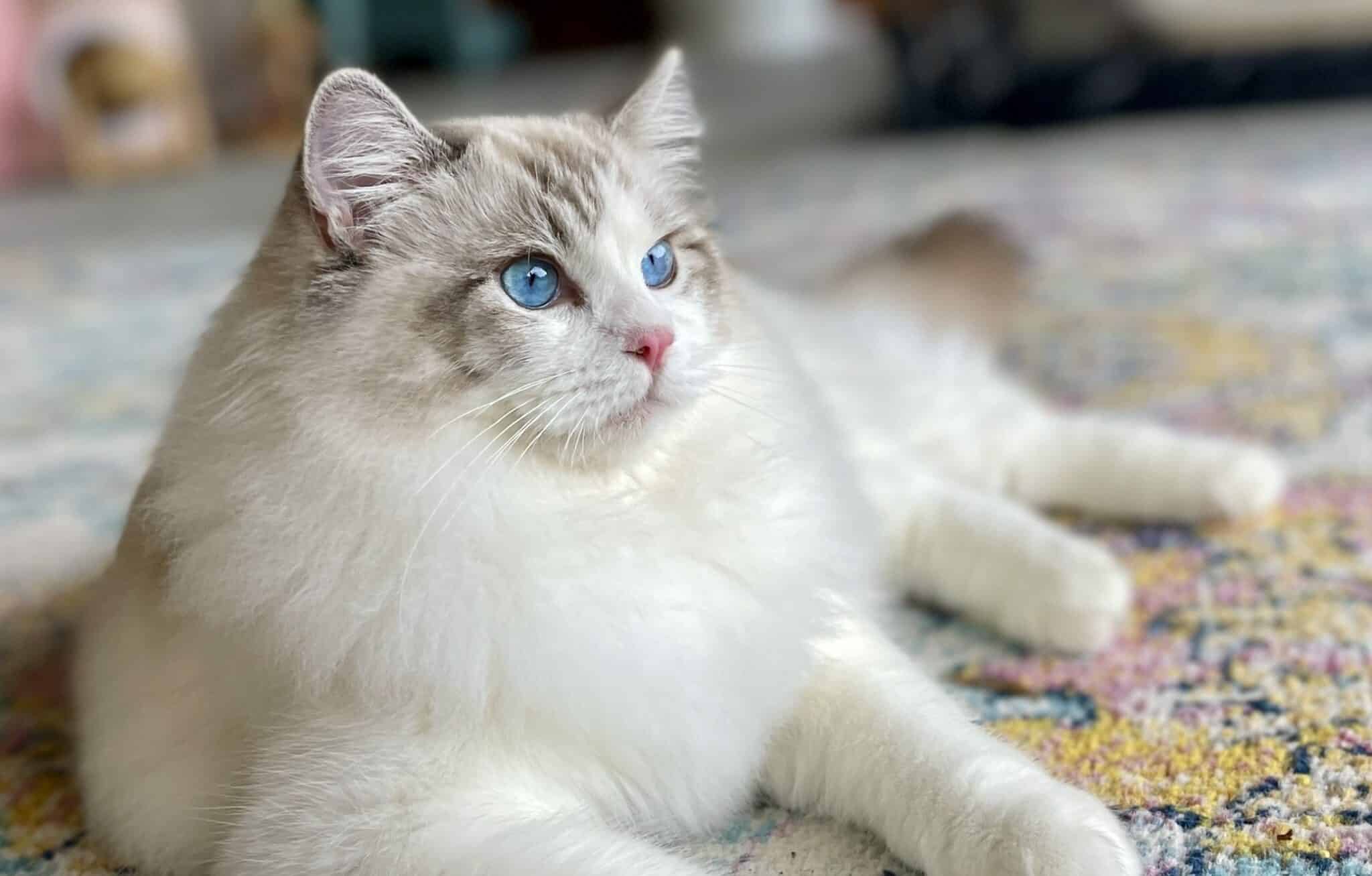
Are you thinking about adding a cat to your family? You might be wondering if buying a cat from a breeder is the right choice for you.
It’s a decision that can feel overwhelming. You want to make sure your new furry friend is healthy, happy, and a perfect fit for your home. But how do you know if going to a breeder is okay? You’ll discover what to consider before buying a cat from a breeder and how to make the best choice for you and your future pet.
Keep reading to find out everything you need to know.
Choosing A Reputable Breeder
Choosing a reputable breeder is a crucial step if you decide to buy a cat from a breeder. It ensures your new pet has a healthy start and comes from responsible care. You want to avoid supporting unethical practices and find a breeder who prioritizes the wellbeing of their cats.
Researching Breeder Credentials
Start by checking if the breeder is registered with recognized cat breeding associations. These groups often require members to follow strict guidelines on animal care and ethics.
Look for reviews or testimonials from other buyers. A breeder with a solid reputation will have positive feedback and be open about their breeding practices.
Ask about their experience and knowledge of the breed you want. A passionate breeder will be eager to share details about the cat’s traits and care needs.
Visiting The Breeder’s Facility
Visiting the breeder’s facility lets you see the living conditions of the cats firsthand. Are the cats clean, active, and well-socialized?
Notice if the environment is spacious and safe. Overcrowded or dirty conditions are red flags that the breeder might not be responsible.
Talk to the breeder during your visit. Their attitude and willingness to answer your questions can reveal how much they care about their cats.
Checking Health Records
Always request detailed health records for the kitten and its parents. Vaccinations, genetic tests, and veterinary checkups should be up to date.
Ask if the breeder screens for common breed-specific health issues. This step reduces the risk of future health problems in your cat.
Remember, a reputable breeder won’t hesitate to provide this information. If they seem reluctant, consider it a warning sign.

Credit: www.petscare.com
Evaluating Cat Breeds
Evaluating cat breeds carefully is essential before deciding to buy from a breeder. Each breed carries unique traits that can either enhance or challenge your daily life. Understanding these traits helps you choose a cat that fits well with your lifestyle and reduces future surprises.
Matching Breed Traits To Lifestyle
Think about your daily routine and living space before selecting a breed. Active breeds like Bengals need lots of playtime and mental stimulation, so they suit energetic owners. On the other hand, calm breeds such as Ragdolls prefer quiet environments and gentle interaction, making them ideal for people who enjoy a relaxed pace.
Do you have kids or other pets at home? Some breeds are more social and tolerant, while others prefer solitude. For example, Maine Coons are friendly and adapt well to families, but Siamese cats demand constant attention and can become vocal if ignored.
Considering Health Issues By Breed
Each breed has specific health concerns you should know before committing. Persian cats often face respiratory problems due to their flat faces, while British Shorthairs might be prone to obesity if not properly exercised. Regular vet visits are crucial, but being aware of potential issues helps you prepare financially and emotionally.
Ask breeders about the health history of their cats and any genetic tests they perform. Responsible breeders will provide this information openly. Knowing these details helps you avoid unexpected medical bills and ensures a happier life with your new feline friend.
Questions To Ask Before Buying
Choosing a cat from a breeder means checking their reputation and health guarantees. Ask about the cat’s parents, vaccinations, and living conditions. Understanding these details helps ensure a happy, healthy pet.
When considering buying a cat from a breeder, it’s important to ask the right questions. These questions ensure the health and well-being of your future feline friend. Knowing the right information can make your decision easier and more informed. Here are some key questions to consider.Parent Cats’ Background
Inquire about the parent cats’ genetics and health history. Ask the breeder about any known genetic conditions. Ensure the cats have a clean health record. Check if the parents have been screened for common diseases. This background helps predict your kitten’s future health.Vaccination And Medical History
Vaccinations are crucial for a kitten’s health. Request documentation of vaccinations. Confirm the kitten has received all required shots. Ask about deworming and flea treatments. Ensure the kitten is free from parasites and diseases. This information protects your home and other pets.Socialization And Behavior
Socialization impacts a kitten’s adaptability and temperament. Ask about the kitten’s early interactions. Check if the kitten has been exposed to various environments. Inquire about its behavior with people and other pets. Well-socialized kittens adjust better to new homes. Understanding their behavior helps with integration into your family.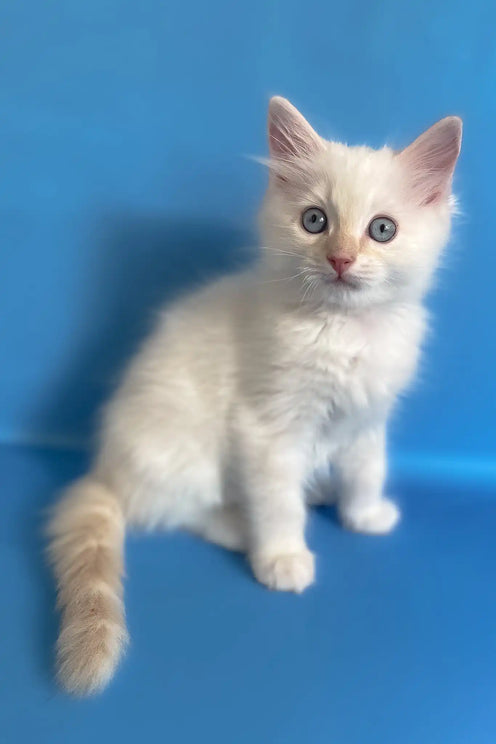
Credit: purebredkitties.com
Costs And Financial Planning
Thinking about buying a cat from a breeder means you should plan your budget carefully. Costs go beyond just the initial price tag. Understanding both the upfront and ongoing expenses helps you avoid surprises and ensures you can provide a comfortable life for your new feline friend.
Initial Purchase Price
The cost of a cat from a breeder varies widely depending on the breed, pedigree, and breeder reputation. Some breeds, like Bengals or Sphynx, can cost several thousand dollars, while others might be more affordable.
Breeders often include vaccinations, microchipping, and health checks in the price, which is a plus. However, you should ask exactly what’s covered and what’s extra. Think about whether the price fits your budget without stretching your finances too thin.
Ongoing Care Expenses
Once you bring your cat home, the expenses don’t stop. You will need to budget for food, litter, regular vet visits, and unexpected medical costs. For example, high-quality cat food can cost $30 to $50 per month, depending on the brand and your cat’s needs.
Don’t forget grooming, toys, and scratching posts to keep your cat happy. Health emergencies can also catch you off guard, so setting aside a small emergency fund is wise. Have you thought about how these costs will fit into your monthly budget?
Alternatives To Buying From Breeders
Choosing a cat doesn’t always mean buying from a breeder. There are meaningful alternatives that can bring joy and companionship into your life while supporting animal welfare. These options often come with the added benefit of helping cats in need find loving homes.
Adopting From Shelters
Shelters are full of cats waiting for someone like you. These cats come in all ages, breeds, and personalities, so you can find one that fits your lifestyle.
When you adopt from a shelter, you save a life and reduce the demand for breeding. Many shelter cats are already vaccinated and spayed or neutered, which makes the transition easier.
Think about the last time you met a shelter cat—did you notice their unique charm? Giving them a second chance can be incredibly rewarding.
Rescue Organizations
Rescue groups often focus on specific breeds or special needs cats. They provide a more tailored adoption experience, helping you find a cat with the traits you want.
These organizations work hard to nurse cats back to health and socialize them. When you adopt through a rescue, you support their mission and help more cats in the future.
- Rescues often conduct thorough health checks.
- They provide detailed histories, so you know what to expect.
- Many offer post-adoption support to help you and your new cat adjust.
Have you considered how adopting from a rescue might change your perspective on pet ownership? It often teaches patience, empathy, and unconditional love.
Legal And Ethical Considerations
Buying a cat from a breeder involves more than just picking a cute face. Legal and ethical questions surround the practice, and understanding these can protect you and the animals involved. Knowing what to look for helps you make a responsible choice that aligns with your values.
Breeder Licensing And Regulations
Not all breeders operate under the same rules. Licensing requirements vary by state or country, but a legitimate breeder usually holds proper permits. These licenses ensure breeders follow health and safety standards for the cats.
Check if the breeder is registered with recognized organizations like The International Cat Association (TICA) or the Cat Fanciers’ Association (CFA). These groups often require breeders to meet strict guidelines.
Ask the breeder about their licenses before making any commitments. It’s your right to verify their legal standing and ensure they comply with animal welfare laws.
Avoiding Puppy Mills And Unethical Breeders
Unethical breeders focus on profit over animal well-being. Puppy mills, or in this case, “kitten mills,” often keep cats in poor conditions, leading to health and behavioral issues.
Look out for signs like overcrowded cages, lack of socialization, and unwillingness to show you the breeding facilities. A responsible breeder is transparent and encourages visits.
Ask about the parents’ health clearances and the kitten’s socialization history. A good breeder will provide detailed medical records and answer all your questions openly.
Have you ever thought about how your choice impacts the wider cat community? Supporting ethical breeders helps reduce the demand for mills and encourages better treatment for all cats.
Preparing Your Home For A New Cat
Preparing your home for a new cat is an exciting step that sets the tone for a happy and healthy relationship. It’s more than just clearing space; it’s about creating a welcoming environment where your cat feels safe and cared for from day one. Thoughtful preparation helps reduce stress for both you and your feline friend.
Essential Supplies
Start with gathering the basics that every cat needs. These include:
- Food and water bowls:Choose sturdy, easy-to-clean options to keep your cat’s eating area hygienic.
- High-quality cat food:Look for age-appropriate formulas, whether kitten, adult, or senior.
- Litter box and litter:Place it in a quiet, accessible spot and keep it clean to encourage good habits.
- Scratching posts or pads:These protect your furniture and satisfy your cat’s natural urge to scratch.
- Toys:Select a variety to keep your cat mentally and physically stimulated.
Have you ever noticed how a missing water bowl can cause unnecessary stress? Setting these up beforehand avoids that problem.
Safe And Comfortable Spaces
Creating a safe zone is crucial for a new cat adjusting to unfamiliar surroundings. Cats often hide when they feel unsure, so provide quiet corners with soft bedding where they can retreat.
Think about your cat’s need to observe without being disturbed. Elevated spots like cat trees or shelves let them watch comfortably. Also, avoid placing their space near loud noises or high-traffic areas.
Do you have a spot in your home that feels calm and cozy? That could be the perfect sanctuary for your new cat to settle in.
Credit: www.masterpieceragdolls.com
Frequently Asked Questions
Is It Ethical To Buy A Cat From A Breeder?
Buying from a responsible breeder is ethical if they prioritize cat health and welfare. Avoid breeders who mistreat or neglect cats. Research breeders carefully to ensure ethical practices and proper care standards.
What Are The Benefits Of Buying From A Cat Breeder?
Breeders provide purebred cats with known lineage and health history. They offer guidance on breed traits and care. This helps buyers choose cats that fit their lifestyle and reduces health risks.
How To Find A Reputable Cat Breeder?
Look for breeders with positive reviews and verified credentials. Ask for health records and visit their facilities. A reputable breeder will welcome questions and show transparent breeding practices.
Are Cats From Breeders Healthier Than Shelter Cats?
Cats from good breeders often have documented health screenings. However, shelter cats can also be healthy and need homes. Both can be wonderful pets; health depends on individual care and genetics.
Conclusion
Buying a cat from a breeder can be a good choice. It helps you get a healthy and well-socialized pet. Make sure the breeder is responsible and cares for their cats. Ask questions about the cat’s health and background. Think about adopting too, as many cats need homes.
Choose what fits your lifestyle and heart best. A happy cat makes a happy home. Take time to decide carefully.



Leave a Reply