Have you ever wondered if breeding dogs and cats is actually a form of animal abuse? It’s a question that might surprise you, but it’s one many people don’t think about.
You care about animals, and you want to do what’s right for them. Understanding the truth behind breeding can change how you see pet ownership and animal welfare. Keep reading to discover the facts that could reshape your view and help you make informed choices for the animals you love.
Ethics Of Breeding Pets
The ethics of breeding pets often stir deep emotions and tough questions. You might wonder if breeding dogs and cats is a natural part of pet care or if it crosses a line into exploitation. Understanding the ethical considerations helps you decide where you stand and how your choices impact animals.
Moral Concerns In Breeding
Breeding pets raises questions about respect for animal life. Are breeders prioritizing profit over the well-being of animals? Many breeders focus on certain traits, sometimes ignoring the health risks that come with selective breeding.
Think about this: If a breed is prone to genetic diseases, is it fair to bring more animals into the world who might suffer? You can ask yourself whether supporting such breeding encourages responsible care or perpetuates harm.
Some breeders provide loving homes and maintain high standards. However, others may neglect animal needs, leading to overcrowding and poor conditions. Your choice to buy or adopt can influence these practices.
Welfare Of Parent Animals
Parent animals in breeding programs often face challenges you might not see. They can be bred repeatedly without adequate recovery time, which affects their health and happiness.
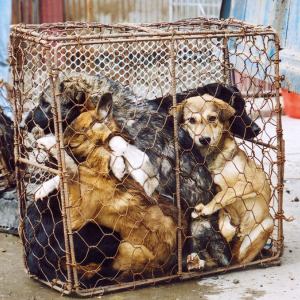
How often have you considered the daily life of a breeding dog or cat? They might live in confined spaces, with limited social interaction and exercise, which can cause stress and behavioral issues.
Ensuring parent animals receive proper veterinary care, nutrition, and a nurturing environment is essential. When this doesn’t happen, the ethical foundation of breeding crumbles.
- Are the animals allowed to rest between litters?
- Do they have enough space to move and play?
- Is their emotional well-being supported?
Reflecting on these points helps you understand the true cost of breeding and guides you towards more compassionate choices for pets and their parents.
Credit: www.animalsasia.org
Common Breeding Practices
Common breeding practices vary widely, and understanding these differences is key to recognizing when breeding crosses into animal abuse. Some breeders prioritize profit over animal welfare, while others focus on health and responsible care. Knowing what happens behind the scenes can help you make informed decisions if you’re considering adding a furry friend to your family.
Commercial Breeding Facilities
Commercial breeding facilities, often called puppy or kitten mills, operate on a large scale with the main goal of producing as many animals as possible. These places usually keep animals in cramped, unsanitary conditions with little regard for their physical or emotional health.
Animals may be bred repeatedly without proper rest or medical care, leading to serious health problems for both mothers and offspring. Have you ever wondered what the living conditions are like for pets before they reach you?
These facilities prioritize quantity over quality, which often results in animals with genetic defects or behavioral issues. It’s hard to see such practices as anything but exploitative, especially when the animals suffer silently.
Backyard Breeders Vs. Responsible Breeders
Backyard breeders typically breed animals without much knowledge or care for genetic health, often motivated by quick profit. They may neglect health screenings, vaccinations, or socialization, which can cause long-term issues for pets and their new families.
In contrast, responsible breeders take time to understand genetics, health testing, and breed standards. They focus on producing healthy, well-socialized animals and often provide ongoing support to new owners.
Have you noticed how responsible breeders often invite you to meet the parents and see the environment where puppies or kittens are raised? This transparency reflects their commitment to animal welfare, something backyard breeders rarely offer.
Health Issues In Breeding
Breeding dogs and cats often leads to serious health problems. These issues affect both parents and their young. Understanding these health risks helps reveal why breeding can be harmful.
Genetic Disorders And Inbreeding
Breeding often involves close relatives, causing inbreeding. This increases the chance of genetic disorders. These disorders pass from parents to offspring through genes. Common problems include:
- Hip dysplasia causing pain and mobility issues
- Heart defects reducing lifespan
- Eye diseases leading to blindness
- Immune system weaknesses
Inbreeding reduces genetic diversity. This weakens the animals’ ability to fight diseases. Many breeders ignore these risks to keep certain traits. This practice harms animal health over time.
Impact On Offspring Well-being
Offspring from breeding often suffer from poor health. They may be born with birth defects or weak immune systems. Many pups and kittens face:
- Chronic pain or deformities
- Frequent infections and illnesses
- Shortened lifespans
- Behavioral problems due to health struggles
These health issues cause suffering and reduce quality of life. Many animals need ongoing medical care. The costs and emotional toll can be high for owners. This raises ethical concerns about the practice of breeding.
Legal Regulations
Legal regulations play a crucial role in animal breeding. They aim to ensure ethical practices and protect animal welfare. These laws vary significantly across different regions. Understanding them is vital for breeders and pet owners alike. Legal rules often focus on animal health, breeding conditions, and breeder responsibilities. Let’s explore these regulations further.
Laws Addressing Animal Breeding
Laws exist to regulate dog and cat breeding. They address various aspects of the process. These laws often mandate proper breeding conditions. They ensure animals have suitable living environments. Laws may also require health checks for breeding animals. This helps prevent hereditary diseases. Some regions limit the number of litters a female can produce. These measures aim to prevent overbreeding and ensure animal health.
Enforcement Challenges
Enforcing breeding laws poses significant challenges. Resource limitations often hinder strict enforcement. Inspectors may struggle to monitor all breeding operations. Illegal breeders may operate without oversight. This makes enforcing laws difficult. Public awareness and reporting can aid enforcement efforts. Educating communities increases compliance and supports law enforcement. Collaboration between authorities and the public is vital. It helps ensure ethical breeding practices and animal welfare.
Animal Abuse Perspectives
Animal abuse perspectives on breeding dogs and cats vary widely. Many people see breeding as a natural way to continue animal lines. Others believe some breeding practices cause harm and suffering. Understanding these views helps us see when breeding may cross ethical lines.
When Breeding Crosses The Line
Breeding crosses the line when it causes pain or distress. Overbreeding animals without rest harms their health. Breeders focusing only on profit may ignore animal welfare. Breeding animals with genetic defects can cause suffering. Ethical breeding respects animals’ health and comfort.
Signs Of Neglect In Breeding Operations
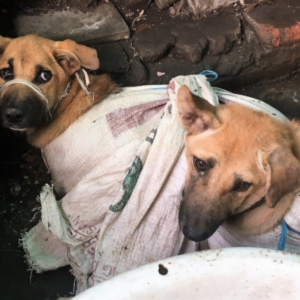
Neglect in breeding operations often shows in the animals’ condition. Watch for these signs:
- Poor coat quality or visible injuries
- Animals appearing thin or malnourished
- Unsanitary or cramped living spaces
- Lack of veterinary care or vaccinations
- Excessive noise or stress behaviors
These signs indicate animals may suffer from neglect or abuse. Responsible breeders avoid these conditions to protect animal well-being.
Credit: www.animalsasia.org
Alternatives To Breeding
Choosing alternatives to breeding helps reduce pet overpopulation. It also prevents many animals from suffering in shelters. Many dogs and cats need loving homes. These alternatives support animal welfare and responsible pet care. They offer ways to enjoy pet companionship without contributing to the demand for breeding.
Adoption And Rescue Options
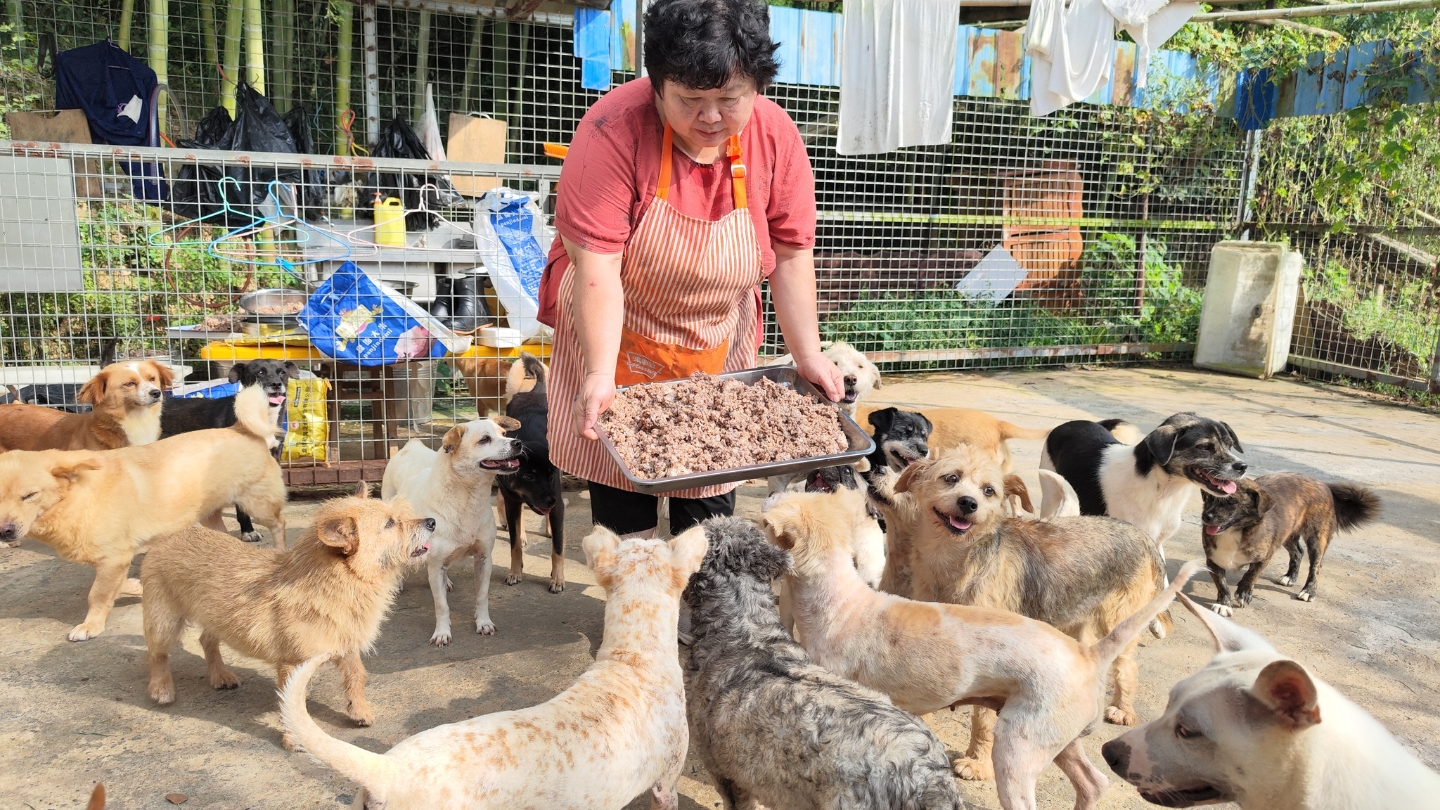
Adopting a pet saves lives. Shelters and rescue groups have many animals waiting for homes. These pets are often healthy and ready to join a family. Rescue groups care for animals that might otherwise be euthanized. Adoption helps reduce the number of homeless pets. It also lowers the need for breeding new animals.
- Shelters offer a variety of breeds and mixed breeds.
- Rescue groups specialize in specific types or breeds.
- Many shelters provide medical care before adoption.
- Adopted pets come with behavior assessments and support.
Benefits Of Spaying And Neutering
Spaying and neutering prevent unwanted litters. They help control the pet population humanely. These procedures improve pet health and behavior. They reduce the risk of some cancers and infections. Spayed or neutered pets tend to live longer, healthier lives. This simple step supports the well-being of individual animals and communities.
- Prevents accidental litters and reduces stray animals.
- Decreases aggressive behavior and roaming tendencies.
- Protects pets from certain reproductive diseases.
- Helps shelters by lowering the number of incoming animals.
Public Awareness And Responsibility
Public awareness plays a key role in shaping how society views animal breeding. People must understand the impact of breeding practices on animals’ health and well-being. Responsibility lies not only with breeders but also with pet owners and the community. Educating the public helps reduce unethical breeding and supports animal welfare.
Educating Future Pet Owners
Teaching future pet owners about responsible pet care is essential. Awareness about the needs of dogs and cats prevents impulsive buying and abandonment. Knowledge about the risks of poor breeding encourages adoption from shelters. Clear information helps people make choices that protect animals’ lives and happiness.
Supporting Ethical Breeders
Ethical breeders prioritize animal health and proper care. Supporting these breeders promotes better breeding standards and reduces cruelty. It encourages transparency and accountability in breeding practices. Buyers should seek breeders who perform health checks and provide good living conditions.
Credit: www.animalsasia.org
Frequently Asked Questions
Is Breeding Dogs And Cats Considered Animal Abuse?
Breeding dogs and cats can be animal abuse if done irresponsibly. Overbreeding and poor conditions harm animals. Ethical breeders prioritize health, welfare, and responsible breeding practices.
What Are Signs Of Abusive Pet Breeding?
Signs include overcrowding, poor hygiene, lack of veterinary care, and neglect. Animals may show fear, malnutrition, or injuries. Responsible breeders provide clean, safe environments and proper medical care.
How Does Unethical Breeding Affect Animal Welfare?
Unethical breeding often leads to genetic defects, health problems, and behavioral issues. It increases stray populations and animal suffering. Ethical breeding focuses on improving breed health and reducing risks.
Can Responsible Breeding Avoid Animal Abuse Concerns?
Yes, responsible breeding involves health testing, proper care, and ethical practices. It supports breed preservation and reduces overpopulation. Always choose reputable breeders committed to animal welfare.
Conclusion
Breeding dogs and cats raises many important questions about care and ethics. Some breeders act responsibly, focusing on animal health and well-being. Others may neglect animals, causing harm and suffering. Choosing pets from shelters can help reduce overbreeding and give homes to animals in need.
Everyone should think carefully about where their pets come from. Respect for animals means making kind and informed decisions. The way we treat animals shows our values and kindness.

Leave a Reply