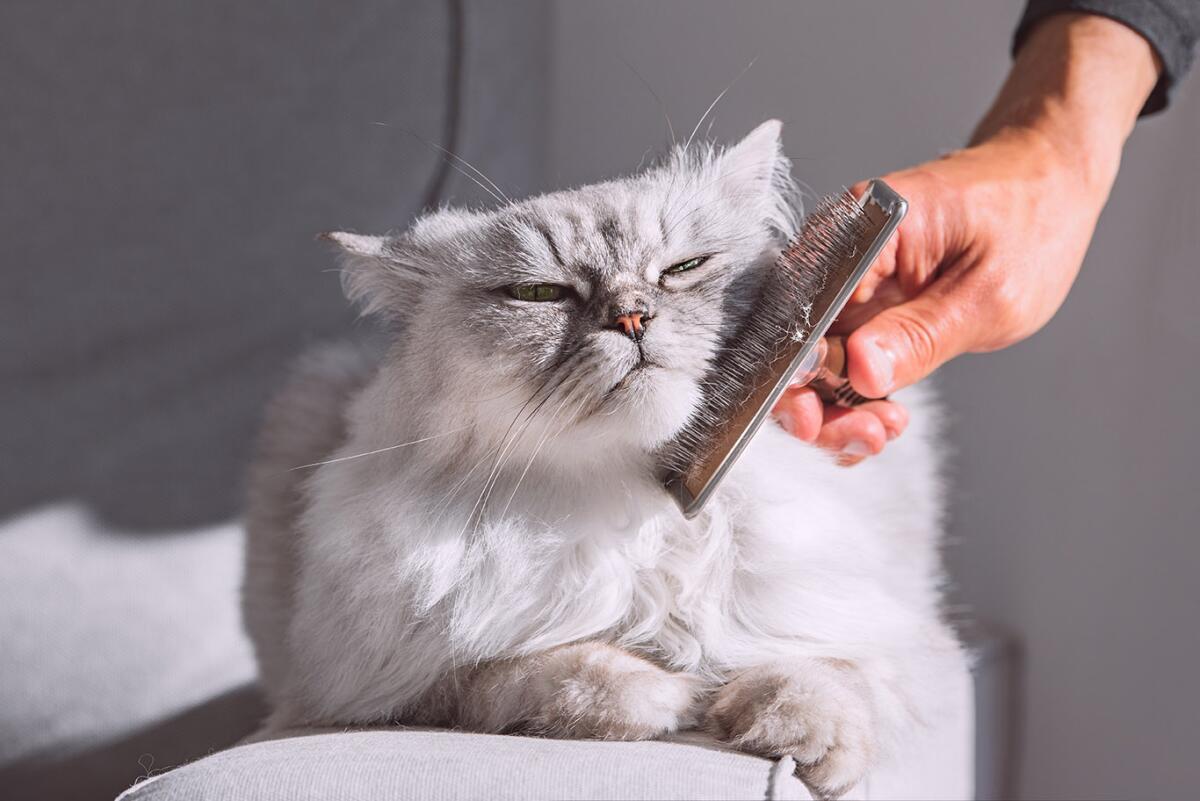
Have you ever watched your cat carefully lick its fur and wondered, “Is a cat grooming a good sign?” You might think it’s just a normal habit, but there’s more to it than meets the eye.
Your cat’s grooming can reveal a lot about its health, mood, and even your bond with it. Understanding what your cat’s grooming behavior means can help you take better care of your furry friend. Keep reading to discover why grooming matters and what it’s telling you right now.

Credit: www.latimes.com
Why Cats Groom Themselves
Cats spend a lot of time grooming themselves. This behavior is natural and important. Grooming helps cats stay healthy and comfortable. It serves several key purposes that benefit their well-being. Understanding why cats groom offers insight into their habits and moods.
Hygiene And Cleanliness
Cats groom to keep their fur clean and free of dirt. Grooming removes loose hair and parasites. It also helps prevent skin infections. Clean fur feels soft and looks shiny. This routine keeps cats neat and tidy.
Temperature Control
Grooming helps cats regulate their body temperature. By licking their fur, they spread saliva evenly. The saliva cools the skin as it evaporates. This is helpful on warm days. Grooming also fluffs the fur for insulation in cold weather.
Stress Relief
Grooming calms cats and reduces anxiety. It acts as a comforting activity during stress. Cats may groom more when nervous or bored. This behavior releases tension and promotes relaxation. Grooming is a natural way cats soothe themselves.
Credit: pethelpful.com
Grooming As A Social Signal
Grooming is more than just a way for cats to stay clean. It serves as an important social signal that helps them communicate and build relationships. Understanding this behavior can change how you interpret your cat’s actions and improve your bond with them.
Bonding With Other Cats
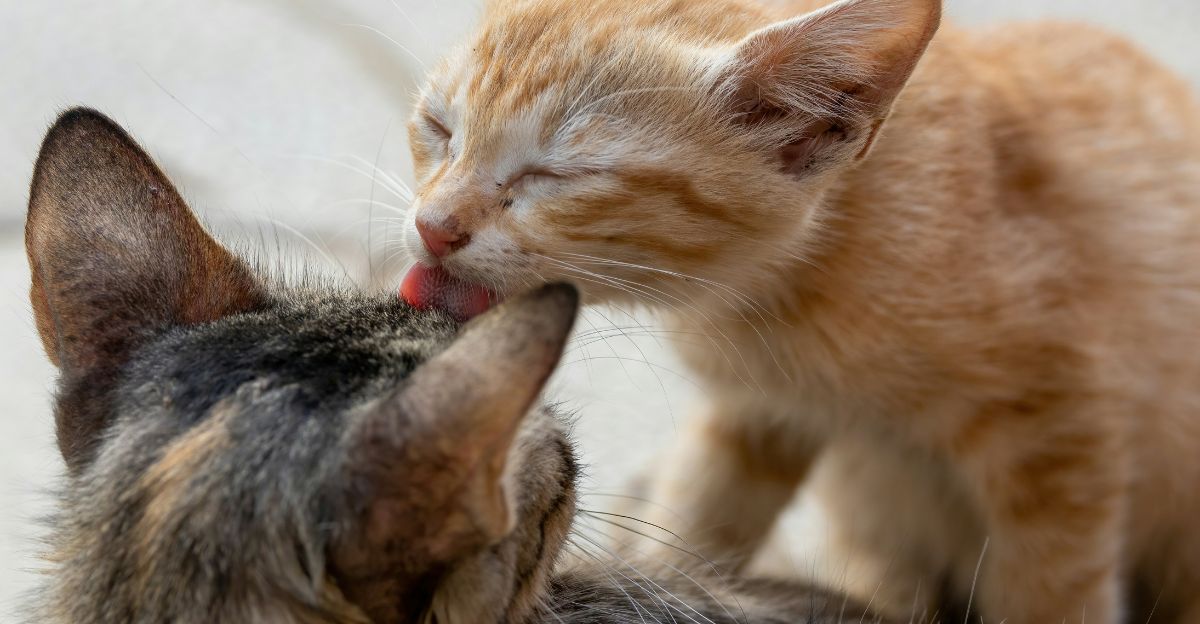
When cats groom each other, it’s called allogrooming. This act creates and strengthens social bonds between them. You might notice your cats licking each other’s fur or gently nibbling around the head and neck—these are signs of trust and friendship.
Have you seen your cats grooming each other and wondered if they like each other? This behavior shows they feel safe and connected. It’s their way of saying, “We’re part of the same group.”
Showing Affection To Humans
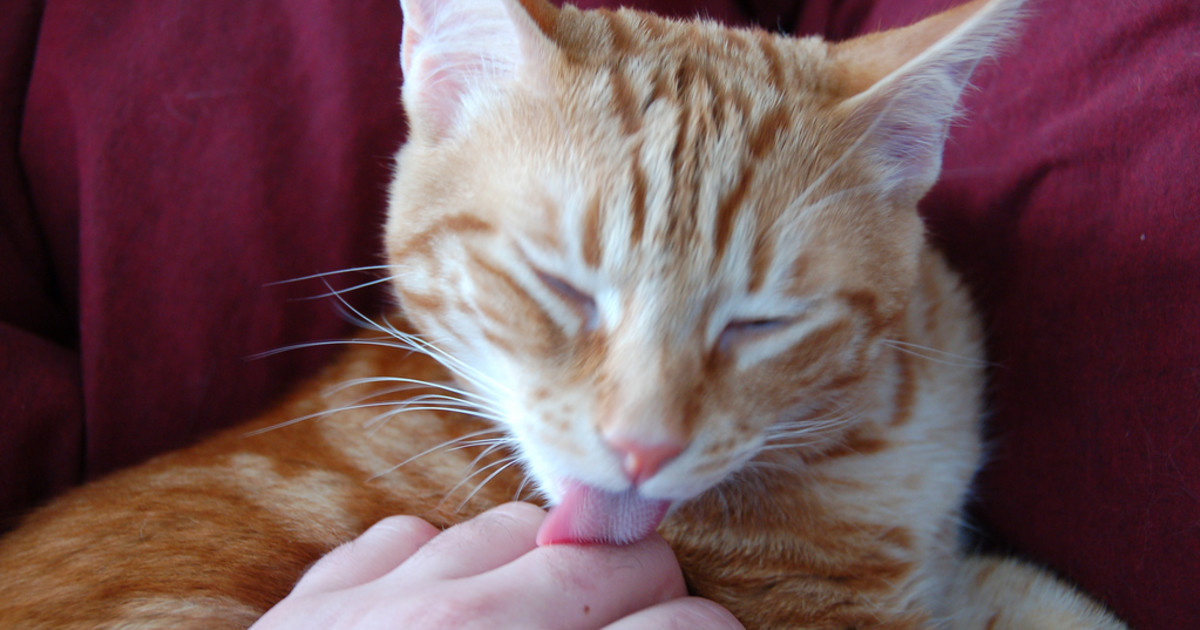
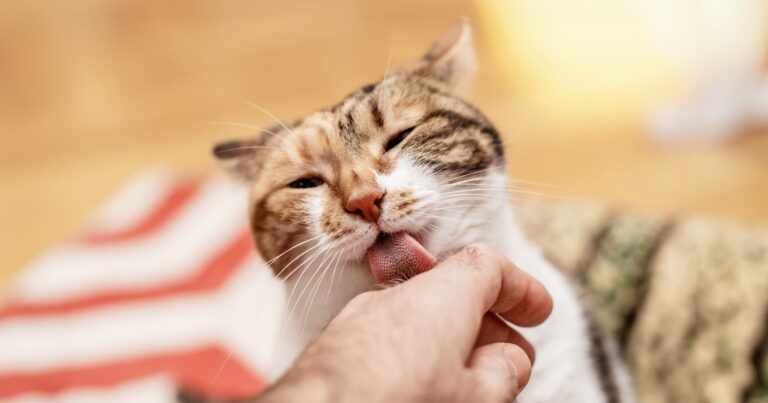
Grooming directed at you is a clear sign of affection. Your cat might lick your hand, face, or hair, mimicking the way they groom other cats. This is their way of including you in their social circle.
Think about the last time your cat gently licked you. It’s a small but meaningful gesture that shows they trust and care for you. Responding with soft petting can strengthen this unique bond.
Establishing Social Hierarchy
Grooming also plays a role in defining social status among cats. Dominant cats often groom subordinates, showing control and leadership. At the same time, the act can reduce tension and maintain peace within the group.
Have you noticed one cat grooming another more often? This might be a subtle way they’re sorting out their social roles. Paying attention to these interactions can help you understand your cat’s social world better.
When Grooming Indicates Health
Cats are natural groomers, spending hours licking their fur. Grooming not only keeps them clean but also indicates their health. Observing a cat’s grooming habits can reveal much about their well-being.
Signs Of A Healthy Cat
A healthy cat grooms regularly and thoroughly. You will notice their fur is shiny and free from mats. They also tend to groom after eating or using the litter box. This routine shows they feel comfortable and stress-free. Healthy grooming habits reflect a cat’s physical and emotional state.
Overgrooming And Skin Issues
Sometimes, cats groom too much, leading to bald patches. This can indicate skin irritation or allergies. Stress or anxiety can also cause excessive grooming. If you see your cat overgrooming, check for any changes in their environment. A vet visit may be necessary to address underlying health issues.
Lack Of Grooming As A Warning
When a cat stops grooming, it signals potential health problems. Illness, dental issues, or arthritis might make grooming difficult. Cats in pain often neglect their coat. Look for other signs, like changes in behavior or appetite. If grooming ceases, consult a vet to ensure your cat’s health remains intact.
Emotional Meanings Behind Grooming
Cats spend a lot of time grooming themselves. This behavior is more than just cleaning fur. It shows their feelings and mood. Understanding the emotional meanings behind grooming helps us connect with our pets better. Grooming can mean different things depending on the situation.
Grooming And Anxiety
Grooming often increases when cats feel anxious. It helps them cope with stress. The repetitive action calms their mind and body. Sometimes, too much grooming may signal nervousness or discomfort. Watching changes in grooming can alert owners to emotional struggles.
Comfort And Security
Grooming creates a sense of comfort and safety for cats. It reminds them of their kitten days with their mother. When cats groom themselves, they feel protected and relaxed. This act reassures them in unfamiliar or new environments. It is a sign they feel secure in their space.
Grooming As A Calming Behavior
Grooming acts as a natural calming behavior. It lowers a cat’s heart rate and stress levels. Cats use grooming to soothe themselves after excitement or tension. This habit helps maintain emotional balance and peace. It shows their need to feel calm and in control.
What Cat Grooming Means For You
Understanding what your cat’s grooming habits mean can deepen your connection with your furry friend. Grooming is more than just keeping clean—it’s a language cats use to communicate their feelings and health status. Paying attention to these behaviors can help you respond better to your cat’s needs and strengthen your bond.
Interpreting Grooming Behavior
When your cat grooms itself, it’s often a sign of comfort and contentment. Cats usually groom to relax or calm themselves, especially after stressful events like a visit to the vet or loud noises. However, excessive grooming might signal anxiety or skin problems.
Notice where your cat focuses its grooming. Areas that are hard to reach, like behind the ears or under the chin, might be itchy or painful if groomed excessively. Have you ever caught your cat licking a spot repeatedly? This could be a red flag worth monitoring.
Responding To Your Cat’s Grooming
Encourage healthy grooming by providing a clean, quiet environment where your cat feels safe. Regular brushing can help reduce shedding and prevent hairballs, making grooming a shared activity. If you see your cat grooming less, it might be time to check for dental issues or arthritis that make self-grooming difficult.
Try to observe your cat’s routine and adjust accordingly. If stress triggers over-grooming, adding playtime or interactive toys can distract and comfort your cat. How often do you engage with your cat during the day? Small changes in your interaction can improve their grooming habits.
When To Consult A Vet
Excessive grooming that leads to bald spots, sores, or scabs is a clear signal to seek veterinary advice. These symptoms may indicate allergies, parasites, or skin infections. Early diagnosis can prevent discomfort and more serious health issues.
If your cat suddenly stops grooming, it could be due to pain or illness. Conditions like obesity or dental disease often make grooming difficult. When was the last time your cat had a thorough check-up? Regular vet visits help catch problems before they affect grooming behavior.
Credit: www.diamondpet.com
Frequently Asked Questions
What Does Cat Grooming Indicate About Their Health?
Cat grooming usually signals good health. It helps keep their fur clean and skin healthy. Cats groom to remove dirt and parasites. Lack of grooming can mean stress or illness.
Is A Cat Grooming A Sign Of Happiness?
Yes, grooming often shows a cat feels safe and content. Cats groom themselves when relaxed. It’s a sign they are comfortable in their environment.
Can Cats Groom To Show Affection?
Cats groom others to bond and show trust. Mutual grooming strengthens social ties. It’s a positive sign of friendship and care.
Does Excessive Grooming Mean A Problem?
Excessive grooming can indicate stress, allergies, or skin issues. If a cat grooms too much, consult a vet. It may require medical attention.
Conclusion
Cat grooming shows they feel safe and happy around you. It means your cat trusts you deeply. Grooming helps cats stay clean and healthy. It also strengthens the bond between you and your pet. Watching your cat groom can bring calm and joy.
Remember, a cat that grooms is often content and relaxed. Pay attention to this behavior as a good sign. It tells you your cat feels loved and cared for. Keep giving your cat gentle care and time. This simple act speaks volumes about your cat’s feelings.

Leave a Reply