
Have you ever wondered just how many cat breeds exist in the world? If you’re a cat lover or thinking about adding a feline friend to your family, knowing the variety of cat breeds can help you find the perfect match.
From fluffy to sleek, playful to calm, each breed has its own unique charm. Keep reading, and you’ll discover surprising facts about popular and rare cat breeds that could change the way you see these amazing animals forever. Your next favorite feline might be just a scroll away!
Cat Breed Categories
Cats come in many breeds, each with unique traits. These breeds fit into three main categories. Understanding these groups helps in choosing the right cat. The categories are Natural Breeds, Hybrid Breeds, and Developed Breeds. Each group has special features and histories.
Natural Breeds
Natural breeds are cats that developed in the wild. They adapted over time to their environment. These cats have strong instincts and health. Examples include the Maine Coon and Siamese. They often have a history tied to a specific region. Their traits come from natural selection, not human breeding.
Hybrid Breeds
Hybrid breeds come from crossing domestic cats with wild cats. This mix creates unique looks and behaviors. Bengals and Savannahs are popular hybrid breeds. They have wild cat traits but live as pets. These breeds need special care due to their wild side. They are active and curious, needing space to explore.
Developed Breeds
Developed breeds result from careful breeding by humans. Breeders select traits like color, size, or coat type. Examples include Persians and Scottish Folds. These cats often have distinct appearances and temperaments. They may need special grooming or health care. Developed breeds showcase the diversity of domestic cats.
Credit: www.pawaii.com
Popular Cat Breeds
Popular cat breeds capture the hearts of many pet lovers worldwide. Each breed has its own unique traits and charm. Knowing about these breeds helps in choosing the right cat for your home and lifestyle.
Siamese
The Siamese cat is famous for its striking blue eyes and short coat. It has a sleek body and large ears. Siamese cats are very vocal and love to interact with their owners. They enjoy playtime and are highly intelligent.
Maine Coon
Maine Coons are one of the largest domestic cat breeds. They have long, thick fur and tufted ears. These cats are friendly and social, often called “gentle giants.” Maine Coons adapt well to families and other pets.
Persian
Persian cats are known for their long, luxurious coats and flat faces. They have a calm and quiet nature. Persians enjoy lounging and gentle petting. Their grooming needs are high due to their thick fur.
Bengal
Bengal cats look wild with their spotted coats and muscular build. They are active and playful, needing lots of exercise. Bengals are curious and love exploring their surroundings. They bond closely with their owners.
Rare And Exotic Breeds
Cat breeds number over seventy worldwide, including many rare and exotic types. These unique breeds often have distinct looks and traits, making them special to cat lovers everywhere.
Rare and Exotic Breeds When you think of cats, the image of a tabby or Siamese might come to mind. However, the world of feline breeds is vast and filled with rare and exotic options that are often overlooked. These unique breeds not only captivate with their beauty but also with intriguing histories and characteristics. Let’s dive into some of these rare gems of the feline world.Khao Manee
The Khao Manee, also known as the “White Gem,” is a dazzling breed from Thailand. Known for its striking white coat and piercing blue or mismatched eyes, this breed has a royal legacy, once treasured by Thai royalty. If you’re lucky enough to find one, you’ll discover a cat that’s not only beautiful but also affectionate and playful.Kurilian Bobtail
The Kurilian Bobtail hails from the remote Kuril Islands between Russia and Japan. With a distinctive pom-pom tail and robust build, these cats are natural hunters and love a good adventure. Despite their wild origins, Kurilian Bobtails are known to be gentle giants, making them a wonderful addition to any family looking for a unique pet.Chausie
The Chausie is a hybrid breed that combines the elegance of domestic cats with the wild allure of the jungle cat. With long legs and a sleek, muscular body, they resemble miniature cougars. Chausies are highly active and intelligent, requiring plenty of stimulation and play to keep them happy. Do you have what it takes to keep up with such an energetic feline? These rare breeds offer more than just aesthetic appeal; they bring unique personalities and stories that enrich the lives of their owners. Could one of these exotic breeds be the perfect companion for you?
Credit: meowfia.us
International Cat Breed Organizations
International cat breed organizations play a crucial role in defining and recognizing cat breeds worldwide. They set breed standards, organize competitions, and maintain official breed registries. Understanding these organizations helps you appreciate how many cat breeds exist and why some breeds are recognized in certain regions but not others.
Cfa Standards
The Cat Fanciers’ Association (CFA) is one of the largest and most influential cat breed organizations. It officially recognizes 45 breeds, each with detailed standards describing appearance, personality, and behavior.
For example, the CFA has strict rules about the Persian cat’s coat length and eye color. If you’re curious about the exact criteria for your favorite breed, CFA’s standards provide an excellent resource.
Tica Recognitions
The International Cat Association (TICA) is known for a more inclusive approach. It recognizes over 70 cat breeds, including some newer and experimental breeds that other organizations might not yet accept.
TICA’s flexibility means you might find breeds here that aren’t listed by CFA. This can make TICA a valuable reference if you want to learn about emerging or rare breeds.
Fife Lists
The Fédération Internationale Féline (FIFe) is a European-based organization that recognizes 48 breeds. It emphasizes consistency in breed standards across its member countries.
FIFe’s breed list often overlaps with CFA and TICA but also includes some unique European breeds. If you live in Europe or follow European cat shows, FIFe’s lists and standards are worth exploring.
How Breeds Are Classified
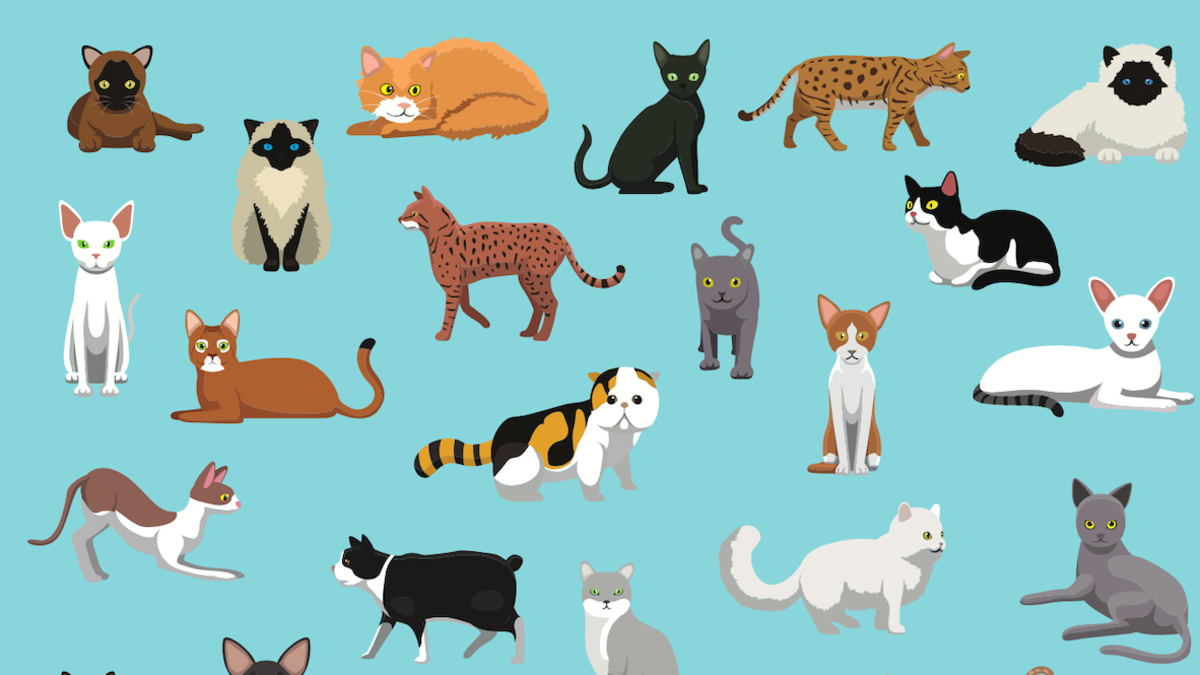
Understanding how cat breeds are classified helps you appreciate the variety and uniqueness each breed offers. Breed classification is not random; it follows specific criteria that highlight key differences and similarities among cats. This makes it easier for breeders, veterinarians, and cat lovers like you to identify and care for different breeds properly.
Physical Traits
Physical traits are the most noticeable way breeds are classified. This includes features like coat length, color patterns, body size, and ear shape. For example, the sleek Siamese stands out with its pointed coat and slender body, while the Maine Coon is known for its large size and bushy tail.
These traits don’t just define appearance—they can affect a cat’s lifestyle and care needs. Have you ever noticed how a long-haired cat requires more grooming than a short-haired one? Paying attention to these traits helps you choose a breed that fits your daily routine.
Genetics
Genetics play a crucial role in breed classification by tracing the inherited traits and lineage of cats. Breeds share genetic markers that confirm their ancestry and purity. This scientific approach ensures that breed standards are maintained over generations.
Genetic testing has also helped reveal unexpected relations between breeds. For instance, some breeds you thought were very different might share a common ancestor. Would knowing your cat’s genetic background change how you view its behavior or health risks?
Temperament
Temperament is a key factor in classifying breeds beyond looks and genetics. Some breeds are naturally more social and playful, like the Burmese, while others, such as the Russian Blue, tend to be more reserved. This helps potential owners find a cat that matches their lifestyle and personality.
Temperament classification is based on observed behaviors passed down through generations. It’s not just about how a cat acts but how it interacts with people and other pets. Have you considered how a breed’s personality might influence your daily interactions and bonding experience?
Credit: paradepets.com
Choosing The Right Cat Breed
Choosing the right cat breed can shape your entire experience as a pet owner. Each breed comes with its own personality traits, energy levels, and care needs. Understanding these differences helps you find a cat that fits naturally into your home and lifestyle.
Lifestyle Compatibility
Think about your daily routine and living situation before picking a breed. Active breeds like the Abyssinian or Bengal thrive in homes where they get plenty of playtime and interaction. If you have a busy schedule or prefer a calm environment, breeds like the British Shorthair or Persian may suit you better.
Do you have children or other pets? Some breeds, such as the Ragdoll, are known for their gentle and social nature, making them great family companions. Matching a cat’s temperament to your lifestyle can prevent frustration for both you and your furry friend.
Allergy Considerations
Allergies can be a major concern for many cat lovers. While no cat breed is completely hypoallergenic, some breeds produce fewer allergens. The Siberian and Balinese cats are often better tolerated by people with mild allergies.
Have you noticed mild reactions around cats before? Spending time with the breed you’re interested in can help you gauge your sensitivity. This step saves you from heartbreak and keeps your home comfortable for everyone.
Care Requirements
Every breed has unique grooming and health needs. Long-haired cats like the Maine Coon need regular brushing to avoid mats and hairballs. Short-haired breeds generally require less maintenance but still benefit from routine care.
Consider the time you can realistically dedicate to grooming and vet visits. Some breeds are prone to specific health issues, so researching these helps prepare you for future care. Choosing a breed that matches your ability to provide care ensures a happier, healthier pet.
Trends In Cat Breeding
Cat breeding trends show how the pet world changes over time. Breeders and cat lovers seek new traits and characteristics. These trends shape which breeds grow popular and which ones fade. Understanding these shifts helps enthusiasts know what to expect in the future.
Emerging Breeds
New cat breeds appear as breeders mix different types. These breeds often have unique looks or special traits. Some gain quick fame due to their charming appearance or personality. Examples include:
- The Lykoi, known as the “werewolf cat” for its wild look.
- The Toyger, bred to look like a miniature tiger.
- The Bambino, a short-legged breed with a playful nature.
Emerging breeds often attract attention from those seeking something fresh. They add variety to the world of cats and expand breed choices.
Breed Popularity Changes
Cat breed popularity shifts with time and trends. Some breeds become favorites due to media exposure or celebrity pet choices. Others decline as new breeds arrive or tastes change. For instance:
| Breed | Trend | Reason |
|---|---|---|
| Sphynx | Rising | Unique hairless look |
| Persian | Stable | Classic beauty and calm nature |
| Maine Coon | Increasing | Large size and friendly personality |
Popularity influences breeding focus and availability. It also affects how many cats of each breed enter homes worldwide.
Frequently Asked Questions
How Many Recognized Cat Breeds Exist Worldwide?
There are about 70 to 75 officially recognized cat breeds globally. Different cat associations may list slightly varied numbers. These breeds range from popular ones like Siamese to rare breeds like the Sokoke. Each breed has unique traits and history.
What Defines A Cat Breed Officially?
A cat breed is defined by distinct physical and genetic traits. Breeds must have consistent characteristics and documented lineage. Cat associations approve breeds after thorough research. This ensures breeders maintain specific standards for each breed.
Which Cat Breed Is The Most Popular?
The Domestic Shorthair is the most common, but officially, the Persian is highly popular. Popularity varies by region and trends. Persian cats are loved for their long fur and calm nature. Popular breeds often influence breeding and adoption.
Can New Cat Breeds Be Created?
Yes, new cat breeds can be developed through selective breeding. Breeders aim to combine traits from existing breeds to form new ones. It requires years of careful breeding and recognition by cat associations. New breeds often fill niche preferences.
Conclusion
Cats come in many breeds, each with its own charm. Over 70 recognized breeds exist worldwide. Every breed has unique traits and looks. People enjoy learning about these furry friends. Choosing a breed depends on your lifestyle and preferences. Cats bring joy and comfort to many homes.
Exploring breeds helps you find the perfect companion. Keep discovering to appreciate the variety of cats. Every cat breed tells a special story.



Leave a Reply