Have you ever wondered how the toys you played with shaped the way you see beauty? Barbie dolls, in particular, have long been a symbol of certain beauty ideals.
But what does research say about this? By exploring studies found on Google Scholar, you can uncover how toys like Barbie influence your thoughts about appearance and self-worth. This article will reveal surprising facts that might change the way you think about toys and beauty standards—keeping you hooked until the very end.
Ready to see how something as simple as a doll can impact your view of beauty? Let’s dive in.
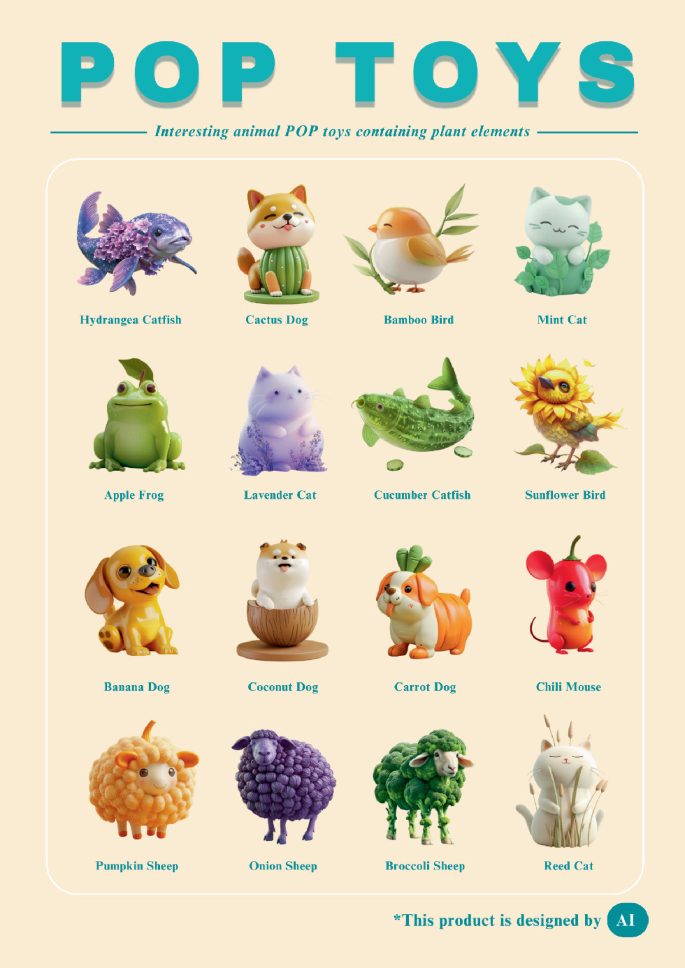
Credit: link.springer.com
Barbie’s Role In Shaping Beauty Ideals
Barbie has been more than just a toy; she has played a significant role in shaping beauty ideals for generations. Through her evolving looks and the messages she carries, Barbie influences how young people perceive beauty and self-worth. Understanding her impact helps you see the power toys have in reflecting and molding societal standards.
Historical Evolution Of Barbie’s Appearance
Barbie first appeared in 1959 with a tall, slim figure, blonde hair, and European features. This look set a specific beauty standard that many children aspired to but few could realistically identify with.
Over the decades, Barbie’s appearance has changed subtly to reflect cultural shifts, such as the introduction of different hairstyles and fashion styles. Yet, the core image remained narrow, often emphasizing unrealistic body proportions and flawless features.
Have you ever considered how these changes might affect a child’s self-image as they grow up? The evolution of Barbie shows how beauty ideals can be both persistent and slow to change.
Cultural Impact Of Barbie On Beauty Norms
Barbie’s widespread popularity means she has a strong cultural influence beyond just being a toy. She often represents an idealized version of beauty that children internalize as a norm.
This ideal can shape expectations around body shape, skin tone, and fashion, sometimes causing frustration or insecurity in those who don’t fit the mold. It raises the question: how much do these toys contribute to societal pressures about appearance?
Studies in Google Scholar highlight that Barbie’s image can affect children’s perceptions of gender roles and beauty standards, reinforcing certain stereotypes while excluding others.
Representation And Diversity In Barbie Dolls
In recent years, Barbie has introduced dolls with a wider range of skin tones, body types, and abilities. This shift aims to create a more inclusive representation of beauty.
These changes help children see themselves reflected in their toys, which can improve self-esteem and broaden their understanding of beauty. Yet, some critics argue that true diversity requires continuous effort, not just surface changes.
Have you noticed how diverse dolls impact your own or others’ views on beauty? It’s a reminder that representation matters deeply, especially in formative years when identity is still developing.
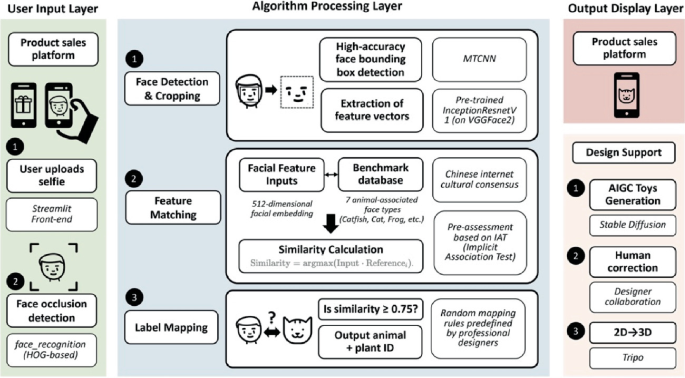
Credit: link.springer.com
Academic Insights From Google Scholar
Google Scholar offers a treasure trove of academic research that sheds light on how toys, especially dolls like Barbie, shape and reflect societal beauty standards. These studies provide evidence beyond opinions and personal stories, revealing the deeper psychological and social impacts of toy designs on children. Understanding this research helps you see the influence toys have on self-image and aspirations.
Key Studies On Toys And Beauty Standards
Several pivotal studies focus on Barbie as a symbol of idealized beauty. Researchers analyze how Barbie’s unrealistic body proportions can affect children’s perceptions of their own bodies. One study found that girls exposed to Barbie dolls reported lower body satisfaction compared to those playing with dolls featuring more diverse or realistic shapes.
Other research explores how toys reinforce gender norms by promoting specific beauty ideals. These studies often highlight Barbie’s role in perpetuating narrow standards of attractiveness, which can limit a child’s understanding of beauty and self-worth.
Methodologies Used In Toy-related Research
Researchers use a variety of methods to study the impact of toys on beauty standards. Common approaches include experimental designs where children play with different types of dolls, followed by assessments of their body image and self-esteem. Surveys and interviews with children and parents provide additional insights into attitudes and feelings toward toy influences.
Longitudinal studies track changes over time, revealing how repeated exposure to certain toy images can affect development. Some researchers also use content analysis, examining advertising and packaging to understand the messages toys send about beauty.
Findings On Psychological Effects Of Dolls
Research shows that playing with dolls like Barbie can impact children’s psychological well-being in measurable ways. Many studies link exposure to dolls with unrealistic body shapes to increased body dissatisfaction and the desire to conform to societal beauty ideals. This can contribute to lower self-esteem and even eating disorders later in life.
On the other hand, dolls that feature diverse body types and ethnicities tend to promote a healthier self-image. You might wonder: could choosing toys that celebrate diversity help children develop stronger confidence and a more realistic sense of beauty? The evidence suggests it can.
Toys As Tools Of Socialization
Toys play a key role in how children learn about themselves and the world. They shape ideas about beauty, behavior, and social roles. Through play, children absorb messages about what is normal and desirable. Toys often reflect and reinforce society’s standards. This socialization process starts early and impacts children’s self-esteem and identity.
Influence Of Toys On Children’s Self-image
Toys affect how children see their bodies and worth. Dolls like Barbie show slim figures and flawless looks. Children may compare themselves to these images. This can shape their ideas about beauty and acceptance. Toys send silent messages about what is attractive and valued. They influence children’s confidence and how they feel in their own skin.
Gender Roles Reinforced Through Toys
Toys often separate boys and girls into specific roles. Girls get dolls and beauty sets. Boys receive action figures and building kits. This division teaches children what is “for them.” It limits how children explore their interests and skills. The toys push traditional ideas about how boys and girls should act. These roles become part of children’s social understanding.
Consumerism And Beauty Expectations
Toys encourage buying more products to fit beauty ideals. Barbie dolls come with many outfits and accessories. This creates a need to buy to “complete” the look. Advertising links beauty with owning certain toys or brands. Children learn that appearance and possessions matter a lot. This connection between beauty and consumerism shapes their values and desires.

Credit: www.mdpi.com
Challenges And Criticisms
Toys like Barbie have sparked many debates about beauty standards. These toys often show a single, narrow idea of beauty. This can cause problems for children learning about themselves and others. Critics say these toys can harm how kids see their bodies and self-worth. Understanding these challenges helps us see the bigger picture.
Critique Of Unrealistic Body Images
Barbie dolls often have body shapes that are not realistic. Their slim waists and long legs set an impossible standard. This narrow image ignores the diversity of real bodies. Children may think they must look like the doll to be beautiful. Such ideals can limit acceptance of different body types.
Impact On Mental Health And Self-esteem
Constant exposure to these beauty ideals can hurt children’s self-esteem. Kids might feel unhappy with their own bodies. This can lead to anxiety and body image issues. Some studies link toys to early development of negative self-image. Mental health problems can arise from comparing oneself to unrealistic dolls.
Responses From Toy Manufacturers
Toy makers have heard the criticisms and started making changes. Some companies now offer dolls with diverse body shapes, skin tones, and hair types. These new dolls aim to represent more children and promote self-acceptance. The shift shows a move towards inclusive and positive messages. But the journey to change old standards is ongoing.
Shifts Toward Inclusive Beauty In Toys
The world of toys has seen a significant transformation. Beauty standards once dictated the design of dolls and playthings. Today, there’s a conscious shift towards inclusivity. Toy companies now reflect diverse beauty standards. This change is evident in the growing variety of dolls available. The aim is to embrace and celebrate differences.
Emergence Of Diverse Doll Lines
Toy companies now offer dolls in various skin tones and body types. Barbie, once criticized for her unrealistic figure, has evolved. She now comes in tall, petite, and curvy versions. Other brands have followed suit, creating dolls with disabilities and different hairstyles. This diversity ensures every child feels represented.
Role Of Social Movements In Toy Design
Social movements have played a vital role in this evolution. The push for inclusivity in media and fashion has impacted toys. Parents and activists demand representation in children’s products. Toy makers listen and adapt to these changes. They now aim to promote acceptance and understanding from a young age.
Future Trends In Toy Industry
The future of toys looks promising with continued inclusivity. Companies are exploring more customization options for dolls. Interactive features that allow personalization are on the rise. Virtual reality might soon let children design their own dolls. The industry is set to become even more inclusive and innovative.
Frequently Asked Questions
How Do Toys Influence Beauty Standards In Children?
Toys like Barbie shape children’s views on beauty by promoting specific body types. They often emphasize unrealistic physical traits, impacting self-image and confidence from a young age.
What Does Google Scholar Say About Barbie And Beauty Ideals?
Google Scholar research highlights Barbie’s role in reinforcing narrow beauty ideals. Studies show Barbie dolls affect children’s perceptions of attractiveness and gender roles globally.
Are There Toys Challenging Traditional Beauty Standards?
Yes, many modern toys promote diversity and inclusivity. Brands now create dolls with various body types, skin tones, and abilities to reflect real-world beauty standards.
Why Is It Important To Study Toys And Beauty Standards?
Studying toys helps understand early socialization and its effects on self-esteem. It reveals how toys contribute to shaping societal expectations around beauty and identity.
Conclusion
Toys like Barbie shape how children see beauty every day. They show certain body types and styles as ideal. This influences kids’ ideas about looks and self-worth. Studies on Google Scholar highlight these effects clearly. Parents and educators should think about what toys teach.
Choosing diverse and realistic toys can help children feel accepted. Toys hold power to shape young minds and values. It’s important to be aware and guide children wisely. Small changes in toy choices can make a big difference.



Leave a Reply