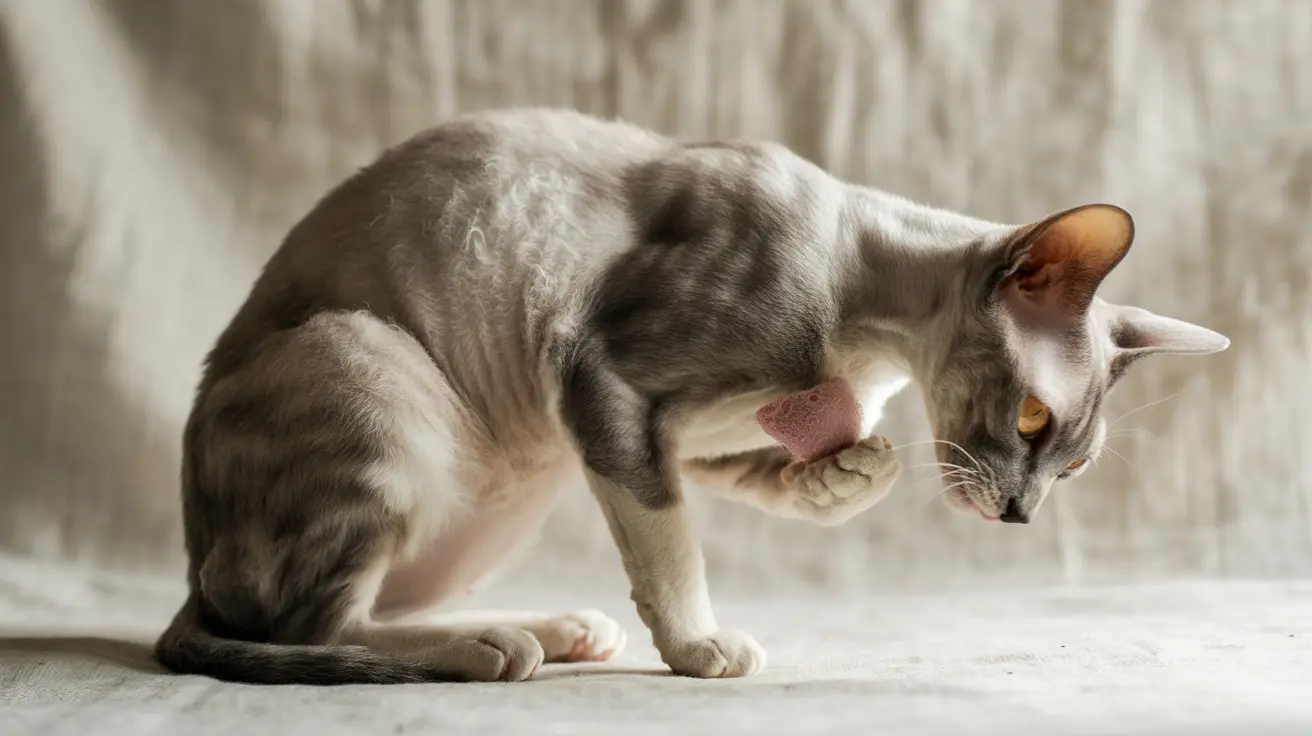
Is your cat spending too much time licking or grooming itself? You might be dealing with feline OCD, also known as obsessive grooming.
This behavior can cause discomfort and even harm your furry friend if left unchecked. But don’t worry—you’re not alone, and there are effective ways to help your cat feel better. You’ll discover simple steps to understand and treat your cat’s OCD grooming.
By the end, you’ll know exactly how to support your cat’s health and happiness. Keep reading to find out how you can make a real difference in your pet’s life.

Credit: www.reddit.com
Signs Of Ocd Grooming In Cats
Noticing signs of OCD grooming in your cat early can make a big difference in managing the condition. Cats with this issue often show specific behaviors that go beyond normal grooming. Recognizing these signs helps you take action before your cat’s skin or fur suffers serious damage.
Excessive Licking And Biting
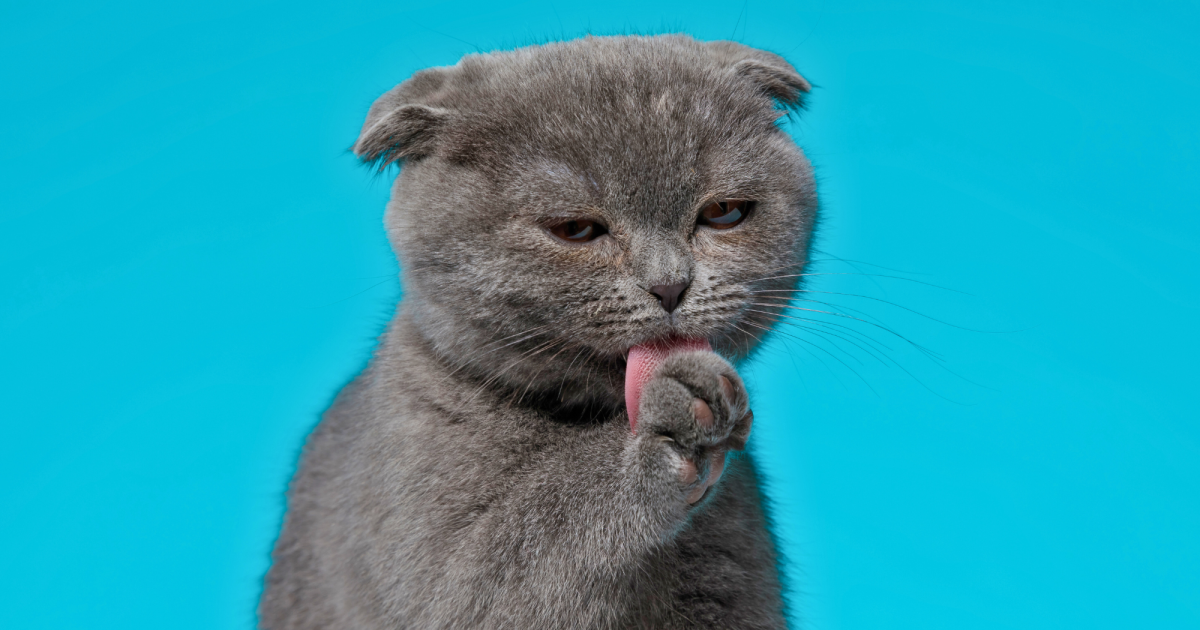
If your cat spends an unusual amount of time licking or biting a particular area, it could be a red flag. This behavior goes beyond regular cleaning and becomes repetitive, almost like a compulsion.
You might see your cat returning to the same spot repeatedly, even when there’s no visible irritation or injury. Ask yourself: Is your cat grooming to relax, or is it stuck in a loop it can’t break?
Hair Loss Patterns
Look closely at where your cat is losing fur. OCD grooming often causes symmetrical or patchy hair loss. Unlike natural shedding, these bald spots appear in concentrated areas like the belly, legs, or tail base.
Hair thinning or bald patches that keep appearing despite your efforts to protect the skin are a clear signal. Have you noticed these patterns growing over time or spreading to new areas?
Behavioral Changes
OCD grooming doesn’t just affect your cat’s fur; it changes how they act. Your cat may become more anxious, restless, or even irritable when you try to intervene.
Sometimes, they withdraw from play or social interaction, focusing all their energy on grooming instead. How different does your cat’s mood seem compared to their usual self?

Credit: www.angiesmobilepetstyling.com
Causes Of Ocd Grooming
OCD grooming in cats involves excessive licking or chewing that harms their skin or fur. Understanding what causes this behavior is important for effective treatment. Various factors can trigger or worsen OCD grooming. Identifying these causes helps to manage your cat’s health and happiness better.
Stress And Anxiety Triggers
Stress and anxiety are common reasons for OCD grooming. Cats may over-groom to cope with fear or nervousness. Changes in routine, loud noises, or new pets can cause stress. Lack of attention or boredom also leads to anxious behavior. Grooming acts as a way to self-soothe and reduce tension.
Medical Issues
Health problems can cause or worsen OCD grooming. Skin allergies, infections, or parasites often make cats lick or chew more. Pain from arthritis or injuries may also trigger excessive grooming. Hormonal imbalances and neurological disorders play a role too. A vet checkup is essential to rule out medical causes.
Environmental Factors
The cat’s environment influences grooming habits. Limited space, lack of stimulation, or poor hygiene can increase stress. Overcrowded homes or conflict with other pets may cause anxiety. Changes in the home, like moving or new furniture, can disrupt your cat’s comfort. Creating a calm and engaging space helps reduce OCD grooming.
Veterinary Diagnosis
Getting a clear veterinary diagnosis is essential when dealing with your cat’s OCD grooming. It helps identify the root cause and guides you toward effective treatment. Vets use several approaches to understand what’s behind your cat’s behavior.
Physical Examination
The vet will carefully check your cat’s skin and fur for any signs of irritation, wounds, or parasites. These issues often trigger excessive grooming, so spotting them early is crucial. Sometimes, what looks like OCD might be a response to pain or discomfort.
During the exam, your vet might also assess your cat’s overall health. A sick or stressed cat is more likely to develop compulsive habits. You might be surprised how often a simple physical issue hides behind complex behaviors.
Allergy Testing
Allergies can cause intense itching and lead to obsessive grooming in cats. Your vet might suggest allergy testing to check for reactions to food, pollen, or fleas. Identifying allergies can significantly reduce your cat’s urge to over-groom.
Tests can include blood work or skin tests, depending on your cat’s symptoms. Think about any recent changes in your cat’s environment or diet, as these might be clues to allergens. Have you noticed your cat licking one spot more after a new food or toy?
Behavioral Assessment
Sometimes, OCD grooming isn’t caused by physical problems but by stress or boredom. The vet may observe your cat’s behavior and ask about its daily routine and environment. Understanding these factors helps determine if anxiety or lack of stimulation is a trigger.
Sharing details like changes in household dynamics or new pets can reveal stress sources. Your vet might suggest changes in your cat’s environment or recommend a specialist in animal behavior. Have you considered how your cat’s mood and surroundings influence its grooming habits?
Home Remedies To Reduce Grooming
Excessive grooming in cats often signals stress or boredom. Home remedies can help reduce this behavior safely. These simple steps create a better environment and keep your cat’s mind busy. Consistent care makes a big difference.
Create A Calm Environment
Stress triggers obsessive grooming in cats. Provide a quiet and safe space for your cat. Use soft bedding and keep noise levels low. Avoid sudden changes in the home that might upset your cat. A calm environment helps reduce anxiety and grooming urges.
Use Interactive Toys
Interactive toys keep cats entertained and distracted. Toys that move or make sounds attract their attention. Rotate toys often to maintain interest. Puzzle feeders also stimulate your cat’s mind. Mental engagement helps reduce obsessive grooming habits.
Regular Playtime And Exercise
Active cats groom less out of boredom. Set aside time daily for play sessions. Use toys like feather wands or laser pointers. Exercise releases energy and lowers stress levels. A tired cat is less likely to over-groom.
Medical Treatments For Ocd Grooming
Obsessive grooming in cats can be challenging for pet owners. Seeking medical treatments might be necessary to help your cat. These treatments can provide relief and improve your cat’s quality of life. Let’s explore some effective medical treatments for OCD grooming.
Medications And Supplements
Medications can help reduce anxiety and compulsive behaviors. Veterinarians often prescribe antidepressants or anti-anxiety drugs. These can calm your cat and reduce excessive grooming. Supplements like omega-3 fatty acids may also help. They support skin health and reduce inflammation. Always consult your vet before starting any medication or supplement.
Topical Treatments
Topical treatments can soothe irritated skin. These creams or sprays provide relief from itching. They can help break the grooming cycle. Look for products with natural ingredients. Aloe vera and chamomile are soothing options. Apply these treatments as recommended by your vet.
Therapeutic Baths
Therapeutic baths can be beneficial for cats with OCD grooming. Use medicated shampoos designed for cats. These shampoos can reduce skin irritation and inflammation. Follow your vet’s instructions for bathing frequency. Ensure the water is warm and the environment calm. This process can be therapeutic for both you and your cat.
Credit: pethelpful.com
Behavioral Therapy Techniques
Behavioral therapy techniques can make a significant difference in managing your cat’s OCD grooming. These approaches focus on changing your cat’s behavior by encouraging positive actions and reducing stress triggers. Understanding and applying these techniques helps you support your cat’s mental well-being effectively.
Positive Reinforcement
Reward your cat when they stop excessive grooming and engage in healthy behaviors instead. Use treats, petting, or playtime as immediate rewards to encourage these good habits.
For example, if your cat stops licking a spot excessively, gently praise and offer a favorite toy. This helps your cat associate positive feelings with stopping the compulsive behavior.
Distraction Methods
Distract your cat from obsessive grooming by offering engaging activities. Toys, puzzle feeders, or interactive play sessions can redirect their focus.
Notice when your cat starts to groom obsessively and gently intervene with a new activity. Have you tried switching their attention to a feather wand or a laser pointer? These simple distractions can break the cycle of repetitive grooming.
Routine Establishment
Cats thrive on predictability, so setting a daily routine can reduce anxiety that triggers OCD grooming. Feed, play, and rest at consistent times every day.
When your cat knows what to expect, they feel safer and less likely to engage in stress-driven behaviors. Does your cat have a regular playtime? Adding structure might calm their mind and reduce compulsive grooming.
Preventing Ocd Grooming Relapses
Preventing relapses of OCD grooming in cats requires ongoing care and attention. It involves managing triggers that cause stress and providing a stable environment. Consistency helps your cat feel safe and lowers the chance of repetitive grooming.
Monitor Stress Levels
Watch for signs of stress in your cat daily. Changes in behavior, hiding, or vocalizing more can indicate stress. Use calm voices and gentle touch to comfort your cat. Reduce loud noises and avoid sudden changes in the home. Keep a quiet, safe space where your cat can relax without disturbance.
Maintain A Consistent Routine
Cats thrive on routine. Feed and play with your cat at the same times each day. Consistent schedules help reduce anxiety and prevent compulsive behaviors. Provide regular playtime to keep your cat mentally and physically active. Avoid sudden changes in their environment or daily habits.
Regular Vet Checkups
Schedule routine visits to the vet to track your cat’s health. Vets can spot early signs of skin issues or stress-related problems. Discuss any changes in grooming habits during visits. Follow vet advice on treatments or behavior modifications to keep OCD grooming in check.
Frequently Asked Questions
What Causes Ocd Grooming In Cats?
OCD grooming in cats often stems from stress, anxiety, or boredom. It can also result from skin irritations or allergies. Identifying the root cause is crucial for effective treatment. Consulting a vet helps rule out medical issues and develop a tailored care plan.
How Can I Stop My Cat’s Excessive Grooming?
To stop excessive grooming, reduce stress and provide mental stimulation. Use interactive toys, regular playtime, and a calm environment. In some cases, vets may recommend medication or behavior therapy. Consistency and patience are key to managing OCD grooming successfully.
When Should I See A Vet For My Cat’s Grooming?
Visit a vet if grooming causes hair loss, skin sores, or bleeding. Also, seek help if grooming behavior suddenly increases or your cat seems distressed. Early intervention prevents complications and improves your cat’s comfort and health.
Can Diet Affect My Cat’s Grooming Habits?
Yes, diet can impact grooming habits. Nutritional deficiencies or food allergies can cause skin problems, leading to excessive grooming. Feeding a balanced, hypoallergenic diet may reduce symptoms. Always discuss diet changes with your vet for best results.
Conclusion
Treating your cat’s OCD grooming takes patience and care. Watch your cat’s behavior closely every day. Offer toys and playtime to reduce stress. Keep a calm home environment for your pet. Consult a vet if the problem stays. Small changes can improve your cat’s health.
Trust your instincts and act gently. Your cat depends on you for comfort. Helping your cat feel safe matters most.



Leave a Reply