Have you ever looked at your cat and wondered what breeds make up their unique look and personality? Knowing your cat’s breed can help you understand their behavior, health needs, and even how to care for them better.
But figuring out your cat’s breed isn’t always easy just by looking. You’ll discover simple, effective ways to identify the breeds in your cat. By the end, you’ll feel more connected to your furry friend and confident in understanding what makes them special.
Keep reading to unlock the secrets behind your cat’s breed!
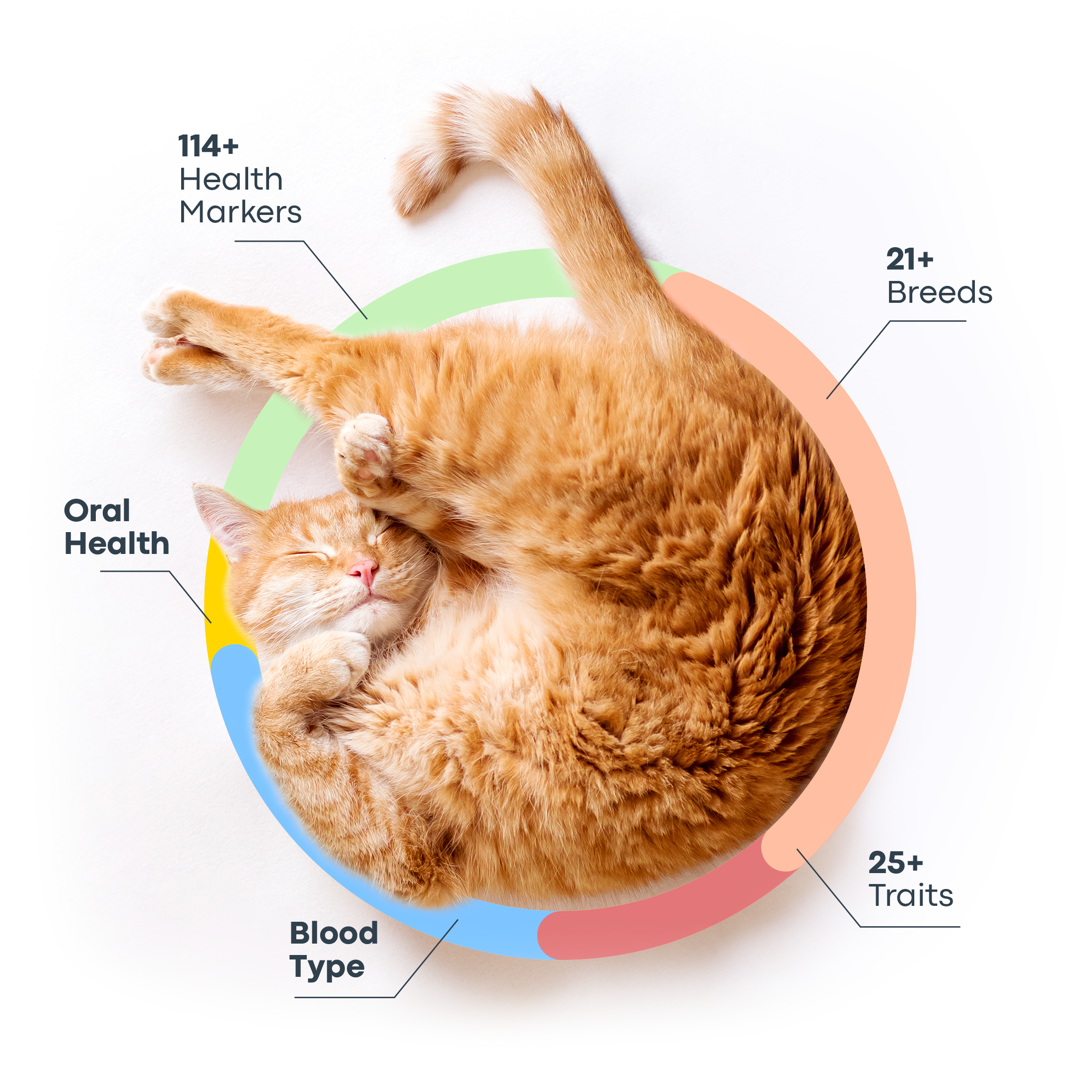
Credit: basepaws.com
Cat Breed Basics
Understanding the basics of cat breeds helps identify your cat’s unique traits. Each breed has specific features that make it stand out. Learning these can improve your care and deepen your bond with your pet.
Breeds are grouped by their physical traits and behavior. Some cats have long hair, others short. Some are calm, others playful. Recognizing these differences is key to telling breeds apart.
Common Cat Breeds
- Persian:Known for long, thick fur and a flat face.
- Siamese:Sleek body, blue almond-shaped eyes, and color points on ears, face, paws, and tail.
- Maine Coon:Large size, tufted ears, and bushy tail.
- Bengal:Spotted or marbled coat resembling a wild leopard.
- British Shorthair:Round face, dense coat, and stocky build.
- Ragdoll:Large, fluffy, with striking blue eyes and a relaxed nature.
Traits That Define Breeds
| Trait | What to Look For |
|---|---|
| Coat Length | Short, medium, or long hair |
| Color Patterns | Solid, tabby, spotted, or color points |
| Eye Shape and Color | Round, almond-shaped, blue, green, or copper |
| Body Size and Shape | Small, medium, large; slender or stocky |
| Ear Shape | Pointed, rounded, tufted tips |
| Personality Traits | Playful, calm, vocal, or shy |
Physical Features To Check
Physical features provide clear clues about a cat’s breed. Observing these traits helps identify unique breed characteristics. Focus on the coat, body shape, eyes, and ears. These parts often differ between breeds. Noticing small details can reveal your cat’s breed heritage.
Coat Patterns And Colors
Coat patterns vary widely among breeds. Common patterns include solid, tabby, calico, and pointed. Colors range from black, white, and gray to orange and cream. Some breeds have distinctive markings like spots or stripes. Texture matters too: short, long, curly, or silky fur can indicate breed type.
Body Shape And Size
Body shape tells much about breed. Some cats are slim and elegant, like Siamese. Others are stocky and muscular, such as British Shorthairs. Size also varies: small breeds stay lightweight, while others grow larger. Pay attention to leg length, tail shape, and overall build for clues.
Eye Shape And Color
Eye shape and color can signal breed traits. Round, almond, or slanted eyes appear in different breeds. Eye color ranges from green, blue, amber, to odd-eyed (two different colors). Some breeds, like Siamese, often have striking blue eyes. Watch for eye shape combined with color for better hints.
Ear Shape And Position
Ear shape varies by breed. Some cats have large, pointed ears standing tall. Others have small, rounded ears sitting low on the head. Ear tufts or curled tips appear in breeds like Maine Coons or Scottish Folds. Ear size, shape, and position add key details to breed identification.
Behavior Clues
Behavior clues offer valuable insights when trying to identify your cat’s breed. Each breed has unique traits that show up in how your cat acts daily. Observing these behaviors can narrow down the possibilities and even reveal surprising breed influences.
Activity Levels
Watch how energetic your cat is throughout the day. Some breeds like Bengals are highly active and demand a lot of playtime, while others like Persians prefer lounging and minimal movement.
If your cat constantly seeks adventure, climbing and exploring, it might hint at a breed known for high energy. On the other hand, a cat that enjoys calm naps and gentle play could belong to a more laid-back breed.
Social Habits
Notice how your cat interacts with people and other animals. Breeds like Siamese often crave human attention and will follow you around, while others, such as Russian Blues, may be more reserved and independent.
Does your cat enjoy being held and cuddled, or do they keep their distance? These preferences can point toward specific breed tendencies, helping you understand your feline friend better.
Vocalization Patterns
Pay attention to how vocal your cat is. Some breeds, like Siamese, are famously talkative and use a wide range of sounds to communicate, while others are quieter and only meow occasionally.
Try to identify when and why your cat vocalizes. Is it a demand for food, a greeting, or a sign of discomfort? Vocal patterns can reveal breed traits and also help you respond better to your cat’s needs.
Using Technology For Identification
Technology has made identifying your cat’s breed easier and more accurate than ever. Instead of guessing based on looks alone, you can use modern tools to get detailed insights about your feline friend. These tech options save time and provide reliable results, helping you understand your cat’s unique heritage.
Cat Dna Testing Kits
Cat DNA testing kits are a popular way to discover your cat’s breed mix. You simply collect a small sample, usually a cheek swab, and send it to a lab. Within weeks, you receive a detailed report outlining the breeds present in your cat’s DNA.
These kits can reveal surprises—like hidden breeds you didn’t expect. They also identify health risks linked to certain breeds, helping you plan better care. Have you ever wondered what breeds make your cat’s personality so unique? DNA tests can answer that.
Mobile Apps For Breed Identification
Mobile apps offer a quick way to identify your cat’s breed using photos. You just take clear pictures of your cat’s face and body, and the app compares them to a database of breeds. Many apps provide breed descriptions, personality traits, and care tips.
While not as precise as DNA tests, apps are handy for instant curiosity and fun. They can help you learn more about your cat’s looks and behavior. Have you tried snapping a photo to see what breed your cat might be?
Consulting Experts
Identifying your cat’s breed can be exciting. Consulting experts provides valuable insights. They have the knowledge and tools to help you. Experts can guide you through the process with ease.
Veterinarians
Veterinarians are knowledgeable about many cat breeds. They can examine your cat’s physical traits. They may also consider your cat’s behavior and health history. With their expertise, they can provide a professional opinion. A visit to the vet can be the first step in identifying your cat’s breed.
Cat Breeders And Enthusiasts
Cat breeders often have extensive knowledge of specific breeds. They can identify subtle traits in your cat. Enthusiasts share a passion for cats and often have deep breed knowledge. Joining a cat club can also connect you with experienced cat lovers. These experts can offer detailed insights into your cat’s breed characteristics.
Recognizing Common Mixes
Recognizing common mixes in your cat can feel like detective work. Many cats don’t fit neatly into one breed category, especially if they come from shelters or rescues. Understanding typical mixed breed traits helps you appreciate your cat’s unique personality and appearance.
Popular Hybrid Traits
Mixed breed cats often show a blend of characteristics from two or more breeds. You might notice a sleek, Siamese-like body paired with the fluffy tail of a Maine Coon. These hybrids can surprise you with their varied looks and behaviors.
- Coat Patterns:Tabby stripes combined with solid colors or patches are common in mixes.
- Body Shape:Some cats may have the muscular build of a Bengal but the rounded face of a British Shorthair.
- Personality Traits:A mix might bring the curiosity of an Abyssinian with the calmness of a Ragdoll.
I once met a cat that looked like a tiny leopard but acted like a gentle lap cat. It was a perfect example of how mixed breeds can surprise you by blending traits you didn’t expect. Have you noticed any unusual traits in your cat that don’t seem to match a single breed?
What To Expect From Mixed Breeds
Mixed breed cats often have balanced temperaments. They tend to be adaptable and healthy due to their diverse gene pool. This makes them great companions in various environments.
Because mixed breeds don’t follow strict breed standards, their size and behavior can vary widely. Your cat might be playful and active like a Siamese or more laid-back like a Persian. Observing how your cat acts daily can give you clues about their breed influences.
- Health:Mixed breeds usually have fewer genetic problems.
- Behavior:Expect a unique personality shaped by multiple breed traits.
- Appearance:Look for a combination of colors, fur lengths, and body shapes.
Have you ever wondered if your cat’s quirks come from a hidden breed in their family tree? Paying attention to these details can help you connect more deeply with your feline friend.
Maintaining Your Cat’s Health
Maintaining your cat’s health is key to a long and happy life. Different breeds may need different care. Knowing your cat’s breed helps you focus on their special needs. Regular care keeps your pet strong and active. Watch for any signs of illness or discomfort. Early action can prevent serious problems.
Breed-specific Health Concerns
Some cat breeds face unique health issues. For example:
- Siamese cats may have respiratory problems.
- Maine Coons can develop heart disease.
- Persians often suffer from eye conditions.
Learn about your cat’s breed risks. This knowledge helps in spotting problems early. Consult your vet about breed-specific tests. Keeping track of health signs supports timely care.
General Care Tips
Healthy cats need routine care every day. Follow these tips:
- Feed balanced food made for cats.
- Provide fresh water at all times.
- Keep litter boxes clean and accessible.
- Brush their fur regularly to avoid mats.
- Give toys and playtime for exercise.
- Schedule yearly vet check-ups and vaccinations.
- Watch for changes in behavior or appetite.
Simple actions make a big difference. A healthy cat is a happy cat.

Credit: apps.apple.com

Credit: www.threads.com
Frequently Asked Questions
How Can I Identify My Cat’s Breed Visually?
Look at your cat’s size, coat color, and fur pattern. Notice facial features and ear shape. Compare these traits to common breed standards for clues.
Are Dna Tests Reliable For Cat Breed Identification?
Yes, DNA tests provide accurate breed results. They analyze your cat’s genetic markers. This method reveals breed ancestry with high precision and detail.
What Traits Differentiate Common Cat Breeds?
Each breed has unique features like fur length, color, and personality. For example, Siamese cats have short fur and blue eyes, while Maine Coons are larger with long fur.
Can Mixed-breed Cats Show Clear Breed Traits?
Mixed-breed cats often display traits from multiple breeds. They can have distinct features but may not match one pure breed exactly. Observing behavior and appearance helps identify probable breeds.
Conclusion
Knowing your cat’s breed helps you understand its behavior better. Each breed has unique traits and care needs. Observing physical features and personality gives clues about your cat’s roots. DNA tests offer precise answers if you want to be sure.
Remember, every cat is special, no matter the breed. Enjoy learning about your furry friend and celebrate its unique mix!




Leave a Reply